How CWD Reached the Ozarks
The news about Chronic Wasting Disease (CWD) can be unsettling for any hunter, especially when it starts showing up in regions we cherish, like our beloved Missouri Ozarks. It brings up so many questions and concerns about the health of our deer herd and the future of hunting in a place that feels like home. This guide aims to pull back the curtain on CWD, explaining exactly what it is, how it has spread across the country, and most importantly, how this insidious disease made its way into the rugged hills and hollers of southern Missouri.
Understanding Chronic Wasting Disease Basics
When we talk about CWD, it's easy to get lost in the scientific jargon, but at its core, it's a devastating disease that poses a serious threat to our deer, elk, and moose populations. It’s not just a passing sickness; it's a persistent, always-fatal condition that fundamentally changes the future of deer hunting in affected areas.
What is CWD and How Does it Work?
Imagine a disease that slowly, inexorably, wastes away an animal from the inside out. That's essentially CWD. It's caused by abnormal proteins called prions, which are misfolded versions of normal cellular proteins. These rogue prions don't behave like viruses or bacteria; they're incredibly resilient and can persist in the environment for years, even decades. When an animal, particularly a deer, ingests these prions—perhaps by eating contaminated soil, plants, or coming into contact with infected saliva, urine, or feces—these abnormal proteins begin to convert normal proteins in the brain and nervous system into more misfolded prions. This process creates microscopic holes in the brain tissue, giving it a spongy appearance. It's similar in nature to mad cow disease in cattle or scrapie in sheep, and tragically, there is no cure or vaccine, and it is always fatal.
The insidious nature of CWD lies in its long incubation period. A deer can be infected for months, or even years, before showing any outward signs of illness. During this time, it can unknowingly shed prions into the environment, further contaminating the area and infecting other deer. This silent spread makes early detection and containment incredibly challenging for wildlife managers and hunters alike. The thought that a seemingly healthy deer could be a carrier, silently spreading the disease, is a truly frustrating aspect of dealing with CWD.
The Silent Threat to Deer Populations
The long incubation period and the environmental persistence of prions make CWD a silent, creeping threat to our deer populations. Unlike an acute disease that might sweep through a herd quickly and then subside, CWD works slowly, gradually increasing in prevalence in an infected area. Over time, as more deer become infected and succumb to the disease, it can lead to significant population declines. This isn't just about losing a few deer; it's about altering the fundamental health and age structure of the herd, potentially impacting future hunting opportunities and the ecological balance of our forests.
One of the biggest concerns for wildlife agencies, including the Missouri Department of Conservation (MDC), is the potential for CWD to become endemic and widespread. Once established in the environment, it's virtually impossible to eradicate. This means that if prevalence rates climb too high, we could see fewer mature bucks, declining fawn recruitment, and generally less robust deer populations. For those of us who spend countless hours scouting and preparing, the idea of a diminished deer herd due to an invisible threat is disheartening. It underscores why understanding and adhering to guidelines like those regarding Missouri Deer Population Estimate are so important.
CWD Symptoms and Signs in Missouri Deer
Because of CWD's lengthy incubation, many infected deer never exhibit symptoms before they are harvested or die from other causes. However, as the disease progresses, signs become more apparent. Affected deer will often appear emaciated or "wasted"—hence the name—with a noticeable loss of body fat and muscle mass, even if they're still eating. Other common symptoms include a subtle but progressive behavioral change; deer might show listlessness, an abnormal stance, or a lack of coordination. You might also observe excessive salivation, difficulty swallowing, increased thirst, or frequent urination.
One of the more distinct, albeit heartbreaking, signs is a deer that walks with its head lowered, looking almost depressed, or has a blank stare. They may also be noticeably less wary of humans, which is a significant red flag. It’s important to note that these symptoms can also be indicative of other diseases or conditions, so a definitive diagnosis always requires laboratory testing. If you ever observe a deer exhibiting these symptoms, it's absolutely crucial to Report a Sick Animal in Missouri to the MDC, rather than attempting to approach or harvest it. Knowing these signs is just one more way hunters can be the first line of defense for the herd.
Early Discoveries and the Spread Across North America
CWD didn't just pop up in Missouri overnight. Its journey across the continent is a complex tale involving scientific discovery, human influence, and the natural movements of wild animals. Understanding this history is key to grasping the challenges we face today.
Tracing CWD's Origins
The story of CWD begins in the late 1960s at a wildlife research facility in Colorado. Scientists were studying captive mule deer when they started noticing a mysterious "wasting" syndrome among the animals. It wasn't until the late 1970s that CWD was identified as a transmissible spongiform encephalopathy (TSE), a class of neurological diseases caused by prions. At first, it was thought to be confined to captive populations, but by the mid-1980s, CWD was confirmed in wild deer herds in northeastern Colorado and southeastern Wyoming. This was a game-changer, signaling that the disease was no longer just a captive animal issue but a significant threat to free-ranging cervids.
The initial geographic footprint of CWD was relatively small, centered around the Colorado-Wyoming border. However, as surveillance efforts expanded and the understanding of prion diseases grew, it became clear that CWD was capable of spreading. Researchers began to piece together how the prions could persist in the environment, contaminating soil and plants, and how direct animal-to-animal contact facilitated transmission. It was a grim realization that a novel disease was now loose in the wild, with an unclear trajectory.
How CWD Traveled Eastward
The spread of CWD from its western origins into the Midwest and eventually the East Coast is a narrative dominated by both natural deer movement and, unfortunately, human-assisted transport. Wild deer, especially bucks during the rut, can travel considerable distances, naturally carrying the disease into new areas. A buck might spend the early part of his life in an infected zone and then disperse miles away to establish new territory, unknowingly bringing prions with him. This natural dispersal is a slow but steady vector of spread.
However, a more rapid and concerning vector has been the movement of infected deer and elk by humans. This includes the legal and illegal transportation of live captive cervids for breeding or hunting operations, which have unfortunately been implicated in several new outbreaks. Additionally, the movement of hunter-harvested carcasses, particularly those from infected areas, poses a significant risk. If an infected carcass is harvested in one state and then transported across state lines or even across CWD-management zones within a state before being deboned or processed, the remaining brain, spinal cord, or other lymphatic tissues can deposit prions into a new environment. This is why strict Carcass Transport Rules Out of Missouri are now in place, to prevent inadvertent spread.
The First Cases in Neighboring States
Before CWD ever officially arrived in Missouri, its presence was confirmed in several neighboring states, creating a growing circle of concern. States like Wisconsin and Illinois saw early outbreaks, often linked to captive deer facilities or the movement of infected animals. Wisconsin, in particular, experienced a significant CWD challenge early in the 2000s, leading to extensive culling efforts and research. Arkansas, a state bordering Missouri to the south, also confirmed CWD cases in its northern counties, specifically in the Buffalo River area, in 2016. This was particularly alarming for Missouri, as it meant the disease was literally on our doorstep.
The close proximity of these outbreaks, especially in Arkansas, made it clear that Missouri was vulnerable. Wildlife managers watched closely, understanding that it was likely a matter of "when," not "if," CWD would be detected within our borders. These early detections in other states served as a stark warning and spurred proactive surveillance efforts within Missouri, preparing for the inevitable. The experience of states like Arkansas informed many of Missouri's subsequent management decisions.
CWD's Arrival in Missouri and the Ozarks
The news hit Missouri hunters hard. When CWD was officially confirmed in the state, it ushered in a new era of deer management and a collective concern for the future of our cherished deer herd.
The Initial Detection Points in Missouri
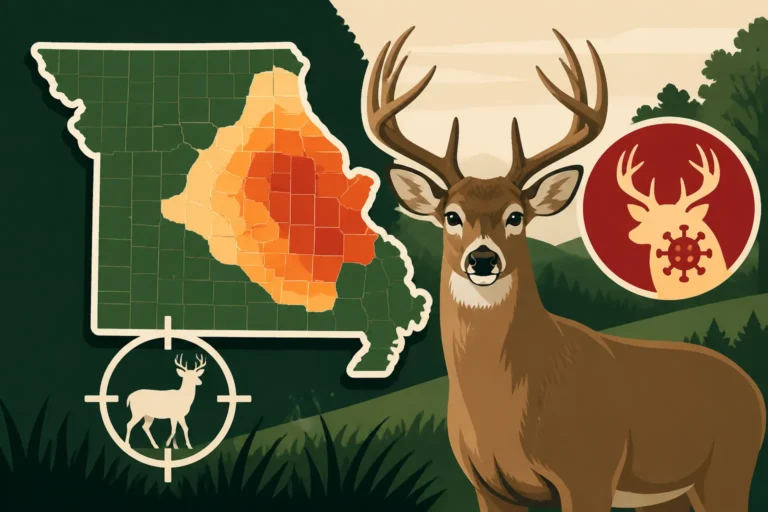
Missouri's first confirmed case of CWD was found in 2010 in a captive white-tailed deer in Macon County, in the northern part of the state. This immediately raised alarms about the potential for spread into the wild population. Sure enough, in 2012, CWD was detected in wild deer in the same general area, near the captive facility. This initial cluster of cases in northern Missouri became the focal point of intense surveillance and management efforts by the MDC. This was a critical moment, as it confirmed that CWD had indeed breached the wild herd. You can dive deeper into the specifics of Where CWD Was First Found in Missouri to understand the very first steps taken.
These initial detections in Macon County were pivotal, leading to the establishment of CWD Management Zones and increased mandatory sampling in surrounding counties. The MDC immediately implemented robust sampling programs, often relying heavily on hunter participation during the firearms deer season to collect tissue samples for testing. This early and aggressive stance was crucial in trying to understand the scope of the problem.
Pinpointing the Ozarks' First Cases
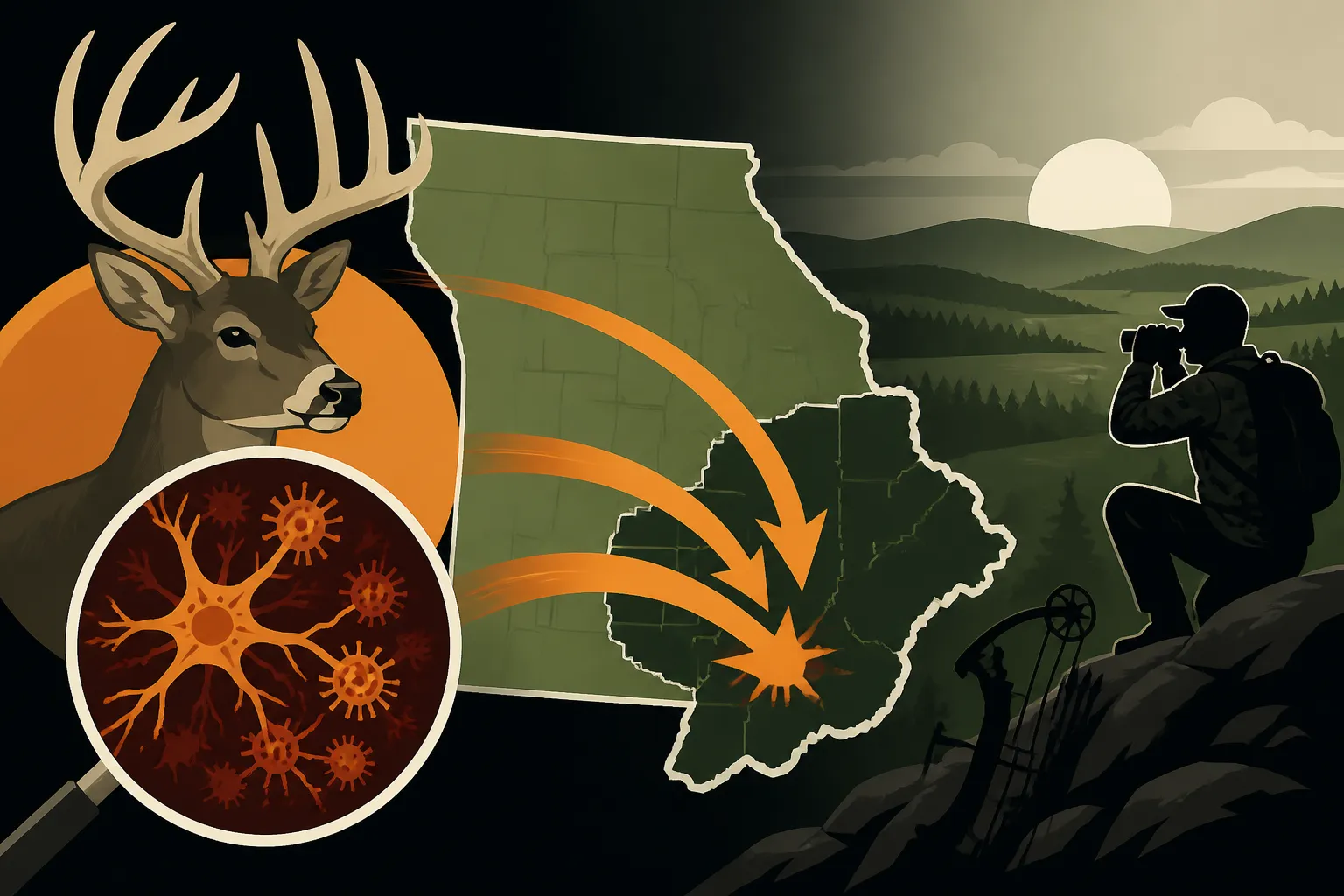
While the initial focus was on northern Missouri, the spread to the Ozarks confirmed what many had feared: CWD was not just a regional issue but a statewide concern. The first confirmations of CWD in the Missouri Ozarks came later, significantly after the initial northern Missouri cases. In 2017, CWD was detected in Stone County, which borders Arkansas. This was a particularly concerning development because it suggested a separate introduction, likely from the infected wild herds in northern Arkansas. This was a gut punch for many hunters who treasure the rugged Ozark deer country.
Following this, additional Ozark counties like Taney and Christian also confirmed CWD cases, painting a picture of a slow, but undeniable, march of the disease northward from Arkansas into Missouri's southern reaches. These detections in the Ozarks emphasized the dual threat: CWD could spread through natural deer movements from neighboring states, and from within Missouri's own borders. The situation became even more complex when CWD was detected in Oregon County, deep in the eastern Ozarks, suggesting yet another point of entry or localized outbreak. Understanding this spread helps us grasp why we need to be vigilant when Scouting Missouri Public Land Before Season in these areas.
Potential Pathways into the Ozark Region
The rugged topography of the Ozarks might seem like a barrier, but CWD prions and infected deer found their way in. There are a few likely pathways that contributed to CWD's arrival in this unique part of Missouri. The most probable route for the southern Ozarks (like Stone, Taney, Christian counties) was the natural movement of infected deer from northern Arkansas. Deer, especially young bucks looking for new territories, don't recognize state lines. With CWD firmly established across the border, it was almost inevitable that infected animals would eventually cross into Missouri.
Another less direct but still possible pathway is the movement of hunter-harvested carcasses. Despite regulations, a hunter unknowingly taking an infected deer in Arkansas and bringing it across the border into Missouri for processing or disposal could introduce prions into the environment. This is why Missouri's CWD Rule Changes for 2026 and current carcass transport rules are so vital. Finally, though not definitively proven for every Ozark case, the presence of captive cervid facilities in or near the Ozarks, which could potentially have CWD, always represents a risk factor for disease transmission if animals escape or proper biosecurity measures aren't strictly followed. GoHunt, with its focus on hunting regulations, often highlights the importance of adhering to these rules for herd health.
The Role of Human Activity in CWD Spread
While natural deer movement plays a part, human actions—both intentional and unintentional—have unfortunately been significant accelerators in the spread of CWD across the landscape, including into our Ozark region.
Transport of Infected Carcasses
One of the most insidious ways CWD has spread is through the movement of deer and elk carcasses from infected areas to uninfected ones. Imagine a hunter harvests a trophy buck in a county with CWD, then drives it two hundred miles to their home in an uninfected county to process it. If that carcass, still containing the brain, spinal cord, or lymphatic tissues, is handled or disposed of improperly (e.g., bone pile left in the woods, scraps put in a landfill that might be accessed by scavengers), it can introduce CWD prions into a pristine environment. These prions are incredibly resilient and can persist in the soil for years, effectively turning a new area into a CWD hotspot.
This scenario is why wildlife agencies, including the MDC, have implemented strict carcass transport regulations. These rules often stipulate that only certain parts of a deer—like deboned meat, antlers, or hides—can be moved out of a CWD Management Zone. The intention is to minimize the risk of transporting infectious material. It's a frustrating but necessary step to protect our herds, and all hunters need to understand and follow these guidelines when they Telechecking a Missouri Deer and preparing it for transport, especially after a successful hunt during Hunting the Missouri Rut in Early November.
Captive Deer Facilities and Their Impact
The captive cervid industry—farms that raise deer and elk for breeding, velvet antler production, or hunting preserves—has been unfortunately linked to multiple CWD outbreaks across the country. If CWD is present in a captive facility, the risk of it spreading to the wild population is a serious concern. This can happen in several ways: an infected animal could escape the facility, prions could be tracked out on equipment or boots, or waste products from infected animals could contaminate the surrounding environment.
Missouri, like many other states, has had its share of challenges with CWD in captive cervid facilities. The very first CWD case in Missouri, in Macon County, was in a captive deer. These facilities, while contributing to local economies, require rigorous testing, stringent biosecurity measures, and strict oversight to prevent disease transmission. It's a complex issue, balancing agricultural interests with wildlife health, and it underscores the need for robust regulatory frameworks to minimize risks.
Baiting and Feeding Concerns
While baiting and feeding deer doesn't cause CWD, it absolutely exacerbates its spread once the disease is present in an area. When deer are concentrated around a bait pile or feeder, they come into close, prolonged contact with each other. This increased density and interaction facilitate direct transmission of prions through saliva, urine, and feces. It also means that a single infected deer shedding prions at a feed site can contaminate a smaller area, making it a hotbed for further transmission to other deer visiting that same spot.
For these reasons, the MDC has implemented Missouri Baiting and Feeding Rules and restrictions in CWD Management Zones. It’s a contentious issue for many hunters, as baiting can be a popular method for attracting deer. However, the scientific consensus is clear: concentrating deer increases the risk of CWD transmission. Even if you're not seeing outward signs, remember that CWD prions persist in the environment. So, when deer are repeatedly visiting the same spot, they're not just sharing corn; they're sharing potential exposure to disease. Being mindful of these practices is just one more layer of responsibility for the modern hunter, and resources like GoHunt often highlight these state-specific regulations.
Missouri's Response and Ongoing Management
Missouri, through the Department of Conservation, has taken a multi-pronged approach to combat CWD, understanding that an effective strategy requires science, public cooperation, and adaptive management.
Early Detection and Surveillance Efforts
From the moment CWD was first detected, the MDC initiated aggressive surveillance programs to track the disease. This effort relies heavily on mandatory CWD testing of hunter-harvested deer in CWD Management Zones during opening weekend of the firearms portion, as well as voluntary testing in other areas. Hunters are asked to submit samples from their harvested deer at designated CWD sampling stations or cooperating meat processors. This massive data collection allows the MDC to map the spread of the disease, identify new hot spots, and understand prevalence rates. For many hunters, myself included, getting a deer tested is now just part of the routine, similar to checking harvest statistics in the Reading a Missouri Harvest Report.
Beyond hunter-submitted samples, the MDC also conducts year-round surveillance, including testing roadkill deer or those that appear sick. This proactive approach helps catch new introductions or expansions of the disease as early as possible. The more data they collect, the better they can understand the current situation and predict future trends, which is crucial for making informed management decisions. Participating in CWD Sampling and Testing for Hunters is a direct way every hunter can contribute to these vital efforts.
Management Strategies and Regulations
Based on surveillance data, the MDC has developed a comprehensive CWD management plan that includes a range of strategies and regulations. Carcass transport rules, as mentioned earlier, are critical for preventing human-assisted spread. Mandatory testing in certain counties helps monitor prevalence, while targeted culling efforts (sharpshooting by MDC staff) might be employed in high-prevalence areas to reduce deer density and slow the spread.
Another key component is the implementation of feeding and baiting bans in CWD Management Zones. These regulations are designed to reduce deer concentration at artificial food sources, thereby minimizing nose-to-nose contact and environmental contamination. While these rules can sometimes feel restrictive to hunters, they are scientifically grounded attempts to limit CWD's progression. It’s all part of the larger, evolving strategy, as evidenced by changes like Missouri's CWD Rule Changes for 2026. The overall goal is to maintain a healthy deer herd and preserve hunting traditions for generations to come, even if it means adapting our methods, whether we're utilizing Public Hunting Land in Missouri or private ground.
Hunter Involvement and the Future
Hunters are undeniably the most important partners in the fight against CWD. We are the eyes and ears in the woods, often the first to notice sick animals or changes in deer behavior. Our willingness to participate in CWD testing, adhere to carcass transport regulations, respect baiting bans, and report sick deer is paramount to the success of any management strategy. By engaging with resources and information, like those found on the GoHunt platform, hunters stay informed and ready to help.
The future of deer hunting in Missouri, particularly in the Ozarks, will undoubtedly involve ongoing CWD management. This might mean continued mandatory testing, adjustments to harvest limits in affected areas, and a sustained focus on hunter education. While CWD presents significant challenges, it’s not a reason to give up hunting. Instead, it calls for a heightened sense of responsibility and stewardship from all of us who love chasing whitetails through the timber and along Hunting Missouri Ridge Saddles and Benches. Our collective actions will determine how successfully we navigate this challenge and ensure healthy deer herds for generations to come.
Key Dates and Locations in Missouri CWD Detection
| Year | Location | Type of Deer | Significance |
|---|---|---|---|
| 2010 | Macon County | Captive White-tailed Deer | First CWD detection in Missouri |
| 2012 | Macon County | Wild White-tailed Deer | First CWD detection in Missouri's wild herd |
| 2017 | Stone County | Wild White-tailed Deer | First CWD detection in the Missouri Ozarks, suggesting spread from Arkansas |
| 2018 | Taney County | Wild White-tailed Deer | Further confirmation of CWD spread into the southern Ozarks |
| 2019 | Christian County | Wild White-tailed Deer | Continued expansion of CWD in the southwest Ozarks |
| 2020 | Oregon County | Wild White-tailed Deer | Detection in the eastern Ozarks, indicating broader regional spread |
Disclaimer
The information provided in this article is for general educational purposes only and is not intended as legal advice. Hunting regulations and CWD management protocols are subject to change. Always consult the latest regulations from the Missouri Department of Conservation before engaging in any hunting activities.