When Missouri Bucks Shed Antlers
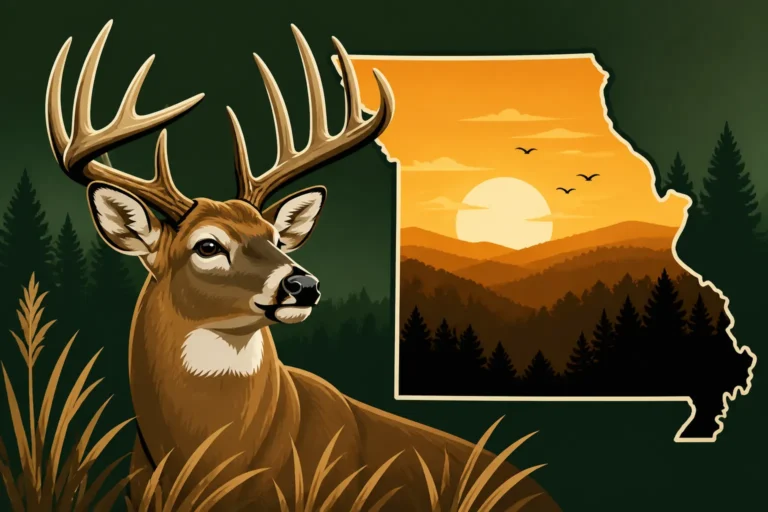
That moment when you've made it through deer season, maybe you filled your tags, maybe you didn't, but suddenly your mind shifts to something new: shed hunting. It’s a real challenge, isn't it? You know the antlers will drop, but trying to pinpoint exactly when Missouri bucks shed their antlers can feel like trying to guess the lottery numbers. This guide is here to unravel the mystery, giving you the insights you need to understand the biological rhythm behind antler shedding and increase your chances of finding those elusive treasures in the Show-Me State.
Understanding the Antler Shedding Process in Missouri Whitetails
For us deer hunters, antlers are more than just bone; they're trophies, symbols of a deer's health, age, and genetics. But unlike horns, antlers aren't permanent. Every year, our Missouri bucks undergo an incredible cycle of growing, hardening, and then eventually casting off their racks. It's a natural, hormone-driven process that signals the end of one chapter and the beginning of another in a buck's life.
The Biology Behind the Drop
The shedding of antlers is primarily controlled by changes in a buck's testosterone levels. Throughout the fall, during the intense period of the rut, testosterone peaks. This hormone surge is what drives their aggressive behavior, their desire to breed, and keeps those impressive racks firmly attached to their pedicles. However, once the rut winds down and breeding activity diminishes, typically around late November and into December, testosterone levels begin to fall.
This decline in testosterone is the key trigger. As hormone levels drop, a layer of specialized cells forms between the antler and the pedicle, creating what's known as an abscission layer. This layer gradually weakens the connection until, finally, the antler detaches. It's not a sudden event, but a gradual process that can take a few weeks from the initial hormonal shift to the actual drop. Sometimes a buck might even lose one antler and carry the other for days or even a week or two before it too falls off.
When the Pedicles Start to Heal
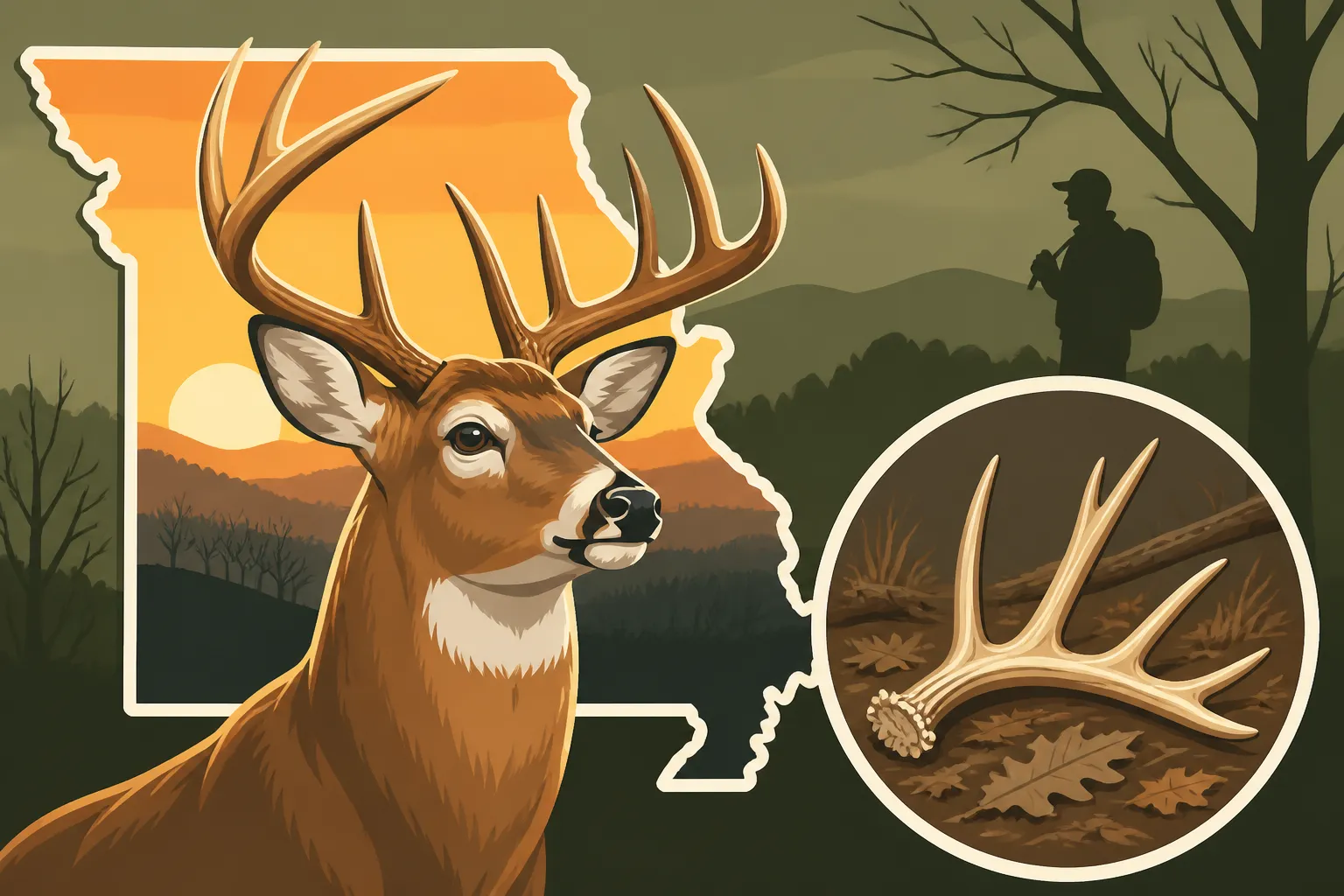
Once the antlers have been shed, the pedicles, those boney bases on the buck's skull, are left raw and exposed. It looks a bit gnarly at first, almost like a fresh wound. However, nature is quick to heal. Within a short period, typically a week or two, a scab forms over the exposed pedicle. This healing process is crucial because it sets the stage for the next antler growth cycle. New antler growth will begin almost immediately after shedding, starting with a velvet covering that nurtures the growing bone throughout the spring and summer. It’s an endless loop that ushers in the next hunting season's hopes and dreams.
Typical Antler Shedding Timeline in Missouri
One of the biggest frustrations for shed hunters is that there's no single "shedding day" on the calendar. Missouri's deer herd is vast and varied, spread across different habitats and experiencing different local conditions. However, we can still identify a general window when most bucks will start to drop their antlers. Knowing this window is key to timing your shed hunting efforts.
The Peak Shedding Window
In Missouri, the vast majority of bucks will begin shedding their antlers from late December through February. For many hunters, the period from mid-January to mid-February is often considered the prime time for finding fresh sheds. This is when the bulk of the mature bucks, especially those that were heavily involved in the rut, will have already cast their racks.
Younger bucks, particularly those yearlings, often hold onto their antlers longer than mature bucks. This is likely due to their lower testosterone levels and potentially less physical stress from the rut. Sometimes, you'll see a spike or a small fork-horn carrying antlers well into March. Conversely, some bucks, especially those that are older, stressed, or unhealthy, might drop earlier in December. It's truly a spectrum, which makes shed hunting both challenging and rewarding.
Regional Variations Across the State
Missouri is a diverse state, from the big agricultural fields of the North to the rugged timber of the Ozarks. These regional differences can influence when bucks shed.
| Region | Typical Shedding Start | Primary Shedding Window | Notes |
|---|---|---|---|
| North Missouri | Late December | Mid-January to Mid-Feb | Often earlier due to higher deer densities, colder temps, agricultural pressure. |
| Central Missouri | Early January | Mid-January to Late Feb | Generally consistent with the state average. |
| Ozarks (South) | Mid-January | Late January to Early Mar | Can be slightly later due to milder winters, less agricultural stress. |
| Bootheel | Mid-January | Late January to Early Mar | Often later due to warmer temperatures and different food sources. |
While this table provides a general guideline, remember that weather patterns, food availability, and the health of individual deer in a specific area can always shift these timelines. A brutal cold snap with deep snow, for example, might encourage earlier shedding across the board as deer struggle for energy and their bodies prioritize survival over antler retention.
Factors Influencing Shed Timing
You might wonder why one buck drops his antlers on January 1st and another on February 15th. It all comes down to a combination of factors, both internal and external, that play a significant role in the timing of antler shedding. Understanding these can help you refine your shed hunting strategy and even pinpoint areas where bucks might be concentrated during this critical time.
Buck Age and Overall Health
This is a huge one. As mentioned, older, more mature bucks tend to shed earlier than younger ones. Why? Because they've put more energy into the rut, burning more calories and taking a heavier toll on their bodies. Their testosterone levels often crash more dramatically after the peak breeding period. A young, relatively unscathed yearling might not experience the same severe hormonal drop, allowing them to carry their antlers for a longer duration.
A buck's overall health also plays a critical role. A buck that went into the rut in poor condition, or one that suffered an injury during the season, might shed earlier. Their body simply can't sustain the energy required to hold onto the antlers when it's already struggling with recovery or basic survival. Think of it as the body prioritizing essential functions over what has become an unnecessary appendage. Conversely, a robust, healthy buck with plenty of fat reserves might hold onto his rack a bit longer, even if he's mature.
Nutritional Plane and Winter Food Sources
Another major factor is the buck's nutritional plane. If a buck has access to abundant, high-quality food sources throughout the late fall and early winter, his body will be under less stress. This sustained nutrition can sometimes allow him to retain his antlers for a longer period. However, if food becomes scarce, or if the winter is particularly harsh, forcing deer to burn through their fat reserves rapidly, their bodies will again prioritize survival. This stress can trigger an earlier shedding.
This is why focusing your shed hunting efforts around known late-season food sources can be incredibly productive. Think about areas where deer are consistently feeding to conserve energy: standing corn fields, bean fields with waste grain, or even oak stands where acorns might still be present. Late-Season Food Sources for Whitetails are critical for understanding where deer will be concentrated post-rut. A hunter using a detailed mapping tool like the one offered by GoHunt can identify these potential feeding areas and cross-reference them with known bedding sites to establish travel corridors.
Weather and Environmental Stress
Missouri winters can be a real mixed bag. We can have mild, open winters, or we can get hit with blizzards and prolonged cold snaps. Severe weather, especially deep snow and sustained freezing temperatures, can place immense stress on deer. When they're expending extra energy to simply move through snow or stay warm, their caloric demands skyrocket. This environmental stress acts similar to nutritional stress, signaling to the buck's body that it's time to shed those heavy antlers and conserve energy.
A sudden, significant drop in temperature or a heavy snowfall can sometimes lead to a noticeable spike in shedding activity. Hunters who pay close attention to the weather patterns right after the hunting season might find an early shedding wave, making their initial shed hunting trips more successful. When you're Hunting Missouri Deer in Deep Snow, you're often seeing deer in survival mode, and that stress can definitely accelerate the antler drop.
Post-Rut Recovery and Human Pressure
The rut is exhausting for bucks. They lose significant body weight, get injured in fights, and expend enormous amounts of energy chasing does. The faster a buck can recover from the rut, the less physiological stress he's under, and sometimes, the later he might shed. Conversely, a buck that's struggled through the rut and is in poor shape may drop his antlers sooner to conserve energy.
Another factor is human pressure. If an area sees a lot of late-season hunting pressure, or if bucks are constantly being bumped by hikers, dog walkers, or even early shed hunters, this can also contribute to stress. While not a direct hormonal trigger, persistent disturbance forces deer to expend more energy running and hiding, which can indirectly influence the timing of shedding by increasing their overall stress load. When Hunting Missouri Deer After Christmas, consider the impact of your presence on the deer's ability to recover.
Making the Most of Missouri's Shed Season
So, you understand why and when bucks shed. Now, how do you actually find those elusive pieces of bone? Shed hunting is a fantastic way to extend your time in the woods, learn more about your local deer herd, and get some exercise. It’s also an excellent scouting opportunity for the next hunting season.
Timing Your Searches
As we've discussed, mid-January to mid-February is often the sweet spot for many Missouri hunters. However, there's a delicate balance here. If you go too early, most bucks might still be carrying their antlers. If you wait too long, squirrels, mice, and other rodents will have already chewed them to bits, or other shed hunters will have found them.
I like to start with a few exploratory trips in early January, especially after a cold snap. I don't expect to find many, but it helps me gauge if the early drops have started. My serious efforts begin mid-month. It's also a good idea to focus on areas that are less likely to get immediate pressure. Scouting Missouri Public Land Before Season is invaluable, and that knowledge translates directly to shed hunting. You'll already know where the deer tend to bed and feed, even without leaves on the trees.
Where to Focus Your Efforts
Deer are creatures of habit, especially in winter when food and cover are paramount. When looking for sheds, think like a hungry, tired buck trying to conserve energy.
- Bedding Areas: This is probably the number one spot. Bucks will spend a lot of time resting and conserving energy. When they stand up or lay down, an antler can easily be dislodged. Look for thickets, south-facing slopes, cedar patches, or dense timber.
- Major Food Sources: Deer spend a significant portion of their winter days feeding. Check crop fields, food plots, and natural browse areas. They'll drop sheds while moving through or standing in these areas. Tools like GoHunt can help you mark these precise locations.
- Travel Corridors: Connect the dots between bedding and feeding areas. Look for well-used trails, especially where deer might have to jump over a fence, cross a creek, or navigate a narrow pinch point. The jarring motion can cause an antler to drop. Hunting a Missouri Fencerow Between Fields can often reveal sheds from deer jumping or squeezing through.
- Water Sources: Even in winter, deer need water. Check around creeks, ponds, and springs, particularly if they are near bedding or feeding areas.
- South-Facing Slopes: On cold, sunny days, deer love to bed on south-facing slopes to soak up the warmth. These can be prime shed hunting spots.
What to Look For (Beyond Just Antlers)
When you're out there, don't just stare at the ground expecting to see a full antler. You're looking for subtle clues. The white of a freshly broken pedicle on the ground, a tine barely poking out from under some leaves, or even just a disturbance in the leaf litter that suggests something was recently there. Reading an Ozark Hollow for Deer Movement can help you understand subtle terrain features where deer might pause, providing more chances for a drop.
Also, be aware of what else is around. If you find a shed, circle the area extensively. Often, the other side isn't far away. If you find a shed in a bedding area, consider if it's a spot where a buck consistently lays. If you are fortunate enough to stumble across a matched set, it gives you incredible insight into that specific buck's movements and habits. Using a GPS or mapping app like GoHunt to mark every shed you find can create a valuable database for future years, showing you where bucks prefer to shed.
The Value of Shed Hunting Beyond the Bone
Shed hunting is so much more than just finding a cool piece of bone. It’s a powerful scouting tool that offers invaluable insights for the upcoming hunting seasons. Each shed you find is a piece of the puzzle, telling you about the deer that inhabit your hunting grounds.
Scouting for Next Season
Every antler you pick up tells a story. It tells you that a buck was alive and in that specific area at some point during the winter. A collection of sheds from a particular property, especially if you find them year after year, can show you trends in buck presence, age structure, and even specific buck territories. Finding Sign in Big Timber after the leaves have fallen is easier, and finding sheds reinforces that a buck spent time there.
By marking shed locations on your GoHunt map, you can start to identify "shedding zones" or areas where specific bucks consistently drop their antlers. This can help you understand late-season movement patterns, which are often similar year after year. It gives you a head start on understanding where to place trail cameras, where to hang treestands, or even where to focus your early season scouting efforts. Treestand Setups in Hardwood Timber can be planned better if you know where the big bucks are likely to be in late winter.
Learning About Your Deer Herd
Beyond individual buck movements, sheds can give you a snapshot of the overall health of your local deer herd. Are you finding mostly small, broken-off sheds? This might indicate a younger age structure or a herd struggling with nutrition. Are you finding large, healthy sheds? That's a good sign for older, well-fed bucks.
It’s also an excellent way to estimate buck numbers and distribution without disturbing them during the hunting season. If you're consistently finding sheds in certain areas on Missouri Conservation Areas Explained, it tells you those spots hold good numbers of bucks even if you didn't see them during the archery or firearms portions. This knowledge can influence your permit choices and hunting strategies for the next year.
Extending Your Time in the Outdoors
Finally, and perhaps most importantly, shed hunting is simply another excuse to be in the woods. After the intensity of the hunting seasons, shed hunting offers a quieter, more relaxed way to connect with nature. It’s a walk, a treasure hunt, and a learning experience all rolled into one. It keeps your eyes sharp, your feet moving, and your passion for Missouri hunting alive during the quieter months. Plus, finding that perfect matched set or an absolute monster shed is an incredible feeling of accomplishment that rivals a successful hunt. So grab your boots, load up your GoHunt app, and hit the timber!
Disclaimer
This article is for general informational purposes only and does not constitute professional advice. Laws, prices and regulations vary by location and change over time. Consult a qualified professional for guidance on your specific situation.