Weather in the Weeks After the Hatch
It’s easy to focus on the immediate conditions for an upcoming hunting season, but the truth is, some of the most crucial factors influencing deer and turkey populations are set months in advance. One often-overlooked period is the weeks immediately following the hatch, typically late spring into early summer. The weather during this fragile time can dictate the survival rates of young poults and fawns, profoundly affecting what you’ll find in the woods or fields come fall or next spring. This guide will walk you through how Missouri’s post-hatch weather patterns create a ripple effect, shaping game populations and, ultimately, your hunting opportunities.
The Critical Window: Why Early Weeks Matter for Hatchlings
Fragile Beginnings: The Vulnerability of Young Birds
Imagine a tiny turkey poult, barely larger than a golf ball, or a newly born fawn, still wobbly on its legs. These aren’t miniature adults; they are incredibly vulnerable creatures, still developing their critical systems. For ground-nesting birds like wild turkeys and bobwhite quail, the first few weeks after hatching are a make-or-break period. Their downy feathers offer little protection from prolonged cold or saturation, and their thermoregulatory systems aren't fully developed. This means they can succumb to hypothermia surprisingly quickly if exposed to persistent wetness and chill. It’s a delicate balance of warmth and dryness that determines whether a clutch of vibrant, chirping poults will make it to adulthood or dwindle to just a handful.
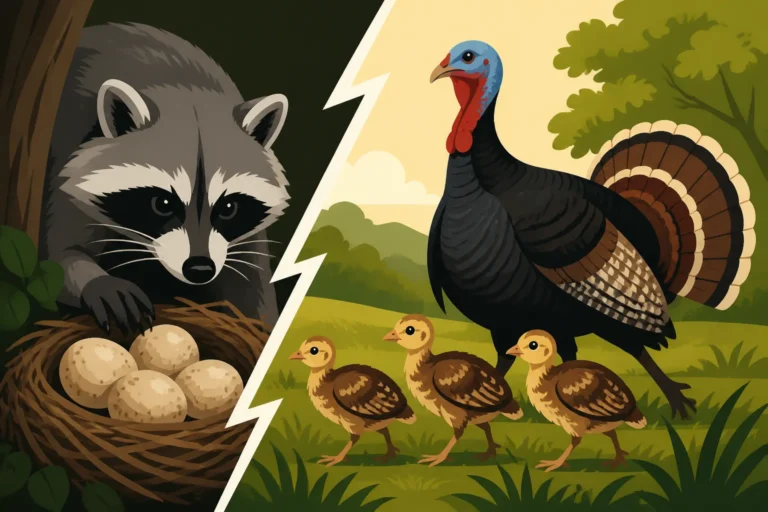
Think about a spring turkey hunt; we often celebrate a successful hatch by seeing broods of poults scratching in fields or crossing gravel roads. But what we don’t always consider is how many didn’t make it to that point. The nesting success and then the subsequent Poult-to-Hen Ratios and What They Mean are direct indicators of how well these young birds fared during their most vulnerable time. Even a strong hatch can be decimated by a week of adverse weather, proving that simply getting out of the egg isn’t the end of the struggle. Their survival hinges on the right conditions for growth and avoiding environmental stressors that are common during the Nest Predation and Turkey Hatches period.
Food and Cover: Immediate Needs Post-Hatch
Beyond just surviving the elements, hatchlings have immediate and intense needs for food and cover. Poults and quail chicks are insectivores for their first several weeks, relying heavily on protein-rich insects like grasshoppers, crickets, and beetles for rapid growth. Weather that impacts insect populations, such as prolonged cold snaps or excessive rain that washes insects away or hinders their activity, can lead to starvation. If those critical food sources aren't readily available and easy for tiny birds to forage, their chances plummet.
Moreover, good cover is paramount for hiding from predators and escaping harsh weather. Dense, yet permeable, vegetation provides shelter from the sun, rain, and aerial threats. However, excessively wet conditions can mat down ground cover, making it less effective, or even drown chicks hiding within it. Conversely, drought conditions can stunt vegetation growth, leaving young birds exposed. The ideal scenario is a balance: enough rain for lush insect-producing vegetation, but not so much that it creates a perilous, soggy environment. This interplay of weather, food availability, and protective cover is a complex dance that dictates the early survival of Missouri’s newest game animals.
Understanding Different Weather Impacts
Heavy Rains and Flooding: A Drowning Threat
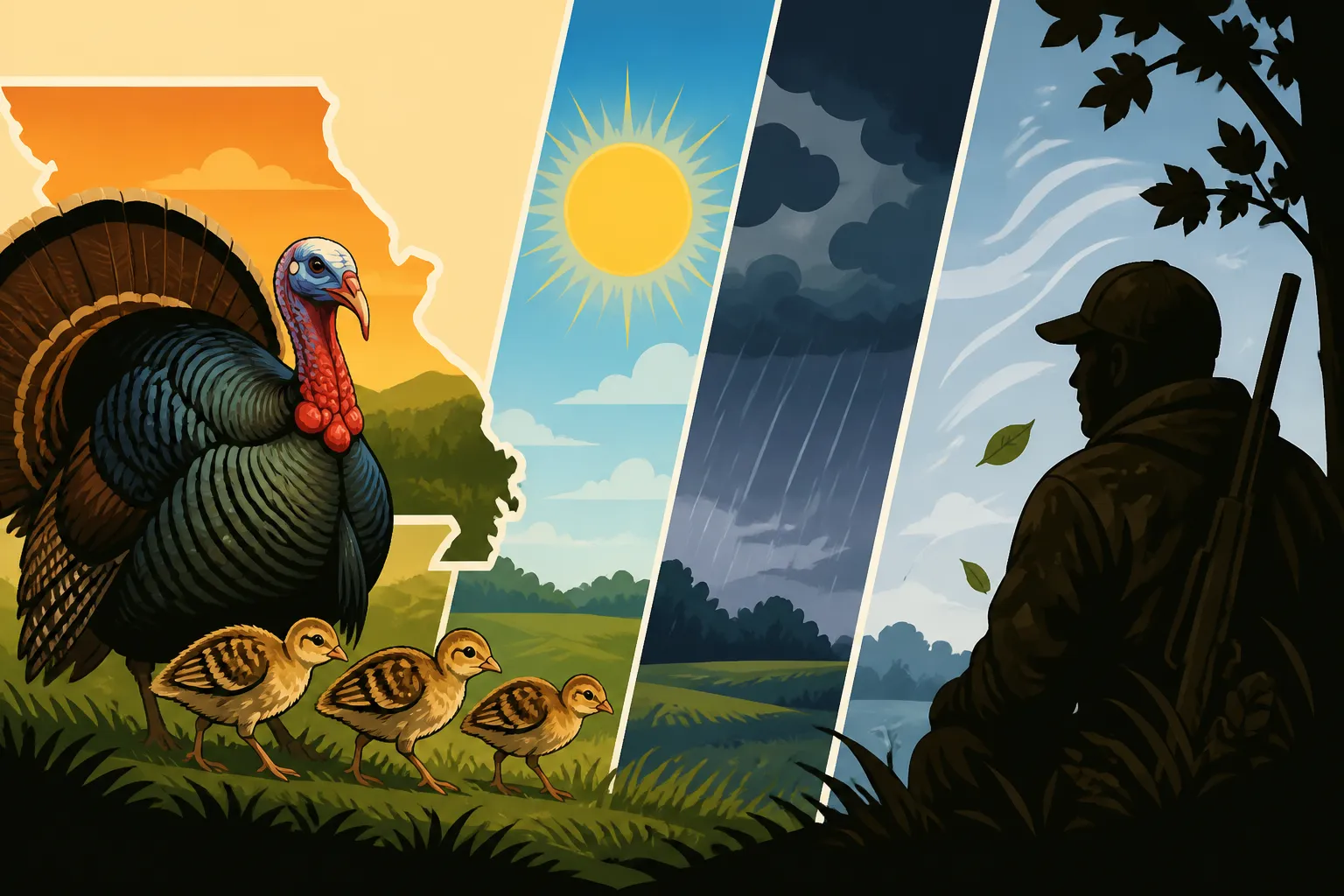
One of the most immediate and devastating impacts on hatchlings comes from heavy, sustained rainfall and subsequent flooding. Imagine a low-lying field or a timbered creek bottom where a turkey hen decided to nest. A sudden deluge, especially if it happens repeatedly over several days, can literally drown young poults and quail chicks. Their small size and limited mobility make them highly susceptible to rising water levels. Even if they aren't directly drowned, persistent wet conditions can chill them to the bone, leading to hypothermia, which is often a death sentence for these delicate creatures.
Missouri is no stranger to significant spring and early summer rain events, especially in areas near major rivers or in creek-laden timber. These events can transform seemingly safe nesting areas into hazardous zones overnight. It's not just the dramatic floodwaters of major rivers, but even localized flash flooding in ditches, low fields, or small creek drainages that can be lethal. If you remember a particular spring with what felt like endless, heavy downpours, it’s a good bet that the local poult and quail numbers suffered. It's a direct and brutal hit to their population, reducing the numbers that would otherwise make it to the fall.
Cold Snaps and Prolonged Wetness: Hypothermia Risks
While outright drowning is an obvious danger, the insidious threat of prolonged cold and wetness is perhaps even more widespread. Young birds, particularly turkey poults and quail chicks, have very little body fat and an underdeveloped ability to regulate their body temperature. A cold rain, even if it’s not heavy, that persists for a day or two can be fatal. They simply can’t stay warm enough once their downy feathers become saturated. The hen works tirelessly to brood them, but even her body heat has its limits when facing relentless moisture and chilly temperatures.
This isn’t just about deep winter freezes; it’s about those unseasonable cold fronts that sometimes sweep through Missouri in late May or early June. When these cold fronts coincide with hatching, or immediately follow it, the results can be catastrophic for young birds. The combination of sustained low temperatures and damp ground, or even just heavy dew that doesn't burn off quickly, means the chicks are constantly battling to maintain body warmth. It saps their energy, weakens their immune systems, and makes them far more vulnerable to disease and predation, even if they don't succumb directly to hypothermia. This scenario is a major factor in why Missouri Turkey Population Trends can fluctuate so much year to year.
Drought and Extreme Heat: Indirect but Serious Pressures
On the flip side of the coin, overly dry and hot conditions also present significant challenges, albeit often in more indirect ways. Extended droughts during the post-hatch period can severely limit the growth of critical ground cover, leaving young birds exposed to aerial predators like hawks and owls, and ground predators such as coyotes and raccoons. Without sufficient vegetative cover, especially along field edges and timber breaks, poults and chicks have fewer places to hide and escape detection. This lack of cover makes them easy targets, dramatically increasing predation rates.
Furthermore, drought conditions can decimate the insect populations that poults and quail chicks rely on for their early, protein-rich diet. If the vegetation is wilting and sparse, the insects that feed on it also suffer, leading to a scarcity of food for the growing birds. Extreme heat, while less likely to kill directly than cold/wet, can also stress young birds and make them less active, hindering their foraging efforts. A combination of drought, sparse cover, and reduced insect numbers creates a difficult environment where young birds struggle to grow and thrive, leaving fewer robust individuals to enter the hunting seasons. It’s a powerful example of how Habitat Loss and Missouri Quail populations are intertwined with weather patterns.
Long-Term Ripple Effects on Hunting Seasons
Turkey Poult Survival and Fall/Spring Hunting
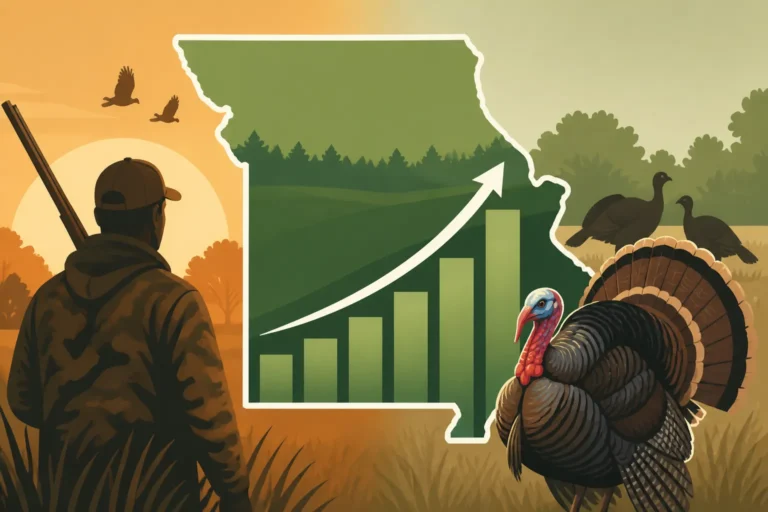
The success or failure of poult survival in those critical weeks directly translates to the health of Missouri’s wild turkey population in the coming seasons. If you have a poor hatch due to adverse weather, it means fewer young turkeys are recruiting into the population. This isn't just a number on a spreadsheet; it's fewer jakes in the fall, fewer two-year-old gobblers drumming in the spring, and fewer hens leading broods the following year. A string of bad hatches can lead to a noticeable decline in callable gobblers and overall turkey numbers, making hunts tougher and success rates lower.
Consider the Missouri Fall Turkey Hunting Tactics you might use. If there aren't many young birds, breaking up a flock and calling in scattered birds becomes less effective because there are simply fewer birds to scatter. In the spring, a poor hatch means fewer jakes running around, which are often the first birds to respond to a call, offering a more forgiving hunting experience. A shortage of jakes also points to a future deficit of mature gobblers. Hunters often gauge a successful season not just by their own harvest, but by the number of broods they see in summer. If those observations are low, it's a strong indicator that the spring or fall turkey hunting will be challenging due to weather impacts months earlier. Understanding the conditions can even impact your approach to Spring Turkey Calling in Missouri Timber, as you might adjust your call volume or frequency based on perceived bird density.
Quail Covey Dynamics and Habitat Use
For bobwhite quail, the impact of post-hatch weather is equally, if not more, pronounced. Quail are notoriously sensitive to environmental conditions, and their population fluctuations are often closely tied to these early survival rates. A robust hatch, supported by favorable weather, can lead to strong covey numbers in the fall. These larger coveys are often easier to locate, providing more opportunities for hunters and their dogs. Conversely, a poor hatch means smaller, sparser coveys, making the act of Walking Missouri Quail Cover With a Dog much more difficult and less fruitful.
When young quail don't thrive, it affects the social structure and dispersion of coveys. Fewer birds mean less competition for resources but also potentially smaller, less resilient coveys. Hunters relying on Covey Counts and What They Show will see these numbers drop significantly after a tough post-hatch period. The way quail utilize their habitat can also shift. If preferred cover areas became too wet or too dry during the critical growth phase, survivors might move to less ideal but more stable locations, making them harder for hunters to predict. The health of the quail population, from its distribution to its density, all starts with those vulnerable weeks after they emerge from the egg, influencing everything from daily bag limits to the overall Missouri Bobwhite Population Trend.
| Weather Condition | Immediate Impact on Hatchlings (Turkeys/Quail) | Long-Term Impact on Hunting Seasons |
|---|---|---|
| Heavy Rains/Flooding | Drowning, separation from hen, chilling, habitat destruction. | Fewer young birds (jakes/poults, quail chicks) recruit into population; tougher hunting seasons. |
| Prolonged Cold/Wet | Hypothermia, increased susceptibility to disease, reduced foraging. | Reduced overall population numbers, lower success rates for hunters. |
| Drought/Extreme Heat | Lack of critical insect food, sparse protective cover, increased predation risk, stress. | Smaller coveys, fewer young turkeys, shifts in habitat use, more challenging scouting. |
| Ideal Conditions | Abundant insects, good cover, stable temperatures, healthy growth. | Strong recruitment of young birds, robust populations, better hunting opportunities. |
How Hunters Can Adapt and Scout Smarter
Monitoring Local Conditions and MDC Reports
As hunters, we can't control the weather, but we can certainly be informed about its effects. One of the best ways to adapt is to pay close attention to local weather patterns during the late spring and early summer, especially in the specific areas you plan to hunt. Were there weeks of incessant rain? Did a late-season cold snap hit hard? These observations are crucial clues. Beyond personal experience, the Missouri Department of Conservation (MDC) often publishes reports or updates on game populations, sometimes specifically mentioning brood observations or reproductive success. These reports are invaluable as they compile data from across the state and can give you a broader picture.
Tools like GoHunt can be incredibly useful here, allowing you to track historical weather data for specific regions and overlay it with habitat maps. This lets you correlate observed weather events with potential impacts on the ground you intend to hunt. For instance, GoHunt’s detailed mapping layers might reveal higher elevations or areas with better drainage, which could offer refuges for game during periods of heavy rain. By proactively checking these resources, you're not just hoping for the best; you're developing an informed strategy based on real-world conditions. This kind of detailed monitoring helps you understand where game might be more abundant or where populations might have struggled, guiding your initial Scouting Missouri Public Land Before Season efforts long before the season even opens.
Adjusting Scouting and Hunting Strategies
Once you have a good understanding of how post-hatch weather might have impacted game in your chosen areas, you can adjust your scouting and hunting strategies accordingly. If it was a tough hatch year, focusing your efforts on areas known for consistently good habitat — those with diverse cover, reliable food sources, and elevated, well-drained nesting areas — becomes even more critical. These "honey holes" are more likely to harbor what few young birds survived and thrived. You might prioritize timbered draws or high ridges that weren’t as susceptible to flooding, or areas with persistent insect populations even during drought. This could mean Reading an Ozark Hollow for Deer Movement to find subtle drainage features that could protect young animals.
Conversely, if conditions were generally favorable, you might broaden your search, knowing that game could be more widely distributed. For turkeys, if poult survival was low, you might shift your spring strategy to target more mature, lone gobblers rather than relying on breaking up flocks or calling in jakes. For quail, this could mean expanding your search radius, or even considering different types of cover if traditional areas were negatively impacted. Being flexible and responsive to these long-term weather effects can significantly increase your chances of success, even in a challenging year. This also applies to understanding Late-Season Food Sources for Whitetails, as healthy early season growth can lead to better mast crops or browse later in the year.
Leveraging Tools and Resources
In today's hunting world, we have access to more tools and data than ever before, and leveraging them can make a huge difference in understanding the impact of post-hatch weather. Modern mapping applications, for instance, can help you identify high and low ground, potential flood zones, and areas with different types of vegetation cover. By reviewing satellite imagery from GoHunt, you can sometimes even see the density of spring growth, which can indicate habitat health and insect abundance. This kind of detailed overhead view provides insights that were impossible for previous generations of hunters. GoHunt offers valuable layers that can help you visualize terrain and cover changes that might indicate areas less affected by adverse weather.
Beyond mapping, don't underestimate the power of local conservation agents and experienced hunters. They are often the first to notice trends in game populations and can offer invaluable on-the-ground observations. Participating in summer brood surveys, if available through the MDC, also gives you direct involvement in understanding population dynamics. Using a comprehensive platform like GoHunt can help you consolidate all this information, from weather forecasts to historical data to habitat layers, allowing you to make more informed decisions when it comes to predicting game populations and planning your hunts. It's about being proactive and using every available resource to paint the most accurate picture possible of the upcoming season.
Disclaimer
This article is for general informational purposes only and does not constitute professional advice. Laws, prices and regulations vary by location and change over time. Consult a qualified professional for guidance on your specific situation.