Nest Predation and Turkey Hatches
One of the most disheartening things for any Missouri turkey hunter, or really, anyone who cares about wildlife, is seeing a hen work tirelessly on a nest only to have it wiped out before the hatch. It’s a harsh reality that nest predation plays a significant role in the rollercoaster of wild turkey populations, directly impacting how many poults make it into the fall and, ultimately, how robust our gobbler flocks are in the spring. This guide will dive deep into the challenges posed by nest predation, examine the usual suspects behind these losses, and explore how these factors shape the future of Missouri's beloved wild turkeys.
Understanding the Wild Turkey Nesting Cycle
For a wild turkey hen, spring is an intense period driven by the ancient instinct to reproduce. It's a race against time, predators, and the elements to bring new life into the flock. Understanding this cycle is crucial to appreciating the vulnerability of turkey nests.
From Egg Laying to Incubation
After mating, a hen will spend anywhere from a week to two weeks laying her clutch, typically one egg per day. She’s remarkably secretive during this phase, often choosing a well-hidden spot in dense cover – perhaps a brush pile, a thicket of young cedars, or even tall grasses along a fencerow. A typical clutch size in Missouri can range from 8 to 15 eggs. During this egg-laying period, she might leave the nest for short foraging trips, but once the full clutch is laid, she commits fully to incubation. This is a critical stage, as the eggs are vulnerable whenever she is off the nest, and once she starts incubating, she becomes a sitting target. The incubation period itself lasts about 28 days, a long stretch where she's nearly constantly on the nest, relying on her camouflage and stillness to avoid detection.
The Hatching Event and Early Poult Life
When the 28 days are up, the magic of the hatch begins. The poults peck their way out of the shells, usually all within a 24-hour period. This is a moment of immense vulnerability for the entire brood. Once hatched, turkey poults are precocial, meaning they are relatively mature and mobile from birth. Within hours of hatching, the hen will lead her poults away from the nest site. This swift departure is a crucial survival strategy, as the vacated nest often leaves behind scents and shell fragments that can draw predators. The first few weeks of a poult’s life are incredibly tenuous. They are tiny, flightless, and dependent on the hen for warmth, protection, and guidance to food sources. This is where Why Missouri Turkey Poult Survival Fell really comes into play, as their susceptibility to both predation and harsh weather in these early days significantly impacts the overall turkey population.
The Usual Suspects: Common Nest Predators in Missouri
Missouri's diverse landscape supports a wide array of wildlife, and unfortunately for nesting turkeys, many of these creatures are opportunistic egg-eaters. It's not about malice; it's simply nature taking its course. But for hunters and conservationists, understanding who these predators are is the first step in managing their impact.
Mammalian Predators
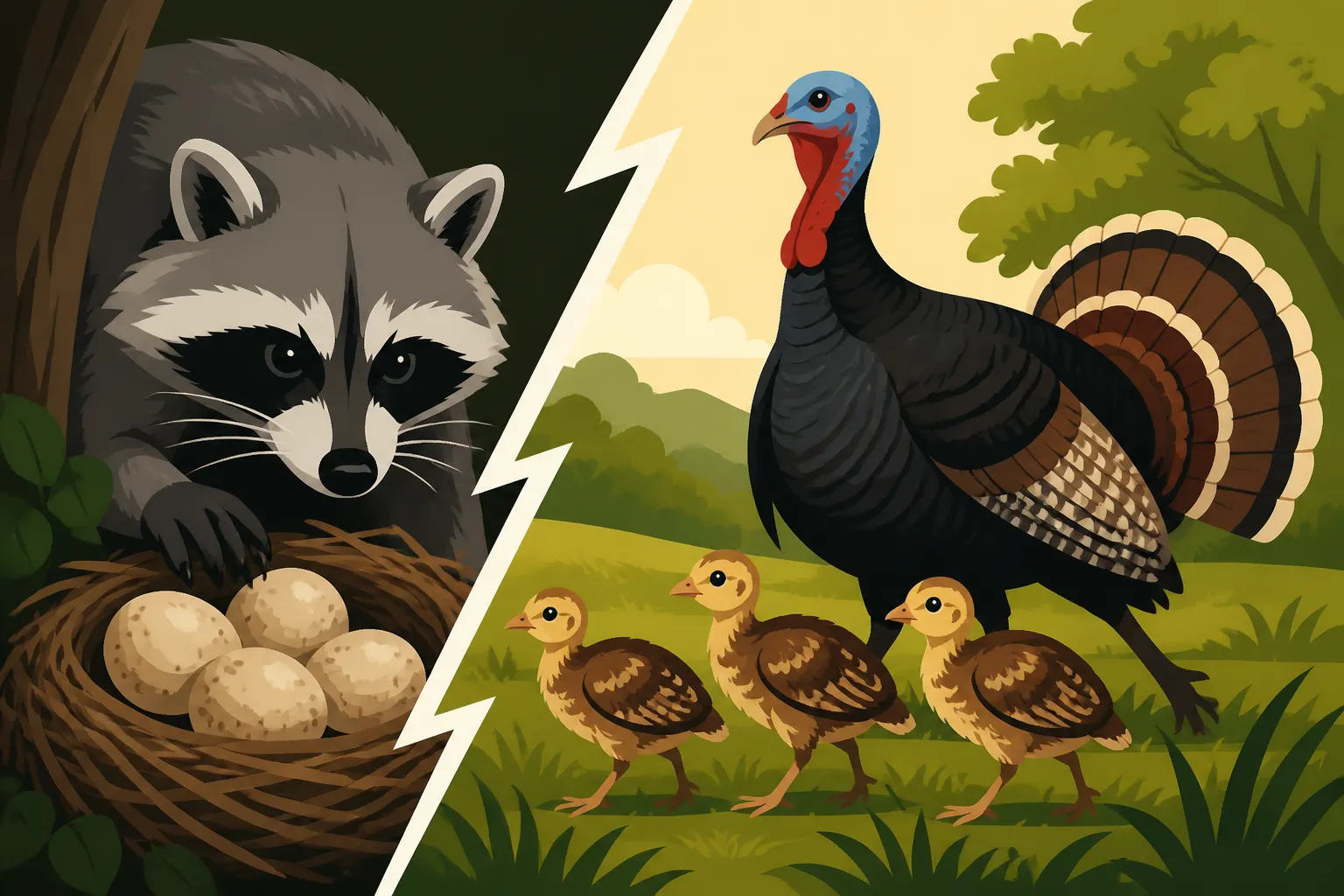
When we talk about nest predation, mammals are often the first animals that come to mind, and for good reason. Raccoons are notorious egg thieves. Their keen sense of smell, dextrous paws, and opportunistic nature make them highly effective at finding and raiding turkey nests. They're widespread across Missouri, from rural timber blocks to suburban fringes, constantly on the prowl for an easy meal. Opossums, while perhaps not as efficient, are equally opportunistic and will readily consume eggs or even vulnerable poults. Skunks are another common culprit, often digging into nests or preying on eggs. Then there are the larger predators like coyotes and foxes. While they might occasionally raid a nest, their primary threat is often to the incubating hen herself or to young poults. A hen caught on the nest by a coyote means the loss of the entire clutch and a valuable breeding bird. This highlights a broader issue explored in Coyotes and Bobcats on Farm Country, where generalist predators thrive in many landscapes.
Avian and Reptilian Threats
It's not just furry critters that pose a threat. Some birds, like crows and jays, are known nest predators. They're intelligent, have excellent eyesight, and often work in groups, making them particularly effective at locating and raiding nests, especially those with less cover. They’ll often swoop in when a hen is off the nest or has been spooked. Snakes, especially larger species like black rat snakes and timber rattlesnakes (though the latter is less common in many areas and less likely to actively seek nests than ambush small prey), will also consume turkey eggs. They follow scent trails and can slip into tight cover where a hen has nested. While their impact might be less dramatic than a raccoon raid that wipes out a whole clutch in one go, a snake consuming a few eggs here and there still adds up to a significant loss over time. The combination of these varied threats makes the hen's job incredibly difficult throughout the entire nesting and brooding period.
Here's a quick look at some of the common nest predators and their primary impact:
| Predator Type | Common Species in Missouri | Primary Threat to Turkeys | Impact on Clutch Success |
|---|---|---|---|
| Mammals | Raccoons, Opossums, Skunks, Coyotes | Egg consumption, predation on incubating hens, young poults | High |
| Avian | Crows, Jays, Hawks, Owls | Egg consumption, predation on poults | Moderate |
| Reptiles | Black Rat Snakes, Copperheads | Egg consumption, occasional poult predation | Moderate |
| Feral Animals | Feral Hogs, Domestic Cats/Dogs | Nest destruction, direct poult predation | Varies (can be high) |
The Impact of Nest Predation on Missouri Turkey Populations
The persistent threat of nest predation isn’t just an isolated tragedy for an individual hen; it has far-reaching consequences for the overall health and size of Missouri’s wild turkey population. Understanding this broader picture is vital for effective conservation and management strategies.
Reduced Hatch Success and Poult Survival
The most immediate and obvious impact of nest predation is a reduction in hatch success. Every nest destroyed means a clutch of potential poults is lost. When predation rates are high, the number of successful hatches plummets, directly leading to fewer young birds entering the population. Even if a hen successfully hatches her clutch, the danger doesn't end there. As discussed in Missouri Turkey Population Trends, poult survival rates are critical. Predators don't just target eggs; they also take a heavy toll on newly hatched poults. These tiny birds are extremely vulnerable to a host of predators, including raptors like hawks and owls, and ground predators like foxes and bobcats. If habitat isn't dense enough to provide ample cover for poults to hide and escape, their chances of survival dwindle significantly. This continuous pressure at both the egg and early poult stages creates a significant bottleneck in turkey recruitment.
Influencing Overall Population Dynamics
Over time, consistent high levels of nest predation can profoundly influence the overall population dynamics of wild turkeys in Missouri. If recruitment – the addition of new birds to the population – isn't keeping pace with natural mortality, the population will decline. This is why factors like Why Missouri Turkey Poult Survival Fell are so closely monitored by wildlife biologists. Low poult-to-hen ratios are a red flag, often indicating poor nesting success, high poult mortality, or a combination of both, with predation being a leading cause. When you have fewer young hens surviving to breed in subsequent years, and fewer young gobblers making it to maturity, the reproductive capacity of the entire flock is diminished. This can lead to downward spirals in local populations, impacting hunter opportunities and potentially requiring more restrictive hunting regulations. For hunters using resources like GoHunt, understanding these population trends can inform expectations for the season and guide scouting efforts.
Strategies to Mitigate Nest Predation
While predation is a natural part of the ecosystem, there are steps hunters and landowners can take to improve nesting success and poult survival for Missouri's wild turkeys. These strategies often revolve around habitat enhancement and, in some cases, careful management of predator populations.
Enhancing Nesting and Brooding Habitat
The single most effective way to help turkeys combat nest predation is through creating and maintaining high-quality habitat. Hens are more likely to successfully nest if they have abundant, diverse, and dense cover. Think about areas with a mix of tall grasses, brushy thickets, and early successional forest. These "edge habitats" where different cover types meet are goldmines for turkeys. Landowners can implement practices like prescribed burning (carefully timed outside of nesting season), disking, or selective timber harvest to create these conditions. Leaving buffer strips of undisturbed vegetation along fields and waterways also provides crucial cover. For poults, dense overhead cover, like broadleaf weeds or shrubby growth, is critical for hiding from avian predators, while open understory provides insects for food and allows them to move freely. A land management plan informed by scouting tools that GoHunt or similar platforms offer can help identify areas ripe for habitat improvements.
Strategic Predator Management
The idea of "predator control" is often controversial, but it's an important tool that, when applied strategically and ethically, can benefit ground-nesting birds like turkeys. This isn't about eradicating predators; it's about reducing their localized impact during critical nesting periods. Trapping nuisance furbearers like raccoons, opossums, and skunks in areas identified as crucial nesting grounds can provide a temporary reduction in predation pressure. This is often most effective when done just before or during the early nesting season. It's crucial that any predator management is done legally, following all Missouri regulations for Trapping Furbearers in Winter and other seasons, and with an understanding of the local ecosystem. Simply removing predators without improving habitat is often a short-term fix, as new predators will quickly move into suitable territory. A balanced approach combining habitat enhancement with targeted, ethical predator management offers the best chance for improving Missouri's Restored Wild Turkey Flock and boosting overall turkey numbers. Hunters and landowners can find valuable insights on such efforts through the resources like those provided by GoHunt.
Disclaimer
This article is for general informational purposes only and does not constitute professional advice. Laws, prices and regulations vary by location and change over time. Consult a qualified professional for guidance on your specific situation.