Deer Meat Yield From a Missouri Buck
You’ve put in the time, faced the fickle Missouri weather, made a good shot, and now your buck is down. That initial rush of adrenaline starts to fade, and a new, practical question often surfaces: how much actual meat am I really going to get from this deer? It’s a completely valid thought, especially after all the effort involved in scouting, hunting, and the demanding work of recovering an animal. Many hunters ponder this, sometimes with a touch of anxiety that the yield might not match the anticipation. This guide is here to demystify deer meat yield from a Missouri buck, helping you understand the myriad factors involved, what to realistically expect from various sizes of whitetails, and, crucially, how to maximize every delicious ounce for your freezer.
Understanding the Factors Influencing Deer Meat Yield
When you finally tag that Missouri buck, the journey from field to freezer involves several stages, each with its own impact on the ultimate amount of usable venison you’ll bring home. It’s not just about the size of the animal standing in front of you; a host of variables come into play, from genetics and diet to how quickly and efficiently you handle the animal after the shot. Ignoring these factors can lead to disappointing yields, or even worse, compromised meat quality.
Live Weight Versus Dressed Weight
It's a classic hunter's tale: you see a buck, and it looks absolutely massive, an undeniable trophy. You might even guess its weight while it's still alive, standing broadside in a clover plot. This "live weight" is the deer on the hoof, in its natural state, before any processing begins. It includes everything—the hide, the head, the lower legs, and, most significantly, all the internal organs.
However, once you get to the deer and begin the crucial process of Field Dressing and Cooling in Early-Season Heat, you're quickly reducing that live weight. "Dressed weight," also often called "field-dressed weight," refers to the deer after its entrails (stomach, intestines, etc.) have been removed. This is usually the first weight measurement a hunter might encounter if they have a portable scale or if they take their deer to a local processor who weighs it shortly after this initial step. On average, this field-dressing process reduces the deer's live weight by a significant margin, typically somewhere between 20-30%. So, a buck that you estimated at a robust 200 pounds live might now weigh in closer to 140-160 pounds after the gut pile is left behind. It’s a substantial reduction, and it's important to understand this initial drop as it sets the baseline for further yield calculations.
Boned-Out Meat Weight
Now, let's talk about the number that really matters to most of us: the "boned-out meat weight." This is the actual, usable amount of venison that will end up in your cooler and eventually your freezer. This figure is derived after the hide is removed, the head and lower legs are taken off, and all the bones, excessive fat, and silver skin have been meticulously trimmed away. It’s the pure muscle tissue, ready for grinding, slicing into steaks, or transforming into roasts.
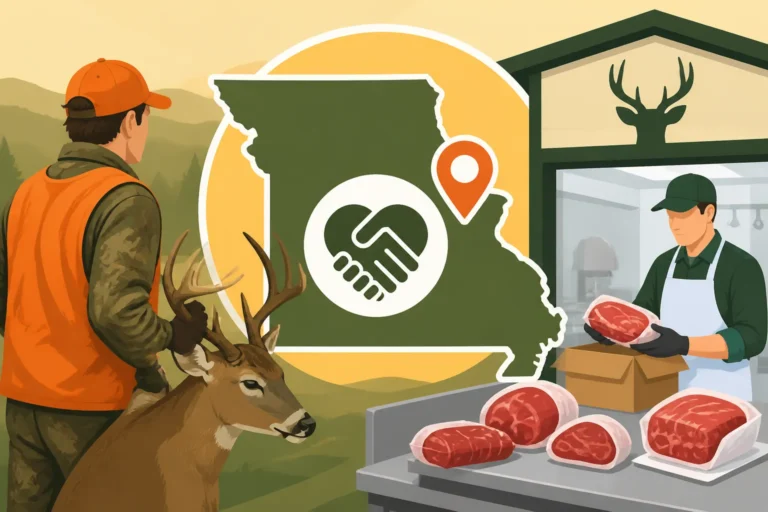
This stage represents the most significant reduction from the initial live weight. You'll typically find that the boned-out meat yield is roughly 50-70% of the dressed weight, or, to put it into context with the live weight, somewhere between 30-45% of the deer's original live weight. For instance, that 200-pound live weight buck, which dressed out at 150 pounds, might only yield 75-90 pounds of boned-out venison. This can sometimes be a bit of a reality check for hunters who visualize their freezer overflowing. The final yield is also heavily influenced by the skill of the butcher—whether that's you with knife in hand at Butchering a Deer at Missouri Deer Camp or a professional processor. Efficient boning, minimal waste around the joints, and careful trimming all contribute to maximizing those precious pounds of meat.
Age, Nutrition, and Genetics of the Buck
It's no secret that not all deer are created equal, and the individual characteristics of your Missouri buck play a huge role in its meat yield and quality. Take age, for instance. A sleek, young yearling, perhaps a spike or a fork-horn, often provides incredibly tender meat, almost melting in your mouth. The muscle fibers haven't had years to toughen up, making for delightful steaks and roasts. However, the downside is usually the sheer volume. While the quality is top-notch, you're just not going to fill your freezer with as many packages of venison as you would from a more mature animal. It's a prime choice if you're prioritizing tenderness and have a smaller family or just enjoy that specific texture, but don't expect to feed an army.
Conversely, those big, grizzled mature bucks—the ones that have survived several Missouri seasons and endured the rigors of multiple ruts—offer a substantial amount of meat. You might be dreaming of a freezer packed to the brim, and they certainly deliver on quantity. However, with age often comes a bit more toughness. Their muscles have worked harder, their bodies have taken a beating, and that can translate to a meat that requires a little more care in the kitchen. This isn't to say it's bad meat; far from it! It just means your approach to cooking might shift a bit, favoring slow-cooking methods like stews, roasts, or grinding more of it for delicious burgers and chili. The key is knowing what you have and adjusting your processing and cooking methods accordingly to unlock its full potential.
Beyond age, a deer's diet and genetics are paramount. A buck feasting on protein-rich agricultural crops in northern Missouri's fertile farmlands, say around counties like Nodaway or Livingston, will almost invariably have more muscle mass and internal fat than a deer scraping by on browse in the mineral-poor, rugged terrain of the Ozarks. This explains why we often hear tales of Why North Missouri Grows Bigger Bucks – it’s not just antler size, but overall body mass. Abundant, high-quality food means a healthier, heavier animal with more lean muscle development. Genetics also play a subtle but undeniable role, dictating the ultimate frame size and musculature potential of an individual deer, regardless of how much it eats. Some deer are simply built larger than others, and this inherent blueprint will always affect the potential meat yield.
Average Yield Expectations for Missouri Whitetails
Setting realistic expectations for your deer meat yield can save you from disappointment and help you plan your freezer space. It's easy to get caught up in the excitement of a big buck and envision hundreds of pounds of meat, but the reality, as we've discussed, is a bit more nuanced.
Realistic Ranges for Different Buck Sizes
Let's break down what you might realistically expect from various sizes of Missouri whitetails. These are general guidelines, of course, and individual factors can always push a deer slightly above or below these ranges. For a younger, smaller buck, perhaps a yearling weighing in at a live weight of 70-90 pounds, you're typically looking at a boned-out meat yield of roughly 25-35 pounds. This is a very lean, tender yield, perfect for quick meals, but not necessarily a huge volume.
Move up to what many would consider an average mature buck in Missouri, which might have a live weight of 150-180 pounds. From an animal of this size, after proper field dressing and boning, you can generally expect a solid 50-70 pounds of usable venison. This is often enough to keep a family fed with wild game for a good portion of the year, providing a mix of steaks, roasts, and plenty of ground meat. This type of yield is what many Missouri hunters aim for, providing a great balance of quantity and quality.
Then there are those truly large, older mature bucks that might push the scales past 200 pounds live weight, sometimes even into the 220-240+ pound range, especially in the agricultural belts of North Missouri. From one of these giants, you could be looking at an impressive 80-100+ pounds of boned-out meat. This is a substantial haul that will require ample freezer space and perhaps a few more creative recipes. While the tenderness might not be quite as uniform as a younger deer, the sheer volume makes it a prized harvest. It’s important to remember that these are estimations, and a buck’s overall health and build can always present surprises.
Regional Differences in Missouri
Missouri is a diverse state, and the deer population reflects that, with noticeable differences in body size and therefore meat yield from one region to another. It's a key consideration when you're scouting or even just setting your expectations for the season. The rich farmlands of northern Missouri, with their endless supplies of corn, soybeans, and other agricultural crops, are renowned for producing heavier deer. Bucks in these areas—think places like Daviess, Worth, or Harrison counties—often have access to a consistently high-protein, high-energy diet that allows them to pack on significant muscle mass and carry more fat reserves. This translates directly into higher live weights and, consequently, greater boned-out meat yields. A 180-pound buck from northern Missouri might not be uncommon and will certainly yield a generous amount of venison.
Conversely, the rugged, timbered landscape of the Missouri Ozarks, while offering incredible hunting experiences and beautiful scenery, tends to produce deer with leaner body masses. The diet in these southern counties, such as Taney, Shannon, or Carter, consists primarily of browse, acorns, and other natural forage, which is less calorie-dense than agricultural crops. While these deer are incredibly wild and resilient, they generally won't reach the same colossal live weights as their northern cousins. You might find a very mature Ozark buck dressing out at a weight that a yearling in the north might hit. The meat, however, is often praised for its incredibly lean and wild flavor, making it a favorite for many. When you're using resources like GoHunt to scout areas or assess potential hunting grounds, consider checking for any available data or community insights on regional deer quality, as this can give you a subtle hint about the general body size you might expect in a given area. Understanding these regional nuances helps calibrate your expectations for the meat yield you'll be bringing home.
Maximizing Your Meat Yield From Field to Freezer
Harvesting a deer is only half the battle; the real work of maximizing your meat yield and ensuring its quality begins the moment the animal is down. Every step, from the field to the final packaging, plays a critical role in how much delicious venison ends up on your plate. Skimping on these steps, especially early on, can lead to wasted meat or, worse, spoilage.
Proper Field Dressing and Cooling
This is, without a doubt, the most critical step in preserving your meat and maximizing your yield. The moment a deer is harvested, its internal body temperature begins to rise, providing a perfect environment for bacterial growth. This is especially true in Missouri's often warm early archery season or during a mild firearms opener. Rapid removal of the entrails, known as field dressing, is paramount. It immediately helps dissipate internal heat, preventing spoilage and off-flavors. You want to work quickly and cleanly. Having the right tools and knowing the process for Field Dressing a Deer in Warm Weather or Field Dressing and Cooling in Early-Season Heat are invaluable skills.
Once field-dressed, the goal is to get that carcass cooled down as quickly as possible. If temperatures are above 40 degrees Fahrenheit, you need to take proactive measures. This might involve packing the body cavity with ice, especially if you have a long retrieve or a drive ahead. For a deer harvested deep in a hollow, this can be extra challenging. Knowing how to efficiently quarter a deer in the field to get it off the mountain, even if you’re trying to navigate Getting a Deer Out of a Hollow Alone, can make all the difference. Get it to a cooler or a professional processor without delay. Skipping or rushing this crucial cooling step can quickly degrade meat quality, leading to spoilage and a significant reduction in usable yield, not to mention a less enjoyable eating experience. Think of it this way: all that hard work up to the shot can be undone in a few hours of improper meat care.
Smart Butchering and Trimming Techniques
Whether you're a seasoned DIY butcher or you rely on the expertise of a local professional, the way the deer is broken down profoundly impacts your final meat yield. When Butchering a Deer at Missouri Deer Camp, the goal is efficiency and minimal waste. This means carefully separating muscle groups, working close to the bone to remove as much meat as possible, and judiciously trimming away only what's necessary.
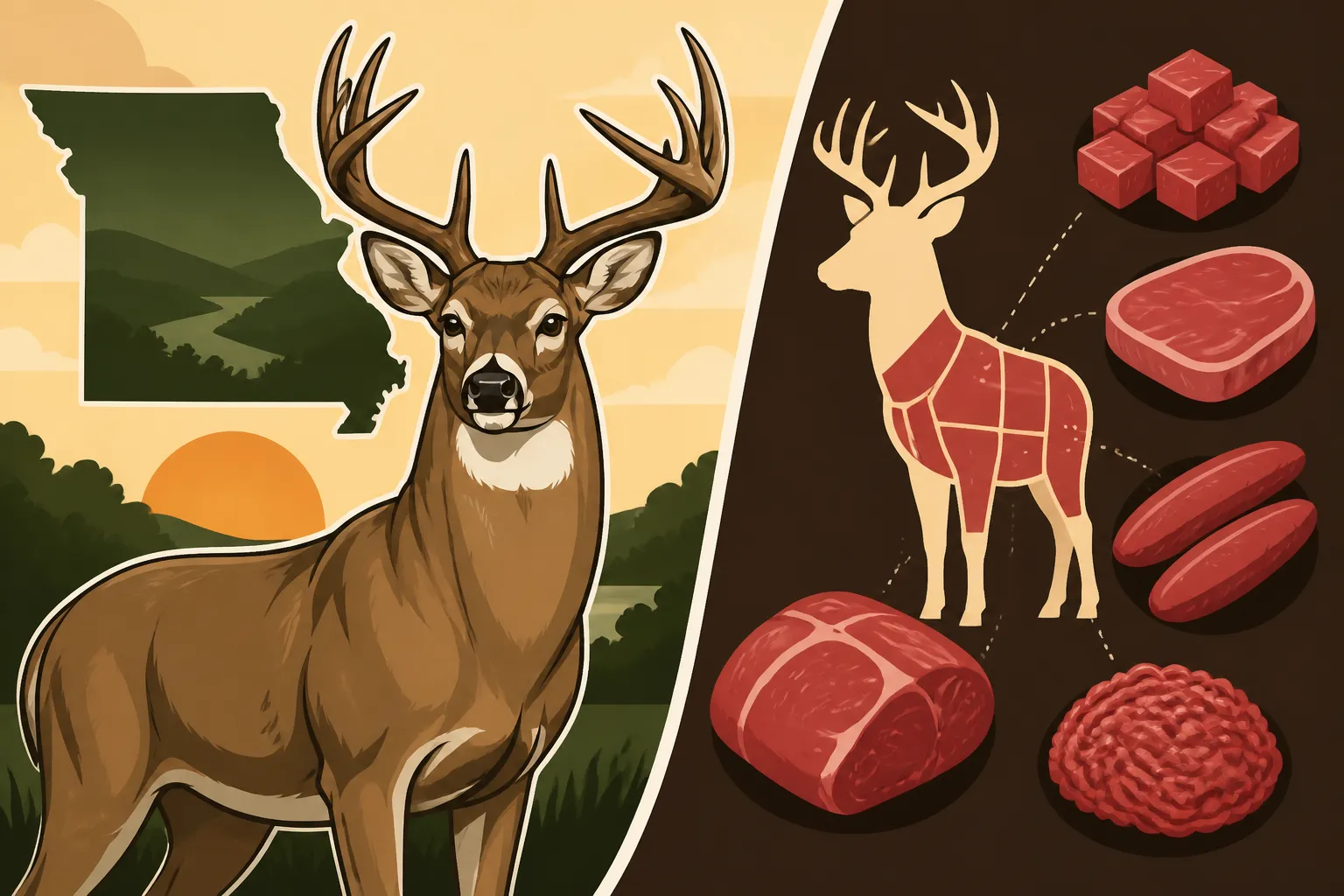
Unnecessary trimming of good muscle, leaving significant meat on bones, or failing to salvage smaller cuts can all reduce your overall yield. Decide what cuts you want: tenderloins (the most prized, often left whole), backstraps (which can be boned out or cut into bone-in chops if you wish), roasts from the hindquarters, and stew meat. The majority of your yield will often come in the form of ground venison, which utilizes smaller scraps, trimmings, and tougher cuts from the shoulders and neck. If you process it yourself, invest in good, sharp knives and take your time. If you use a processor, communicate your preferences clearly. Some processors are more aggressive with trimming fat and silver skin, which might result in a "cleaner" product but a slightly lower weight. Consider asking for all trimmings back if you plan to make your own jerky or sausage, which can add even more to your usable yield.
The Importance of Aging
While it might sound counterintuitive to "lose" a little weight to gain quality, aging venison is a practice that can dramatically enhance the eating experience and, by extension, the perceived "yield" of truly usable, enjoyable meat. Aging involves hanging a properly field-dressed deer carcass in a controlled environment, typically between 35-40 degrees Fahrenheit, for a period of several days up to a week or more. During this time, natural enzymes in the meat begin to break down muscle fibers, which tenderizes the meat. It also allows some moisture to evaporate, concentrating the flavor.
This process can result in a slight reduction in overall weight due to moisture loss, but the trade-off is often worth it. An un-aged deer, especially an older buck, can be notably tougher. By aging it, you transform that potentially chewy meat into something much more palatable and tender, making more of the animal genuinely enjoyable to eat. It's a crucial step that demonstrates respect for the animal and optimizes the culinary outcome. If you have access to a cool, clean space, or if your processor offers aging services, it’s a highly recommended step to get the Best-Eating Game in Missouri possible. Think of it as an investment in flavor and tenderness, ensuring that every pound of that hard-earned venison is a pleasure to consume, as outlined in guides like Aging Venison Before Cutting.
Hypothetical Buck Breakdown and Yield Table
To truly bring this concept home, let's walk through a common scenario and then provide a clear comparison table to help you visualize potential yields from different sizes of Missouri bucks. Understanding these numbers can help you better appreciate the value of your harvest and manage your freezer space.
Scenario: "The 180-Pound North Missouri Buck"
Imagine you've successfully tagged a solid 8-point buck in Daviess County, one of those prime northern Missouri locations known for abundant agriculture and healthy deer herds. You and your buddy, after a strenuous but rewarding retrieve, manage to get the buck to a convenient spot and field dress him. Based on his stature and healthy body, you estimate his live weight to be around 180 pounds. This is a common and respectable size for a mature buck in that region.
After field dressing, removing the entrails and other non-meat components, you might observe a weight reduction of approximately 25%. So, your 180-pound live weight buck now has a field-dressed weight of roughly 135 pounds. This is the weight most people will use for initial estimates or if they take it to a processor who only weighs the dressed carcass. The next step, whether you're breaking him down at home or sending him to a butcher, is the boning and trimming process. If we assume a conservative boned-out meat yield of about 60% of the dressed weight (accounting for hide, head, lower legs, bones, and careful trimming), you'd be looking at approximately 81 pounds of pure, usable venison for your freezer. That's a fantastic haul! This yield would likely break down into several pounds of tenderloin, a good set of backstraps perfect for steaks, multiple roasts from the hindquarters, some stew meat, and a significant portion—perhaps 30-40 pounds—of high-quality ground venison. Tools like GoHunt can often provide insights into regional deer sizes, giving you an idea of what to anticipate before you even head into the woods, complementing your understanding of Missouri Deer Harvest Records for that area.
Meat Yield Comparison Table
To give you a clearer picture, here's a table comparing estimated yields across different buck sizes typical of Missouri's diverse landscapes. Remember, these are averages and can vary based on the specific deer, its condition, and processing methods.
| Buck Size Category | Estimated Live Weight (lbs) | Estimated Dressed Weight (lbs) | Estimated Boned-Out Meat Yield (lbs) | Typical Cuts (Examples) |
|---|---|---|---|---|
| Young Yearling | 70-90 | 50-65 | 25-35 | Ground, stew, small roasts |
| Average Mature | 150-180 | 110-135 | 50-70 | Steaks, roasts, ground, tenderloins |
| Large Mature | 200-240+ | 150-180+ | 75-95+ | Steaks, roasts, plenty of ground, tenderloins |
Understanding these numbers can really help you appreciate the true value of your harvest. Whether you're Hunting Missouri Ridge Saddles and Benches in the Ozarks or chasing deer in the crop fields of North Missouri, every deer harvested represents a significant amount of lean, organic protein. The effort you put into the hunt is matched by the reward in your freezer, a reward that is a direct result of proper care and processing. So, the next time you connect with a Missouri buck, you’ll have a clearer idea of what to expect and how to ensure you make the absolute most of it. Knowing these details can truly enhance your appreciation for the entire hunting process and the delicious meals that follow.
Disclaimer
This article is for general informational purposes only and does not constitute professional advice. Laws, prices and regulations vary by location and change over time. Consult a qualified professional for guidance on your specific situation.