Covey Counts and What They Show
It's frustrating when you're gearing up for quail season in Missouri, full of hope, only to wonder, "Are there even any birds out there this year?" We all want to know what the season might hold, but without a crystal ball, trying to gauge quail populations can feel like a shot in the dark. This guide is all about peeling back the curtain on covey counts, explaining what they are, how they work, and most importantly, what those numbers really tell you about the bobwhite quail outlook in the Show-Me State.
Understanding Covey Counts: More Than Just a Number
When we talk about hunting, especially for birds like bobwhite quail, we're always trying to get a feel for the population. It's not just about the thrill of the hunt; it's about the expectation, the planning, and honestly, managing the inevitable disappointment if the birds just aren't there. That's where covey counts come into play, offering a glimpse into the health of our quail populations.
What Exactly is a Covey Count?
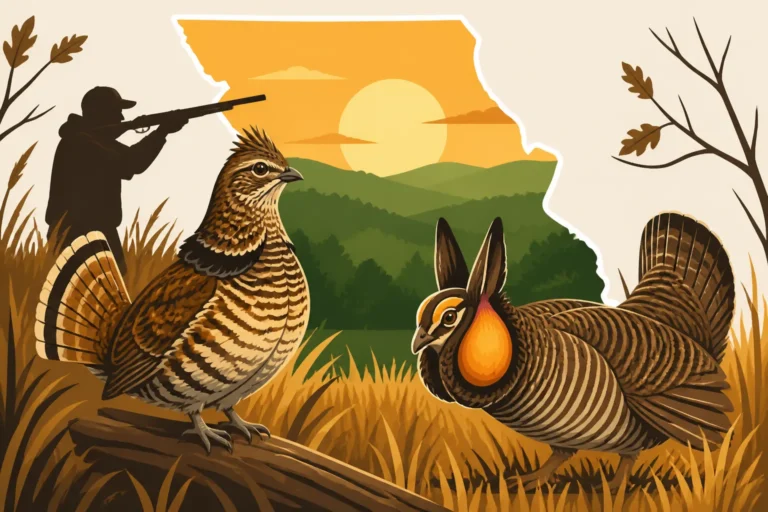
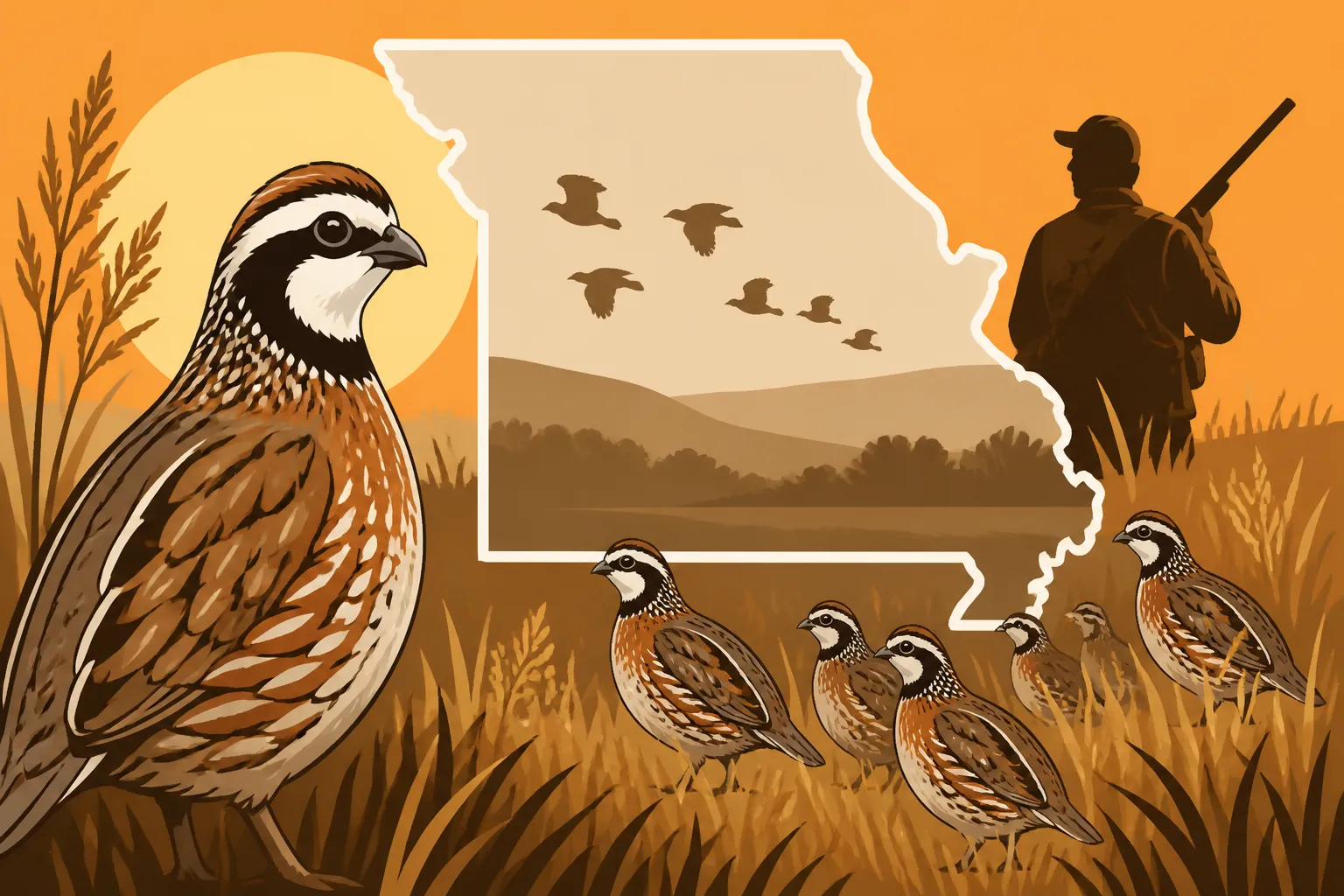
At its heart, a covey count is an attempt to estimate the number of quail coveys (groups of birds) in a given area. For dedicated quail hunters, the sound of a bobwhite whistle echoing across a field on a crisp autumn morning is pure music. Covey counts try to quantify that music. It’s not about counting individual birds, which would be nearly impossible, but rather determining how many distinct groups of quail are occupying a specific landscape. This might involve setting up listening stations along established routes, where biologists (or sometimes trained volunteers) record every quail call they hear at dawn or dusk. It can also involve visual surveys, though these are less common for quail due to their secretive nature, or even dog work across set transects to flush and count coveys.
Hunters, myself included, are inherently interested in these numbers because they directly impact our success and enjoyment in the field. There's nothing quite like the explosive flush of a covey, but if you spend all day walking prime cover without hearing a peep, it starts to wear on you. These counts give us a benchmark, a way to understand if the conditions—be it weather, habitat, or other factors—have been favorable for a strong hatch and survival. It helps us manage our expectations and decide if a long drive to a favorite hunting spot will likely be worth the effort.
The Science Behind the Surveys
The Missouri Department of Conservation (MDC) is a key player in conducting these surveys, utilizing scientific methodologies to ensure the data is as reliable as possible. They aren't just driving around listening; there's a standardized approach. Typically, these surveys are conducted over specific routes, often roadside, at precise times of day, like early morning, when quail are most vocal. The same routes are usually surveyed year after year, and the same protocols are followed, which is crucial for drawing meaningful comparisons over time. Missouri quail has been a real concern over the years, and these consistent surveys are how we track those shifts.
There are different types of surveys, but for quail, call counts (listening for those distinctive "bob-white!" whistles) are very common. Biologists might stop at predetermined points along a route, listen for a set period, and record any quail they hear. The consistency in methodology – how long they listen, when they listen, where they listen – is paramount. Without it, comparing data from one year to the next or one region to another would be like comparing apples and oranges. It’s this scientific rigor that allows the MDC to publish annual reports that are genuinely informative for conservation efforts and, by extension, for hunters. These reports are often the first place many of us look when trying to get a pulse on the upcoming season.
Why Covey Counts Matter to Hunters
For hunters, covey counts are a vital piece of the puzzle when planning a season. They offer a general forecast, helping to set realistic expectations for what you might encounter afield. Imagine planning a trip to a specific area of Missouri only to find out the covey counts for that region were significantly down after a particularly harsh winter or a very wet spring that impacted nesting success. Knowing this beforehand allows you to adjust your plans, perhaps focusing your efforts on another region with more favorable reports.
Conversely, a strong covey count report can be incredibly encouraging. It might push you to revisit a spot you haven't hunted in years or to explore a new What a Quail Restoration Landscape Is that shows promising numbers. While the counts don't tell you exactly where each covey is hiding, they indicate the overall health and density of the population. This information helps hunters strategize, identifying general regions or habitat types that might hold more birds. It's about being an informed hunter, not just blindly walking through cover hoping for the best. A resource like GoHunt, for instance, might integrate this kind of public data with mapping tools, allowing you to visualize potential hot spots that align with official reports, making your pre-season scouting much more efficient.
Interpreting the Data: What Highs and Lows Mean
Understanding that a covey count is up or down is one thing, but knowing why is another entirely. The numbers aren't just random; they reflect a complex interplay of environmental factors that dictate the survival and reproductive success of our quail.
What Drives Fluctuations in Covey Counts?
Quail populations are incredibly sensitive to environmental conditions, and covey count fluctuations are often a direct reflection of these influences. One of the biggest drivers is weather. A cold, wet spring can decimate a quail hatch, as young chicks are particularly vulnerable to hypothermia and a lack of insects for food. On the flip side, prolonged drought can also be detrimental, reducing critical cover and food sources, and even affecting water availability. We’ve seen in the past how Why Missouri Quail Numbers Fell due to a combination of factors, with weather being a significant player alongside Habitat Loss and Missouri Quail.
Beyond weather, habitat quality is paramount. A healthy landscape with a mosaic of native grasses, brushy cover, and food plots provides the necessary conditions for quail to thrive. Areas with poor habitat – dense fescue fields, monoculture crops, or overly manicured landscapes – simply won't hold many birds, regardless of the weather. Predation also plays a role, with increased numbers of raccoons, skunks, and even raptors impacting nests and young birds. Diseases, though less commonly cited, can also contribute to localized declines. It’s rarely one single factor but rather a combination of these elements that leads to the peaks and valleys in our annual covey count reports.
Local Versus Regional Trends
It’s crucial to remember that statewide or even regional covey count numbers are broad strokes. While they give you a general idea, they don't necessarily reflect the situation on a specific farm or even a particular conservation area. You might have a great year on your favorite piece of ground, even if the regional report shows a slight decline, simply because that specific spot has excellent habitat and favorable microclimates. Conversely, an area could underperform even in a good year if local conditions like recent timber work or a specific predator issue have impacted it.
This is where local knowledge and on-the-ground scouting become invaluable. The MDC might report strong numbers for northwest Missouri, but that doesn't mean every square acre there is teeming with birds. Within those broader regions, specific counties or even sections of counties will perform better than others. For example, some years, Northern and Western Missouri Quail Range might show strong overall numbers, but hunters focusing on Finding Coveys on a Restoration Landscape within that region will likely have better success than those just randomly picking a spot. Websites or apps like GoHunt can help you overlay public land boundaries and habitat types, allowing you to combine regional data with specific geographical features.
The Role of Habitat in Quail Recovery
It cannot be overstated: habitat is the absolute bedrock of quail populations. Covey counts are, in many ways, a report card on our habitat. When numbers are strong, it's often because conditions have been ideal for nesting, brood-rearing, and survival, and that starts with good cover, food, and water. When numbers are low, habitat degradation is frequently a root cause, making birds more vulnerable to weather extremes and predation.
Missouri has a long history of dedicated efforts towards quail habitat restoration. Programs that encourage landowners to plant native grasses, establish shrubby hedgerows, and manage timber for early successional growth directly benefit quail. These efforts create the crucial escape cover, nesting sites, and insect-rich environments that young quail need. When you see strong covey counts, it's often a testament to these conservation programs and the diligent work of private landowners and the MDC. Hunters often find the most consistent action in areas where this kind of habitat work is ongoing, as healthy habitat provides a buffer against the natural fluctuations in weather and other pressures.
Here's a quick look at factors that commonly influence covey counts:
| Factor | Positive Impact on Counts | Negative Impact on Counts |
|---|---|---|
| Spring Weather | Mild, dry nesting season, abundant insects | Cold, wet, prolonged rains during hatch, late freezes |
| Summer Weather | Moderate temperatures, timely rains | Severe drought, extreme heat, heavy flooding |
| Habitat Quality | Diverse native grasses, brushy cover, food plots, open timber | Monoculture crops, dense fescue, lack of escape cover, overgrazing |
| Predation | Balanced predator-prey ratios | High populations of mesopredators (raccoons, opossums) |
| Disease | Healthy, robust population | Outbreaks of specific quail diseases or parasites |
| Human Impact | Habitat restoration, prescribed burns, selective logging | Habitat destruction, urban sprawl, intensive agriculture |
How Hunters Can Use Covey Count Information
Knowing what covey counts are and what influences them is just the first step. The real trick is translating that data into actionable strategies for your hunting season. After all, the goal is to put birds in the bag, right?
Planning Your Hunt: From Statewide to Specific Spots
Covey counts provide an excellent starting point for regional planning. If the statewide report indicates a particularly good year in, say, the northern part of Missouri, that might be your cue to focus your pre-season scouting efforts there. You wouldn't just blindly drive into any field, of course, but it helps narrow down the vastness of the state. Within those high-count regions, you'll then want to look for specific habitat features that quail favor, such as diverse native grass plantings, fencerows, timbered draws, and old field edges. Working Field Edges and Draws for Quail can be incredibly productive spots, especially if located in an area with good overall population numbers.
This strategic approach helps you avoid wasting precious hunting time in areas with historically low populations or those that had a bad year. It allows you to set more realistic expectations for your efforts, whether you're planning on Walking Missouri Quail Cover With a Dog or trying a still-hunting approach. For instance, if you see consistent good numbers coming out of the Loess Hills region near the Missouri River, you might start digging deeper into specific public lands or seeking private land access in that general vicinity. It’s about stacking the odds in your favor, even if just by a small margin.
Contributing to Conservation Through Observation
Hunters are often the first line of defense for wildlife, and our observations in the field are incredibly valuable. While the MDC conducts formal surveys, our informal "covey counts" during a day's hunt provide real-time, ground-level intelligence. Noticing a strong hatch, or conversely, a noticeable absence of birds, in an area where you usually find them, can be important information. While you might not be formally collecting data, sharing your observations with local conservation agents or through online forums can subtly contribute to a broader understanding of population health.
Many state agencies appreciate hunter reports, sometimes even providing specific platforms for submitting observations. This kind of citizen science helps paint a more complete picture, especially for localized trends that might not be captured by broad roadside surveys. Understanding that your passion for chasing bobwhites also makes you an integral part of their conservation story can add another layer of satisfaction to your hunts. Every flush, every whistle, and even every empty walk contributes to your personal understanding and, potentially, to the collective knowledge base.
Combining Counts with Personal Scouting
While covey count reports are invaluable, they are never the whole story. Think of them as a useful map, not the treasure itself. They point you in the right direction, but you still have to follow the trail. The irreplaceable value of boots-on-the-ground scouting cannot be overstated. Once you've identified a promising region based on covey counts, it's time to hit the field, ideally before the season opens, to verify habitat conditions and look for fresh sign.
This might involve walking prospective areas, looking for dusting bowls, scat, or even shed feathers. You can use mapping tools, perhaps even those found on a platform like GoHunt, to identify promising habitat features like field edges, plum thickets, or old fallow fields from an aerial perspective. Then, you confirm these assumptions by walking the terrain. A high covey count report in a county is exciting, but finding that specific patch of briars bordering a native grass field with an active dusting bowl is what turns potential into a solid hunting plan. It's the synthesis of scientific data and your own woodsmanship that truly makes for a successful season.
Limitations and Nuances of Covey Counts
As much as we rely on covey counts for guidance, it's important to approach them with a dose of realism. Like any data set, they have their limitations and can sometimes paint an incomplete picture if not understood properly.
What Covey Counts Don't Tell You
Covey counts are fantastic for population trends and general density, but they don't offer a GPS coordinate for every covey. They won't tell you the exact location of birds on a particular property, nor do they tell you about the health of individual birds or coveys. A high count doesn't necessarily mean every covey is robust and thriving; it just means more coveys were detected. They also don't directly account for hunter pressure. An area might have strong covey counts, but if it's heavily hunted, those birds might become exceptionally wary very quickly, making for tougher hunting despite the numbers.
Furthermore, a "covey" can vary significantly in size. One area might have many small coveys of 6-8 birds, while another might have fewer, larger coveys of 15-20 birds. The count simply reports the number of coveys, not the aggregate number of birds. This is a nuance that can sometimes lead to misinterpretations. For hunters focused on Covey Rise Shooting Discipline, the number of birds flushing from a covey is just as important as the number of coveys found. This underscores why personal experience and scouting remain so vital.
The Impact of Weather on Counting Accuracy
The weather conditions during the actual survey period can significantly influence the accuracy of covey counts. Quail are most vocal during calm, clear mornings. If the survey day is windy, rainy, or exceptionally cold, quail calls might be suppressed or simply harder to hear, potentially leading to an artificially low count. Imagine trying to hear a quiet whistle across a field when a strong breeze is rustling through the trees! Conversely, an unusually quiet period with perfect conditions might lead to a slightly inflated sense of population.
Biologists understand these variables and try to conduct surveys under optimal conditions, but nature doesn't always cooperate. This means that a slight dip or increase in numbers from one year to the next might be partly attributed to less-than-ideal survey conditions rather than a true population change. It's another reason why looking at trends over several years is often more informative than fixating on a single year's anomaly. This applies not just to quail but to other small game like Missouri Small Game and Rabbits where vocalizations or visibility are key to population estimates.
Evolution of Survey Methods
Wildlife management is a dynamic field, and survey methods are continuously refined and improved. Historically, much of the data was collected manually, with biologists driving routes and hand-recording observations. While this still forms the backbone of many surveys, advancements in technology are beginning to play a larger role. GPS-enabled devices ensure greater consistency in routes, and digital recording tools can help analyze call patterns more effectively.
There’s also an increasing interest in utilizing remote sensing, acoustic monitoring devices, and even advanced statistical modeling to get more precise and less labor-intensive population estimates. These evolving methods aim to reduce human error and weather-related biases, providing an even clearer picture of game populations. As hunters, staying informed about these advancements, perhaps through resources like the MDC's annual reports or articles from publications discussing the latest in wildlife research, can deepen our understanding of the animals we pursue and the landscapes they inhabit. It’s an exciting time to be involved in Missouri hunting, with more data and tools available than ever before.
Disclaimer
This article is for general informational purposes only and does not constitute professional advice. Laws, prices and regulations vary by location and change over time. Consult a qualified professional for guidance on your specific situation.