Covey Rise Shooting Discipline
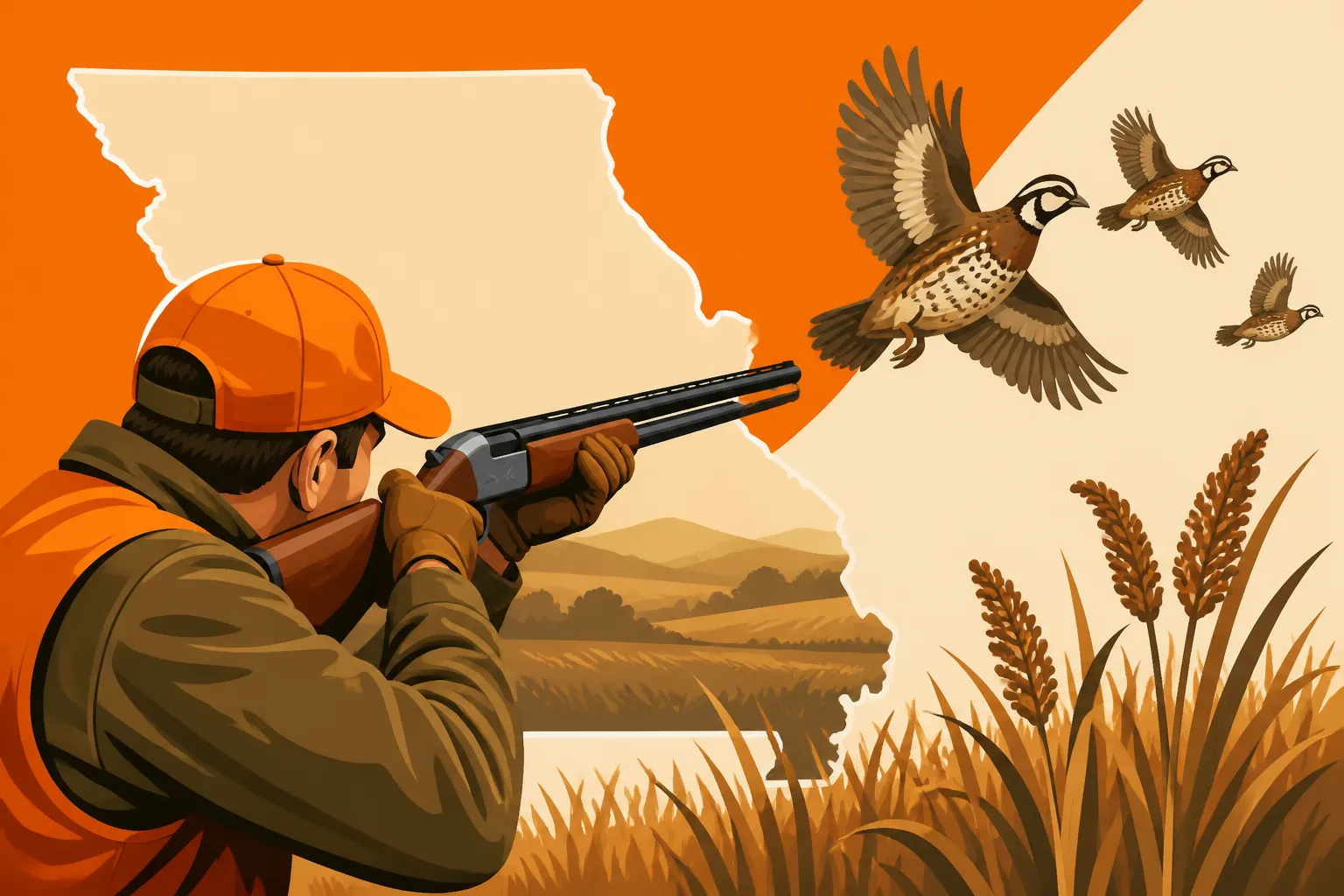
There's nothing quite like the heart-stopping adrenaline dump of a bobwhite quail covey erupting at your feet. One second, you're peacefully walking through a Missouri fencerow with your dog, and the next, it's a tornado of whirring wings and chirps, seemingly coming from every direction. In that split second, instinct takes over, and too often, that instinct leads to hurried, poorly aimed shots, leaving you with empty shells and a lingering sense of frustration as the birds disappear over the horizon. This guide is all about taming that chaos and developing the deliberate, disciplined approach needed to turn those covey rises into successful harvests here in Missouri.
Understanding the Chaos of a Missouri Covey Rise
Let's be honest, the covey rise is a moment of pure, unadulterated sensory overload. It's designed to disorient predators, and as hunters, we're definitely feeling that effect. Acknowledging this natural reaction is the first step toward overcoming it.
The Sudden Explosion of Feathers
Imagine this: You're slowly moving through a thick stand of switchgrass on a warm October afternoon, your Brittany locked on point, tail rigid. The tension builds, your heart pounds with anticipation, and then, BAM! Twenty or thirty brown rockets launch skyward, their wings beating a frantic symphony in your ears. Some peel right, some left, others fly straight away, climbing fast. Your eyes dart, your brain scrambles, and before you know it, you've shouldered your shotgun in a blur, maybe even pulled the trigger, only to watch the entire flock vanish, seemingly unharmed.
That's the sensory overload we're talking about. The sudden noise, the blur of movement, the sheer number of targets – it's enough to make even seasoned hunters flinch and rush. This phenomenon is particularly pronounced in the dense cover often found on Missouri Conservation Areas, where quail will hold tight until you're practically stepping on them. The challenge isn't just seeing a bird; it's selecting a single bird amidst the chaos and then executing a precise shot.
The Instinct to Shoot Early
Our primal hunting instinct tells us to shoot immediately. "They're getting away!" screams the little voice in your head. But here's the kicker: shooting too early is almost always a mistake in a covey rise. When the birds are bunched tight, still accelerating, and frankly, too close, you risk "flock shooting" – sending a pattern into the middle of the group without aiming at any specific bird. This rarely results in a clean kill and often leads to wounded birds that escape, creating an ethical dilemma and a missed opportunity.
Many Missouri hunters, especially those new to quail or returning after a long break, fall into this trap. They pull the trigger the instant the birds flush, even before the gun is fully mounted or their eyes have properly locked onto a target. The result? A missed shot, or worse, a crippled bird that flies off to suffer. We've all been there, feeling that pang of regret. Learning to resist that initial impulse, to let the chaos unfold for just a split second, is paramount. It allows the covey to spread slightly, giving you a clearer, safer shot at an individual bird.
Building Your Covey Rise Game Plan
Developing a clear mental strategy before the flush ever happens is crucial. It’s about having a pre-programmed response that overrides pure instinct.
Prioritizing Your Target
When those quail explode, your first disciplined thought shouldn't be "shoot!" It should be "pick one!" This is perhaps the most critical rule of covey rise shooting. Trying to shoot at the entire flock is a recipe for failure. Instead, identify a single bird and commit to it.
The best approach is often the "closest bird, cleanest shot" rule. As the covey disperses, one or two birds might present a better, less obstructed flight path. Focus on that individual. By picking one bird, your brain can then concentrate on lead, swing, and timing, rather than trying to process multiple moving targets. This isn't just about maximizing your chances; it's about ethical hunting. A well-aimed shot at one bird is far more likely to result in a clean kill than a scattershot approach. When you're Walking Missouri Quail Cover With a Dog, your canine partner has done the hard work of finding the covey; your job is to make the shot count on a single bird.
The "Count to One" Rule and Decisive Movement
This mental trick can be a game-changer. Instead of immediately shouldering your gun and pulling the trigger when the birds flush, force yourself to take a quick, silent count to "one" in your head. It sounds simple, but that tiny pause accomplishes several things:
- Calms the Nerves: It buys you a fraction of a second to control your adrenaline surge.
- Allows for Spread: The birds have a moment to separate from the tight knot they launched in, giving you a clearer shot at an individual.
- Facilitates Target Acquisition: That brief pause allows your eyes and brain to select that "closest, cleanest" bird.
- Enables Smooth Mount: It gives you the chance to mount your shotgun smoothly and decisively to your shoulder, rather than jerking it up haphazardly.
Once you've counted to one and picked your bird, then it's all about smooth, decisive movement. Bring the gun to your shoulder, cheek firmly on the stock, and swing through the bird. Don't stop your swing! Keep the barrel moving past the bird, pull the trigger, and continue the swing. This fluid motion is key to consistent lead. The right Shotgun Weight on a Long Walk can significantly contribute to how quickly and smoothly you can mount and swing your gun, ensuring you're not fighting an unwieldy firearm in that critical moment.
Mastering Your Shot Placement and Follow-Through
Hitting a fast-moving bird requires more than just pointing and shooting; it demands understanding lead and maintaining your focus through the entire shot sequence.
Consistent Lead and Follow-Through
Lead is the amount you shoot ahead of a moving target, anticipating its flight path. For quail, especially those crossing or quartering away, lead is everything. Imagine an invisible string connecting your barrel to the bird; your goal is to keep that string taught, allowing the bird to "fly into" your shot pattern.
Here's the rub: that lead isn't static. It changes with the bird's speed, distance, and angle. This is where practice comes in. For a straight-away rising bird, you might need minimal lead, just a bit above the bird as it climbs. For a hard-crossing bird, you'll need to swing through it and keep the muzzle moving well ahead. The key is to swing with the bird, accelerate past it, pull the trigger, and then continue to swing. This "follow-through" is what prevents you from stopping your gun as you shoot, a common mistake that causes shots to go behind the bird.
Your Choke Choice for Covey Rises also plays a significant role here. A more open choke like Skeet or Improved Cylinder will give you a wider, more forgiving pattern at close range, which is ideal for the rapid, close-quarters action of a covey rise. A tighter choke, like Modified or Full, might be too restrictive, making it harder to connect with the quick-flushing birds.
Calling Your Shot and Marking Birds
After you've pulled the trigger, immediately process what happened. Did the bird fall? Did it flinch? Did it fly away strong? This is "calling your shot." It's not about yelling at yourself, but rather a rapid mental assessment. If your target bird goes down, great! Immediately shift your focus. If it's a clean miss, or you saw a puff of feathers but the bird kept flying, quickly pick another bird from the remaining covey if the opportunity allows, or mentally mark where your original bird was last seen heading.
This discipline is incredibly important for several reasons. First, it allows for a quick second shot if another bird presents itself cleanly. Second, and crucially, it helps you and your dog find fallen birds. Quail are small and can disappear into cover the moment they hit the ground. Having a mental "X" on the landscape where you last saw the bird drop, or where it flew after a suspected hit, drastically improves retrieval rates. When you're Working Field Edges and Draws for Quail, you'll often have a landmark or horizon feature to help you mark. Utilizing tools like the GoHunt app can also be invaluable here, allowing you to quickly drop a pin on your map where a bird fell or was last seen, aiding in recovery later.
| Common Covey Rise Mistake | Consequence | Discipline Solution |
|---|---|---|
| Flock Shooting | Wounded birds, no clean kills | Pick one bird; closest and cleanest |
| Shooting Too Early | Missing, pattern not fully spread | "Count to One" before mounting |
| Stopping the Swing | Shooting behind the bird | Maintain swing after trigger pull |
| Not Marking the Bird | Lost game | Call your shot, mentally note fall location |
| Panicking | Poor form, rushed shots | Deep breath, focus on one target |
Practice and Preparation for Missouri Quail
Discipline isn't born in the field; it's forged through deliberate practice and thoughtful preparation.
Clay Target Practice with a Purpose
The shooting range isn't just for sighting in your deer rifle. It's the perfect place to hone your covey rise discipline. While you can't truly replicate the chaos of a live flush, you can get pretty close. Ask a friend to launch two or three clay pigeons simultaneously from different angles on a trap or skeet field. This simulates the spread and multiple targets you'll face.
Focus on:
- Rapid Target Acquisition: The moment the clays launch, pick one. Don't just swing vaguely at the cluster.
- Smooth Mount and Swing: Practice bringing the gun to your shoulder decisively but smoothly, acquiring your target, and swinging through it.
- Follow-Through: Even with clays, practice continuing your swing after the shot.
- Transitioning Targets: If you miss your first clay, can you quickly transition to a second?
- Knowing Your Loads: Experiment with your chosen Shot Size for Missouri Bobwhites and different Best Shotgun Gauge for Missouri Quail to see how they pattern.
This kind of purposeful practice builds muscle memory and confidence. It allows you to make mistakes and learn from them in a low-stakes environment, so when the real moment arrives, your disciplined reaction kicks in automatically. This also helps you understand how different variables like pellet size and choke choice affect your pattern, which can be critical for success, especially after you've looked at Covey Counts and What They Show and expect to be in a target-rich environment.
Mental Rehearsal and Field Readiness
Beyond the range, mental rehearsal is a powerful tool. Before you even step foot into the field, visualize a covey rise. See the birds explode, feel the adrenaline, but then calmly and deliberately go through your mental checklist: "Count to one, pick a bird, mount, swing, shoot, follow through, mark." The more you visualize success with discipline, the more likely you are to execute it when it counts.
Finally, ensure your gear is optimized. Is your shotgun clean and functioning properly? Are you carrying the right ammunition? Is your vest comfortable, and does it allow for full range of motion? Are your boots suitable for Walking Missouri Quail Restoration Landscapes, preventing fatigue that can affect your shooting? If you're hunting with a dog, have you checked its paws for potential cuts and have Bird Dog Boots and Cut Pads ready if needed?
Being physically and mentally prepared, with a clear, disciplined game plan for that electrifying covey rise, is what transforms those chaotic moments into memorable, successful hunts in the Missouri uplands.
Disclaimer
Hunting is an inherently dangerous activity. Always prioritize safety, follow all local and state regulations, and ensure you have proper training and permits before heading afield. The information provided here is for educational and entertainment purposes only and should not be considered a substitute for professional instruction or official hunting regulations.