Best Shotgun Gauge for Missouri Quail
For many Missouri quail hunters, the sound of a covey rise is pure magic – an explosive burst of feathers that demands an immediate, instinctive reaction. But with so many shotgun options out there, it's easy to second-guess whether your current gauge is truly the best companion for those fast-flying bobwhites, especially as you navigate everything from dense fencerows to open prairie. This guide is here to untangle that classic debate and help you choose the ideal shotgun gauge for success and enjoyment in Missouri's quail covers.
The Classic Debate: 12 Gauge vs. 20 Gauge for Quail
When you talk about shotgunning for upland birds, the conversation almost always starts with the venerable 12 gauge and the ever-popular 20 gauge. Both have passionate advocates, and for good reason—they are both incredibly effective. The key is understanding their nuances and how they fit into the specific demands of chasing Missouri bobwhites.
12 Gauge: Power and Pattern Density
The 12 gauge is, without a doubt, the king of versatility in the shotgun world. It's often the first gun many hunters own, capable of everything from deer slugs to turkey loads to heavy waterfowl shells. For quail, its primary advantage lies in its ability to throw a large volume of shot, creating a wide, dense pattern. This extra spread can be incredibly forgiving, especially on those surprise covey flushes where birds explode in multiple directions, or if your swing isn't absolutely perfect. You simply get more pellets in the air, increasing your chances of connecting.
Imagine you're walking a long, open field edge near a cut soybean field, perhaps on a blustery November day. The quail might hold tighter, but when they do flush, they might gain a little more distance before you can get on them. In this scenario, the wider, denser pattern of a 12 gauge can be a real asset, helping you reach out a bit further if necessary. Some hunters also prefer the 12 gauge when they might encounter other game like pheasants or even a late-season rabbit, making it a good all-around choice. However, the trade-off is often more weight, which can feel heavy after miles of walking through thick cover, and more recoil, which can lead to flinching if you're sensitive to it. If you're looking to compare various shotgun models and their patterning capabilities, resources like GoHunt can be invaluable for gathering information before you buy.
20 Gauge: Nimble, Light, and Lively
The 20 gauge has steadily grown in popularity, and for quail hunting in Missouri, it's often hailed as the perfect balance. Its biggest draw is its lighter weight and reduced recoil compared to a 12 gauge, which makes a huge difference when you're covering mile after mile of Walking Missouri Quail Restoration Landscapes. A lighter gun means less fatigue, allowing you to stay focused and alert for longer periods. That quick mount and swing needed for a flushing bobwhite becomes much more natural and less taxing with a nimble 20 gauge.
The 20 gauge still delivers plenty of pellets for quail, especially with modern loads and properly chosen chokes. While its pattern might not be as expansive as a 12 gauge, it's more than sufficient for the typical shooting distances for quail, which are often within 20-30 yards. Think about hunting those dense plum thickets or multiflora rose patches common in parts of Missouri; birds will flush close and fast. The quicker, more agile 20 gauge allows for a faster reaction time and smoother follow-through on those truly explosive, close-range flushes. The slightly less forgiving pattern might demand a touch more precision, but many hunters find the increased comfort and ease of carry well worth it. For more insights on this specific comparison, you might find our article 12 Gauge Versus 20 for Quail helpful.
Beyond the Big Two: Considering Smaller Gauges
While the 12 and 20 gauge dominate the field, there are two other gauges that occasionally enter the conversation for quail hunting in Missouri: the elegant 28 gauge and the challenging .410 bore. These aren't for everyone, but they offer unique experiences for those willing to embrace their specific characteristics.
The Elegant 28 Gauge: A Quail Hunter's Dream?
The 28 gauge is often described as the "gentleman's gauge" or the "sweet sixteen" of upland hunting, renowned for its surprisingly effective and consistent patterns despite its smaller shell size. It's a favorite among seasoned quail hunters who appreciate its extremely light weight and almost negligible recoil. Carrying a trim 28 gauge all day, especially when accompanied by a zealous bird dog that keeps you moving, is a true pleasure. The lack of harsh recoil also means you can maintain focus and shoot more comfortably throughout the day, which can translate to better shooting.
While 28 gauge shells hold fewer pellets than a 20 or 12 gauge, the quality of the pattern is often exceptional, laying down a very uniform and effective spread for quail-sized birds. The main downsides are typically ammunition availability and cost, which can be higher than the more common gauges. It's truly a gauge for the purist, or for someone who wants to minimize felt recoil without sacrificing much in effectiveness for typical quail shots. If you're confidently dropping birds within 25-30 yards, the 28 gauge is a delightful tool. When you're successful, remember the Missouri Quail Daily Bag Limit as you continue your hunt.
The Plucky .410 Bore: For the Purist or Specialist
The .410 bore is, without question, the most challenging gauge for quail hunting. It fires a very small amount of shot in a tight pattern, which demands exceptional shooting skill and a very precise lead. For this reason, it's generally not recommended for beginners or for hunters who want a more forgiving setup. However, for the ultimate purist or the highly experienced hunter looking for an extreme challenge, the .410 can offer an incredibly rewarding experience.
The advantages are its feather-light weight and almost non-existent recoil, making it effortless to carry and shoot. It's also sometimes chosen for youth hunters, though careful consideration must be given to ensuring they have the skill and discipline for such a demanding gauge, and that appropriate, low-recoil loads are used. Imagine a perfectly timed shot on a single quail flushing at 15 yards – with a .410, that's a true accomplishment. But for typical covey rises where birds are darting every which way, the .410's tight pattern and low pellet count can lead to frustration. If you're serious about taking on the .410 challenge, extensive practice on clays is an absolute must to truly understand its limitations and capabilities before hitting the Missouri covers.
Factors Beyond Gauge: Choke, Shot Size, and Fit
Choosing the right gauge is a fantastic starting point, but it's only one piece of the puzzle. To truly optimize your shotgun for Missouri quail, you need to consider how your choke, shot size, and even the fit of the gun itself all play critical roles in your success and enjoyment.
Choke Choice for Covey Rises and Singles
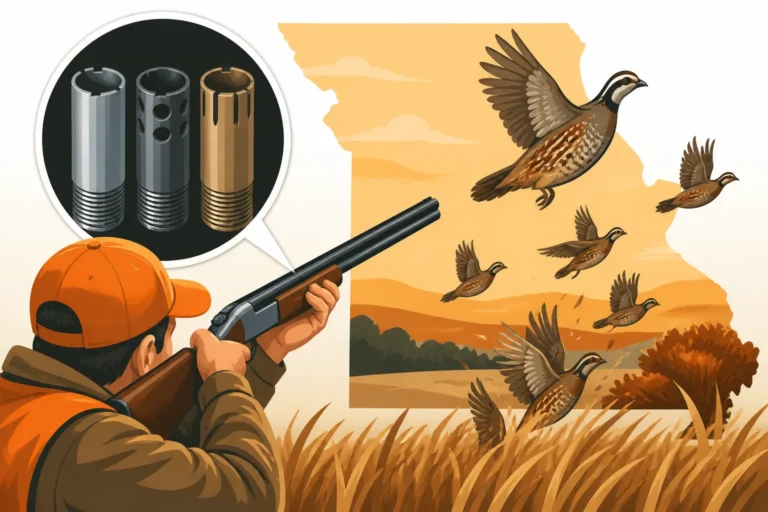
Choke is arguably more critical than gauge when it comes to patterning your shotgun for quail. A choke tube dictates how tightly or openly your shot pattern spreads as it leaves the barrel. For quail, which are often shot at relatively close ranges, an open choke is almost always preferred. The rapid, unpredictable nature of a covey rise means you need a pattern that expands quickly, giving you a wider margin for error on those fast-moving targets. An Improved Cylinder (IC) or even a Skeet (SK) choke is a common choice for the first shot, allowing for a broad pattern at 15-25 yards.
If you have an over-under or side-by-side shotgun, it's wise to run a more open choke in the first barrel (e.g., Skeet or IC) for the initial covey flush, and a slightly tighter choke in the second barrel (e.g., Light Modified or Modified) for any single birds that might fly a bit further or present a follow-up shot. With a pump or semi-automatic, you'll need to decide on a single choke that offers a good compromise. You can dive even deeper into this specific topic with our article Choke Choice for Covey Rises. Experimenting with different chokes and patterning your gun at the range is crucial to see how your specific setup performs with your chosen load.
Selecting the Right Shot Size
When it comes to quail, smaller shot sizes generally deliver superior results. The goal isn't massive knockdown power, but rather a dense pattern with enough pellets to ensure multiple hits for a clean kill. Shot sizes like 7.5, 8, or even 9 are the standard for bobwhites. While a 7.5 might be a good all-around choice for many upland hunters, especially if you anticipate slightly longer shots or mixed bags, size 8 shot often strikes the perfect balance for pure quail hunting.
Size 8 shot offers a significantly higher pellet count than 7.5s, ensuring a denser pattern, and each pellet carries more than enough energy to cleanly dispatch a quail at typical ranges. Size 9 shot provides an even greater pellet count, creating an incredibly dense pattern, though its effective range is slightly more limited due to the smaller individual pellet mass. It's truly a game of balancing pellet count with individual pellet energy, and for quail, the emphasis is on the former. If you want to really dig into ammunition choices and performance, resources like GoHunt can provide reviews and comparisons for specific brands and loads. We also have a dedicated article, Shot Size for Missouri Bobwhites, that might be of interest.
The Overlooked Importance of Gun Fit
This might sound like a minor detail, but a shotgun that fits you properly is paramount for instinctive shooting, especially on fast-flushing birds like quail. A well-fitting gun mounts smoothly to your shoulder, and your eye naturally aligns with the rib, allowing you to point the gun where you're looking without having to consciously adjust. If your gun doesn't fit, you'll find yourself struggling to get on target, leading to missed opportunities and increased frustration.
A shotgun that's too long or too short in the stock, or has an incorrect comb height, will either hang up on your clothing, feel awkward to swing, or cause you to lift your head off the stock to see the target. This all wastes precious fractions of a second when a quail erupts. While custom fitting can be expensive, many modern shotguns offer adjustable combs and length-of-pull spacers that can help you achieve a better fit. Investing time in practicing your gun mount and assessing how your gun feels can dramatically improve your shooting accuracy. Checking reviews on GoHunt can help you understand the adjustability and ergonomics of various shotgun models to find one that's likely to fit you well right off the rack.
Making Your Choice for Missouri Quail Hunting
Ultimately, the "best" shotgun gauge for Missouri quail is a personal decision, a blend of practical considerations, personal preference, and hunting style. There's no single right answer, but by weighing these factors, you can find the perfect fit for your time in the field.
Considering Your Hunting Style and Terrain
Think about how you typically hunt quail in Missouri. Are you spending long days Walking Missouri Quail Restoration Landscapes with a pointing dog, covering miles of diverse terrain? If so, a lighter 20 or 28 gauge will be a blessing by the end of the day. The reduced fatigue allows you to stay sharp and maintain a smooth swing when a covey finally bursts. If you primarily hunt smaller, more accessible patches of cover, or often sit on field edges, the extra weight of a 12 gauge might be less of a concern.
Your physical fitness and tolerance for recoil also play a role. If recoil sensitivity is an issue, moving to a 20 or even 28 gauge can make your hunting experience much more enjoyable, eliminating flinching and allowing for faster follow-up shots if needed. For newer hunters, starting with a 20 gauge can provide a good balance of forgiveness and manageability. For those who enjoy the added challenge and are confident in their shooting abilities, exploring the smaller gauges can offer a truly classic upland experience.
The Versatility Factor
It's also worth considering if your quail shotgun will pull double duty for other hunting pursuits. If you plan to use the same gun for pheasants, squirrels, or even the occasional turkey hunt, a 12 gauge offers the most versatility in terms of available ammunition and effective range for larger game. A 20 gauge is still quite versatile, capable of handling most upland birds and even lighter turkey loads, making it a popular choice for many hunters who pursue a variety of small game.
The 28 gauge and .410 are more specialized. While they excel at quail and doves, they typically aren't the first choice for larger or tougher game birds due to their limited shot capacity. If your hunting budget or space only allows for one shotgun, its versatility for other species you might pursue is a valid consideration.
To help visualize the differences, here's a quick comparison:
| Gauge | Weight (Relative) | Recoil (Relative) | Pellet Count (Typical Load, Size 8) | Forgiveness | Ideal Missouri Quail Use Case |
|---|---|---|---|---|---|
| 12 GA | Heavier | Moderate-High | ~410 pellets (1 1/8 oz) | High | Open fields, mixed upland bags, longer shots, versatile |
| 20 GA | Medium | Moderate | ~330 pellets (7/8 oz) | Medium | Dense cover, long walks, fast handling, excellent balance |
| 28 GA | Light | Low | ~290 pellets (3/4 oz) | Low-Medium | Experienced hunters, light carry, close shots, pure sporting |
| .410 | Very Light | Very Low | ~170 pellets (1/2 oz) | Very Low | Purists, specialists, extreme challenge, very close shots, youth |
No matter which gauge you ultimately choose, remember that proper patterning with your chosen load and choke is essential. Get to the range, shoot some clays, and gain confidence with your setup. Whether you opt for the classic power of a 12 gauge, the nimble grace of a 20, the elegance of a 28, or the challenge of a .410, the most important thing is enjoying your time in Missouri's beautiful quail country. Make sure you're equipped with the right Upland Vests and Quail Gear to make those long walks comfortable and productive.
Disclaimer
This article is for general informational purposes only and does not constitute professional advice. Laws, prices and regulations vary by location and change over time. Consult a qualified professional for guidance on your specific situation.