Missouri Quail Daily Bag Limit
There's nothing quite like the explosive flush of a covey of bobwhite quail, a sound that instantly snaps you into the moment, heart pounding, shotgun shouldered. But before you hit the fields and timber edges of Missouri, it's absolutely crucial to have a clear understanding of the rules, especially when it comes to how many birds you can actually take home. This guide aims to clear up any confusion around Missouri's quail daily bag limit, ensuring you're both successful and compliant with conservation efforts.
Deciphering Missouri's Quail Daily Bag Limit
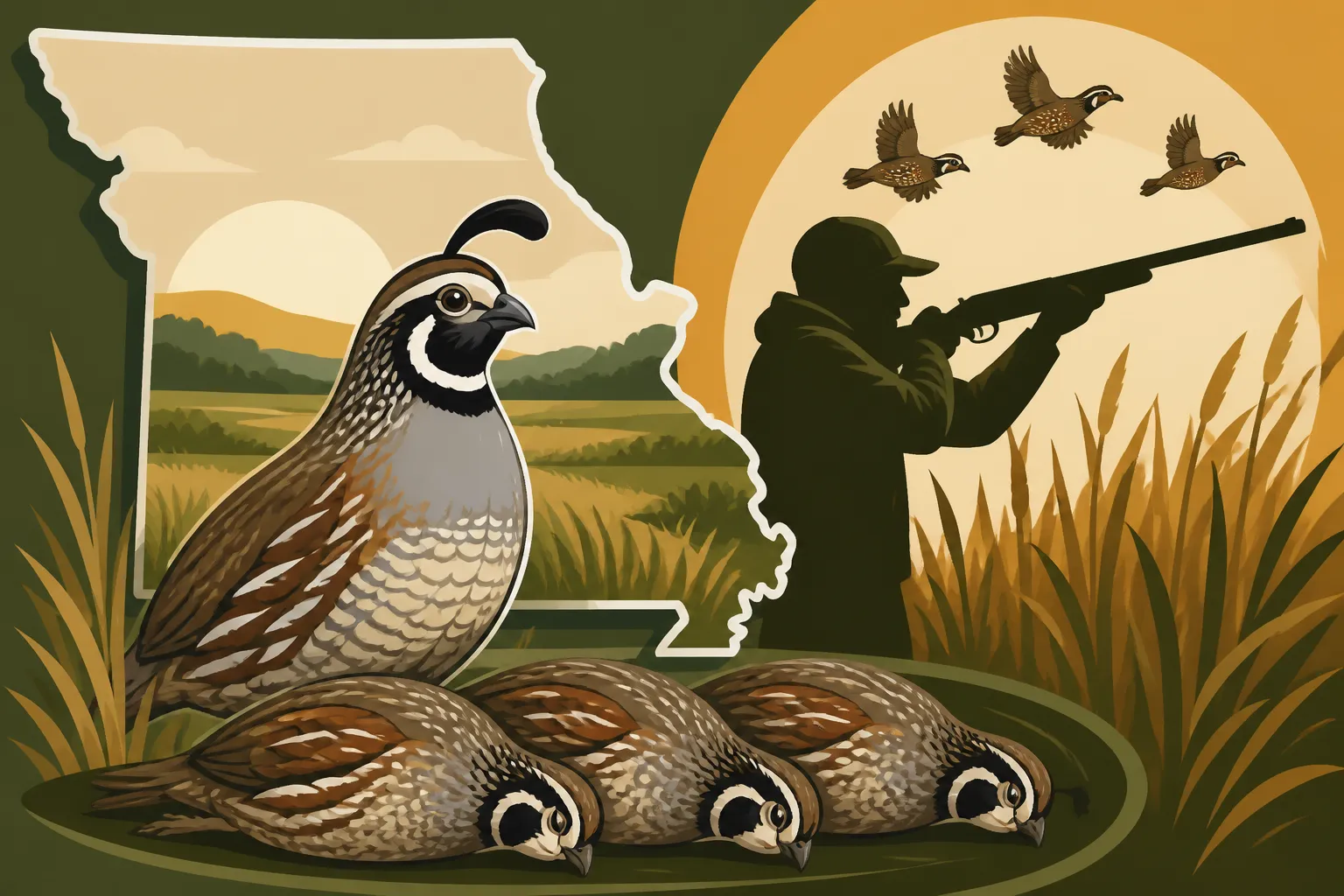
So, let's get right to it. For the average hunter pursuing northern bobwhite quail in Missouri, the daily bag limit is generally eight birds. This means that in any single calendar day, regardless of how many times you go out or where you hunt within the state, you cannot harvest more than eight quail. It's a pretty straightforward rule, but sometimes the implications of "daily" can trip people up.
Think of it this way: if you go out early morning and shoot five birds, then decide to go out again in the afternoon to a different spot, you can only harvest three more birds that day. Once you hit eight, your quail hunting for that day is done. It's not eight per conservation area, or eight per property—it's eight per hunter, per day, across the entire state. This limit is set by the Missouri Department of Conservation (MDC) as part of their strategy to manage populations and ensure sustainable hunting opportunities for everyone who enjoys this classic upland pursuit.
The Difference Between Daily and Possession Limits
While the daily bag limit is eight quail, there's also a possession limit to consider. The possession limit is twice the daily bag limit, meaning you can have up to sixteen quail in your possession at any given time. This includes birds that are in your cooler, your freezer at home, or anywhere else you've stored them from previous hunts.
The possession limit is designed to prevent stockpiling and encourages hunters to consume their harvest within a reasonable timeframe, or to share it. For example, if you hunt on a Saturday and take eight birds, and then hunt again on Sunday and take another eight, you've reached your possession limit of sixteen birds. You couldn't legally hunt for quail again until you've reduced your possession to below sixteen. This might mean cooking some up, giving some to friends or family, or processing them for long-term storage and noting them as consumed. It's about responsible stewardship of the resource and ensuring fairness for all hunters. Always double-check the current regulations, as the MDC occasionally makes adjustments based on population surveys and environmental factors.
Tagging and Transporting Your Quail
Unlike deer or turkey, you don't typically need to tag individual quail immediately upon harvest in Missouri. However, the rules surrounding transport are important. All harvested quail must be retained in a manner that allows positive species identification in the field, which means keeping at least one fully feathered wing attached to the bird while it's being transported from the field. This helps conservation agents confirm it is indeed a quail and not another species with different bag limits, or to verify the number of birds taken.
Once you get home and are preparing the birds for consumption or freezing, you can remove the wing. But until they are at your residence or being prepared for a meal, that wing should stay on. If you're traveling across state lines, be especially diligent about knowing the regulations of both Missouri and any states you might pass through, as rules can vary significantly. Sometimes, using a comprehensive outdoor mapping and regulatory app like GoHunt can be incredibly helpful for quickly referencing these specifics, even when you're out in the field and need to confirm a rule.
Understanding Missouri's Quail Season Structure
Knowing the daily bag limit is just one piece of the puzzle; you also need to know when you can actually hunt these elusive birds. Missouri's quail season has a specific opening and closing date, and these dates are consistent each year unless the MDC announces changes due to unforeseen circumstances or management needs.
Typically, the Missouri quail season opens in early to mid-November and runs through mid-January. These dates are chosen to coincide with cooler weather, which is better for bird dogs and hunters alike, and to avoid the critical nesting and brood-rearing periods in spring and summer. It also generally follows the peak of small game hunting season, allowing hunters to pursue multiple species if they choose.
Regular Season Dates
The traditional quail season in Missouri usually kicks off around November 1st and extends through January 15th of the following year. This long season offers ample opportunities for hunters to get out and enjoy the pursuit. However, weather can play a huge role during this period. Early season can be mild and pleasant, but by December and January, you can expect cold temperatures, snow, and ice, which present their own challenges and opportunities. Understanding the full range of Missouri Quail Season Dates is crucial for planning your trips.
For instance, hunting during a mild spell in November might mean less dense cover and easier walking for both you and your dogs. As the season progresses into late December and January, the cover often becomes more sparse, and coveys might be concentrated in thicker, more thermal-protective areas, requiring different hunting strategies. You might find yourself working Field Edges and Draws for Quail more thoroughly as natural food sources dwindle, pushing birds towards remaining cover and food.
Youth Hunting Opportunities
Missouri also has a dedicated youth hunting weekend for upland birds, which often includes quail. This youth-only portion typically occurs in late October, just before the regular season opens. It’s a fantastic opportunity for young hunters (usually those 15 years old and younger) to experience quail hunting with an adult mentor in a less pressured environment. During this youth portion, the daily bag limit and possession limits are generally the same as the regular season, but it's always best to verify specific dates and rules for the current year through the MDC's official channels.
These youth weekends are invaluable for introducing the next generation to the joys of the outdoors and teaching them ethical hunting practices from an early age. They get to experience the thrill of the flush and the satisfaction of a successful hunt, often making memories that last a lifetime.
Factors Affecting Missouri's Quail Populations and Limits
The reason Missouri has a daily bag limit for quail, and why those limits or seasons can sometimes change, directly relates to the health of the bobwhite quail population itself. Quail are a boom-and-bust species, meaning their numbers can fluctuate wildly from year to year based on a variety of environmental factors.
The Missouri Department of Conservation works tirelessly to monitor these populations through various surveys, covey counts, and habitat assessments. Their goal is to set limits that allow for recreational hunting while also ensuring the long-term sustainability of the species. It's a delicate balance, and understanding the factors at play can give you a greater appreciation for why these regulations exist.
Habitat Availability and Quality
This is, without a doubt, the single biggest factor affecting Missouri's Quail Numbers. Bobwhite quail need a specific type of habitat to thrive: a mosaic of native grasses, wildflowers, brushy cover, and scattered timber. This mix provides nesting cover, escape cover from predators, brooding cover for chicks, and a diverse food source. Unfortunately, across much of Missouri, this ideal habitat has diminished over decades due to changing agricultural practices, urban sprawl, and the suppression of natural disturbances like fire.
Modern farming, with its large monocultures of corn and soybeans, often leaves little suitable edge habitat. Fields are tilled right to the road or fencerow, removing the critical weeds, shrubs, and un-mowed grass that quail depend on. The decline in suitable habitat has been a major driver in the overall Missouri Bobwhite Population Trend. Conservation efforts, like those on specific Missouri Quail Restoration Landscapes, aim to reverse this trend by re-establishing native warm-season grasses and managing timber edges, creating pockets where quail can truly flourish.
Weather Patterns and Predator Pressure
Extreme weather events can have a devastating impact on quail populations. Cold, wet springs can lead to high mortality rates for newly hatched chicks, which are incredibly vulnerable. Severe droughts can reduce insect populations (a crucial food source for young quail) and impact the growth of protective cover. Harsh winters with deep, persistent snow can make it difficult for birds to find food and shelter, increasing their susceptibility to predation and starvation.
Predators are a natural part of the ecosystem, and a healthy quail population can usually withstand typical predator pressure. However, when habitat is poor, quail become more exposed and vulnerable. This can exacerbate declines, especially when combined with adverse weather. Coyotes, foxes, raccoons, opossums, and various birds of prey all consider quail a food source. It's a constant struggle for survival in the wild, and when conditions are tough, quail numbers reflect it.
MDC Management and Research Efforts
The MDC plays a critical role in managing Missouri's quail resource. They conduct ongoing research, monitor populations, and implement habitat restoration projects on public and private lands. They work with landowners through programs that incentivize creating and improving quail habitat, recognizing that much of Missouri's quail range is on private property. This proactive management is essential for giving quail a fighting chance.
For instance, MDC biologists use techniques like covey counts and brood surveys to estimate population health and predict the upcoming season's success. This data directly informs decisions about season lengths and bag limits. When you see a stable bag limit, it's often a testament to these ongoing efforts and a relatively good year for quail survival and reproduction. Using tools like the Missouri Conservation Atlas or an app like GoHunt can help you locate these managed areas or understand local regulations that might be in place due to specific management goals.
Practical Tips for Hunting Missouri Quail Within the Limit
Alright, so you know the rules – eight birds a day, sixteen in possession, and a specific season window. Now, let's talk about actually getting out there and making the most of your quail hunting experience while staying within those guidelines. Hunting bobwhite quail is a challenging but incredibly rewarding endeavor, often requiring a combination of preparation, persistence, and a little bit of luck.
Scouting and Finding Productive Cover
Successful quail hunting starts long before opening day. Good scouting is paramount, and it means looking for those prime habitat mosaics. Focus on areas with a mix of dense, brushy cover (like plum thickets, multiflora rose, or briar patches) adjacent to open native grasslands, crop field edges, or timbered draws. Quail need thermal cover, escape cover, and food, and they rarely stray far from all three.
Look for "edge" habitats where different cover types meet. These are often transition zones where quail find everything they need. Pay attention to fence rows, un-mowed field borders, and areas where timber gives way to open fields. These are often hotspots for coveys. Apps like GoHunt can be fantastic for this, allowing you to use aerial imagery to identify these distinct habitat types and plan your hunting routes on public lands or properties where you have permission. You can often see the distinct lines of cover that will hold birds. Don't forget to look for sign too: tracks in soft dirt, dusting bowls, and most importantly, quail droppings.
The Indispensable Bird Dog (or Going Solo)
Most serious quail hunters will tell you that a good bird dog is almost essential. Pointers, setters, and versatile breeds are bred for this task, using their incredible noses to locate coveys and "point" them, holding steady until you're in position for the flush. A dog dramatically increases your chances of finding birds, and equally importantly, of recovering downed birds in thick cover. There's truly nothing like watching a well-trained dog work. If you're passionate about the sport, consider hunting Missouri quail cover with a dog and the incredible partnership it offers.
However, if you don't have a dog, don't despair! You can still have a successful quail hunt, though it will require more effort and a different strategy. Instead of covering vast ground, focus on systematically "Walking Missouri Quail Country," slowly working through prime cover. Kick every brush pile, stomp through every thicket, and walk the edges of fields. You'll need to be more alert and ready for those surprise flushes. Sometimes, two or three hunters walking abreast can effectively push a field or a fencerow, maximizing the chances of flushing a covey. This is often described as Hunting Quail Without a Dog and requires a methodical approach.
Shotgun and Load Selection
For quail, speed and open patterns are your friends. A light, fast-swinging shotgun in 12 or 20 gauge is ideal. Many hunters prefer a 20-gauge for its lighter weight, making it easier to carry during long walks. When it comes to shot size, smaller shot is generally preferred for quail due to their size and the close-range nature of most shots. #7.5 or #8 shot is standard. These smaller pellets create a denser pattern, increasing your chances of hitting one of those fast-flying birds.
For chokes, a more open choke like Improved Cylinder (IC) or Skeet (SKT) is often recommended. These chokes provide a wider spread of pellets at closer ranges, which is exactly what you need when a covey explodes around you at 10-20 yards. Some hunters even run an IC in their first barrel and a Modified (MOD) in their second barrel of an over-under or side-by-side, giving them options for closer or slightly farther shots. You can read more about Shot Size for Missouri Bobwhites and Choke Choice for Covey Rises to fine-tune your setup.
Planning Your Quail Hunting Trips
Successfully hunting Missouri quail isn't just about showing up; it's about smart planning that respects the limits and increases your enjoyment. Consider the time of year, hunting pressure, and how you’ll handle your harvested birds.
| Aspect | Details |
|---|---|
| Daily Bag Limit | 8 Bobwhite Quail per hunter, per day. No exceptions within the calendar day. |
| Possession Limit | 16 Bobwhite Quail per hunter. This includes all birds stored from previous hunts until reduced by consumption or sharing. |
| Season Dates | Generally, November 1st to January 15th. Always confirm current dates with the Missouri Department of Conservation (MDC) annually. |
| Youth Season | Specific youth-only weekend in late October, usually with same daily/possession limits. Check MDC regulations for exact dates and age restrictions. |
| Transport Rules | Must retain at least one fully feathered wing on the bird during transport from the field to allow species identification. |
| Required Permit | A valid Missouri Small Game Hunting Permit is required for residents and non-residents. Non-residents will also need to review Missouri Nonresident Small Game Permit Cost. |
| Best Hunting Times | Early morning or late afternoon when birds are most active. After a good frost can improve hunting as cover diminishes. After a fresh snow can make birds easier to find and track. |
| Gear Essentials | Shotgun (12 or 20 gauge), #7.5 or #8 shot, open choke, good boots, brush pants, blaze orange, water for dogs, and an upland vest. Consider a GPS or a mapping app like GoHunt for navigation and property boundaries. |
| Scouting | Look for diverse habitat: native grasses, brushy cover, crop field edges, and timbered draws. Focus on "edge" habitats where cover types meet. |
Public vs. Private Land Access
Missouri offers a fantastic amount of Public Hunting Land, including numerous Conservation Areas (CAs) and portions of the Mark Twain National Forest. These lands are open to all hunters, provided they follow the rules. Many CAs are managed specifically for upland birds, offering excellent habitat. However, public land can sometimes experience higher hunting pressure, especially on weekends and early in the season. Consider hunting mid-week or exploring areas that require a longer walk to find less pressured birds. Using resources like the Missouri Conservation Atlas or a mapping tool that shows public/private land boundaries, such as what GoHunt offers, is invaluable for this.
Private land, if you can gain access, often offers less pressure and potentially more stable quail populations, especially if the landowner actively manages for wildlife. Always ask for permission well in advance, be respectful, and leave the land better than you found it. A good relationship with a landowner can open up some fantastic hunting opportunities.
When to Hunt: Early, Mid, and Late Season
- Early Season (November): The weather is often mild, and birds haven't been pressured much. Coveys might be larger and less wary. However, dense cover can make finding and flushing birds harder, and it's tougher for dogs in the warmer temps.
- Mid-Season (December): As fall progresses, leaves drop, and some herbaceous cover dies back, making birds easier to spot and dogs more effective. However, coveys may have been hunted more and become tighter and more prone to running. This is a great time to be out for Hunting the Pre-Rut in Late October for deer, but also excellent for quail.
- Late Season (January): This can be some of the most challenging but also most rewarding hunting. Cold weather and sparse cover concentrate birds in the densest thickets. Coveys might be smaller, but individual birds are often stronger fliers. This is also a good time for Late-Season Quail and Longer Flushes as birds are mature and hold tight.
Remember, regardless of when you go, always prioritize safety, ethical hunting, and respecting the land and the wildlife. The daily bag limit isn't a quota you must fill; it's a ceiling. Enjoy the pursuit, the dog work, and the camaraderie, and the birds you take will be all the more meaningful.
Disclaimer
Hunting regulations can change. While this guide provides current information regarding Missouri's quail daily bag limit and related topics, it is your responsibility to verify all current regulations with the Missouri Department of Conservation (MDC) before heading afield. Always check the latest hunting guide or visit the MDC website for the most up-to-date information.