Missouri Nonresident Small Game Permit Cost
Navigating the world of out-of-state hunting permits can sometimes feel like trying to solve a puzzle with a constantly changing rulebook. For nonresidents eyeing Missouri's abundant small game opportunities, understanding not just what permit you need, but also what it costs and how to get it, can be a real headache. This comprehensive guide is designed to cut through the confusion, detailing everything you need to know about the Missouri Nonresident Small Game Permit cost, its coverage, and the simple steps to acquire one, so you can focus on the excitement of your upcoming hunt.
Understanding the Missouri Nonresident Small Game Permit
When you're looking to hunt small game in Missouri as an out-of-state visitor, the Nonresident Small Game Permit is your key to the field. It’s specifically designed to grant access to a wide array of species, ensuring you’re legally covered for a memorable hunting experience. But what exactly does "small game" entail in the Show-Me State, and who exactly is required to pick up this permit? Let's dive into the specifics.
What Does This Permit Cover?
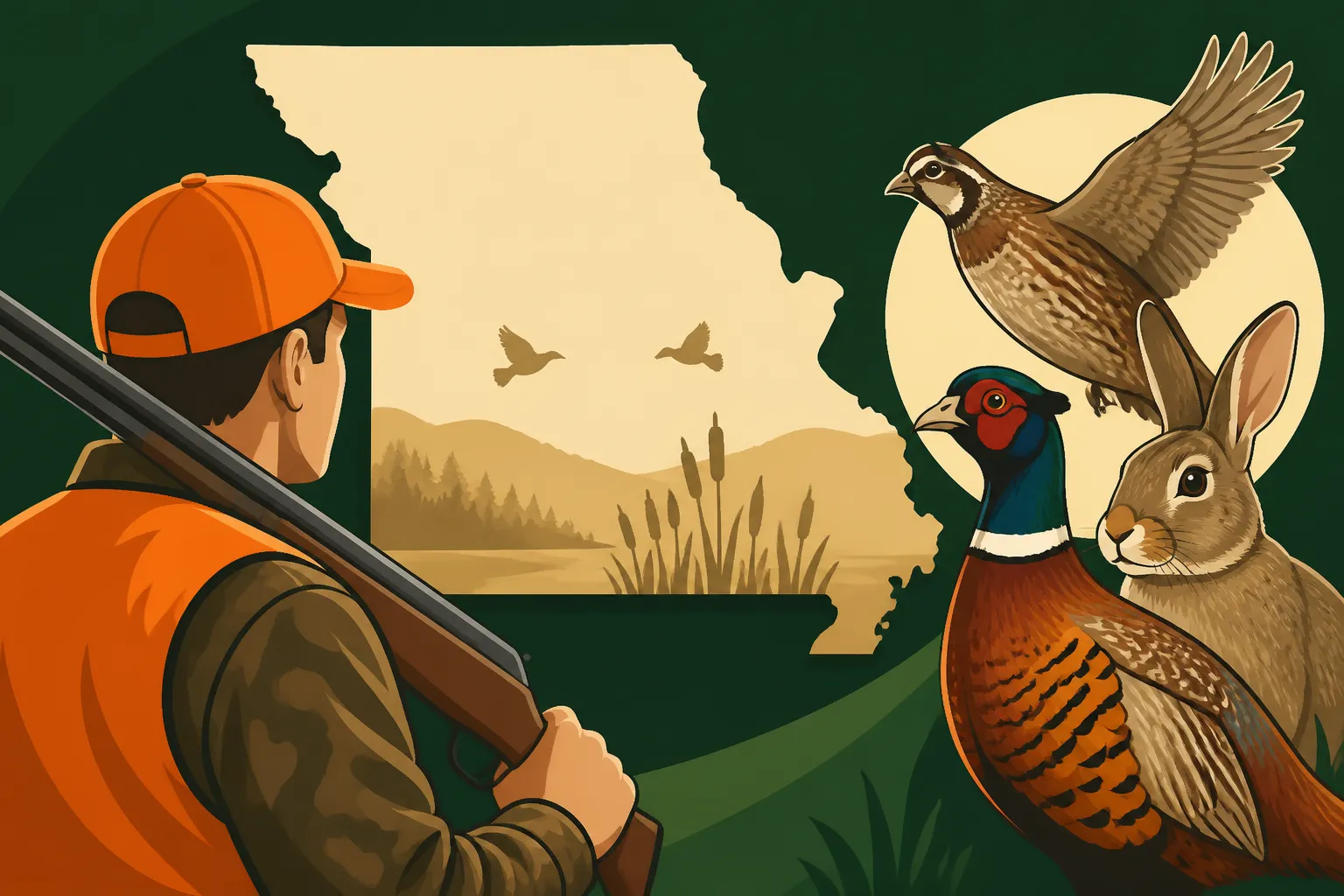
The Missouri Nonresident Small Game Permit is your general pass for a vast array of common game animals that don't fall into the "big game" or "migratory bird" categories requiring separate stamps. This includes incredibly popular species like gray and fox squirrels, which are abundant in the state's sprawling oak-hickory timber. You'll also be covered for cottontail rabbits, which offer fast-paced action in brushy cover and field edges. Beyond these staples, the permit also extends to bobwhite quail, the iconic game bird of the Midwest, and even pheasants, primarily found in the northern reaches of Missouri's agricultural landscapes. If you're into hunting doves in September or pursuing woodcock and snipe along river bottoms, this permit is also necessary to legally pursue them. Basically, if it's not a deer, turkey, or waterfowl that requires a federal stamp, your small game permit likely covers it. You can explore more about these opportunities in our dedicated guide on Missouri Small Game and Rabbits.
It's crucial to understand that while this permit grants you the general right to hunt these small game species, it doesn't cover everything. For instance, if your sights are set on a Missouri whitetail deer or one of our boisterous spring gobblers, you'll need entirely different permits tailored to those specific seasons and species. Similarly, if you're dreaming of a flooded timber duck hunt or field hunting geese in north Missouri, you'll need specific federal and state waterfowl stamps, along with your hunting license. Also, furbearers like coyotes or bobcats, while sometimes hunted, fall under a separate permit category for trapping and predator hunting. Always double-check the Missouri Department of Conservation (MDC) regulations for any species you plan to pursue to avoid any surprises.
This small game permit is truly foundational, but remember it's just one piece of the regulatory puzzle. While it covers the act of hunting, it doesn't detail the bag limits, shooting hours, or season dates for each individual species. Those critical details are outlined separately in the annual Missouri Hunting and Trapping Regulations booklet. So, after securing your permit, the next step is always to review those regulations carefully for your target species. Whether you're chasing squirrels in the early fall or rabbits in the snow, knowing the specific rules for the day is paramount.
Who Needs to Buy This Permit?
At its core, any individual who does not meet Missouri's definition of a resident and wishes to hunt small game within the state's borders must purchase a Nonresident Small Game Permit. Missouri defines a resident as someone who has lived in the state for at least 30 consecutive days, maintains a domicile here, and intends to remain in the state. So, if you're visiting from Kansas, Illinois, Arkansas, or any other state (or country), and you plan to chase pheasants or quail, this permit is for you. This distinction is fundamental to how hunting and conservation are funded, with nonresidents typically contributing a higher fee to access the state's resources.
There are, however, a few notable exceptions to this rule. For instance, youth hunters are often extended certain privileges. Nonresident hunters under the age of 16 are typically exempt from needing a permit to hunt small game, provided they are accompanied by a properly licensed adult hunter. This is a fantastic way to introduce younger generations to the outdoors without the immediate financial barrier. Additionally, certain landowners might be exempt if they are hunting on their own property, depending on the specific permit type and conditions, but for the vast majority of nonresidents, this small game permit is a must-have.
Having the correct permit in your possession is not just a formality; it's a legal requirement that ensures your hunting activities contribute to conservation efforts and that you're in compliance with state law. Conservation agents routinely check licenses in the field, and being caught without the proper permit can lead to fines, confiscation of game, and other penalties that can quickly ruin a hunting trip. Always carry your permit, whether it's a physical copy or stored digitally on your phone via the MO Hunting app, when you're afield. It's a simple step that saves a lot of potential headaches.
The Current Cost of a Nonresident Small Game Permit
One of the first questions any nonresident hunter asks is, "How much is this going to set me back?" It's a fair question, and it's understandable to feel a bit frustrated by the higher price tag compared to what residents pay. States like Missouri rely heavily on hunting and fishing permit sales to fund their extensive conservation programs, from habitat restoration to wildlife management and enforcement. Nonresident permits, by design, reflect a greater contribution to these efforts from individuals who aren't paying state taxes that also support conservation.
Breaking Down the Price Tag
As of the latest regulations, the Missouri Nonresident Small Game Permit costs $96.00. Yes, that's a significant jump compared to the resident small game permit, which currently sits at $12.00. This price difference is pretty standard across most states and, as mentioned, directly supports the ongoing conservation work that makes Missouri such a fantastic place to hunt. This annual permit is valid for the full permit year, which typically runs from March 1st through the last day of February the following year, regardless of when you purchase it. So, if you buy it in October, it's still good until the end of February. This annual validity means you can plan multiple small game excursions within that timeframe without needing to buy another permit.
For many nonresident hunters, this permit represents a reasonable investment for the diverse opportunities Missouri offers. Think about the variety: you can spend a crisp autumn morning Squirrel Hunting in Oak Hickory Timber, then switch gears in late fall for hunting Missouri quail country with a good bird dog, or even enjoy a winter rabbit hunt after a fresh snow. The single permit covers all these adventures, making it a good value for those who plan to utilize it across different seasons or for multiple species. It consolidates many small game pursuits under one umbrella, simplifying the permit acquisition process once you've made that initial investment.
While the price might seem steep upfront, consider the quality of the hunting experience. Missouri is renowned for its robust wildlife populations and well-managed public lands. This fee contributes directly to maintaining and improving those resources. It's an investment in healthy ecosystems and strong game populations, ensuring that the hunting heritage continues for generations to come. Many hunters find the quality of a Missouri hunt, especially for species like quail and rabbits, justifies the cost, especially when comparing it to other states that might have even higher fees or more restrictive access for nonresidents.
Comparing to Other Permit Types
The Nonresident Small Game Permit is just one of several permit types you might encounter. If you're an avid outdoors enthusiast who also enjoys fishing, you might consider a Nonresident Combination Small Game Hunting & Fishing Permit. This permit combines both privileges into one purchase, often at a slightly discounted rate compared to buying them separately. For instance, the Nonresident Annual (Small Game) Hunting and Fishing Permit costs $225.00. While a higher initial outlay, it offers excellent value for those who plan to partake in both activities during their visits. For more on the resident comparison, check out our guide on the Missouri Resident Small Game Permit Cost.
It's also important to differentiate the Nonresident Small Game Permit from permits required for migratory game birds. While the small game permit allows you to hunt doves, woodcock, and snipe, you’ll also need to be Harvest Information Program (HIP) registered. This is a federal requirement for all migratory bird hunters and is generally free to add to your permit when purchasing it. However, for waterfowl like ducks and geese, not only do you need your HIP registration and the Missouri Nonresident Small Game Permit, but you'll also need a Missouri Migratory Bird Hunting Permit ($10.00) and a Federal Duck Stamp (currently $25.00). It’s easy to overlook these additional stamps, so always review the regulations specifically for migratory birds if those are on your target list.
Here's a quick comparison of common small game and related hunting permits for nonresidents:
| Permit Type | Cost (Approx.) | Covers | Additional Requirements |
|---|---|---|---|
| Nonresident Small Game Permit | $96.00 | Rabbits, Squirrels, Quail, Pheasants, Doves, Woodcock, Snipe | HIP Registration for Doves, Woodcock, Snipe |
| Nonresident Annual Hunting & Fishing Permit | $225.00 | All small game, all statewide fishing | HIP Registration (if hunting migratory birds) |
| Nonresident Migratory Bird Hunting Permit | $10.00 | Required in addition to Small Game Permit for Ducks, Geese, Coots | Federal Duck Stamp, HIP Registration (and base Small Game Permit) |
| Nonresident Trapping Permit | $96.00 | Furbearers like Coyotes, Bobcats, Raccoons | Separate rules for specific species, CITES tags for bobcats/otters |
Note: Prices are subject to change, always verify current costs with the Missouri Department of Conservation.
As you can see, the base Nonresident Small Game Permit is central to many opportunities, but if your hunting plans are diverse, combining permits or adding specific stamps might be necessary. Understanding What the Small Game Permit Covers versus what other permits handle will save you from any legal issues and ensure you're fully prepared for whatever game you choose to pursue.
Purchasing Your Missouri Small Game Permit
Once you know which permit you need and what it costs, the next step is actually getting your hands on it. Thankfully, the Missouri Department of Conservation (MDC) has made the process relatively straightforward, with several convenient options available to nonresident hunters. You won't have to jump through hoops, but knowing the best avenues can certainly streamline your planning.
Online, In-Person, and the MO Hunting App
The most common and often easiest way for nonresidents to purchase their Missouri Small Game Permit is online directly through the MDC website. Their e-Permits system is user-friendly and accessible 24/7. You can simply visit the MDC website, navigate to the permits section, select the Nonresident Small Game Permit, and complete the transaction with a credit card. Once purchased, you'll receive a printable permit via email, which you can keep with you as a physical copy. This digital flexibility means you can buy your permit from the comfort of your home, days or even weeks before your trip, avoiding any last-minute stress. Tools and resources like those offered by GoHunt can also be invaluable for researching specific permit requirements and finding direct links to purchase options, streamlining your pre-hunt preparation.
If you prefer a more traditional approach, or find yourself in Missouri and realize you forgot to buy your permit, you can purchase it in person at one of the many authorized permit vendors across the state. These vendors include most major sporting goods stores like Bass Pro Shops, Cabela's, and even many local bait shops, gas stations, and general stores, especially in smaller towns near popular hunting areas. Just walk in, ask for the Nonresident Small Game Permit, and they’ll be able to process your request. This option is great if you have questions you want to ask a real person, or if you prefer a physical card in your wallet.
For the modern hunter, the MO Hunting app is a game-changer. Available for both iOS and Android devices, this free app allows you to purchase and store all your Missouri hunting and fishing permits directly on your smartphone. Not only can you buy your Nonresident Small Game Permit right from the app, but it also serves as your digital permit in the field, eliminating the need to carry a physical copy. This is incredibly convenient, especially when you're deep in the timber chasing squirrels or walking through dense quail cover. It also provides other useful features, like season date lookups and Telecheck capabilities for deer and turkey harvests, making it a powerful tool for any hunter in Missouri. For more details, refer to our guide on What the MO Hunting App Does.
What You'll Need to Buy One
Whether you're purchasing your permit online, through the app, or in person, you'll generally need a few pieces of information ready. First and foremost, you'll need a valid form of identification, typically a driver's license, that clearly states your non-Missouri residency. You'll also need your current mailing address and other basic personal details. Having these readily available will make the purchase process smooth and quick.
A critical consideration for many nonresident hunters is Missouri's hunter education requirement. Generally, anyone born on or after January 1, 1967, must show proof of successfully completing an approved hunter education course to purchase a permit that allows them to hunt alone. However, Missouri does recognize hunter education certifications from other states and provinces. So, if you've completed a course in your home state, make sure you have proof of that certification available when purchasing your permit. If you haven't completed a hunter education course, you're not entirely out of luck. Missouri offers an "Apprentice Hunter Authorization," which allows individuals 16 years or older to purchase hunting permits without first completing a hunter education course. However, an apprentice hunter must hunt in the immediate presence of a properly licensed adult hunter who is 18 years of age or older and has a valid hunter education certification or was born before January 1, 1967. This apprentice authorization is a great way to try hunting before committing to a full hunter education course.
It's always a good idea to purchase your permit well in advance of your hunting trip. While the process is usually quick, unforeseen technical glitches or long lines at a vendor can eat into your valuable hunting time. Remember that the Missouri Permit Year Dates are fixed, so buying it earlier in the season means you get the full benefit of its validity. Having your permit secured means one less thing to worry about, allowing you to focus entirely on planning your hunt, whether it's Hunting the Pre-Rut in Late October for big game or just enjoying a relaxing day chasing rabbits.
Making the Most of Your Nonresident Small Game Hunt
So, you've got your Nonresident Small Game Permit in hand – fantastic! But simply having the permit is just the first step. To truly have a memorable and successful small game hunting experience in Missouri, you'll want to put some thought into planning your trip, understanding key regulations, and utilizing the resources available to you. Missouri offers fantastic opportunities, but a little preparation goes a long way.
Beyond the Permit: Planning Your Trip
With your permit secured, the real fun of planning begins. Missouri boasts an incredible amount of public hunting land, from expansive Conservation Areas (CAs) managed by the MDC to portions of the Mark Twain National Forest. For small game, this means diverse habitats ranging from dense timber for squirrels to open grasslands and brushy draws ideal for quail and rabbits. Utilizing tools for scouting and mapping is absolutely essential. Modern mapping apps like onX Hunt are incredibly popular, but don't forget the MDC's own Conservation Atlas, which provides detailed maps of all CAs. Resources like GoHunt can be incredibly helpful for consolidating information on regulations, public land access points, and even success rates in different areas, allowing you to tailor your search for the best spots for Hunting Missouri Dove Fields in September or Walking Missouri Quail Cover With a Dog.
Consider the specific small game species you want to target. If it's squirrels you're after, focus on areas with mature oak and hickory stands, especially during early fall when acorns are dropping. For rabbits, look for thick brush piles, fencerows, and overgrown field edges, particularly after crop fields have been harvested, as discussed in What Changes After the Beans Come Off. Quail hunting requires a different approach, often involving walking large tracts of grasslands or diverse early-successional cover. Planning your trip around the peak times for your chosen species, such as the early season for doves or the late season for rabbits when snow can make tracking easier, can significantly improve your odds.
Beyond mapping, don't underestimate the power of local knowledge. Chatting with locals at small-town diners or sporting goods stores can sometimes yield invaluable insights into current conditions or lesser-known honey holes. Keep an eye on weather patterns, as they can heavily influence small game movement and activity. A cold snap can get rabbits moving more, while a rainy period might make timber quiet. Being flexible with your plans and adapting to conditions on the ground is a hallmark of a successful small game hunter. For hunters wanting to explore various areas, checking out our guide on Deer Hunting the Missouri Ozarks can provide insights into general public land tactics applicable to small game as well.
Key Regulations to Keep in Mind
Even with your Nonresident Small Game Permit and a well-planned trip, staying on the right side of the law means being intimately familiar with Missouri's specific hunting regulations. These rules cover everything from legal shooting hours, which typically run from half-hour before sunrise to half-hour after sunset, to blaze orange requirements. During deer firearms seasons, for example, all hunters, even small game hunters, are usually required to wear a certain amount of hunter orange for safety. Always check the current regulations booklet for the exact dates and requirements.
While less common for small game, it's also worth being aware of Missouri's baiting and feeding rules. Generally, it's illegal to hunt over bait, which includes minerals, grain, or other food sources placed to attract game. This applies to deer and turkey, but the spirit of fair chase extends to all hunting. Be mindful of where you hunt and ensure you're not inadvertently violating any baiting regulations. Also, species-specific regulations are critical. Our guide on Missouri Quail and Rabbit Seasons will give you a detailed breakdown, but always carry a current regulations booklet or have the MO Hunting app handy for quick reference on bag limits and season dates. This is especially true if you are Hunting Missouri Quail Without a Dog, as tactics might change but the rules do not.
Finally, always prioritize ethical hunting practices and leaving no trace. This means respecting private property boundaries—even if you have permission to retrieve downed game from a neighboring property, it's important to understand Missouri Trespass and Permission Law. Pack out everything you pack in, and dispose of field dressing waste properly. By adhering to all regulations and acting as a responsible ambassador for hunters, you not only ensure your own enjoyment but also help preserve Missouri's hunting opportunities for everyone. If you're struggling to find game on pressured public land, perhaps try Working Field Edges and Draws for Quail which are often overlooked.
Disclaimer
Please remember that hunting regulations, permit costs, and season dates can change. While every effort has been made to provide accurate and up-to-date information, it is the hunter's responsibility to consult the official Missouri Department of Conservation (MDC) regulations before heading afield. This content is for informational purposes only and does not constitute legal advice.