Missouri Small Game and Rabbits
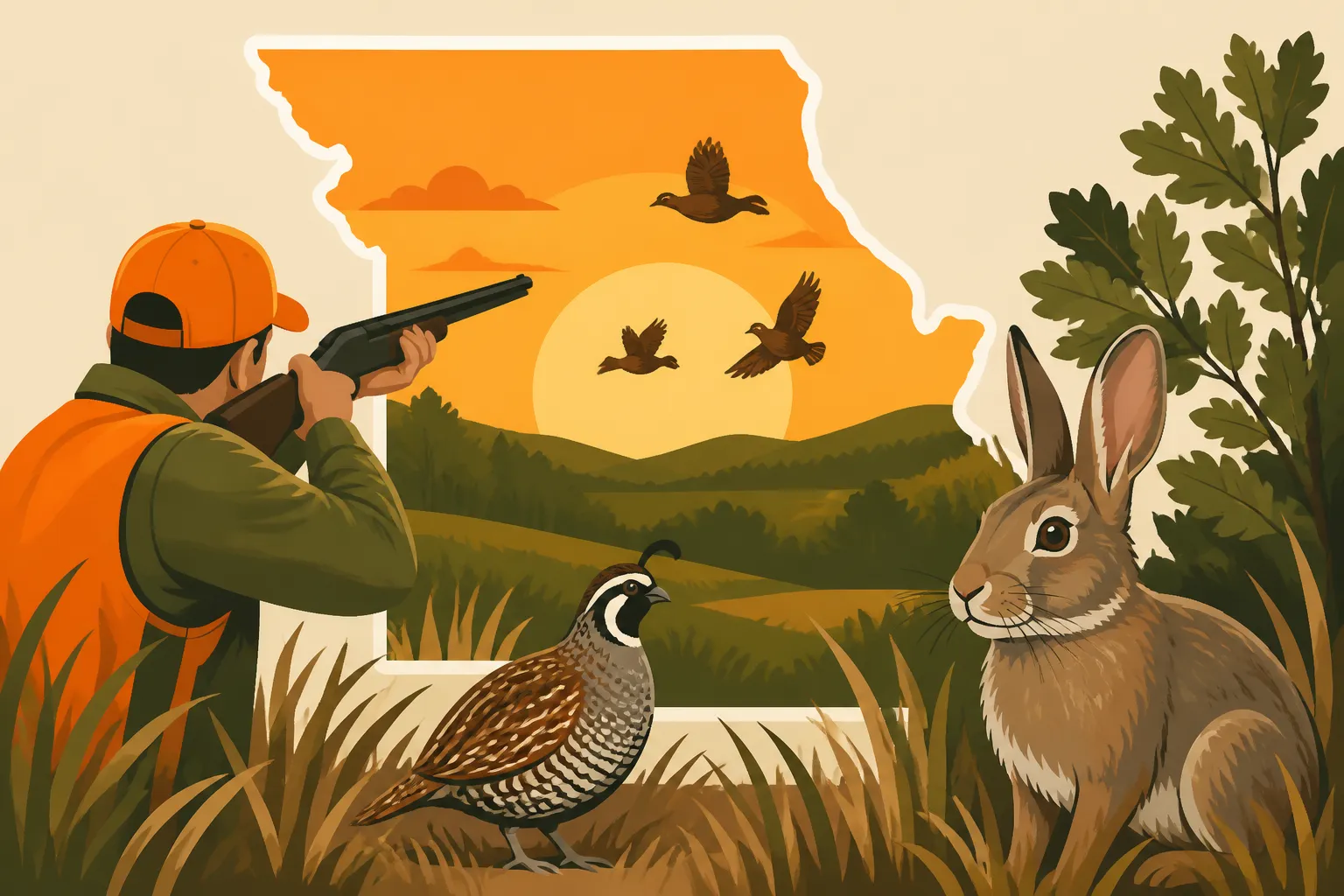
While many Missouri hunters dream of chasing trophy bucks or calling in a strutting gobbler, there's an entire world of exciting, accessible, and deeply rewarding opportunities right underfoot that often gets overlooked. If you've ever felt the pressure of big game season, struggled with finding vast tracts of private land, or simply yearned for more days afield, then turning your attention to small game might be exactly what you need. This comprehensive guide is here to walk you through the fantastic world of small game and rabbit hunting in the Show-Me State, covering everything from understanding species behavior to finding prime hunting spots and refining your tactics.
The Enduring Appeal of Small Game Hunting in Missouri
Let's be honest, in Missouri, the spotlight often shines brightest on our incredible deer and turkey populations. And for good reason – they offer thrilling hunts and substantial rewards. But for generations of hunters, long before the rise of specialized big-game pursuits, small game was the cornerstone of their outdoor life. It was a way to put meat on the table, teach youngsters the ropes, and simply enjoy a day in the field without the intense pressure or immense preparation that big game can demand. Today, the appeal of small game is as strong as ever, offering something truly special for every hunter.
Why Small Game Hunting Still Matters
Small game hunting, at its heart, is about tradition, connection, and getting back to basics. It's about the rustle of leaves underfoot, the sudden flush of a covey, or the quick dash of a cottontail through a brush pile. For many, it's how they first learned to hunt, often walking alongside a parent or grandparent, carrying a lightweight .22 or a trusty .410. There's an undeniable simplicity and purity to it that can be incredibly refreshing, especially when compared to the highly commercialized aspects of some other hunting ventures. It's also an excellent way to hone your field craft, improve your shooting skills on moving targets, and develop a deeper understanding of various habitats and ecosystems right here in Missouri.
Beyond the nostalgic tug, small game offers practical benefits. It generally has longer seasons, more liberal bag limits, and often requires less specialized (and expensive) gear than big game hunting. This makes it a fantastic option for extending your time in the woods after deer season closes, or for those who simply want to maximize their hunting opportunities throughout the year. It provides consistent action, which is perfect for keeping new hunters engaged and helping them build confidence. Plus, let's not forget the table fare – a mess of fried rabbit or squirrel is a culinary delight that rivals any wild game.
Accessibility and Opportunities for All Hunters
One of the greatest strengths of small game hunting in Missouri is its sheer accessibility. Unlike deer or turkey, which often require extensive scouting or access to large private tracts, small game can be found in a surprising variety of landscapes, including smaller public land parcels, along fencerows, and even in the edges of fields that might not hold a trophy buck. This opens up opportunities for urban hunters who might not have vast properties at their disposal, or for those who rely heavily on Missouri's extensive network of Conservation Areas and Mark Twain National Forest land.
Think about it: a small woodlot bordering an agricultural field, a overgrown creek bottom, or a neglected brushy corner can all hold rabbits and squirrels. These are often places that big-game hunters overlook, making them less pressured and more enjoyable for the small game enthusiast. It’s a perfect scenario for a quick hunt after work, a leisurely weekend stroll, or a family outing. The barriers to entry are significantly lower, which means more people can participate and experience the joy of hunting, fostering a new generation of conservationists and ethical hunters.
The Gateway to a Lifelong Hunting Journey
For many, small game hunting isn't just a pastime; it's the foundational experience that builds a lifelong passion for the outdoors. It teaches critical skills in a low-stakes environment. A young hunter learning to track a rabbit through fresh snow, to identify squirrel cuttings high in an oak, or to patiently wait for a covey to flush is absorbing lessons that will serve them well across all forms of hunting. These are the formative experiences that instill respect for wildlife, an understanding of habitat, and the ethical responsibility that comes with being a hunter.
It's also an incredible way to introduce new hunters, especially kids. The consistent action keeps them engaged, and the lessons learned are directly applicable to bigger game. Learning to shoot accurately, understanding wind direction, reading sign, and moving quietly through the woods are all skills first honed in the pursuit of small game. Plus, the less intense nature of the hunt can be less intimidating for newcomers, allowing them to build confidence and develop a genuine love for the sport before tackling more demanding challenges. It creates memories that last a lifetime, forging bonds between hunting partners, families, and the land itself.
Missouri's Prolific Rabbit Populations: Cottontails and Swamp Rabbits
When you talk about small game in Missouri, rabbits are almost always the first species that come to mind, and for good reason. They are abundant, widespread, and offer some of the most exciting and fast-paced hunting opportunities available. While the common cottontail is the star of the show for most hunters, Missouri is also home to its larger, more elusive cousin, the swamp rabbit. Understanding their habits and preferred habitats is key to a successful hunt.
Understanding Missouri's Cottontail Dynamics
The Eastern Cottontail is a ubiquitous sight across Missouri, thriving in a variety of edge habitats. These little dynamos are prolific breeders, which contributes to their high population numbers and resilience, even in the face of significant hunting pressure. Cottontails prefer areas with dense cover for escape and bedding, interspersed with open areas for feeding. Think fencerows choked with multiflora rose, brush piles left from timbering operations, overgrown pastures, briar patches, and the edges of agricultural fields. They aren't going to be deep in the mature timber, nor will they be out in the middle of a manicured lawn. They want that transition zone, that messy edge where safety and food meet.
A typical cottontail hunt involves walking these dense cover areas, often with a good beagle, flushing rabbits from their hiding spots. They'll usually make a short, frantic dash before diving into the nearest thicket or brush pile. The trick is to be ready for that sudden burst of speed. Sometimes, if you jump one and it disappears, a patient hunter might simply stand still for a few minutes, as cottontails have a habit of circling back to familiar cover if they don't feel too pressured. Learning to identify these key habitat features, like Rabbit Hunting Brush Piles and tangled fencerows, is paramount. Effective scouting, even just a drive down a country road, can reveal numerous promising spots.
The Elusive Swamp Rabbit and Its Habitat
While the cottontail is the everyman's rabbit, the swamp rabbit (often called a canecutter or bog hare) is a more specialized quarry. As their name suggests, these larger rabbits are typically found in low-lying, wet areas such as river bottoms, swamps, sloughs, and dense thickets along creeks. They are excellent swimmers and will readily take to water to escape predators or hunters, making them a unique challenge. You won't find swamp rabbits in the same dry, upland brush as cottontails; they require consistently damp to wet environments with heavy cover, often cane breaks or dense stands of willow and buttonbush.
Hunting swamp rabbits usually involves more specialized tactics and often requires a dog that isn't afraid of water. The thick, wet cover they inhabit can be extremely difficult to navigate, even for an experienced hunter. This is where patience and persistence truly pay off. A successful swamp rabbit hunt often means slow, methodical pushing through dense areas, with hunters positioned strategically to intercept rabbits as they try to cross openings or slip through thinner cover. The effort is often rewarded with a larger animal, and the satisfaction of harvesting a less common species.
Key Habitats and Finding Rabbit Hotspots
Identifying prime rabbit habitat is crucial for success, whether you're after cottontails or swamp rabbits. For cottontails, focus on areas where open fields meet dense, brushy cover. Think about the edges of soybean or corn fields that transition into overgrown hedgerows, old pastures reverting to thickets, abandoned farmsteads with crumbling outbuildings and dense growth, and timber stand improvement areas where logging has created a lot of low, brushy regrowth. Public lands in northern Missouri or along agricultural river bottoms often provide these perfect edge conditions.
For swamp rabbits, shift your focus to the state's major river drainages like the Missouri and Mississippi, and their numerous tributaries. Look for low-lying areas that are prone to flooding, with dense, woody vegetation. Areas like the Bootheel region and the numerous Conservation Areas managed for waterfowl sometimes offer excellent swamp rabbit habitat, particularly on the higher ground within these wet environments that provide refuge. Using mapping tools like GoHunt can be incredibly helpful for pinpointing these specific types of cover on public and accessible private lands, allowing you to identify potential hotspots long before you ever set foot in the field. Remember that a great rabbit spot will have a consistent food source nearby, whether it's native grasses, forbs, or agricultural crops, combined with escape cover.
Chasing Squirrels: Bushytails in Missouri's Hardwoods
Squirrel hunting is a cherished tradition in Missouri, offering a fantastic opportunity to enjoy the woods, sharpen your stalking skills, and bring home some delicious meat. The state is home to two main species: the smaller, more agile gray squirrel and the larger, more cautious fox squirrel. Both provide excellent sport, but they have distinct behaviors and preferred habitats that dictate different hunting approaches.
Gray Squirrels: Acorn Enthusiasts of the Timber
Gray squirrels, often called "cat squirrels" due to their smaller size and quick movements, are typically found in mature, continuous tracts of hardwood timber, particularly those dominated by oak and hickory trees. These trees provide not only the critical mast crops (acorns, hickory nuts) that form the bulk of their diet but also the dens and cavities they need for shelter and rearing young. Gray squirrels are highly arboreal, meaning they spend a significant amount of their time in the trees, often clinging to the far side of a trunk to avoid detection. They are incredibly agile, capable of breathtaking leaps between branches.
Hunting gray squirrels often involves still-hunting slowly through mature timber, pausing frequently to scan tree trunks and canopies for movement or the telltale flick of a tail. You'll want to pay close attention to Squirrel Hunting in Oak Hickory Timber during the early morning or late afternoon when they are most active. A good pair of binoculars can be invaluable for picking them out as they scamper along limbs or peer around tree trunks. Patience is key; sometimes, just sitting quietly for 15-20 minutes in a productive area will allow squirrels to emerge from hiding once they perceive the woods to be "safe" again. Listen for the sound of falling nut cuttings or the distinct "bark" of a squirrel alerting others to your presence.
Fox Squirrels: Larger and More Elusive
Fox squirrels are the larger, more robust cousins of the gray squirrel, recognizable by their reddish-orange bellies and larger size. They tend to prefer more open timber stands, often along the edges of woods, in smaller woodlots, or in trees scattered through agricultural fields. Unlike gray squirrels, they are more terrestrial, spending a good deal of time foraging on the ground, especially for corn or other grains. Their larger size and somewhat slower, more deliberate movements can make them seem like an easier target, but don't be fooled – they are often warier and more prone to taking cover at the first sign of danger.
Hunting fox squirrels can involve similar tactics to gray squirrels, but often in different types of habitat. You might find them in creek bottoms with mature pecans, walnuts, or oaks bordering open fields. Early in the season, before leaves fall, they can be particularly challenging to spot. During this time, focusing on areas with abundant mast crop on the ground and listening for the sounds of them digging or gnawing can be more productive than purely visual scanning. Consider targeting smaller timbered draws in row-crop country, as these can be magnets for fox squirrels feeding on spilled grain.
Prime Squirrel Habitat and Scouting Tips
For both species, the key to success lies in understanding their food sources and shelter needs. Early in the season, focus on soft mast like mulberries and wild cherries, then transition to hard mast like acorns, hickory nuts, and walnuts as the fall progresses. Look for "cuttings" on the forest floor – the telltale discarded hulls of nuts that squirrels have been feeding on. Fresh cuttings indicate recent activity and a productive area.
Scouting for squirrels can be as simple as taking a walk in the woods. Look for mast-producing trees, especially oaks and hickories, and then check for sign like cuttings or well-worn paths up tree trunks. Using a mapping application on your phone or a platform like GoHunt can help you identify large tracts of contiguous timber or smaller woodlots that might hold promise. Pay attention to how the canopy connects; squirrels prefer areas where they can travel extensively through the trees without touching the ground. On public lands, this often means focusing on mature timber blocks within Conservation Areas, or specific drainage corridors in places like the Mark Twain National Forest. Missouri's Long Squirrel Season Explained means you have ample time to explore different areas and adjust your tactics as the season progresses and food sources change.
Upland Thrills: Quail and Pheasant Opportunities
Missouri's upland bird hunting scene offers a distinctly different, yet equally thrilling, small game experience. While not as widespread as rabbits or squirrels, the pursuit of quail and, to a lesser extent, pheasants, is a passion for many, combining fast-paced action, the joy of working a good bird dog, and the satisfaction of finding birds in challenging cover.
The Resilient Northern Bobwhite Quail
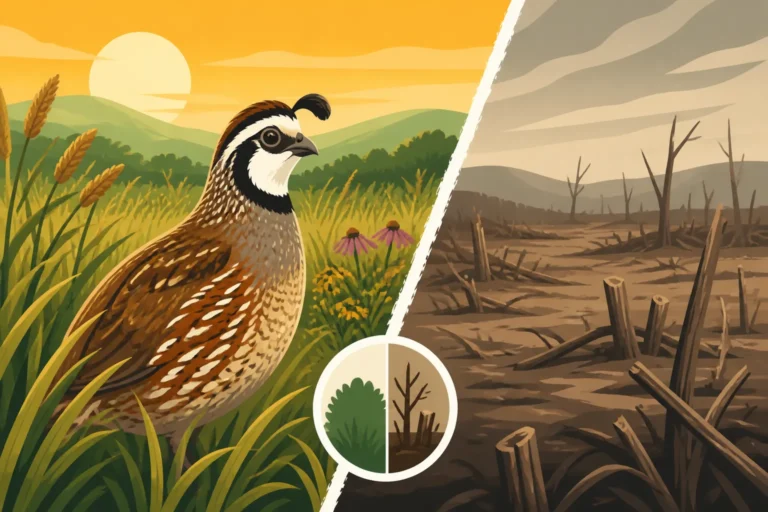
The Northern Bobwhite Quail is an iconic bird of the Missouri landscape, known for its distinctive "bob-white" whistle and explosive covey rise. While quail populations have faced significant challenges due to habitat loss and changes in agricultural practices over the decades, dedicated conservation efforts have created pockets of excellent hunting, particularly on managed public lands. Quail thrive in a mosaic of habitat: native grasslands for nesting and brooding, dense shrubby cover (like briar patches, plum thickets, and multiflora rose) for escape and roosting, and nearby crop fields or herbaceous areas for feeding on seeds and insects. They are truly an "edge" species, much like cottontails.
Hunting quail almost invariably involves a good bird dog – a pointing dog like a German Shorthaired Pointer or English Setter to locate birds, or a flushing dog like a Springer Spaniel to push them out of cover. The thrill of watching a dog go on point, then holding your breath for the sudden, whirring covey rise, is unmatched. You need to be ready for quick, instinctive shooting. Finding Walking Missouri Quail Cover With a Dog involves targeting these specific habitat mosaics, often in areas managed by the Missouri Department of Conservation (MDC) for upland birds, or on private lands where landowners are actively engaged in habitat restoration. Expect to walk a lot, covering ground slowly and methodically, always attuned to your dog's behavior.
Limited Pheasant Hunting in North Missouri
While pheasants are much more strongly associated with states further north in the Corn Belt, Missouri does have a small, localized pheasant population, primarily in the extreme northern counties. These birds were introduced historically and persist in areas with suitable habitat, which means large tracts of undisturbed native grasslands, dense fencerows, and crop fields that provide winter cover and food. However, pheasant hunting in Missouri is generally considered a bonus opportunity rather than a primary pursuit, and hunters shouldn't expect the same densities found in states like Iowa or Nebraska.
If you are planning to pursue pheasants in Missouri, your best bet is to focus on these northern border counties. Look for areas with significant public land holdings that incorporate large blocks of native prairie or CRP (Conservation Reserve Program) ground, especially those interspersed with corn and bean fields. Similar to quail, a good flushing dog is invaluable for getting pheasants out of their dense cover. Be prepared for a much larger, faster-flying bird than a quail, and one that prefers to run ahead of a dog rather than hold tight. Hunting these areas will require extensive walking and patience, but encountering a brightly colored rooster pheasant is a truly memorable experience.
Habitat Restoration and Finding Upland Birds
The key to finding quality upland bird hunting in Missouri, especially for quail, often lies in identifying areas where active habitat restoration is underway. The MDC has numerous programs and manages specific Conservation Areas to enhance bobwhite quail habitat. These areas often feature prescribed burns, native prairie plantings, shrubby hedgerows, and food plots specifically designed to benefit upland birds. Utilizing the Missouri Conservation Atlas or MDC's online mapping tools can help you pinpoint these managed areas.
Successful quail hunting isn't just about walking; it's about walking smart. Look for the transition lines between different cover types. A field of native warm-season grasses bordering a plum thicket and a soybean field is prime real estate. Late in the season, after crops are harvested and cover thins, focus on the densest cover available, such as deep briar patches, honeysuckle thickets, or creek bottom edges. Understanding Missouri Quail Season Dates and how they align with habitat changes throughout the fall can also help you optimize your hunt times. The commitment to habitat restoration by MDC and private landowners offers hope for the future of upland bird hunting in Missouri, making the effort to find these special places all the more rewarding.
Other Small Game Species: Woodcock, Snipe, and More
Beyond the familiar rabbits, squirrels, quail, and pheasants, Missouri's diverse landscapes offer intriguing opportunities to pursue other, less commonly hunted small game species. These birds and animals present unique challenges and rewards, often taking hunters into different types of habitats and requiring specialized approaches.
Woodcock: Timberdoodles of the Wet Woods
The American Woodcock, affectionately known as the "timberdoodle," is a migratory shorebird that spends its non-breeding seasons in Missouri. These fascinating birds prefer young, moist woodlands with dense undergrowth, particularly along creek bottoms, drainage ditches, and in thickets of alder, willow, and dogwood. They probe the soft earth with their long bills, searching for earthworms, which are their primary food source. Woodcock are known for their camouflaged plumage and tendency to hold tight, often flushing at very close range with a distinctive whistling wing sound.
Hunting woodcock in Missouri typically occurs during their fall migration, often coinciding with early duck or late small game seasons. A close-working bird dog is almost essential for consistently finding these secretive birds in their dense cover. You'll be Woodcock and Snipe Along the River Bottoms or in other wet, brushy areas where the soil is soft enough for them to feed. When a woodcock flushes, it often rises quickly above the brush before leveling off, presenting a challenging, fleeting target. Their flight can be erratic, making for exciting, instinctive shots. While not a large bird, woodcock are considered excellent table fare by many connoisseurs of wild game.
Common Snipe: Fast Fliers of the Wetlands
The Common Snipe is another migratory shorebird that provides a unique wing-shooting challenge in Missouri. These birds are found in open, wet environments such as flooded fields, mudflats, marshy edges of ponds and lakes, and soggy pastures. They are masters of camouflage and will often sit tight until almost stepped upon, exploding into the air with a characteristic "scape" call and an incredibly fast, zigzagging flight pattern that tests even the most experienced shotgunner.
Hunting snipe requires keen eyes, quick reflexes, and often a willingness to walk through mucky conditions. While a dog can be helpful for flushing and retrieving, many snipe hunters simply walk likely habitats, relying on their own ability to spot and flush birds. The season generally aligns with early waterfowl seasons, making it a good target for those looking to add some extra action to their wetland hunts. Focus on areas with very shallow water and exposed mud, where snipe can probe for insects and worms. Identifying Woodcock and Snipe Along the River Bottoms and marshy areas is key. You'll often find them scattered, so don't expect a covey rise like quail; rather, be ready for individual flushes.
Crow Hunting: An Underutilized Challenge
For hunters looking for a unique, year-round challenge, crow hunting offers an often-overlooked opportunity in Missouri. Crows are intelligent, wary birds that provide excellent sport and a fantastic way to hone your calling and camouflage skills. They are widespread across the state, found in both rural agricultural areas and even suburban fringes, making them highly accessible. While not traditionally considered "game meat" by many, crows are edible, and some hunters enjoy preparing them.
Crow hunting often involves using electronic or mouth calls to simulate distress calls or territorial disputes, drawing flocks of crows into shooting range. Effective camouflage and concealment are absolutely critical, as crows have exceptional eyesight and are quick to spot anything out of place. Setting up on the edge of a field, in a blind, or against a dense backdrop of timber can be effective. Decoys, especially "flapping" or motion decoys, can also greatly enhance success. The challenge lies in outsmarting these incredibly intelligent birds, which often employ sentinels to watch for danger. This can be a great way to Coyote Calling in Missouri Farm Country or other predator hunts, as the sound often attracts other opportunistic predators as well. Crow hunting offers a dynamic, engaging hunt that can be enjoyed throughout much of the year, providing valuable off-season practice and a lot of fun.
Essential Gear and Tactics for Small Game Success
Successful small game hunting in Missouri, while generally less gear-intensive than big game, still benefits from the right equipment and a thoughtful approach to tactics. From choosing the correct firearm and ammunition to understanding the invaluable role of a good hunting dog, having your ducks in a row can significantly improve your chances and overall enjoyment.
Firearms and Ammunition Choices
When it comes to small game, versatility and quick handling are often more important than sheer power. For rabbits and squirrels, the classic .22 caliber rimfire rifle (like a Ruger 10/22 or Henry lever action) is hard to beat, particularly when using solid-point or hollow-point ammunition. It's quiet, accurate at typical small game ranges, and conserves meat. Shotguns, usually in 20 gauge or 12 gauge, are also popular, especially for fast-moving rabbits in thick cover or for squirrels when leaves are still on the trees. For upland birds like quail, pheasants, woodcock, and snipe, a lightweight 20 gauge or 28 gauge shotgun with an open choke (like improved cylinder or skeet) is ideal, allowing for quick swings and broad patterns at close range.
Ammunition choice is just as important. For squirrels with a .22, choose sub-sonic rounds for quieter shots or standard velocity for a balance of power and noise. For shotgun hunting rabbits and squirrels, No. 6 or 7 ½ shot is typically effective. When it comes to upland birds, lighter loads of No. 7 ½ or No. 8 shot are perfect for quail and snipe, providing dense patterns without excessive recoil. For pheasants, slightly heavier loads of No. 5 or 6 shot might be preferred due to their larger size and tougher build. Remember to always use Nontoxic Shot Rules on Missouri Wetlands when hunting waterfowl or in certain managed wetland areas, even for snipe or woodcock that might be found in those environments. Matching your ammunition to your quarry and hunting environment will ensure ethical, clean harvests.
The Indispensable Role of Hunting Dogs
For many, small game hunting is synonymous with Running Hounds in Missouri or working a bird dog. These canine companions aren't just pets; they are invaluable hunting partners that elevate the experience to another level. For rabbits, beagles are the undisputed kings. Their incredible noses and persistent chase instincts are perfect for rooting rabbits out of dense cover and circling them back past hunters. The sound of a pack of beagles on a hot rabbit trail is one of the most exciting sounds in the woods.
For upland birds like quail, pointing breeds (Pointers, Setters, Brittanys, German Shorthairs) are essential for finding and holding coveys, allowing the hunter to move into position for a shot. Flushing breeds (Spaniels, Labs) are excellent for pushing birds out of heavy cover, especially for pheasants or swamp rabbits. A well-trained bird dog can significantly increase your success rate, reduce crippling losses by retrieving downed birds, and make the entire hunting experience more enjoyable and efficient. If you're planning a waterfowl hunt, it's also good to remember a trained retriever is essential for Missouri Flooded Timber Duck Tactics and can make a big difference when hunting snipe or woodcock near water. The companionship and teamwork involved in hunting with a dog create truly unforgettable memories.
Still-Hunting, Drives, and Bush-Beating
Different small game species and habitats call for different tactics. Still-hunting, which involves moving very slowly and deliberately through the woods, pausing frequently to observe and listen, is highly effective for squirrels. It requires patience and a keen eye, as you try to spot movement or identify a tucked-away bushytail before it sees you. This method is also effective for jump-shooting rabbits that might be loafing in more open cover.
For rabbits in dense cover, especially with a dog, "bush-beating" or small drives are common. One or more hunters push through the thickets, while others are positioned strategically at the edges, ready for flushed rabbits. This can be done on smaller tracts of public land or even within larger private woodlots. For quail, the strategy revolves around the dog's work, but hunters need to be disciplined in Covey Rise Shooting Discipline, covering different angles and being ready for a sudden burst of birds. For larger areas or for pheasants, a line of hunters walking abreast, pushing through cover, is often the most effective method. Each tactic requires an understanding of the animal's behavior and the specific terrain you're hunting, ensuring you're in the right place at the right time.
Seasons, Regulations, and Ethical Considerations
Before you head afield for any small game adventure in Missouri, it's absolutely critical to be well-versed in the current regulations. These rules are in place to ensure sustainable wildlife populations and promote ethical hunting practices for everyone. The Missouri Department of Conservation (MDC) updates its regulations annually, so always double-check before the season begins.
Understanding Missouri's Small Game Seasons and Limits
Missouri offers generous small game seasons, often starting in early autumn and extending well into winter, providing ample opportunity for hunters. For example, When Missouri Rabbit Season Runs typically opens in October and continues through mid-February, allowing for plenty of time to pursue cottontails and swamp rabbits. Missouri's Long Squirrel Season Explained can often begin as early as May and run through early spring the following year, giving hunters options to chase bushytails both before and after deer season. Missouri Quail Season Dates usually run from November through January, focusing on the cooler months when birds hold tighter for dogs.
Bag limits also vary by species and are designed to prevent overharvest while providing reasonable opportunities. For instance, squirrel bag limits are often 10 per day, while rabbits might be 4-6 per day. Quail often have a daily limit of 8 birds. It's imperative to know these limits and adhere to them strictly. Always check the MDC's current hunting and trapping regulations booklet or their website for the most up-to-date information, as seasons and limits can occasionally change based on population trends or management goals. Keeping a mental tally or even a written note of your harvest throughout the day helps prevent accidental over-bagging.
Permit Requirements and Hunter Education
To legally hunt small game in Missouri, all resident and nonresident hunters (with some exceptions for landowners on their own property) must possess the appropriate permits. Typically, this means a Missouri Resident Small Game Permit Cost or a Missouri Nonresident Small Game Permit Cost, which covers rabbits, squirrels, quail, pheasants, woodcock, snipe, and other non-migratory small game. If you plan to hunt migratory birds like woodcock and snipe, you'll also need a Missouri Migratory Bird Hunting Permit and be HIP (Harvest Information Program) registered. If you are also fishing, a combination hunting and fishing permit can be a cost-effective option.
Additionally, most hunters born on or after January 1, 1967, are required to complete a certified hunter education course before purchasing permits. There are exemptions for those hunting with an Missouri Apprentice Hunter Authorization or for certain landowners. Even if you're exempt, taking a hunter education course is highly recommended as it covers vital safety, ethics, and conservation principles. Always carry your valid permits and hunter education card (if required) while afield, as conservation agents can and do check them.
Respecting the Resource and Landowners
Ethical hunting goes beyond simply following the letter of the law. It means respecting the game you pursue, the land you hunt on, and your fellow outdoor enthusiasts. For small game, this includes making clean, humane shots, actively searching for downed game, and avoiding wasteful harvests. It also means leaving the land better than you found it, picking up spent shotgun shells, and packing out any trash.
When hunting private land, even if you have permission, always remember that you are a guest. Asking a Missouri Farmer for Permission is a privilege, not a right. Be courteous, respectful, and adhere to any specific rules the landowner has. Always let them know when you plan to hunt and when you've left. Ensure you understand Missouri Posted Land Rules and never trespass. If you retrieve a downed animal that crosses a property line, Retrieving Game From Private Land requires prior permission or a good relationship with the neighbor. On public lands, be mindful of other users – hikers, birdwatchers, or other hunters. Good judgment, courtesy, and a commitment to safety are the hallmarks of a responsible small game hunter, ensuring that these rewarding pursuits remain vibrant for generations to come.
Missouri Small Game Species at a Glance
| Species | Peak Season | Primary Habitat | Preferred Weapon | Daily Bag Limit | Unique Challenge |
|---|---|---|---|---|---|
| Cottontail Rabbit | Nov – Jan | Brushy edges, fencerows, briar patches | .22 rifle, shotgun | 6 | Fast flush, quick dash to thick cover |
| Fox Squirrel | Oct – Dec | Open hardwoods, field edges, woodlots | .22 rifle | 10 (combined) | Wary, often on the ground, good eyesight |
| Gray Squirrel | Oct – Dec | Mature, dense oak/hickory timber | .22 rifle | 10 (combined) | Arboreal, quick movement, hiding on tree trunks |
| Bobwhite Quail | Nov – Jan | Habitat mosaic: grass, brush, crop edge | Shotgun (20/28 ga) | 8 | Explosive covey rise, requires bird dog |
| Pheasant | Nov – Jan | Northern prairies, crop fields | Shotgun (12/20 ga) | 2 (cocks only) | Very limited range, prone to running, fast flight |
| American Woodcock | Oct – Nov | Moist, young timber, creek bottoms | Shotgun (20/28 ga) | 3 | Holds tight, erratic flush, camouflaged |
| Common Snipe | Sep – Nov | Flooded fields, marshy areas, mudflats | Shotgun (12/20 ga) | 8 | Zigzag flight, difficult to spot, mucky terrain |
| Crow | Nov – Mar (plus summer) | Open country, timber edges, roosts | Shotgun, rifle | None | Extremely wary, intelligent, excellent eyesight |
Disclaimer
Please note that hunting regulations, seasons, and permit requirements are subject to change. Always consult the official Missouri Department of Conservation (MDC) website or their most current hunting and trapping regulations guide before planning any hunting trip. This guide is for informational purposes only and does not supersede official regulations. It is the hunter's responsibility to be aware of and comply with all applicable laws and regulations.