Missouri Quail Season Dates
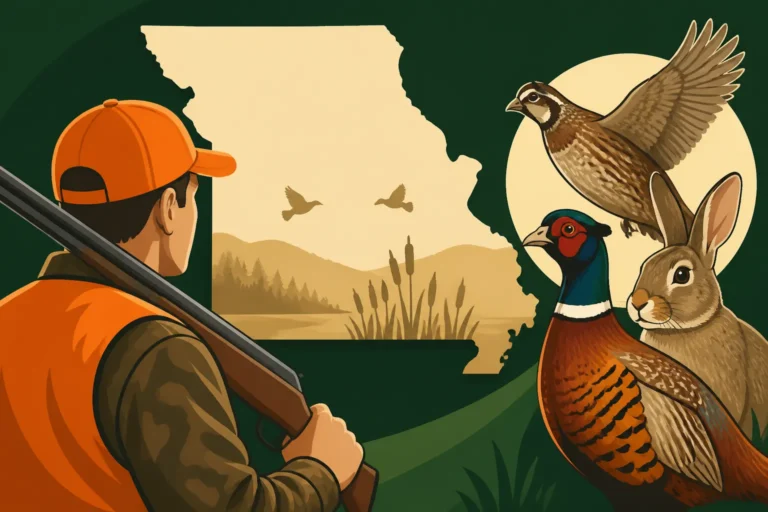
There’s nothing quite as disheartening as getting all geared up for a crisp autumn morning in the Missouri uplands, ready to chase some bobwhites, only to realize you’ve misread the calendar or misunderstood the regulations. We’ve all been there, standing in a field wondering if today is actually the day the season opens, or if you need to double-check those bag limits. It’s enough to make you just want to stay home. But don't you worry, because this comprehensive guide is here to clear up all the confusion about Missouri's quail season dates, helping you hit the field with confidence.
Understanding the Core Missouri Quail Season Dates
For many of us who live and breathe quail hunting, the opening day of the season feels like a holiday. But unlike some other game species that have varied or split seasons, Missouri's quail season has a pretty consistent and straightforward structure, which is a blessing for planning. Generally, the season kicks off in early November and runs well into the new year. This timeframe has been established by the Missouri Department of Conservation (MDC) to align with biological factors, hunting pressure, and the availability of suitable habitat, ensuring a healthy population for years to come while still offering ample opportunity for hunters.
When the Fall Quail Season Opens
Typically, the Missouri quail season begins on November 1st. This is a date etched into the minds of many upland bird hunters, signaling the start of prime time for chasing bobwhites across the state. The choice of November 1st isn't arbitrary; it generally comes after most of the major agricultural harvests, meaning more open fields and accessible cover. Furthermore, by this point in the year, young-of-the-year birds are mature, fully feathered, and better able to withstand the rigors of hunting pressure and colder weather. This timing also usually allows the birds a few months to grow and develop their full covey structures after the nesting season, providing stronger, more challenging flushes for hunters. It's a sweet spot that balances conservation needs with hunter opportunity.
It’s worth noting that while November 1st is the traditional start, regulations can and sometimes do shift. That’s why it’s always, always your best bet to check the current year’s Missouri hunting regulations booklet or the MDC website before you pull on those brush pants. Many dedicated hunters also use apps like GoHunt to keep a real-time pulse on regulation updates and season changes, ensuring they don't miss a beat.
The Closing Days of Quail Hunting
Just as important as knowing when the season opens is understanding when it closes. The Missouri quail season typically runs through January 15th. This means we get a solid two-and-a-half months of chasing coveys, spanning from the vibrant late fall days through the stark, often snowy, depths of winter. The extended season offers a variety of hunting conditions, from the relatively mild temperatures of early November to the crisp, cold challenges of late December and early January. Each phase of the season presents unique opportunities and challenges. Early season hunts might involve thicker cover and warmer temperatures, while late-season hunts often see birds concentrated in specific food sources, with less concealing foliage.
Hunting in January, when much of the landscape is barren and often covered in snow, can be incredibly rewarding. The visibility improves, making it easier to spot birds flushing and to track dogs. However, late-season hunting also demands more from both hunter and dog, as coveys are often more wary and may flush wilder. Understanding the nuances of Late-Season Quail and Longer Flushes can make a significant difference in your success rate during these colder months. This long season allows hunters to experience the full spectrum of bobwhite behavior throughout the fall and winter, truly making the most of what Missouri’s uplands have to offer.
Bag and Possession Limits for Missouri Quail
Beyond knowing the exact dates, understanding the legal limits on how many quail you can take is crucial. It’s not just about compliance; these limits are a cornerstone of responsible wildlife management, designed to ensure that Missouri's bobwhite quail populations remain robust and healthy for generations to come. Ignoring these limits can have serious consequences for both the individual hunter and the overall health of the game species.
Daily Bag Limit Explained
In Missouri, the daily bag limit for quail is generally set at 8 birds. This means that in any single calendar day, you are legally allowed to harvest up to eight Northern Bobwhite Quail. It's a number that MDC biologists carefully determine based on population surveys, habitat conditions, and reproductive success rates from previous years. The daily limit helps distribute the harvest across more hunters and prevents overharvesting during short windows of opportunity, especially when birds might be concentrated due to weather or habitat changes.
For many hunters, especially those new to the sport or those Walking Missouri Quail Country with less experienced dogs, hitting a limit can be a challenging but incredibly satisfying achievement. It takes good dog work, accurate shooting, and a bit of luck to consistently put eight birds in the vest. The daily limit encourages hunters to appreciate each bird and to focus on the quality of the hunt rather than just the quantity of the bag. Remember, once you’ve reached your daily limit, it’s time to call it a day for quail hunting, even if the dogs are still fresh and the sun is high.
Understanding the Possession Limit
The possession limit is another important regulation to keep in mind, and for quail in Missouri, it typically stands at 16 birds. The possession limit refers to the maximum number of quail you can have in your possession at any given time, whether they are in your cooler, your freezer at home, or in your vehicle heading home from a hunt. It's essentially two times the daily bag limit. This regulation is designed to prevent hunters from accumulating an excessive number of birds over multiple days without having them properly stored or consumed, and it helps wildlife agencies monitor the overall harvest more effectively.
For hunters who plan multiple trips or for those who travel from out of state to enjoy Missouri's upland opportunities, keeping track of the possession limit is absolutely essential. You can't just keep adding to your freezer without minding this number. If you harvest eight birds on Monday, and another eight on Tuesday, you've hit your possession limit. To legally harvest more, you'd need to consume or otherwise legally dispose of some of your previously harvested birds. Utilizing apps or online resources like GoHunt can be incredibly helpful for quickly referencing these rules when you're out in the field or planning your next hunt. Always ensure that any game being transported is properly tagged or identifiable according to MDC regulations to avoid any misunderstandings with conservation agents.
Essential Regulations and Permit Information
Hunting quail in Missouri isn't just about knowing the dates and limits; it's also about understanding the broader regulatory framework that ensures a safe, ethical, and sustainable hunting experience for everyone. From the permits you need to the safety gear you wear, every rule serves a purpose.
Required Permits for Quail Hunting
Before you even think about stepping into a Missouri quail field, you've got to have the right permits. For resident hunters, a valid Resident Small Game Hunting Permit is typically required. Non-residents will need a Non-Resident Small Game Hunting Permit. These permits are your ticket to legally pursue not just quail, but also other small game species like rabbits and squirrels. It's easy to purchase these online through the MDC website, at most sporting goods stores, or through the MO Hunting app. Make sure your permit is valid for the current season, as they typically run from March 1st to the end of February each year. Don't forget that if you're hunting other species, like deer or turkey, you'll need separate permits for those. Knowing the Missouri Small Game Permit Cost and getting yours early can save you a last-minute scramble.
It’s crucial to understand that these permits fund vital conservation efforts across the state. Every dollar spent on a permit goes back into habitat improvement, wildlife research, law enforcement, and educational programs that directly benefit the very game you're pursuing. So, when you buy that permit, you're not just buying access; you're investing in the future of Missouri's hunting heritage.
Hunter Orange and Other Safety Rules
Safety is paramount in any hunting endeavor, and upland bird hunting is no exception. While not always strictly mandated for small game in all scenarios, wearing hunter orange is highly recommended when Hunting Missouri Quail Country—especially on public lands or when hunting with multiple people and dogs. The more visible you are to your hunting partners, the safer everyone will be. For other hunting seasons, like firearms deer season, there are very specific Missouri Hunter Orange Rules about the amount of orange required. While quail season is outside the main firearms deer season, it's still smart practice to wear at least an orange hat or vest, particularly when walking through dense cover where visibility can be limited.
Beyond hunter orange, always adhere to fundamental firearm safety rules: treat every gun as if it's loaded, always point the muzzle in a safe direction, be sure of your target and what is beyond it, and keep your finger off the trigger until you're ready to shoot. This is especially important when dogs are working close, or when coveys flush wildly and unexpectedly. Communication with your hunting partners is key, too, especially about shot zones and bird direction. Legal shooting hours for quail generally extend from a half-hour before sunrise to a half-hour after sunset, giving you plenty of daylight to hunt safely.
Shot Size and Restrictions
When it comes to ammunition, there are usually no specific shot size restrictions for quail in Missouri, but common sense and ethical hunting practices dictate appropriate choices. Most quail hunters opt for smaller shot sizes, typically 7 ½ or 8 shot. These smaller pellets provide a dense pattern, which is ideal for effectively taking down fast-flying, relatively small birds like quail without causing excessive meat damage. Larger shot sizes, like 4 or 5, are generally overkill and can pepper the bird with too few pellets, leading to wounded game, or too many large pellets, ruining more meat.
It’s important to note that if you plan on hunting quail on certain public lands, particularly some Conservation Areas or National Wildlife Refuges managed for waterfowl, there might be regulations requiring the use of non-toxic shot. While not common for upland birds across the board, it's always wise to check the specific area regulations before you head out. These rules are in place to prevent lead contamination in wetlands, which can harm waterfowl and other wildlife that might ingest spent pellets. Double-checking the area's specific rules, perhaps with an app like GoHunt that provides overlays for different land types and regulations, can prevent a frustrating and potentially costly mistake.
Quail Habitat and Season Considerations
The official season dates provide the window, but understanding quail behavior and habitat during different times within that window can drastically improve your success. Quail are creatures of habit and environment, and their movements and preferred locations shift as the season progresses.
Early Season Tactics November
When the season first opens in early November, Missouri's landscape is often still rich with cover. Think standing crops, thick fencerows, and dense brushy draws. Quail will be more spread out, taking advantage of abundant natural food sources and thick cover. This can make them a bit harder to pinpoint, but when you do find a covey, they might hold tighter, offering good shooting opportunities. During this time, focusing on edges where different habitat types meet – like a timber edge bordering a CRP field, or a brushy creek bottom running alongside a harvested bean field – can be very productive.
As the leaves drop and cooler temperatures set in, quail often start to form larger coveys and rely more heavily on dense escape cover. For hunting during this period, consider targeting areas with good horizontal cover, like multiflora rose thickets, plum hedges, or stands of native warm-season grasses. These areas provide protection from both predators and the elements. A good bird dog is absolutely invaluable for locating these birds in the early season, as they can scent out coveys that are holding tight in the dense cover. Remember that early season often means warmer days, so make sure your dog has plenty of water and you're watching for signs of overheating. You might even consider specialized Bird Dog Gear for Missouri Heat during those balmier November days.
Mid-Season Adjustments December
By December, the landscape has usually undergone a significant transformation. Most row crops have been harvested, and deciduous trees have shed their leaves, leaving less concealing cover. Quail, in response, tend to gravitate towards the densest thermal and escape cover they can find. This means woody draws, deep timber edges with heavy undergrowth, and areas with persistent thickets become prime real estate. Food sources also become more critical; quail will often be found near reliable winter food, such as waste grain in harvested fields, or natural food plots like ragweed and sumac.
Hunting in December often means covering more ground to find concentrated coveys, but once you find them, the action can be fast and furious. With less foliage, visibility improves, which is great for seeing flushes but also means birds might be warier. They could flush at longer distances, challenging your Covey Rise Shooting Discipline. This is also a fantastic time to scout for subtle changes in the landscape. A small patch of standing weeds or a brush pile that went unnoticed in November could be a quail magnet in December. Utilizing scouting tools, including digital maps and even talking to landowners, can help you identify these key areas before you hunt.
Late-Season Challenges January
As the calendar flips to January, the quail season enters its final stretch, and conditions can become quite harsh. Cold temperatures, potential snow cover, and minimal natural cover define late-season hunting. Quail survival becomes increasingly dependent on finding reliable food sources and robust thermal cover that can shield them from biting winds and freezing precipitation. Look for areas where dense cover meets a dependable food source – think plum thickets or cedar groves adjacent to a field with waste grain. Creeks and drainages with heavy cover can also be excellent choices, as they offer both shelter and often a diverse array of seeds and insects.
Late-season birds are often the wariest of the entire season. They've been hunted, they've survived predators and weather, and they're quick to flush. This is where an experienced dog truly shines, having learned to work carefully and pinpoint birds precisely. For hunters, patience and persistence are key. Don’t be afraid to slow down, work cover thoroughly, and be prepared for those longer flushes. While the weather can be challenging, a successful late-season hunt can be incredibly rewarding, showcasing the resilience of these amazing birds and the skill of a dedicated hunter and their dog. Plus, the silence of a snow-covered field, broken only by the whir of quail wings, is an experience not soon forgotten.
Missouri Quail Season Overview Table
To give you a quick visual summary of the key dates and limits we've discussed, here’s a handy table to keep everything straight.
| Category | Details (Typical) | Notes |
|---|---|---|
| Season Opening Date | November 1 | Generally consistent year to year. |
| Season Closing Date | January 15 | Provides a long hunting window through winter. |
| Daily Bag Limit | 8 Quail | Number of birds you can harvest in one calendar day. |
| Possession Limit | 16 Quail | Maximum number of birds you can legally possess. |
| Required Permit | Resident/Non-Resident Small Game Hunting | Must be valid for the current season. |
| Hunter Orange | Recommended (Not always mandated for small game) | Especially important on public land or with groups. |
| Legal Shooting Hours | Half-hour before sunrise to half-hour after sunset | Standard for small game in Missouri. |
| Shot Size | Typically 7 ½ or 8 (Lead or non-toxic) | Check local area rules for non-toxic shot requirements. |
The Bigger Picture: Quail Conservation in Missouri
While we focus on season dates and bag limits, it's impossible to talk about quail hunting in Missouri without touching on the broader conservation efforts. The truth is, bobwhite quail populations have seen significant declines across much of their range, and Missouri is no exception. Habitat loss and fragmentation are the primary culprits. That's why the Missouri Department of Conservation and various private organizations are tirelessly working on Missouri Quail Restoration Landscapes and other initiatives to bring back these iconic game birds.
When you're out hunting, take a moment to appreciate the habitat. Look for evidence of good land management, like prescribed burns, native warm-season grass plantings, and brushy draws. These efforts are critical for providing the food, cover, and nesting sites quail need to thrive. Your permit dollars directly support these programs. Many hunters also get involved in local conservation chapters, volunteering their time to improve habitat. Understanding Habitat Loss and Missouri Quail is crucial for appreciating why these regulations and restoration efforts are so important. By being responsible hunters and supporting conservation, we all play a part in ensuring that future generations can experience the thrill of a covey rise on a crisp Missouri morning.
Final Thoughts on Your Missouri Quail Hunt
Navigating the rules and dates for Missouri quail hunting doesn't have to be confusing. By understanding the typical season opener on November 1st, the closing date of January 15th, and adhering to the 8-bird daily and 16-bird possession limits, you're well on your way to a legal and enjoyable hunt. Always make sure you have your Missouri Small Game Permit Cost in order, consider wearing hunter orange for safety, and double-check any specific area regulations for shot type.
Remember, the thrill of the hunt isn't just about the numbers in your game bag; it's about the time spent in the field, the incredible work of your bird dog, the camaraderie with fellow hunters, and the deep connection to Missouri's wild places. So, grab your Upland Vests and Quail Gear, get that permit, and get out there to experience some of the best upland hunting the Show-Me State has to offer. Good luck, and happy hunting!
Disclaimer
Always check the most current Missouri Department of Conservation (MDC) regulations booklet or their official website before participating in any hunting activity. Regulations can change annually, and it is the hunter's responsibility to know and follow all applicable laws.