Bird Dog Gear for Missouri Heat
Heading into the early parts of Missouri's hunting seasons with your trusty bird dog can be an absolute joy, but it often comes with a hidden challenge: the lingering heat and humidity that can turn a fun hunt into a dangerous situation for your best friend. Many of us have felt that pang of worry, seeing our dog panting harder than usual, wondering if we're pushing them too far. This guide is designed to help you prepare, equip, and protect your bird dog from the Missouri heat, ensuring many more safe and successful hunts together.
Understanding Missouri's Warm Weather Challenges for Bird Dogs
Missouri is beautiful in the early fall, but those warm, sunny days that are perfect for getting out in the fields can be deceptively dangerous for our canine companions. Unlike us, dogs don't sweat efficiently across their skin; they rely primarily on panting to cool down. When the air itself is hot and humid, that mechanism becomes far less effective, leading to a rapid rise in their core body temperature. This isn't just about comfort; it's about survival.
The Real Dangers of Heatstroke and Dehydration
Heatstroke is a critical medical emergency for dogs, and it can happen much faster than you might think, especially when they're actively working in the field. When a dog’s body temperature climbs above a safe range, their internal organs begin to suffer damage, which can lead to kidney failure, brain damage, or even death. It's a terrifying thought for any dog owner, and the speed at which it can strike truly underscores the need for proactive prevention. Dehydration, often a precursor to heatstroke, compounds the problem by reducing blood volume and making it even harder for the dog's body to regulate its temperature. Even a slightly dehydrated dog is at a higher risk for overheating.
Beyond the immediate danger, repeated instances of overheating can have long-term effects on a dog's health, impacting their cardiovascular system and overall stamina. Many of us know the heartbreak of having a dog that's not quite as spry as they once were, and while age plays a role, chronic stress on their systems from strenuous activity in the heat can certainly contribute. Missouri Quail and Rabbit Seasons often open when temperatures are still quite warm, meaning we need to be extra vigilant right from the start.
Missouri's Early Season Warmth and Humidity
If you've spent any time hunting in Missouri during September or October, you know that "fall" often feels more like a prolonged summer, particularly during the middle of the day. The sun beats down on cut fields, the humidity hangs thick in the air, and even a light breeze doesn't always offer much relief. This combination of high ambient temperatures and oppressive humidity is a worst-case scenario for a working dog.
Think about hunting doves in early September. The sun is intense, the fields are often open, and your dog is making retrieve after retrieve, driven by instinct and enthusiasm. Or consider chasing early season quail, where your dog is covering ground relentlessly, pushing through dense cover that traps heat. These aren't just warm days; they are days where every element is conspiring against your dog's natural cooling mechanisms. We can bundle up for cold weather, but our dogs don't have that option for cooling down.
Recognizing the Signs of Overheating
Knowing the signs of overheating is paramount, as early intervention can literally be a lifesaver. It’s not always obvious, especially with a dog that’s eager to please and will push themselves to the brink for you. The first, most visible sign is excessive panting, often louder and more rapid than normal. Their tongue might appear very wide and dark red, almost purple. You might also notice their gums are bright red or pale.
As overheating progresses, other symptoms appear: weakness, staggering, confusion, vomiting, diarrhea, and in severe cases, seizures or collapse. If you notice any of these, especially excessive panting or staggering, you need to stop the hunt immediately. Get your dog into the shade, apply cool water, and seek veterinary attention. It's better to end a hunt early and have a healthy dog than to push it and face a devastating outcome. We have to be our dogs' advocates, sometimes even against their own boundless drive.
Essential Gear for Hydration and Cooling
Preventing overheating starts with being prepared, and that means having the right gear. Just like you wouldn't head out for a long hunt without your calls or a good vest, you shouldn't step into a warm Missouri field without a plan to keep your dog cool and hydrated.
Portable Water Solutions and Electrolytes
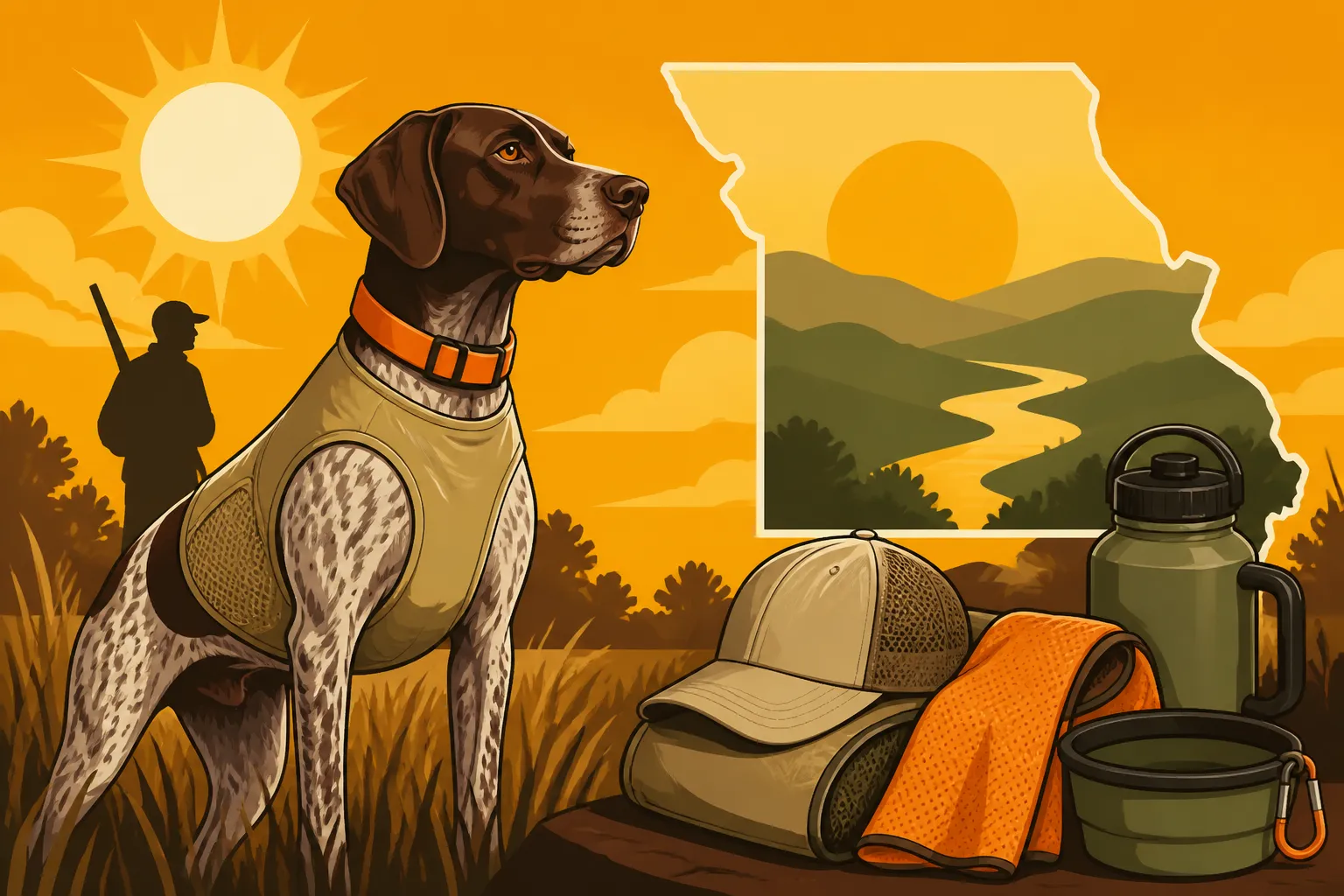
Water is non-negotiable. You need to carry more than you think you will, and it needs to be easily accessible for your dog. A collapsible water bowl that you can quickly fill is a must-have. There are also water bottles with integrated troughs that allow for easy, on-the-go hydration. I always carry at least two liters of water just for my dog on any warm weather hunt, sometimes more depending on the duration and intensity. Hydration packs designed for humans can work well for carrying extra water for your dog, or look into specific dog-centric vests that include water bladders.
Beyond plain water, electrolytes can be a game-changer, especially on longer hunts or multiple days in the field. Just like human athletes, working dogs lose essential minerals through sweat (albeit in much smaller amounts as they mostly cool by panting) and heavy exertion. Adding an electrolyte supplement to their water helps replenish these vital salts and encourages them to drink more. Brands like Re-Lyte or specific canine electrolyte mixes can be purchased. Always introduce these at home first to ensure your dog tolerates them well. Think of it as performance fuel, not just water. It makes a real difference in sustained energy. Water Carriers for Dogs in Heat are a necessity, not a luxury.
Cooling Vests and Accessories
Cooling vests are an incredible innovation for working dogs in hot climates. These vests typically work by either soaking in water and providing evaporative cooling, or by containing cold packs. The evaporative cooling vests are often lightweight and can be re-wetted as needed, helping to keep the dog's core temperature down as they move. Some vests also offer UV protection, which can be beneficial for dogs with lighter coats or thinner fur.
Other accessories like cooling bandanas or neck wraps, often filled with cooling gels or designed to be soaked in water, can also help. These target key areas where blood vessels are close to the surface, aiding in heat dissipation. While no single piece of gear is a magic bullet, these items, used in conjunction with frequent water breaks and careful monitoring, can provide a critical layer of protection. Always ensure the vest fits properly and doesn't restrict movement or cause chafing. You might consider using an app like GoHunt to scout potential hunting areas, noting any natural water sources or shaded spots that could aid in cooling during the hunt.
Shade and Rest During Hunts
Even with the best gear, strategic breaks are crucial. No matter how tough your dog seems, pushing them continuously in the heat is a recipe for disaster. Plan your hunts with built-in rest periods. Seek out shade under trees or in thicker timber every 30-45 minutes, or more frequently if it's exceptionally hot. This is a great time to offer water, check their pads, and just let them lie down for a few minutes.
Sometimes, the best gear is simply good judgment. If it’s going to be a 90-degree day, maybe that full-day hunt for Hunting Missouri Dove Fields in September needs to be cut short, or restricted to just the early morning or late evening hours. A quick five-minute break in the shade can dramatically lower your dog's core temperature and prevent it from spiraling out of control. Don't be afraid to put them on a leash and force a break if they're too driven to stop on their own.
Protecting Paws and Skin
It's not just internal temperature we need to worry about; the external environment in Missouri can be harsh on a dog's body, especially their paws and skin. Rough terrain, sharp stubble, and even direct sun exposure can lead to painful injuries or burns.
Durable Dog Boots and Their Importance
A dog's paw pads are incredibly tough, but they're not invincible, especially against the abrasive surfaces found in Missouri's fields and timber. Think about freshly cut corn stalks, sharp flint rock common in the Ozarks, or even just long distances over gravel roads. Dog boots are essential for protecting those pads from cuts, scrapes, thorns, and burns from hot ground. On a sunny day, asphalt and even dark dirt can reach temperatures hot enough to severely burn a dog's pads in minutes.
Investing in a good set of durable dog boots can save your hunt and prevent a painful recovery for your dog. Look for boots with rugged soles and a secure fastening system that won't slip off easily in dense cover. It takes time to get a dog accustomed to wearing boots, so start training them at home well before opening day. Have them wear them for short periods, increasing the duration, and reward them with treats and praise. This way, they'll be ready for action when it counts. Check out Bird Dog Boots and Cut Pads for more detailed advice.
First Aid for Pads and Minor Injuries
Even with boots, accidents can happen. Having a comprehensive first-aid kit specifically for your dog is as important as your own. Key items for paw and skin care include: antiseptic wipes or spray, gauze rolls and pads, vet wrap or self-adhering bandages, medical tape, a small pair of scissors, and a paw balm or antibiotic ointment.
If a pad gets cut or torn, clean the wound thoroughly, apply an antiseptic, and bandage it securely. This can get them through the rest of the day or at least back to the truck for proper veterinary attention. Minor scrapes and abrasions on their legs or belly from pushing through heavy brush can be cleaned and treated to prevent infection. Remember, dogs lick their wounds, so anything you apply should be non-toxic if ingested in small amounts. Knowing how to quickly address these common field injuries can make all the difference in a dog's comfort and recovery.
Protecting Skin from Sun and Brush
Dogs, especially those with short coats, light-colored fur, or sparse hair on their bellies and noses, can get sunburned. Just like us, prolonged exposure to intense UV rays can lead to skin irritation, peeling, and even increase their risk of skin cancer over time. While a cooling vest offers some sun protection, for very sensitive areas, you might consider dog-specific sunscreens. Never use human sunscreen on your dog unless specifically approved by a vet, as many contain ingredients toxic to canines.
Beyond the sun, the dense, thorny brush found in many Missouri upland covers can cause abrasions and punctures. While boots protect the paws, chest and belly protectors can shield these vulnerable areas from sharp sticks, briars, and thorns as your dog pushes through cover. These are typically made of durable, tear-resistant fabric and can extend the life of your hunting partner by preventing painful injuries that might sideline them for weeks.
Tracking and Safety Technology
In the heat of the moment, when your dog is on point or chasing a cripple, it's easy to lose track of them, especially in Missouri's varied terrain, from rolling fields to thick timber. Technology has given us incredible tools to enhance both safety and efficiency in the field.
GPS Collars for Peace of Mind
GPS tracking collars have revolutionized bird dog hunting. These devices allow you to constantly monitor your dog's location, speed, and even how far they've traveled, all from a handheld unit or a smartphone app. In Missouri's vast public lands or private tracts with dense cover, a dog can quickly disappear from sight, especially if they're ranging wide or chasing a running bird. Losing a dog in the heat is a terrifying prospect, as they can quickly become disoriented and overheat if you can't find them.
Brands like Garmin, SportDog, and Alpha systems are popular among serious bird hunters. These devices often combine GPS tracking with e-collar functions, giving you both location and control. Some even allow you to set virtual fences or mark waypoints for water sources. Imagine being able to see exactly where your dog is, even when they're out of sight behind a ridge or in a thick draw. This dramatically reduces the stress of losing a dog and allows you to call them back or move to their location quickly if they're showing signs of distress. Planning your hunt using a mapping tool like GoHunt or similar, which integrates with GPS devices, can help you identify open areas versus dense cover, and mark potential hazards.
E-Collar Use in Training and Control
E-collars, or electronic collars, are another invaluable tool when used correctly and humanely. They are not primarily for punishment but for communication and control, especially when your dog is at a distance and focused intently on game. In situations where your dog might be overworking in the heat or ranging too far from water, a gentle vibration or tone command can be used to call them back for a break or a drink, potentially preventing an overheating incident.
Proper training with an e-collar is essential. It should be introduced gradually and positively, always associating the stimulation with a known command. An e-collar can provide peace of mind that you can control your dog even when they’re out of sight, preventing them from running into dangerous situations like busy roads, deep water, or simply pushing themselves to exhaustion. For a deeper dive, check out E-Collar Use on Public Ground.
High-Visibility Gear for You and Your Dog
When hunting in Missouri, especially during early seasons when other hunters might be out or when visibility can be low in dense cover, high-visibility gear is critical for safety. While not directly related to heat protection, preventing accidents means your dog can live to hunt another day.
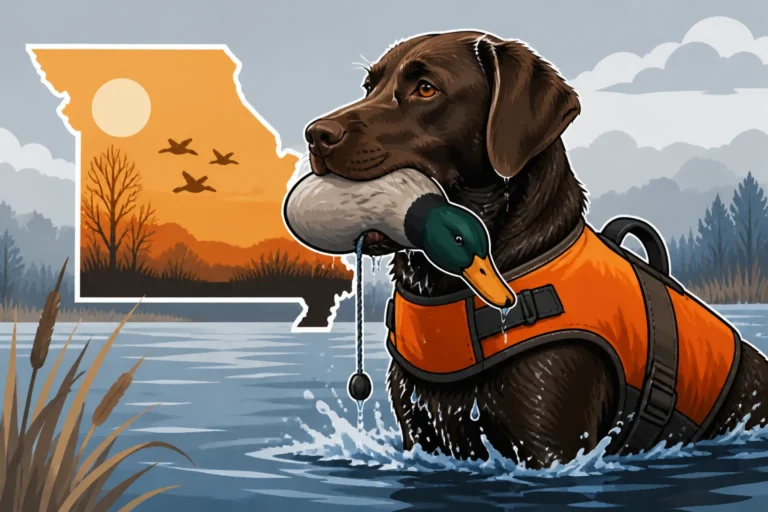
Outfitting your dog with a bright orange vest or bandana makes them much easier to spot against the natural background, especially in the woods or tall grass. This is crucial for both you and other hunters in the area. Many dog vests come in blaze orange or bright yellow for this exact reason. For yourself, remember that Orange Requirements for Missouri Archers or firearms hunters means you should also be highly visible. The goal is to maximize safety for everyone in the field, ensuring your dog is seen and not mistaken for game.
| Gear Item | Primary Benefit | Secondary Benefit (Warm Weather) | Considerations |
|---|---|---|---|
| Portable Water Bowl | Easy hydration access anywhere | Immediate relief from panting | Size, collapsibility, ease of cleaning |
| Electrolyte Supplement | Replenishes vital minerals, encourages drinking | Prevents dehydration fatigue | Introduce at home, ensure dog tolerates taste |
| Cooling Vest | Evaporative/cold pack cooling of core | Sun protection for back/chest | Fit, re-wetting frequency, durability |
| Dog Boots | Protects paws from cuts, thorns, hot surfaces | Prevents burns from hot ground | Durability, secure fit, acclimation time |
| GPS Collar | Tracks dog's location, prevents loss | Helps locate dog quickly if in distress | Battery life, signal range, mapping integration (GoHunt) |
| E-Collar | Remote communication and control | Can call dog back for breaks/water | Proper training, humane use, multiple stimulation types |
| High-Visibility Vest | Makes dog visible to hunters | Some offer light insulation (cooling vest) | Brightness, durability, doesn't impede movement |
| Dog First-Aid Kit | Addresses field injuries immediately | Minor burns, cuts from debris | Comprehensive, accessible, specific for canine needs |
Nutrition and Post-Hunt Recovery
Hunting with your bird dog in warm Missouri weather isn't just about the gear you carry; it's also about what you put into their bodies before, during, and after the hunt. A well-nourished dog with proper recovery support will perform better and be more resilient to the stresses of heat and exertion.
Specialized Diets for Active Dogs in Heat
A high-quality diet is the foundation of any working dog's health. For dogs that hunt in warm weather, their diet needs to provide sustained energy without creating an excessive metabolic load that generates more internal heat. Look for premium dog foods formulated for active or performance dogs, which typically have a higher fat content for energy and a balanced protein level for muscle maintenance and repair.
Avoid feeding your dog a large meal right before a strenuous hunt in the heat, as digestion itself generates heat. Instead, feed smaller, more frequent meals, or feed their main meal several hours before or after the hunt. Some hunters even switch to a slightly less calorie-dense food during the warmest parts of the season to avoid overfeeding and excess heat production, then ramp it up again when the weather turns truly cold. Discussing dietary adjustments with your veterinarian is always a good idea to ensure your dog is getting the right balance for their individual needs and activity level.
Post-Hunt Electrolyte and Protein Support
Just as electrolytes are important during the hunt, they, along with protein, are crucial for post-hunt recovery. After hours of working in warm conditions, your dog's muscles will be fatigued, and their body will be depleted of essential nutrients. Offering an electrolyte-rich drink or supplement immediately after the hunt helps rehydrate them and kickstarts the recovery process.
High-quality protein supplements or recovery chews can aid in muscle repair and replenishment. Think of it as hitting the "reset" button for their system. These supplements can reduce muscle soreness and help your dog bounce back faster for the next day's hunt. Remember, consistency in hydration and nutrition helps prevent cumulative fatigue and makes your dog more robust against the demands of hunting in Walking Missouri Quail Country for multiple days.
Recognizing and Preventing Exhaustion
Exhaustion is different from simple fatigue; it's a profound state where the dog's body can no longer adequately perform. A dog that is truly exhausted is at a much higher risk for illness, injury, and overheating. Signs of exhaustion include extreme lethargy, reluctance to move, persistent panting even after a long rest, and a lack of interest in food or water.
Preventing exhaustion means listening to your dog and paying attention to their behavior. Don't push them if they're showing signs of slowing down, even if you’re close to finding that next covey. Build rest days into your hunting schedule, especially if you’re doing multi-day trips. Ensure they have a comfortable, cool, and quiet place to rest back at camp or home. A good night's sleep and proper nutrition are just as important as the hunt itself for preventing burnout and ensuring your dog's longevity as a hunting partner.
Training and Acclimation for Warm Weather
You wouldn't run a marathon without training, and the same principle applies to your bird dog working in challenging weather. Proper training and gradual acclimation are key to building stamina and resilience against the Missouri heat.
Gradual Acclimation to Heat
You can't expect your dog to go from lounging in an air-conditioned house to working hard for hours in 80-degree weather without issues. Acclimation is a slow process that needs to start weeks, if not months, before the season opens. Begin with short, low-intensity training sessions during the cooler parts of the day (early morning or late evening) when temperatures are still elevated but not extreme.
Gradually increase the duration and intensity of these sessions, slowly introducing them to slightly warmer conditions. Pay close attention to their breathing and energy levels. This allows their body to adapt to the heat, improving their cardiovascular fitness and their ability to regulate body temperature. Never rush this process; slow and steady wins the race when it comes to heat acclimation. This is particularly important for Hunting the Missouri Rut in Early November when weather can be unpredictable, swinging from mild to hot in a single day.
Short, Frequent Training Sessions
Instead of long, grueling sessions, especially in warmer weather, opt for shorter, more frequent training bursts. A 15-20 minute retrieve session in the heat, followed by a cool-down period and water, is much more beneficial and safer than a 45-minute non-stop grind. These short bursts help build muscle and stamina without overstressing their system.
Focus on quality over quantity. Even simple drills like "whoa" or "fetch" can be beneficial. These sessions also provide opportunities to reinforce commands and practice handling, which are critical in the field. When scouting areas or walking a new piece of ground, consider taking your dog for short walks with plenty of water breaks. This allows them to get familiar with the terrain and scents in a controlled, safer environment.
Knowing Your Dog's Limits
Every dog is an individual. What one dog can handle, another might struggle with. Factors like breed (short-nosed breeds like Boxers or Bulldogs are especially susceptible to heat), age, overall health, and fitness level all play a role in their heat tolerance. A young, fit Labrador might handle more heat than an older English Setter, for example.
It’s your responsibility as the owner and hunting partner to know your dog’s specific limits. Watch for subtle changes in their behavior, listen to their breathing, and trust your gut. If you feel like your dog is struggling, they probably are. Don't be swayed by the excitement of the hunt or the desire to bag more game. The health and well-being of your dog must always come first. End the hunt, get them cooled down, and learn from the experience. A live, healthy dog means many more hunts together.
Disclaimer
This article is for general informational purposes only and does not constitute professional advice. Laws, prices and regulations vary by location and change over time. Consult a qualified professional for guidance on your specific situation.