Water Carriers for Dogs in Heat
Hunting with your canine companion in Missouri is one of life's true pleasures, but anyone who's spent a sweltering September afternoon in a dove field or walked miles of rocky Ozark ridgetops with a hard-running bird dog knows the very real danger of dehydration. Dogs can overheat much faster than humans, and ensuring they have access to fresh, cool water is absolutely non-negotiable for their health and your peace of mind. This guide will walk you through everything you need to know about choosing and using water carriers to keep your hunting dog hydrated and happy in the field.
Why Hydration is Non-Negotiable for Hunting Dogs in Missouri
It’s easy to get caught up in the thrill of the hunt, but neglecting your dog's hydration can turn a fantastic day into a veterinary emergency in a heartbeat. Missouri weather, especially during early seasons like dove, squirrel, or even early quail, can be brutally hot and humid. Your dog, working harder than you are, running through thick cover, and often wearing a thick coat, is at a much higher risk of overheating and dehydration.
The Dangers of Dehydration and Heatstroke
Think about your dog's body temperature. Dogs don't sweat like humans do across their skin; they primarily cool themselves by panting. When it's hot and they're working hard, their internal temperature can rise rapidly. If they don't have enough water to replenish fluids lost through panting, they quickly become dehydrated. Dehydration escalates quickly to heatstroke, which is a life-threatening condition. Symptoms can include excessive panting, lethargy, bright red gums, vomiting, diarrhea, staggering, and even collapse. Imagine being miles from your truck, your dog down and out, with no immediate access to help. It's a nightmare scenario no hunter wants to face.
Understanding Your Dog's Water Needs in the Field
A dog's water needs are significantly higher when they are actively hunting compared to lounging at home. Factors like ambient temperature, humidity, the intensity of their work, and their individual metabolism all play a role. A high-energy retriever busting through heavy cover on a 90-degree day will need far more water than a sedate beagle still-hunting for rabbits on a cool November morning. Over the course of a day, a working dog might need to drink several liters of water. It's not just about offering water at the start and end of the hunt; it's about consistent, small-amount hydration throughout the day. This proactive approach is critical to prevent their systems from getting stressed.
Choosing the Right Water Carrier: Factors to Consider
With so many options on the market, selecting the ideal water carrier for your hunting dog can feel a bit overwhelming. But when you break it down, it really comes down to balancing capacity, portability, durability, and ease of use in the specific hunting scenarios you face in Missouri. Many hunters, especially those who rely on resources like GoHunt for gear research, will tell you that a durable water carrier is an absolute must-have.
Capacity and Duration of Your Hunt
This is perhaps the most critical factor. How long will you be out? How many dogs are you taking? A quick two-hour squirrel hunt on a cool morning might only require a small bottle, but an all-day quail excursion in late September demands a much larger supply. Overestimate rather than underestimate. You can always pour out excess water, but you can’t conjure it from thin air. For longer hunts, especially if you're deep in public land like parts of the Mark Twain National Forest Hunting where water sources are questionable or non-existent, carrying several liters per dog isn't an exaggeration.
Portability and Weight
You’re already carrying your shotgun, ammunition, game bag, and maybe an Upland Vests With Water Capacity for yourself. Adding bulky, heavy water for your dog can quickly become a burden. Look for carriers that are designed to be compact when empty or that distribute weight effectively. Hydration packs with multiple reservoirs, or systems that can be attached to your pack, are excellent for keeping your hands free and balancing the load. Remember, water itself is heavy – about 8.3 pounds per gallon – so every ounce counts on a long walk through dense timber or rocky terrain.
Durability for Missouri Hunting Conditions
Missouri hunting can be tough on gear. Think about the thick briars and multiflora rose in old farm fields, the sharp rocks in Ozark creek beds, or the possibility of dropping your gear while negotiating a steep bluff. Your water carrier needs to withstand punctures, drops, and general abuse. Thin plastic bottles or flimsy collapsible bowls might be fine for a park stroll, but they won't cut it when you're Walking Missouri Quail Cover With a Dog or pushing through dense river bottom thickets. Look for rugged materials like heavy-duty nylon, food-grade silicone, or robust BPA-free plastics. Even if you only hunt occasionally, investing in quality now will save you headaches later.
Ease of Use and Cleaning
When your dog is panting, tired, and thirsty, you don’t want to be fumbling with complicated caps or struggling to get water into their bowl. Quick and easy access is key. Similarly, at the end of the day, you'll want a carrier that's simple to clean to prevent bacteria and mold buildup. Wide-mouth openings for bottles, or collapsible bowls that can be easily rinsed and dried, are significant advantages. For any gear that comes into contact with your dog's mouth, cleanliness is paramount for their health.
Types of Water Carriers for Hunting Dogs
The market offers a wide array of water carriers, each with its own benefits and drawbacks. Understanding the different types can help you pinpoint the best solution for your hunting style and your dog's needs. From minimalist options to more robust setups, there's something for every scenario.
Collapsible Bowls and Water Bottles with Integrated Bowls
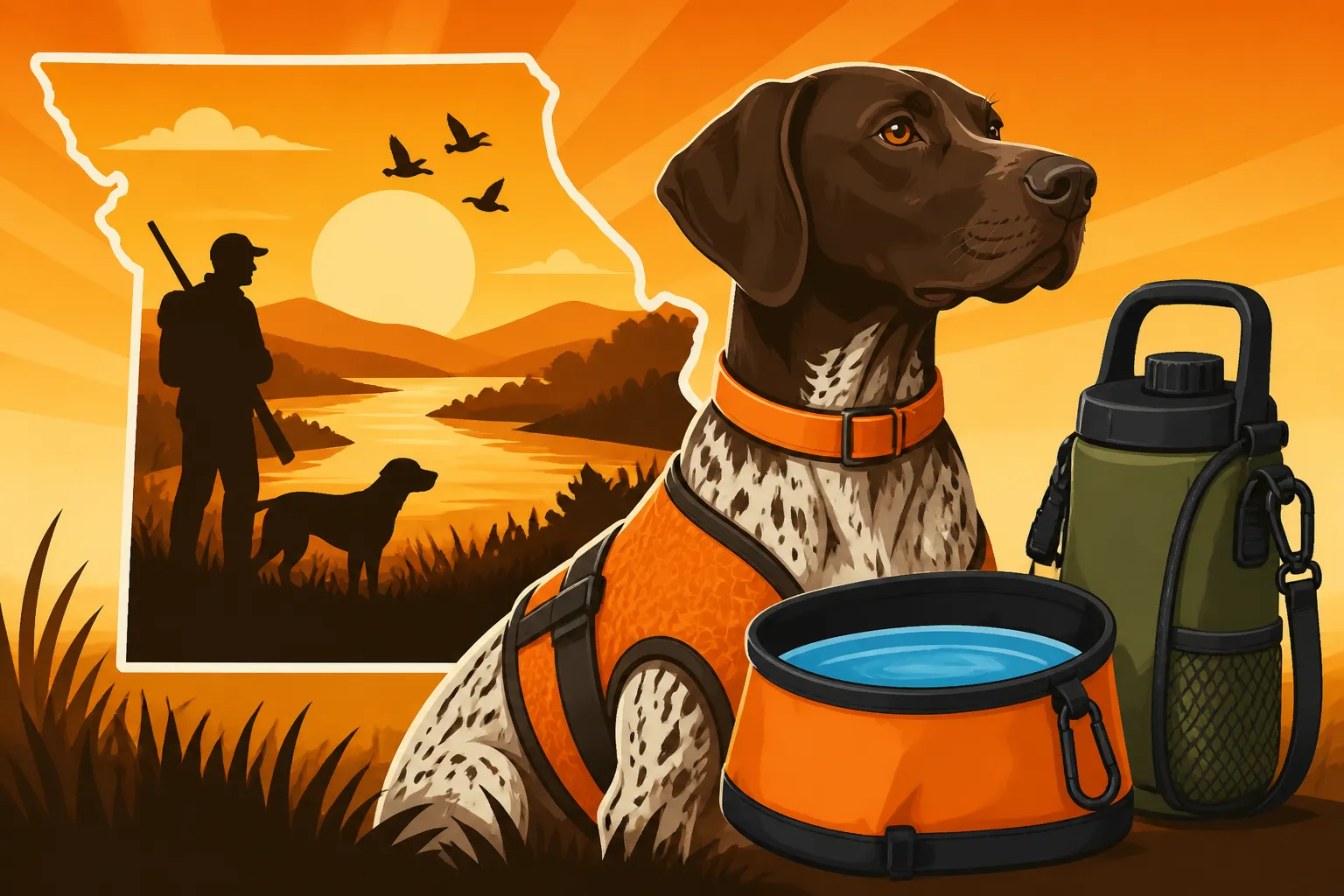
These are perhaps the most common and simplest solutions. Collapsible bowls, often made from silicone or durable fabric, fold down flat for easy storage in a vest pocket or small pack. You simply pour water from your own bottle or a larger reservoir into the bowl. Integrated water bottles, like those you might find recommended on GoHunt, combine a water reservoir with an attached, fold-out bowl, making it a self-contained unit.
Pros:
- Highly Portable: Many collapsible bowls are incredibly lightweight and can be tucked into almost any pocket.
- Versatile: Can be used with any water source you carry or find (if safely treated).
- Affordable: Generally the most budget-friendly option.
Cons:
- Limited Capacity: Relies on a separate water source, so the amount of water you can carry is limited by your other containers.
- Can Be Messy: Pouring from one container to another can lead to spills, especially with a very eager dog.
- Durability Varies: Some fabric or thin silicone bowls might not hold up to repeated abuse in heavy cover.
Dedicated Dog Hydration Packs
Just like human hydration packs, these are designed to carry water specifically for your dog. They often feature a water bladder with a hose and a dispensing nozzle or a small bowl attachment. Some even come as dog vests with built-in water bladders, allowing the dog to carry some of its own water, though this needs to be introduced slowly and carefully.
Pros:
- Hands-Free: Distributes weight across your body or the dog's, keeping your hands free for hunting.
- Good Capacity: Can carry significant amounts of water, ideal for Hunting Missouri Dove Fields in September or Squirrel Hunting in Oak Hickory Timber on hot days.
- Less Spillage: Designed for controlled dispensing directly into a bowl or the dog's mouth.
Cons:
- Can Be Bulky: Even when empty, the pack itself takes up space.
- Requires Cleaning: Bladders and hoses need thorough cleaning and drying to prevent mold.
- Higher Cost: Generally more expensive than basic bottles or bowls.
Portable Water Tanks and Jugs for Base Camp or Vehicle
For hunters who primarily hunt from a vehicle or have a base camp setup, larger portable water tanks or insulated jugs can be a godsend. These aren’t meant for carrying deep into the woods but are perfect for topping off water bottles or refilling bowls back at the truck after a long retrieve during a Missouri Flooded Timber Duck Hunting trip.
Pros:
- Very High Capacity: Can hold multiple gallons of water, ensuring a large supply for multiple dogs or long days.
- Convenient for Refills: Keeps a fresh supply readily available at your vehicle or camp.
- Can Keep Water Cool: Insulated versions keep water colder for longer, a huge benefit in hot weather.
Cons:
- Not Portable for Field Use: Too heavy and bulky to carry far from the vehicle.
- Requires Vehicle Access: Only useful if you can easily return to your vehicle throughout the hunt.
- Can Be Expensive: Especially insulated, durable models.
Here's a quick comparison of common water carrier types for hunting dogs:
| Type of Carrier | Capacity Range | Portability | Durability | Ease of Use | Best Use Case |
|---|---|---|---|---|---|
| Collapsible Bowl (Silicone) | Relies on other water | Excellent (folds) | Good | Very easy | Short hunts, supplementing main water source |
| Bottle with Integrated Bowl | 500ml – 1 Liter | Very Good | Good | Easy | Medium duration hunts, quick access |
| Dog Hydration Pack/Vest | 1 – 3 Liters | Good (hands-free) | Very Good | Moderate (bladder) | Long, strenuous hunts, remote areas |
| Large Portable Jug/Tank | 5 – 20 Liters | Poor (vehicle/camp) | Excellent | Very easy (spigot) | Base camp, vehicle-based hunting, multiple dogs |
| Human Hydration Pack (shared) | 1 – 3 Liters | Excellent (hands-free) | Very Good | Moderate (bladder) | Multi-purpose, when you carry your own water too |
Practical Tips for Hydrating Your Dog in the Field
Having the right gear is only half the battle; knowing how to use it effectively and recognizing your dog’s needs are equally important. Think of it as a crucial part of your overall Bird Dog Gear for Missouri Heat strategy. Proactive hydration prevents problems before they start.
Establish a Hydration Schedule
Don't wait for your dog to show signs of thirst. By then, they might already be mildly dehydrated. Instead, build regular water breaks into your hunting routine. For example, offer water every 30-45 minutes of active work, or more frequently if it's exceptionally hot and humid. A good rule of thumb is to give small amounts of water frequently rather than a large amount all at once. Too much water too quickly can sometimes lead to stomach upset or bloat, especially in larger, deep-chested breeds. This is particularly crucial during early fall when you're deer scouting or Hunting Missouri's Fall Turkey Season and the temperatures can still climb unexpectedly.
Recognize the Signs of Dehydration and Overheating
Being able to spot trouble early can save your dog’s life. Keep a close eye on your dog for any of these indicators:
- Excessive Panting: While normal after exertion, panting that is rapid, shallow, and doesn't subside quickly is a red flag.
- Thick, Sticky Saliva: Normal saliva is thin; sticky or ropy saliva indicates dehydration.
- Dry Gums: Gums should be moist and pink. If they feel dry or tacky to the touch, your dog needs water.
- Sunken Eyes: A clear sign of significant fluid loss.
- Lethargy or Weakness: Uncharacteristic slowness, lack of enthusiasm, or difficulty keeping up.
- Staggering or Collapse: An emergency situation requiring immediate action.
If you notice any of these signs, stop hunting immediately. Get your dog to a shady spot, offer water, and if the symptoms persist or worsen, head to the nearest vet. Cooling measures like wetting their paws and belly with cool (not ice cold) water can also help.
Carrying Extra Water and Emergency Measures
Always, always carry more water than you think you'll need. There's nothing worse than running out. Consider carrying an extra liter or two in a separate bottle in your pack, perhaps in addition to what's in your Upland Vests With Water Capacity. If you're on a multi-day trip or hunting very remote areas, you might also consider a portable water filter for yourself and your dog if you encounter a reliable water source that you can treat. While natural springs or streams might look appealing, always assume they could contain parasites or bacteria and treat the water if you're not absolutely certain of its purity. Think ahead for your dog's safety as much as you do your own.
Staying vigilant about your dog's hydration is a sign of a responsible hunter and a loving companion. By choosing the right gear and implementing smart hydration practices, you’ll ensure many more seasons of happy, healthy hunting adventures together in the Missouri woods and fields.
Disclaimer
This article is for general informational purposes only and does not constitute professional advice. Laws, prices and regulations vary by location and change over time. Consult a qualified professional for guidance on your specific situation.