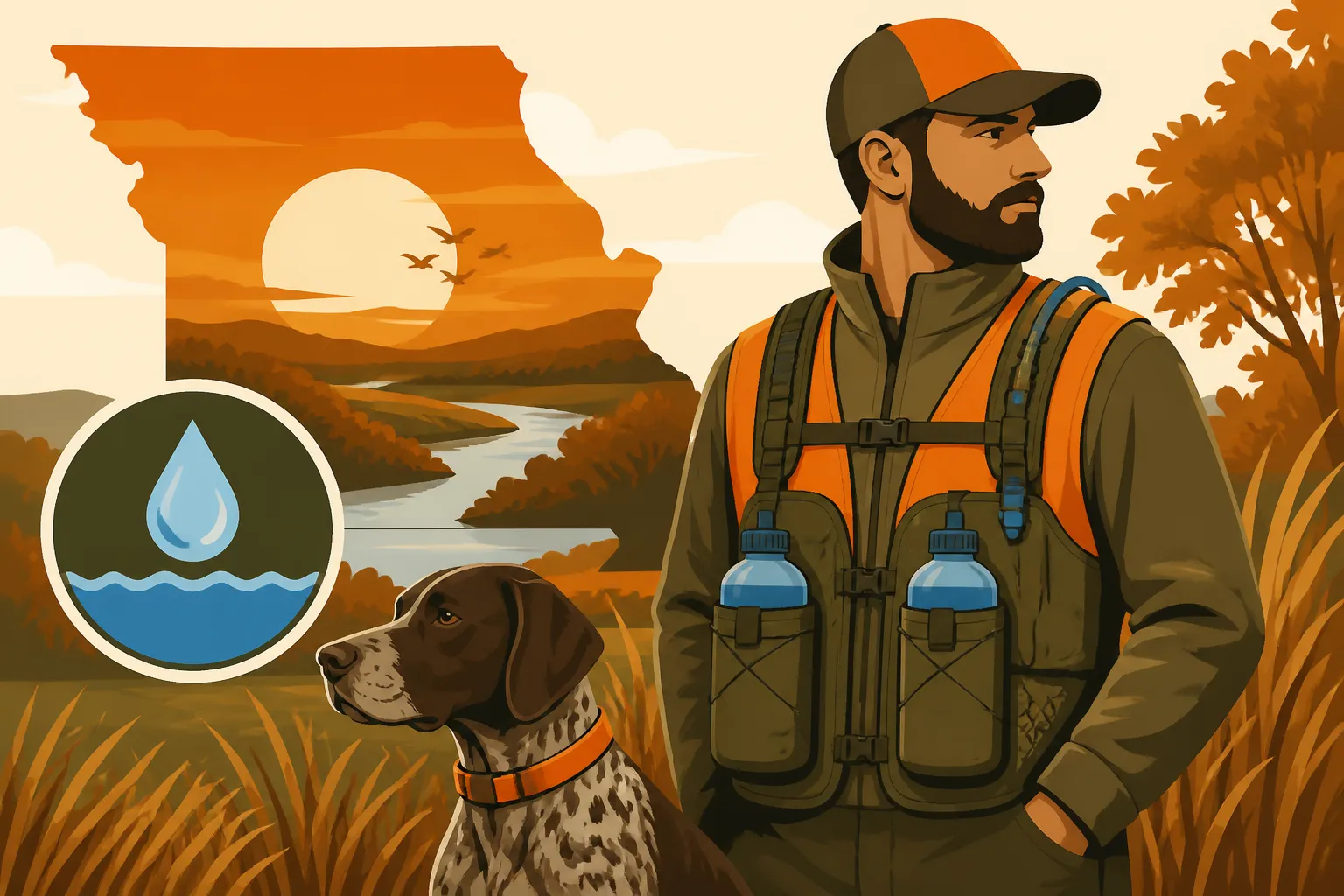
Upland Vests With Water Capacity
There's nothing quite like the feeling of walking through Missouri's upland cover, the crisp air, the anticipation with every step, and the whir of wings as a covey flushes. But for all the joy, there's also the reality of hard work, especially when the sun climbs high or the humidity hangs heavy. Many of us have found ourselves miles from the truck, parched, with only a small bottle of water that disappeared an hour ago. This guide is all about solving that problem by exploring how upland vests with integrated water capacity can be a game-changer for staying hydrated and comfortable on those long, demanding hunts across our diverse Missouri landscapes.
Why Water Capacity in an Upland Vest is a Game Changer for Missouri Hunters
Missouri's upland hunting, whether you're chasing bobwhite quail, pheasants, or even late-season rabbits, is a physically demanding endeavor. You're not sitting in a treestand or a duck blind; you're actively moving, covering ground, often pushing through thick cover. And when you're working hard, especially with a good bird dog ranging ahead, staying hydrated isn't just a comfort thing—it's a safety and performance essential. Trying to carry enough water in traditional pockets or a small bottle just doesn't cut it, and that's where a dedicated hydration system in your upland vest truly shines.
Battling Missouri's Variable Weather
Missouri weather has a mind of its own, doesn't it? You can start a crisp October morning with a heavy jacket, only to be shedding layers and sweating by noon. The same goes for the quail opener in early November; a cold front might push through, but a high-pressure system could bring Indian summer temperatures that leave you struggling. Even in the heart of winter, a sunny day spent walking miles can leave you dehydrated.
Think about those days. You're bundled up, but the exertion of busting through thickets and walking across fields quickly raises your core temperature. Sweating is your body's way of cooling down, but it also means you're losing vital fluids. If you're relying on a small canteen you have to dig out of a pack, you're less likely to drink as frequently as you should. An integrated hydration bladder with a bite valve hose makes sipping water effortless, letting you stay ahead of dehydration without breaking stride or fumbling around. It's a subtle but significant difference that can mean the difference between cutting a hunt short due to fatigue and pushing on for another covey.
The Demands of Missouri's Diverse Upland Terrain
From the fescue fields and CRP strips of northern Missouri farm country to the brushy draws and timbered edges of the Ozarks, upland hunting here offers incredibly varied terrain. Each type of cover presents its own physical challenge. Pushing through dense honeysuckle or multiflora rose on a property line, slogging across muddy crop fields, or navigating uneven ground in timbered creek bottoms – it all takes a toll. Walking Missouri Quail Country means covering a lot of ground, often uphill and down, through thick cover that can feel like swimming.
This constant movement, combined with carrying a shotgun and sometimes a limit of birds, significantly increases your body's water demand. Traditional vests or small game bags might have room for a bottle or two, but they rarely offer the capacity to truly sustain you for several hours of rigorous hunting. A vest with a 2-liter or 3-liter hydration bladder ensures you have ample water to keep going, even when you're deep in the heart of a public land tract, far from any readily available water source. It means less worrying about running dry and more focus on your dog and the hunt.
Comfort and Convenience on Long Walks
Let's be honest, we all appreciate comfort when we're out in the field. A poorly designed vest can create hot spots, restrict movement, or simply feel heavy and cumbersome. Upland vests specifically designed with hydration in mind often feature thoughtful ergonomics. The weight of the water is distributed evenly across your back, often close to your core, which feels far better than a heavy bottle swinging in a side pocket.
The convenience factor is huge, too. No more stopping, shedding your vest, digging out a bottle, unscrewing a cap, taking a few gulps, and repeating the process. With a hydration hose, a quick lean of your head, a bite on the valve, and you're hydrated. It's seamless. This means you can stay focused on your dog's movements, the terrain ahead, and potential bird sign without breaking your rhythm. When you're trying to stay quiet and observant while Working Field Edges and Draws for Quail, having water instantly available is a major advantage. Brands like GoHunt often prioritize this kind of thoughtful design, understanding that every little bit of comfort and efficiency adds up over a long day.
Key Features to Look for in Upland Vests with Hydration Systems
When you're investing in an upland vest with water capacity, you're looking for more than just a place to carry water. You need a piece of gear that integrates seamlessly with your hunting style, can stand up to the rigors of Missouri's terrain, and keeps you comfortable and efficient all day long.
Integrated Hydration Bladders and Sleeves
The heart of these vests is, of course, the hydration system itself. Most vests will accommodate a standard hydration bladder, typically ranging from 1.5 to 3 liters. For most Missouri upland hunts, a 2-liter bladder is a sweet spot, offering enough water for several hours without being overly bulky or heavy.
Look for vests that feature a dedicated, insulated sleeve for the bladder. Insulation helps keep your water cool on warmer days and prevents it from freezing too quickly on those bitter cold hunts. The routing for the drinking tube is also critical. Good vests will have clips or loops to keep the tube secure and positioned within easy reach, preventing it from flopping around or getting snagged on brush. Some higher-end bladders also come with quick-disconnect features, making it easier to fill and clean without wrestling the entire bladder out of the vest. Pay attention to the bite valve itself – a good one will be easy to activate, won't leak, and will provide a steady flow of water.
Smart Pocket and Storage Design
Beyond the water, an upland vest needs to be a mobile command center for all your gear. You'll need designated pockets for shotgun shells, ideally with external loops or easy-access flaps so you can reload quickly during a covey rise. Many vests feature larger rear game bags, sometimes expandable, which are essential for carrying your birds comfortably and cleanly. The size of the game bag can vary, so consider how many birds you typically harvest. Some have internal dividers to keep different species separate or to provide additional storage.
Beyond shells and birds, think about what else you carry: a whistle for your dog, a first-aid kit, a GPS unit or phone, snacks, a spare leash, maybe even a small knife or multi-tool. Look for a vest with a variety of pockets—zippered for security, mesh for quick drying, and easily accessible for frequently used items. Some vests, for example, feature chest pockets that are perfect for a cell phone or license, keeping them secure yet within easy reach. GoHunt often reviews vests that excel in smart storage solutions, helping hunters find the perfect balance between capacity and accessibility.
Durability and Material Choices for Missouri Cover
Missouri's upland cover can be brutal on gear. Thorns, briars, thick brush, and even sharp rocks can tear through flimsy fabrics in short order. When choosing an upland vest, prioritize durability. Look for robust materials like heavy-duty nylon, Cordura, or ripstop fabrics that are designed to resist snags and tears.
Reinforced stitching in high-stress areas, like shoulder straps and pocket attachments, is also a must. Water-resistant or DWR (Durable Water Repellent) coatings can be a bonus, especially on days with light drizzle or heavy dew. Consider the balance between weight and durability; you want tough, but not so heavy it becomes a burden. The goal is a vest that will last season after season, shrugging off the abuse that comes with Walking Missouri Quail Restoration Landscapes.
Adjustability and Fit for All-Day Comfort
A well-fitting vest is paramount for comfort, especially when you're wearing it for hours on end, carrying weight, and moving dynamically. Look for vests with a high degree of adjustability. Shoulder straps should be padded and easily adjustable to accommodate different body types and layering systems. Side straps or waist belts are crucial for cinching the vest securely, preventing it from bouncing around and distributing the load effectively across your hips, rather than just on your shoulders.
Some vests even offer internal frame sheets or structured back panels that help the vest maintain its shape and further aid in load distribution. A snug but not restrictive fit will prevent chafing and fatigue. Before you buy, consider trying the vest on with the type of clothing you'd typically wear hunting, and if possible, try it with some weight in the game bag and water in the bladder to get a true feel for how it performs. A well-adjusted vest makes a noticeable difference in how you feel at the end of a long day in the field.
Practical Considerations for Using Your Hydration Vest in Missouri
Getting the right vest is just the first step. To truly make the most of an upland vest with water capacity, you need to understand how to properly use and maintain it, especially given the unique challenges of hunting in Missouri.
Filling and Maintaining Your Hydration System
Proper care of your hydration bladder and tube is crucial for both hygiene and longevity. Always use clean, potable water. After each hunt, especially if you've added electrolyte tablets or flavored drinks to your water, it's vital to clean the bladder thoroughly. Warm soapy water, specialized cleaning tablets, or a mild bleach solution can be used, followed by a thorough rinse. Make sure to hang the bladder upside down to dry completely to prevent mildew and bacterial growth. Some bladders are reversible, making cleaning even easier.
In cold weather, preventing your water from freezing is key. Keeping the bladder full, blowing water back into the bladder from the tube after each sip, and wearing the tube under your jacket can all help. Insulated tubes are also a good investment if you plan on hunting in freezing temperatures. In warm weather, filling the bladder with ice and then topping it off with water can keep your drink refreshingly cool for much longer. Always have a backup plan for water, even with a hydration vest, especially on extended trips.
Pairing Your Vest with Other Essential Gear
Your upland vest is one piece of a larger system. How it integrates with your other gear can make or break your comfort. Consider your base layers and outer shell – will the vest rub uncomfortably against certain fabrics? Will it interfere with your shotgun mount?
Many hunters find that a good moisture-wicking base layer is essential to prevent sweat buildup under the vest. For outerwear, a lightweight, brush-resistant shirt or jacket that allows for a full range of motion is ideal. Ensure your vest doesn't impede access to other items you might carry, such as a GPS, compass, or a small first-aid kit that might be attached to your belt or worn on a separate pouch.
Another critical consideration is Upland Vests and Quail Gear. Your vest should complement your shotgun, allowing for a comfortable and quick mount to the shoulder. Pay attention to how the shoulder straps lie and if they create any bulk that interferes with your cheek weld. Some vests have specific padding or designs on the shoulder for better gun support. It's all about making sure your gear works with you, not against you, when a covey flushes unexpectedly.
Hunting Scenarios Where Hydration Vests Shine
While beneficial in almost any upland hunting scenario, some situations truly highlight the advantage of a hydration-equipped vest in Missouri.
- Long Walks on Public Land: When you're exploring vast tracts of Mark Twain National Forest Hunting or a large Conservation Area, water points can be few and far between. A hydration vest ensures you're self-sufficient for hours, allowing you to push deeper into less pressured areas.
- Warm Early Season Days: The early days of the quail or pheasant season can still see significant heat. Having constant access to water is critical for both you and your dog's safety and performance.
- Mountainous/Hilly Terrain: Whether you're hunting the steep draws of the Ozarks or working rolling farm ground, the physical exertion of climbing and descending increases your fluid loss. A hydration vest keeps you fueled without requiring frequent stops.
- Hunting with a High-Energy Dog: If you're working a wide-ranging pointer or setter, you'll be covering a lot of ground quickly. Your dog needs water, and so do you. The convenience of a hydration vest means you can often offer water to your dog from your bladder (with a portable bowl) without much fuss.
- Covering Large Restoration Landscapes: Places managed for upland birds, like those mentioned in Finding Coveys on a Restoration Landscape, often involve walking extensive, open areas that can be exposed to sun and wind, further accelerating dehydration.
Popular Brands and Models
The market for upland vests has seen some incredible innovation, especially in the integration of hydration systems. While I can't name specific models or current prices, I can tell you what generally sets reputable brands apart and how to think about finding the right vest for you. When checking out reviews or looking for products, searching on sites like GoHunt can often give you a good overview of what's available and what other hunters are saying.
What Sets Top Brands Apart
Leading brands in upland hunting gear distinguish themselves through a combination of superior materials, thoughtful design, and rigorous testing in real-world conditions. They often utilize durable, specialized fabrics that resist briars and abrasion, employ heavy-duty zippers and hardware, and feature ergonomic designs that distribute weight efficiently. Their hydration systems are typically integrated seamlessly, with quality bladders, well-routed tubes, and easy-to-use bite valves.
Beyond functionality, top brands often pay attention to details like scent control in certain fabrics, specialized pockets for specific items like electronics or first-aid, and overall aesthetic appeal. Many offer various sizes and adjustable features to ensure a good fit for a wide range of body types. While you might pay a bit more for a premium brand, the investment often translates into greater comfort, durability, and a more enjoyable hunting experience that lasts for many seasons.
Finding the Right Vest for Your Budget
Upland vests with hydration capacity come in a wide range of price points, from more basic models to high-end, feature-rich options. Your budget will naturally play a role in your decision, but it's important to consider value over just the initial cost. A less expensive vest that falls apart after a season or causes discomfort might end up costing you more in the long run if you have to replace it or if it detracts from your hunting enjoyment.
Here's a general guide to help you think about your options:
| Feature Category | Entry-Level Options | Mid-Range Options | Premium Options |
|---|---|---|---|
| Hydration System | Basic bladder, simple sleeve, exposed tube | Quality bladder, insulated sleeve, secure tube routing | Top-tier bladder, insulated & accessible sleeve, quick-disconnects |
| Material Durability | Standard nylon, adequate stitching | Ripstop nylon, reinforced stress points | Heavy-duty Cordura/specialized fabrics, double stitching |
| Storage & Pockets | Main game bag, basic shell pockets, few accessory pockets | Organized pockets for shells/accessories, expandable game bag | Specialized pockets for all gear, multiple zippered compartments, dedicated phone/GPS pocket |
| Comfort & Fit | Basic adjustable straps, minimal padding | Padded shoulder straps, waist belt, moderate adjustability | Highly adjustable, ergonomic design, load-distributing features, superior padding |
| Key Considerations | Best for occasional hunters, lighter cover | Good balance of features/durability for regular hunters | Designed for serious, frequent hunters, demanding conditions |
When researching, look for honest reviews from other upland hunters. Websites and forums dedicated to hunting can be great resources. Remember, the "best" vest isn't always the most expensive one; it's the one that best suits your specific hunting style, the terrain you cover in Missouri, and your personal comfort needs. Don't be afraid to try a few on, load them up, and move around to see how they feel. Ultimately, a good hydration vest will keep you comfortable, hydrated, and focused on what truly matters: the birds, your dog, and the timeless tradition of upland hunting.
Disclaimer
This article is for general informational purposes only and does not constitute professional advice. Laws, prices and regulations vary by location and change over time. Consult a qualified professional for guidance on your specific situation.