Insulated Boots for Long Sits
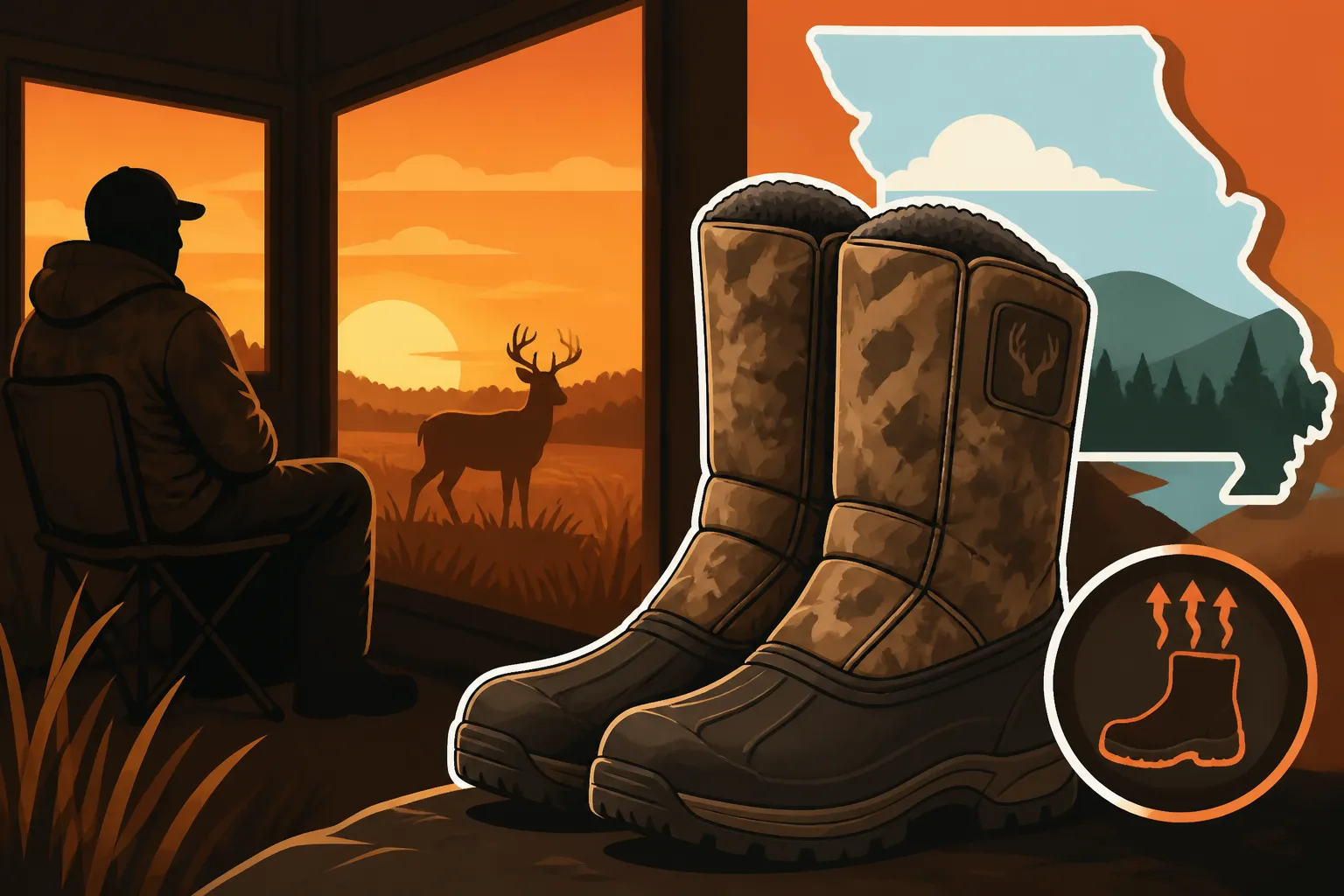
There’s nothing worse than sitting on your stand in the pre-dawn chill, waiting for legal shooting light, only to feel that tell-tale icy creeping sensation starting in your toes. It’s a battle many Missouri hunters face, a cruel distraction that cuts short precious hunting time and sends you back to the truck feeling defeated rather than refreshed. This guide is all about equipping you with the knowledge to pick the right insulated boots, ensuring your feet stay warm and comfortable, allowing you to focus on the hunt, not the cold.
The Frustration of Cold Feet on Stand
You've done all the scouting, found the perfect pinch point, set your treestand up just right, and checked the wind meticulously. You're ready for a long, patient sit, but if your feet start freezing within the first hour, all that preparation goes right out the window. It’s a common complaint, especially in Missouri’s unpredictable weather, where a crisp morning can quickly turn into a bone-chilling afternoon, or a damp, cold front can roll in overnight.
Why Cold Feet Ruin a Hunt
When your feet get cold, it’s not just uncomfortable; it’s a full-body distraction. Your body instinctively tries to conserve heat by restricting blood flow to your extremities, making your core feel relatively warm while your toes feel like ice blocks. This physiological response can lead to shivering, decreased focus, and an overwhelming urge to pack up and leave. How many times have you climbed down early, convinced that the deer simply weren't moving, only to realize later that you were just too cold to stay? It's a frustrating cycle that costs you valuable time in the woods and can even lead to missing opportunities because you’re too focused on wiggling your toes or stomping your feet. A truly successful long sit is about mental fortitude, but even the strongest will can break when the cold permeates your boots.
The Science of Staying Warm (or Rather, Losing Heat)
Understanding how your body loses heat is key to combating cold feet. Heat loss primarily occurs through conduction (touching cold surfaces), convection (cold air moving across your skin), radiation (your body emitting heat), and evaporation (sweat turning to vapor). For your feet, conduction through the ground or cold treestand platform is a major culprit, as is convection when that biting Missouri breeze whips around your stand. When your boots aren't adequately insulated, or if they get wet, they become thermal bridges, actively drawing heat away from your feet. Moisture, whether from sweat or external sources, is a massive heat robber because water conducts heat away from your body much faster than air. That's why even the best insulation can fail if your feet are damp inside. The goal of insulated boots is to trap a layer of warm air around your feet, creating a barrier against these heat-stealing forces.
Key Features to Look For in Insulated Boots
Choosing the right insulated boot isn't just about grabbing the pair with the highest gram rating. It's about a combination of features that work together to keep your feet comfortable in varied conditions. Investing in quality footwear is one of the smartest decisions a serious hunter can make, impacting everything from your ability to walk long distances to your capacity for Cold Weather Sitting Strategy.
Insulation Levels: Grams of Thinsulate and Beyond
Most insulated boots you'll find for hunting will list their insulation in "grams," often referring to synthetic materials like Thinsulate. This number indicates the weight of insulation per square meter. The higher the gram count, the warmer the boot should be. For mild early season hunts in Missouri, 200-400 grams might suffice. As you get into late October and November, particularly during the Missouri's November Firearms Portion, you'll likely want 800-1200 grams. For truly brutal, sub-freezing late-season sits, some hunters even opt for 1600 grams or more. However, it's not solely about the grams. The type of insulation matters too; some newer synthetic blends offer superior warmth-to-weight ratios. Also, consider that more insulation often means a bulkier boot, which can impact mobility if you're doing a lot of still-hunting or walking through thick cover. A good rule of thumb is to match the insulation to your activity level and the coldest temperatures you expect to face while stationary.
Waterproofing and Breathability: A Crucial Balance
In Missouri, waterproofing is non-negotiable. Whether you're slogging through dewy fields at dawn, crossing a shallow creek, or navigating muddy deer trails after a rain, your boots will encounter moisture. Look for boots with a reliable waterproof membrane, such as Gore-Tex or similar proprietary technologies. These membranes create a barrier against external water while ideally allowing internal moisture (sweat) to escape. The breathability aspect is just as important as the waterproofing. If your boots aren't breathable, your feet will sweat, and that trapped moisture will eventually make your feet cold, negating the insulation. Finding that perfect balance between keeping water out and allowing sweat vapor to escape is critical for sustained warmth and comfort. Remember, a boot that's waterproof but not breathable is essentially a plastic bag for your foot – great for keeping water out, terrible for keeping you warm once you start to sweat.
Fit, Comfort, and Support for Long Hours
A well-insulated boot won't do you any good if it's uncomfortable or doesn't fit properly. Ill-fitting boots can cause blisters, reduce circulation (making your feet colder), and make long walks feel like a death march. When trying on boots, wear the type of socks you'd normally hunt in, and try them on at the end of the day when your feet are slightly swollen. Ensure there's enough room in the toe box for your toes to wiggle, but not so much that your foot slides around. Heel lift should be minimal. Pay attention to arch support, especially if you have a high arch or flat feet, as good support helps prevent fatigue over long days afield. The overall weight and flexibility of the boot are also important considerations. A lighter, more flexible boot might be better for active hunting like Still-Hunting a Missouri Ozark Hollow, while a heavier, stiffer boot might offer more support for carrying heavy loads or traversing extremely rugged terrain. It’s worth checking out reviews on sites like GoHunt to see what other hunters say about fit and comfort for specific models.
Choosing the Right Insulation for Missouri's Variable Weather
Missouri's hunting seasons throw a wide range of temperatures and conditions at us. What works perfectly for a bowhunt in early October will leave you shivering during the late muzzleloader portion. Tailoring your boot choice to the specific season and expected conditions is paramount.
Early Season to Late Archery Considerations
When Missouri's Archery Season Opens in mid-September, you might be dealing with daytime temperatures in the 70s or even 80s, with chilly but rarely freezing mornings. For these early hunts, heavy insulation is usually overkill and will only lead to sweaty, uncomfortable feet. A lightweight, waterproof boot with minimal insulation (200-400 grams) or even uninsulated, waterproof hiking boots are often ideal. The key here is breathability to manage sweat and prevent overheating. As you transition into late October and early November, leading into Hunting the Pre-Rut in Late October, temperatures can drop significantly, especially in the mornings. This is when 600-800 gram boots start to shine, providing enough warmth for long sits without being excessively bulky for walks to the stand. Remember to consider your activity level – if you’re covering a lot of ground, you’ll generate more body heat, so slightly less insulation might be appropriate.
Firearms and Alternative Methods Portions
The November firearms portion is often a mixed bag in Missouri. You can have unseasonably warm days, or you can have blustery, freezing conditions. For most of the Missouri's Eleven-Day November Firearms Deer Season, a boot with 800-1200 grams of insulation is a solid all-around choice. This provides ample warmth for sitting for several hours in typical November cold, while still allowing for reasonable mobility if you need to still-hunt or participate in a deer drive. As you move into the late archery season, the Missouri's Alternative Methods Portion in December, and the late antlerless portions, the mercury truly drops. This is when 1200-1600 gram boots become essential, especially for those long, motionless sits in a treestand or ground blind. When the ground is frozen solid or covered in snow, that extra insulation directly beneath your feet is invaluable. Don't skimp on insulation for these colder periods; your hunt depends on it.
Extreme Cold and Multi-Day Hunts
For the truly bitter cold snaps that sometimes hit Missouri in late December and January, or for multi-day hunts where you’ll be exposed to the elements for extended periods, you might even consider specialized expedition-grade boots with 2000+ grams of insulation, or overboots designed to go over your existing boots. These are often rubber boots with thick, removable liners, offering maximum warmth and waterproof protection. While they can be bulky and not ideal for extensive walking, for an all-day sit in a blind or stand when temperatures are consistently in the single digits or below, they are game-changers. For extended hunts, having a second, lighter pair of boots for walking to and from the stand, and then switching to your super-insulated boots for the sit, can be a great strategy. Regardless of the boot, ensure you have a robust sock system, which we'll discuss next, to complement your footwear choice. You can find detailed reviews on various boot options and their suitability for different conditions on hunting community platforms like GoHunt.
Maximizing Warmth Beyond the Boots
Even the best insulated boots can't do it all. A holistic approach to foot warmth, including proper socks, supplemental heat, and good boot maintenance, is crucial for those long, productive sits.
Sock Systems: The Unsung Heroes
The socks you choose are just as critical, if not more so, than the boots themselves. A good sock system wicks moisture away from your skin, provides additional insulation, and prevents friction. Avoid cotton socks at all costs, as cotton absorbs moisture and loses its insulating properties when wet, quickly leading to cold feet. Instead, opt for wool or synthetic blends. Many hunters employ a two-layer system:
- Inner Layer (Liner Sock): A thin, moisture-wicking synthetic or merino wool liner sock that pulls sweat away from your foot.
- Outer Layer (Insulating Sock): A thicker merino wool or synthetic blend sock that provides the primary insulation. The thickness will depend on the temperature and the amount of room in your boot.
Ensure your socks fit well – too tight and they restrict circulation; too loose and they can bunch up and cause blisters. Carrying an extra pair of dry socks in your pack to change into mid-day can make a world of difference, especially if your feet tend to sweat. You can also look for performance socks designed for hunting that offer targeted cushioning and arch support, which are a real blessing on those long walks to find the perfect Treestand Setups in Hardwood Timber.
Foot Warmers and Supplemental Heat
When all else fails, or for those truly brutal days, supplemental heat can be your best friend. Chemical foot warmers are small, air-activated packets that can be slipped into your boots or attached to your socks. They provide hours of low, consistent heat and are invaluable for those motionless hours on stand. Just be sure to place them correctly – under your toes or on top of your foot, not directly on the sole where they might cause discomfort or burn if too hot. Rechargeable electric heated socks or insoles are another option, offering adjustable heat levels and the ability to turn them on and off as needed. While they represent a larger upfront investment, many hunters find them worth every penny for the comfort and extended sit times they provide. Just remember to charge them fully and bring a portable power bank if you plan on using them for multiple days or very long single sits.
Off-Season Care and Maintenance
Your insulated boots are an investment, and proper care will extend their lifespan and ensure they perform when you need them most. After each hunt, clean off any mud or debris. Allow them to air dry completely, ideally in a well-ventilated area away from direct heat sources. Never store wet boots in a sealed container or bag, as this can lead to mildew, rot, and breakdown of waterproofing membranes. Use boot dryers (with gentle heat or just fan-only settings) to speed up internal drying. Periodically re-treat the exterior with a DWR (Durable Water Repellent) spray to maintain its water-shedding properties. Check for any cracks or worn spots in the rubber or seams, and repair them promptly. For leather boots, condition them regularly to prevent drying and cracking. By taking care of your boots, you're taking care of your feet, ensuring they'll be ready for many more long, comfortable sits in the Missouri woods, whether you're chasing deer, turkeys, or small game like in Squirrel Hunting in Oak Hickory Timber.
Choosing the right insulated boots for long sits is about understanding the conditions, the technology, and your own body's needs. It's a key piece of the puzzle for staying comfortable and effective in the field, helping you transform those teeth-chattering hours into memorable hunting successes.
Disclaimer
This article is for general informational purposes only and does not constitute professional advice. Laws, prices and regulations vary by location and change over time. Consult a qualified professional for guidance on your specific situation.