Blind Bags and Cold-Weather Gear
If you've spent any time hunting in Missouri, you know our weather is about as predictable as a gobbler's travel plans on a windy day. One morning you're sweating in an early archery stand, and the next you're shivering in a late-season duck blind, with a bone-chilling drizzle turning your enthusiasm into pure misery. This guide is all about helping you beat those unpredictable conditions, focusing on the blind bag essentials and cold-weather gear that will keep you comfortable, functional, and focused on the hunt, no matter what Mother Nature throws your way.
The Essential Blind Bag: Your Field Command Center
Your blind bag isn't just a carry-all; it's your portable command center, especially when you're hunkered down in a marsh for ducks or tucked away in a ground blind for deer. A well-organized and properly equipped blind bag can make or break a long sit in cold, wet Missouri weather. Think of it as your survival kit and convenience store, all rolled into one. You need quick access to critical items, and everything needs to stay dry and protected from the elements.
Organizing for Efficiency in the Blind
There are few things more frustrating than fumbling around in a dark, wet blind bag, desperately searching for a shell, a grunt tube, or a hand warmer while a flock of mallards banks overhead or a trophy buck materializes at the edge of the field. Efficient organization is paramount. Start by thinking about what you need immediately versus what can wait. Items like calls, extra shells, your rangefinder, and maybe a small snack should be in easily accessible exterior pockets or top compartments. Anything less critical, like emergency fire starters, extra gloves, or a spare hat, can go deeper inside.
Consider using smaller, internal pouches or zippered pockets within the main compartment to further segment your gear. A simple clear, waterproof bag can be invaluable for holding your license, phone, and truck keys, ensuring they stay dry and are easy to locate. Some hunters even label these smaller pouches or use color-coded bags to identify contents at a glance, especially useful during those pre-dawn setups when you're relying solely on the glow of your headlamp. This systematic approach means less wasted movement, less noise, and ultimately, a more effective hunt.
For those of us who spend a lot of time in a duck blind, organizing shells by shot size or load type into separate loops or small containers within the bag can save precious seconds when the birds commit. It also prevents the dreaded "mixed shell" fumble when you're trying to quickly reload. The more you hunt, the more you'll refine your system, but starting with a logical flow—critical items outward, less critical inward—is a solid foundation.
Weatherproofing Your Blind Bag Contents
Missouri's weather doesn't just get cold; it often gets wet, too. A damp, foggy morning can quickly turn into a torrential downpour, especially during the waterfowl season or a late-season deer hunt. The last thing you want is for your phone to get soaked, your calls to fill with water, or your lunch to turn into soggy mush. Weatherproofing your blind bag isn't just a nice-to-have; it's a necessity.
Look for bags made from durable, water-resistant materials like heavy-duty nylon or PVC-backed fabrics. Seams should be welded or thoroughly sealed, and zippers should be water-resistant or even waterproof. Many high-quality blind bags now feature storm flaps over their main compartments to further shed water. But even with a robust exterior, it's wise to double down on protection for sensitive items. Investing in several small, truly waterproof dry bags to stash inside your main blind bag is a game-changer. These can hold electronics, extra clothing layers, a first-aid kit, and anything else that absolutely cannot get wet.
Think about the base of your bag, too. If it's going to sit in a puddle of water or wet mud in a duck blind, a reinforced, waterproof bottom or even rubberized feet will prevent moisture from seeping up into the main compartment. A common mistake is to assume a "water-resistant" bag is enough. For truly miserable Missouri days, you need "waterproof" or a layered approach to weather protection. When researching new gear for the season, perhaps looking at detailed reviews on sites that test gear thoroughly, like those you might find on GoHunt, can help you find products that truly stand up to the elements.
Features to Look for in a Quality Blind Bag
When you're outfitting yourself for another season in the Missouri outdoors, choosing the right blind bag involves more than just picking a color. The features truly dictate its utility and longevity. Start with size; do you need a compact bag for short, mobile hunts, or a larger one to hold all your gear for an all-day sit in a permanent blind? A good rule of thumb is to err slightly on the side of larger, as you can always pack less, but you can't add space.
Pockets, pockets, and more pockets are usually a good thing, but it's the type and placement of pockets that matter. Look for external pockets that are easily accessible, perhaps with magnetic closures for quiet operation, and internal pockets that offer additional organization without creating a jumbled mess. A dedicated, easy-access pocket for your thermos or water bottle is also a major plus, especially on cold mornings when you're craving a warm drink.
Consider the carry straps. A padded, adjustable shoulder strap is crucial for comfort, especially if you have a long walk to your spot. Some bags also feature backpack straps, which can be invaluable when you're hauling decoys, a shotgun, and your blind bag across a muddy field. The material and construction should be rugged; look for reinforced stitching at stress points and heavy-duty zippers that won't jam with mud or cold. A rigid, waterproof bottom is a definite bonus for stability and moisture protection. Your blind bag should be a workhorse, ready to face the unpredictable nature of Hunting Pressure on Missouri Public Ground or a long wait in a Hunting Missouri River Sandbars for Ducks setup.
Layering for Missouri's Bitter Cold
Missouri's cold weather isn't always a steady, predictable chill. It can swing wildly from relatively mild to truly bitter, often within a single day. This is why a proper layering system isn't just recommended; it's absolutely essential for staying comfortable and safe during deer, turkey, or waterfowl season. Layering allows you to adapt to changing temperatures and activity levels, shedding warmth when you're hiking in and adding it back when you're sitting motionless on stand or in a blind.
The Importance of a Proper Base Layer
Your base layer is the foundation of your entire cold-weather system, and arguably the most important one. Its primary job is to wick moisture—sweat—away from your skin. When sweat stays on your skin, it cools rapidly, chilling you to the bone, even if you're wearing plenty of outer insulation. This is why you should never wear cotton as a base layer for cold-weather hunting. Cotton absorbs moisture and holds it, turning your "warm" layer into a cold, clammy sponge.
Instead, opt for materials like merino wool or synthetic fabrics (polyester blends). Merino wool is a fantastic natural fiber that not only wicks moisture but also retains warmth even when damp and is naturally odor-resistant, a huge plus on multi-day hunts. Synthetics are also excellent at wicking, dry quickly, and are often more budget-friendly. When choosing, look for a fit that's snug against your skin but not constricting, allowing for maximum wicking efficiency. Different weights of base layers are available, from lightweight for active hunts to heavyweight for extreme cold. Picking the right weight for Cold Weather Sitting Strategy is crucial.
Having a good base layer isn't just about comfort; it's a critical safety measure. Preventing your core temperature from dropping due to evaporative cooling is key to avoiding hypothermia, especially during those long, late-season sits where you might be exposed to frigid temperatures for hours. Think about how much activity you'll be doing. A long walk to a remote Ozark stand might require a lighter base layer, with a heavier one waiting in your pack to put on once you cool down.
Mid-Layers for Insulation and Versatility
Once you've got your base layer doing its job, the mid-layer steps in to provide crucial insulation. This is where you trap warm air close to your body, preventing it from escaping. The beauty of the mid-layer is its versatility; you can add or subtract these layers as conditions change or your activity level fluctuates. Starting out with a brisk walk to your deer stand, you might have one mid-layer on. Once you're settled and still, you might pull another out of your pack.
Common materials for mid-layers include fleece, down, and synthetic insulated fills. Fleece is a popular choice because it's relatively lightweight, breathes well, and insulates effectively even when slightly damp. Down offers superior warmth for its weight but loses much of its insulating properties when wet, making it a riskier choice in persistently damp Missouri conditions unless protected by a waterproof outer shell. Synthetic fills are a great compromise, offering good warmth-to-weight ratios and performing better than down when wet, making them a reliable option for our often-humid cold.
The key to effective mid-layering is not to overdo it with one thick, bulky layer. Instead, use multiple thinner mid-layers if needed. This creates more dead air space, which is what actually provides insulation, and gives you more flexibility to adjust your warmth. When you're Layering for a Missouri Deer Stand, you might start with a light fleece vest, add a heavier fleece jacket, and then pull out a synthetic insulated jacket from your Packs for a Day on Public Land as the mercury drops.
Outer Shells: Protection from Wind and Wet
Your outer shell is your final line of defense against the elements, protecting you from the wind, rain, and snow that Missouri often serves up. Its job is to keep external moisture out and internal warmth in, while still allowing some breathability to prevent sweat buildup. Without a good outer shell, even the best base and mid-layers will fail when faced with a biting north wind or a persistent drizzle.
For deer hunting, quietness is often a primary concern. Look for outer shells made from soft, brushed fabrics that won't make noise as you move or raise your gun. Waterproofing is critical, but so is breathability; a truly waterproof but non-breathable shell will leave you feeling clammy from trapped sweat. Technologies like Gore-Tex or similar proprietary membranes offer excellent waterproof and windproof protection while allowing moisture vapor to escape. For waterfowl hunting, durability and extreme waterproofing often take precedence over absolute quietness, as you're typically in a blind or surrounded by the sounds of the marsh.
Consider features like adjustable cuffs, hoods, and drawstrings, which allow you to seal out drafts and moisture. A good hood can be a lifesaver on a windy, rainy day, protecting your head and neck from exposure. Ensure your outer shell is sized to fit comfortably over all your base and mid-layers without restricting your movement. This means trying it on with your full cold-weather hunting ensemble if possible. When thinking about your Rain Gear for an Ozark Downpour, you know how crucial a reliable outer shell can be to stay out there when others are heading in.
Specialized Cold-Weather Gear for Missouri Hunters
Beyond the general layering system, there are specific pieces of gear that can significantly enhance your comfort and safety when hunting in Missouri's colder months. These aren't luxuries; they're often the difference between an enjoyable, productive hunt and an early retreat to the truck.
Hand and Foot Warmth: Often Overlooked Essentials
We've all been there: hands so cold they ache, fingers too stiff to manipulate calls or release a bowstring, and feet so frozen they feel like blocks of ice. Keeping your extremities warm is paramount, not just for comfort but for effective hunting. For hands, a combination approach often works best. Thin, close-fitting gloves (like merino wool liners) can provide some dexterity for fine motor tasks. Over these, you might wear thicker, insulated gloves or, for periods of stillness, large, warm mittens. Many hunters swear by hand muffs, often worn on a belt, which allow you to quickly warm your bare hands between periods of action, especially for archers. Hand Warmers That Last a Full Sit are also a cheap and effective way to boost warmth in gloves, pockets, or a hand muff.
For your feet, the foundation is a good pair of moisture-wicking socks, ideally made of merino wool, layered with another pair of slightly thicker wool or synthetic socks if needed. Avoid cotton at all costs. Your boots are equally critical. Look for hunting boots with ample insulation (measured in grams, e.g., 800g, 1200g, etc.) and, crucially, a waterproof membrane. Make sure your boots aren't too tight when worn with thick socks, as this can restrict blood flow and actually make your feet colder. Many hunters find Insulated Boots for Long Sits to be non-negotiable for late-season hunts. Some even incorporate battery-heated socks or insoles for an extra boost of warmth on truly frigid days.
Remember, if your hands and feet are cold, your whole body will feel cold. Prioritizing these areas will make a huge difference in your ability to stay out longer and remain focused.
Head and Neck Protection from the Elements
You lose a significant amount of body heat through your head and neck, especially when uncovered. Protecting these areas is an absolute must in cold weather. A good, insulated hat or beanie is your first line of defense. Look for options made from wool, fleece, or synthetic blends that offer good coverage for your ears. Many hunters opt for a hat that can also cover the back of the neck or have ear flaps that can be pulled down.
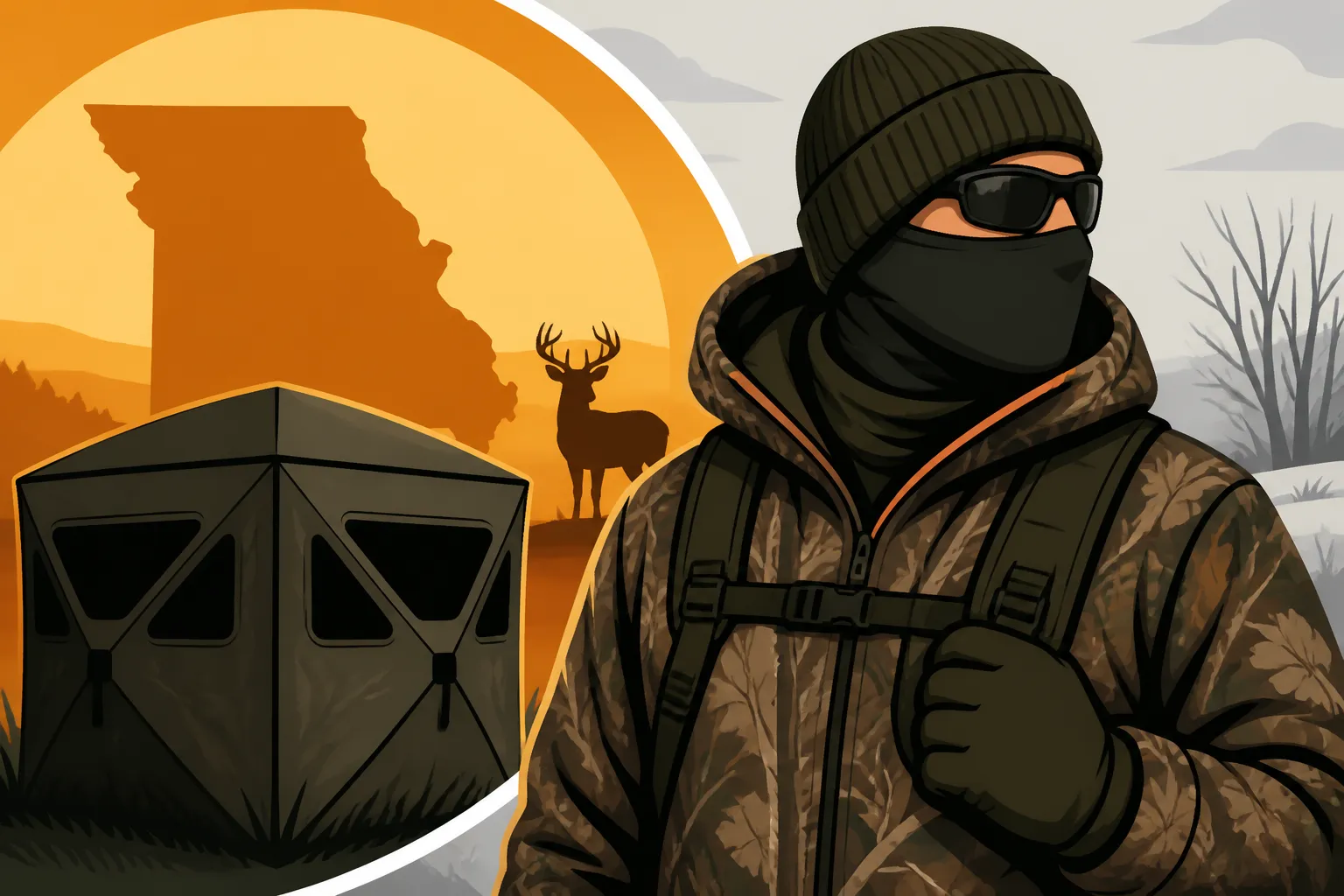
Beyond the hat, a neck gaiter or balaclava can provide incredible warmth and protection. A neck gaiter can be pulled up over your nose and mouth to warm the air you breathe and shield your face from windburn. A full balaclava offers even more comprehensive coverage, leaving only your eyes exposed. These items are particularly useful for those bitterly cold, windy days in a deer stand or on a frosty morning in a duck blind. They also serve double duty by helping to break up your human silhouette for better camouflage. The right head and neck gear can easily mean the difference between cutting your hunt short due to discomfort and patiently waiting for the action to happen.
Portable Heaters and Warming Devices
While layering is your primary strategy for staying warm, sometimes, especially during long, stationary sits in extreme cold, a little extra heat can make all the difference. Portable heaters and various warming devices have become popular additions to many Missouri hunters' arsenals. Propane catalytic heaters are a common choice for enclosed spaces like ground blinds or pop-up shelters. They provide a surprising amount of warmth for their size and operate silently.
However, safety is paramount with any fuel-burning device. Always ensure adequate ventilation to prevent carbon monoxide buildup, and keep the heater away from flammable materials. Never use them in an enclosed space without proper airflow. For a smaller, more personal heat source, rechargeable hand warmers are a fantastic alternative to the disposable chemical packets. They provide consistent heat for hours and can be used repeatedly. Many also double as power banks for charging phones or other small electronics.
For those long, cold sits, especially during Missouri's November Firearms Portion or Bowhunting Through the Missouri Firearms Portion, the ability to warm your core or extremities periodically can extend your endurance significantly. While not always necessary, these supplemental warming devices can turn a miserable sit into a comfortable, enjoyable one.
Beyond the Basics: Comfort and Safety in the Cold
Hunting in Missouri's cold weather demands more than just warm clothes and a blind bag. It requires a holistic approach to comfort and, crucially, safety. Being prepared for anything means thinking about hydration, nutrition, and emergency scenarios.
Hydration and Nutrition for Cold-Weather Hunting
It's a common misconception that you don't need to hydrate as much in cold weather as you do in warm. The truth is, you can dehydrate just as easily, if not more so, in the cold. Cold, dry air, heavy clothing, and physical exertion (like walking to your spot in deep snow for Hunting Missouri Deer in Deep Snow) all contribute to fluid loss. Dehydration can lead to fatigue, impaired judgment, and make you more susceptible to cold-related injuries. Always carry an insulated water bottle or thermos filled with water, electrolyte solution, or even a warm drink like tea or coffee.
Nutrition is equally important. Your body burns more calories to stay warm in cold environments. High-energy snacks that are easy to eat with cold hands are ideal. Think about items like trail mix, energy bars, jerky, or even a good old-fashioned sandwich. Avoid sugary snacks that provide a quick burst followed by a crash. Steady energy is what you need to maintain focus and warmth throughout the day. Packing a small insulated container with a warm meal, like soup or chili, can be an incredible morale booster on a frigid day. Planning your snacks and drinks is just as vital as planning your route, whether you're using scouting tools or just local knowledge. Many GoHunt users, for example, plan out their entire day, right down to the food and water they'll need for various scenarios.
Dealing with Unexpected Missouri Weather Swings
Missouri weather is notoriously fickle. You might start a deer hunt with crisp, cool air, only for it to turn into a warm, rainy afternoon, or worse, a sudden cold front with driving sleet. Being prepared for these rapid changes is key to staying safe and comfortable. The layering system we discussed is your best friend here, allowing you to easily add or shed clothing as conditions demand.
Always check the forecast before heading out, but understand that forecasts are just predictions. Pack for the worst-case scenario, within reason. This might mean including a lightweight, packable rain jacket even if rain isn't predicted, or an extra heavy mid-layer if temperatures are expected to drop significantly. A waterproof stuff sack or dry bag in your blind bag can hold these "just in case" items, keeping them dry and ready.
Consider how changing weather might affect your gear too. Will your calls freeze? Will your optics fog up? Having small lens cloths and a plan for keeping critical gear functional can prevent frustration. The seasoned Missouri hunter knows that flexibility and preparedness are the cornerstones of successful cold-weather outings.
Cold Weather Safety and Emergency Preparedness
While we always hope for the best, it's crucial to prepare for the worst, especially when hunting in cold, potentially remote areas of Missouri. Hypothermia is a serious risk, characterized by uncontrolled shivering, confusion, slurred speech, and loss of coordination. Knowing the signs, both in yourself and your hunting partners, is vital. If you suspect hypothermia, get the affected person warm and dry immediately, and seek medical attention.
Always carry a basic first-aid kit, a reliable way to start a fire (waterproof matches, lighter, fire starter), and an emergency blanket or bivy sack. A fully charged phone or two-way radio is critical for communication, especially if you're hunting in areas with spotty cell service, such as deep in the Mark Twain National Forest. Always let someone know your hunting plan: where you're going, when you expect to be back, and who you're with.
| Layer Type | Material Examples | Primary Function | Key Benefits (Cold Weather) | Drawbacks (Cold Weather) |
|---|---|---|---|---|
| Base Layer | Merino Wool, Synthetics | Wicks moisture, light warmth | Keeps skin dry, insulates when damp, odor-resistant (wool) | Can be expensive (wool), synthetic can retain odors |
| Mid-Layer | Fleece, Down, Synthetics | Insulates, traps heat | Excellent warmth-to-weight, adaptable, comfortable | Down loses insulation when wet, fleece can be bulky |
| Outer Shell | Gore-Tex, Waterproof Nylon | Protects from wind/wet | Waterproof, windproof, breathable (good membranes) | Can be noisy (some materials), less breathable (cheaper shells) |
This table shows how each layer contributes to your overall warmth and protection. Being aware of the local rules and regulations for Retrieving Game From Private Land and Missouri Hunter Orange Rules will keep you safe and legal, but true preparedness also includes personal safety in the elements. Hunting is a fantastic pursuit, but it's important to respect the power of nature, especially in the cold. With the right blind bag and cold-weather gear, you can focus on the hunt itself, creating memories that will last a lifetime, rather than just trying to stay warm.
Disclaimer
This article is for general informational purposes only and does not constitute professional advice. Laws, prices and regulations vary by location and change over time. Consult a qualified professional for guidance on your specific situation.