Where Nontoxic Shot Is Required in Missouri
There's nothing quite like the excitement of a new hunting season in Missouri, whether you're dreaming of flooded timber ducks or chasing upland birds across restored prairies. But let's be honest, trying to keep up with all the regulations can feel like tracking a ghost buck in thick fog. One area that often trips up hunters, especially those new to waterfowling or venturing onto specific public lands, is understanding exactly where nontoxic shot is a must. This guide is here to cut through the confusion and lay out precisely where you need to ditch the lead shot to stay legal and keep Missouri's incredible wildlife habitats healthy.
The Environmental Imperative: Why Nontoxic Shot Matters
Before we dive into the "where," it's really important to understand the "why." Nobody likes feeling like they're being told what to do, especially when it comes to long-standing hunting traditions. But the requirement for nontoxic shot in certain situations isn't about making things harder for hunters; it's about protecting our natural resources and the very game we cherish.
You see, lead is a heavy metal, and when it's deposited into the environment, it doesn't just disappear. For decades, hunters used lead shot for everything from ducks to deer. Over time, in frequently hunted areas, especially wetlands, a significant amount of lead accumulated. Waterfowl, particularly ducks and geese, are dabblers and grazers. As they forage for food in the mud and shallow water, they can easily ingest spent lead pellets, mistaking them for grit or seeds. Once ingested, the lead slowly poisons them. It's a painful, drawn-out process that weakens them, makes them susceptible to disease, and ultimately leads to death. This isn't just about the occasional bird; widespread lead poisoning can have a significant impact on local and migratory waterfowl populations.
It's not just ducks, either. Scavengers, like bald eagles and other raptors, can also be affected by lead. If a duck or other animal dies from lead poisoning, or is wounded by lead shot and later succumbs, a scavenging bird might feed on its carcass. The lead then transfers up the food chain, impacting these magnificent predators. While the focus of regulations often starts with waterfowl, the environmental benefit extends to many other species that interact with these habitats. It's about being responsible stewards of the land and the wildlife for future generations.
Mandatory Nontoxic Shot Zones and Species in Missouri
Now, let's get down to brass tacks: where exactly in Missouri do you absolutely have to use nontoxic shot? The rules are fairly straightforward once you understand the categories. Think of it in two main ways: species-specific requirements and location-specific requirements.
Waterfowl Hunting: A Statewide Rule
First and foremost, if you are hunting waterfowl, meaning ducks, geese, or coots, anywhere in Missouri, nontoxic shot is required by federal law. This isn't a state-specific rule that changes from county to county or area to area; it applies across the entire state, whether you're on a private farm pond or a massive federal refuge. There are no exceptions for waterfowl. This rule has been in place for decades and is crucial for the health of our migratory bird populations. When you're headed out for Missouri Flooded Timber Duck Tactics or setting up a goose spread in a cut cornfield, make sure your shotgun is loaded with steel, bismuth, or another approved nontoxic alternative.
Managed Wetland Areas: The "All Species" Rule
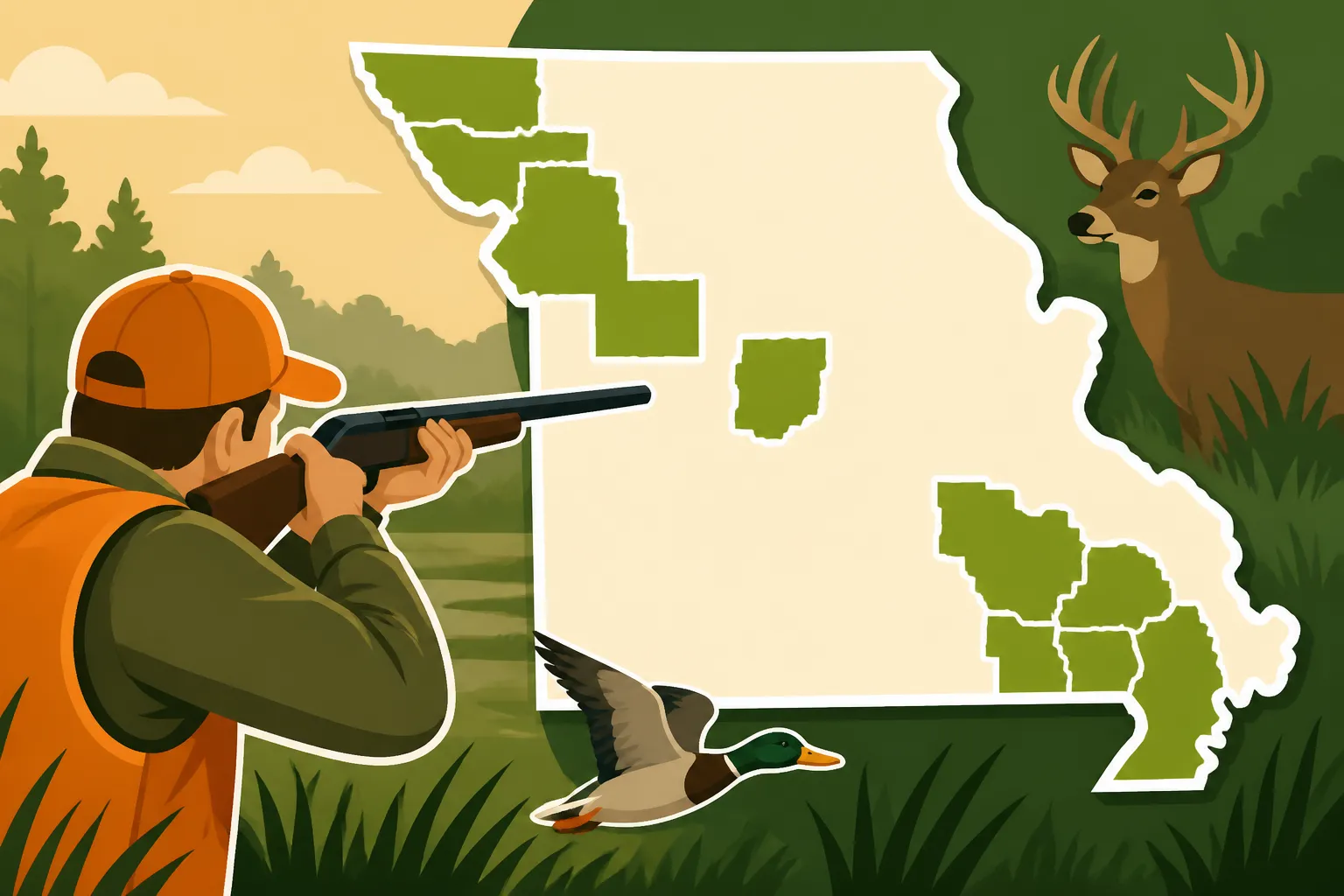
Beyond waterfowl, Missouri has specific public lands where nontoxic shot is required for all species being hunted. These are generally areas intensively managed for waterfowl and other wetland wildlife. The Missouri Department of Conservation (MDC) manages numerous Conservation Areas that fall into this category, as do federal refuges.
If you find yourself hunting on one of Missouri's managed wetland Conservation Areas, such as Duck Creek, Grand Pass, Eagle Bluffs, or Schell-Osage, you'll need to use nontoxic shot for any species you are pursuing. This means if you're out for squirrels or rabbits that happen to be in season on one of these specific CAs during the period when nontoxic shot is required, you can't use lead. These areas are designed to concentrate wildlife, making the risk of lead accumulation and subsequent poisoning much higher. Always check the specific area regulations, which are usually available in brochures or on the MDC website, before you head out. These details are paramount when considering Missouri Managed Wetland Draw System hunts.
Similarly, federal lands designated as National Wildlife Refuges within Missouri, like Loess Bluffs National Wildlife Refuge or Mingo National Wildlife Refuge, also mandate nontoxic shot for all hunting activities within their boundaries. Again, the key is to be informed about the specific area you plan to hunt. A tool like GoHunt can be invaluable for understanding land ownership and quickly accessing public land regulations, helping you identify these specific areas before you ever leave the driveway.
Here’s a quick summary to help clarify:
| Location/Species Category | Nontoxic Shot Required? | Common Examples/Notes |
|---|---|---|
| Waterfowl (Ducks, Geese, Coots) | YES | Statewide, regardless of private land, public land, or specific area rules. This is a federal mandate. |
| All Hunting on Managed Wetland CAs | YES | Applies to all game species when hunting on specifically designated managed wetland Conservation Areas (e.g., Duck Creek, Eagle Bluffs, Grand Pass, Schell-Osage, Ten Mile Pond). Check area brochures. |
| All Hunting on Federal Refuges | YES | Applies to all game species when hunting on National Wildlife Refuges (e.g., Loess Bluffs, Mingo NWR). Check refuge rules. |
| Doves, Rails, Snipe, Woodcock | NO | While not legally required for these species, using nontoxic shot is an excellent practice for environmental stewardship, especially in frequently hunted areas. |
| Upland Birds (Quail, Pheasant) | NO | Generally not required. However, always verify local regulations if hunting on public land, as a specific CA might have its own rule beyond the statewide or wetland-specific ones. |
| Deer, Turkey, Small Game (outside wetland CAs/refuges) | NO | Lead is generally permitted for these species in most areas, but again, always confirm for any specific public land property. |
This table should serve as a quick reference, but remember, knowing the specific area rules is always your responsibility.
Other Game Species and Locations
For species like mourning doves, rails, snipe, and woodcock, lead shot is generally not prohibited by statewide regulation. However, many conservationists and hunters choose to use nontoxic shot voluntarily when pursuing these birds, especially in high-traffic areas, to minimize lead deposition. It’s a personal choice that reflects a commitment to a healthier environment.
For upland game like quail and rabbits, and for big game like deer and turkeys, lead shot is typically allowed throughout most of Missouri. However, as noted above, if you happen to be pursuing these species within a managed wetland Conservation Area or a National Wildlife Refuge, the "all species" rule kicks in, and you would need to use nontoxic shot. For example, if you're Walking Missouri Quail Cover With a Dog on a CA that is primarily a wetland unit, you'd need to use nontoxic shot for those quail.
The takeaway? If you’re hunting waterfowl, it’s always nontoxic. If you’re hunting any species on a managed wetland CA or a federal refuge, it’s always nontoxic. For everything else, in most places, lead is currently permitted, but being a responsible hunter means checking your specific location's regulations diligently.
Nontoxic Shot Options: Choosing Your Ammunition
The good news is that hunters today have a wide array of excellent nontoxic shot options. Gone are the days when "steel shot" meant severely limited range and crippling birds. While steel is still the most common and often most affordable option, advancements in metallurgy have given us much better alternatives.
Steel Shot
Steel shot is by far the most widely used nontoxic alternative. It's affordable, readily available, and modern steel loads perform incredibly well, especially with today's advanced wads and choke designs. The main difference between steel and lead is density: steel is lighter than lead, meaning a steel pellet of the same size carries less energy and slows down faster. To compensate, most hunters either step up a shot size or two (e.g., if you shot #4 lead, try #2 steel) or use faster loads. Steel also doesn't deform like lead, leading to tighter patterns, which can be an advantage or a disadvantage depending on your shooting style and the scenario. For Missouri Flooded Timber Duck Tactics, steel is a very common choice.
Pros:
- Affordable: Generally the most budget-friendly nontoxic option.
- Available: Widely stocked in most sporting goods stores.
- Good Performance: Modern loads are highly effective within reasonable ranges.
Cons:
- Less Dense: Requires larger shot sizes or higher velocities for equivalent energy and range compared to lead.
- Harder: Can't be used with older, softer barrels or some full/extra full chokes without risk of damage. Always check your barrel and choke manufacturer's recommendations.
Bismuth Shot
Bismuth is a fantastic alternative that bridges the gap between steel and the more expensive tungsten alloys. It's denser than steel but softer than steel, meaning it's much closer to lead in terms of ballistic performance and can be safely used in older shotguns and with traditional chokes. Bismuth pellets also deform slightly on impact, delivering more energy transfer than steel. The downside is that it's noticeably more expensive than steel.
Pros:
- Denser than Steel: Closer ballistic performance to lead, less need to jump up shot sizes.
- Softer: Safe for use in older shotguns and with most chokes.
- Better Energy Transfer: Deforms slightly, delivering more punch.
Cons:
- More Expensive: Significantly pricier than steel.
- Less Available: Not as universally stocked as steel, though growing in popularity.
Tungsten-Based Shot
This category includes various alloys, often mixed with iron or other metals, like tungsten-iron or tungsten-matrix. Tungsten is incredibly dense, often much denser than lead. This means you can use smaller shot sizes for the same energy and range as lead, leading to higher pellet counts and devastating patterns. It's often considered the "gold standard" for nontoxic performance. However, this superior performance comes with a significantly higher price tag, making it a specialty load for many hunters. Some blends are softer, like tungsten-matrix, while pure tungsten can be very hard, similar to steel in terms of barrel/choke compatibility.
Pros:
- Extremely Dense: Unmatched ballistic performance, allowing for smaller shot sizes and incredible range.
- Superior Energy: Delivers tremendous knockdown power.
Cons:
- Very Expensive: Often the most costly option by a significant margin.
- Variable Hardness: Check specific product details for barrel/choke compatibility.
When selecting your nontoxic shot, consider what you're hunting, the ranges you expect, your budget, and the capabilities of your shotgun. It's always a good idea to pattern your shotgun with your chosen nontoxic loads, just as you would with lead, to understand its performance. This is especially true for Steel and Bismuth for Missouri Waterfowl.
Practical Considerations and Verifying Regulations
Understanding the general rules is one thing, but applying them in the field requires diligence. Here are some practical tips to ensure you're always using the correct ammunition:
Read Area-Specific Regulations
The single most important piece of advice: always read the current area-specific regulations for any public land you plan to hunt. Whether it’s an MDC Conservation Area brochure, a federal refuge pamphlet, or the latest hunting guide on the MDC website, these documents contain critical, up-to-date information. They will specify if nontoxic shot is required for all species or only certain ones, and any other unique rules for that location. Don't rely on old information or hearsay. Use the Missouri Conservation Atlas and its online resources to find detailed information on any specific area. GoHunt can also be a helpful tool for scouting potential hunting spots and looking up regulations associated with certain properties.
Managed Hunts and Special Provisions
If you're applying for or participating in a managed deer, turkey, or waterfowl hunt on public land, pay extremely close attention to the specific rules for that hunt. These often have additional requirements beyond general statewide or area rules, which might include nontoxic shot requirements even for species where it's not typically mandated. For example, a managed deer hunt on a sensitive wetland area might require nontoxic rifle or slug ammunition. These are specific situations, and the details will be clearly outlined in your permit or hunt instructions.
Plan Ahead for Ammunition Availability and Cost
Nontoxic shot, especially the bismuth and tungsten varieties, can be more expensive and sometimes less available than lead loads. Don't wait until the day before opening morning to realize you're out of steel #2s or can't find bismuth #4s. Buy your ammunition well in advance. This also gives you time to pattern your shotgun with the new loads and get comfortable with their performance. The cost difference might sting a bit upfront, but the peace of mind knowing you're legal and doing your part for conservation is well worth it.
Organize Your Ammo
It sounds simple, but keeping your lead and nontoxic ammunition clearly separated and labeled in your vest or truck can prevent a costly mistake. Imagine the frustration of reaching for a box of steel shot, only to realize you accidentally grabbed lead pheasant loads when a flock of ducks cups into your spread. A simple sharpie and different color shell boxes can save you a headache and potential violation.
The rules around nontoxic shot in Missouri are designed to protect our cherished wildlife and the habitats they depend on. By understanding where and why these rules apply, and by choosing the right ammunition, you're not just staying legal – you're actively participating in the conservation efforts that make Missouri such an incredible place to hunt.
Disclaimer
This article is for general informational purposes only and does not constitute professional advice. Laws, prices and regulations vary by location and change over time. Consult a qualified professional for guidance on your specific situation.