Missouri Managed Wetland Draw System
There’s nothing quite like the experience of a Missouri duck hunt. The pre-dawn chill, the faint calls of distant birds, and the anticipation of ducks cupping their wings into your decoys are what memories are made of. But for many, especially those eyeing our prime public wetlands, the seemingly complex "draw system" can feel like a daunting hurdle. This guide is here to demystify the Missouri managed wetland draw process, breaking down everything you need to know to confidently step into the blind.
Navigating Missouri's Wetland Draw System: An Overview
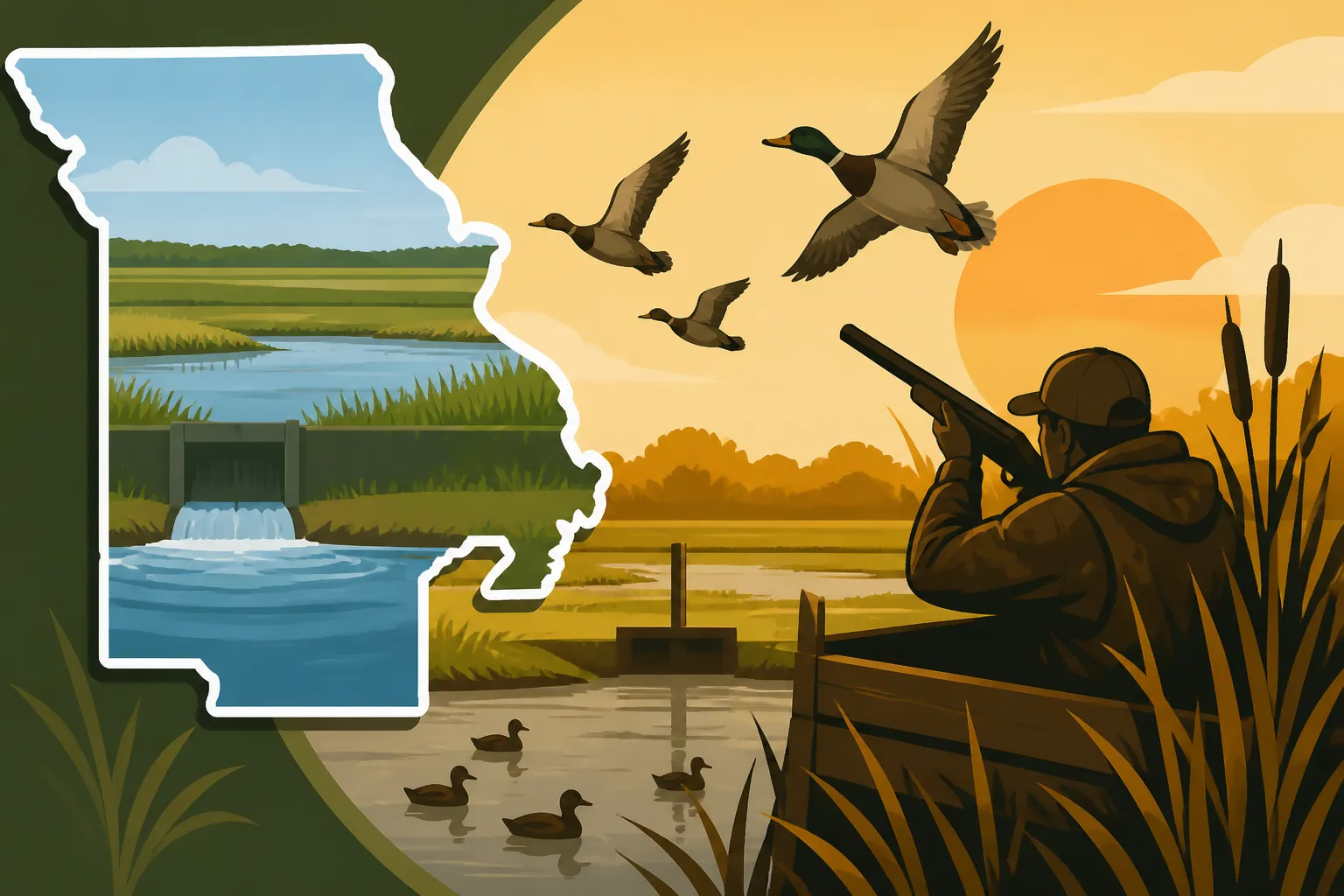
Missouri boasts an incredible network of managed wetlands, vital stopovers along the Mississippi Flyway that attract a diverse array of waterfowl. These areas, meticulously maintained by the Missouri Department of Conservation (MDC), offer some of the state's best public hunting opportunities. However, precisely because they are so popular and productive, a system is needed to fairly allocate hunting spots and prevent overcrowding. That's where the managed wetland draw system comes in. It might seem intimidating at first glance, but once you understand the mechanics, it’s a straightforward, equitable way to ensure everyone has a fair shot at a quality hunt.
Why Managed Wetlands Utilize a Draw System
Imagine rolling up to a prime wetland area an hour before shooting light, only to find a hundred other hunters already vying for the best spots. It would be chaos, unsafe, and frankly, a miserable experience for everyone involved. The draw system exists to prevent exactly this scenario. By controlling the number of hunters in specific units or pools, the MDC can maintain a quality hunting experience, ensure hunter safety, and most importantly, manage waterfowl disturbance. This careful management benefits both the birds, by providing undisturbed refuge areas, and the hunters, by offering regulated access to productive habitat. It ensures that the pressure is distributed, preventing any single area from being hammered day after day.
Key Terminology for Missouri Waterfowl Draws
Stepping into the world of wetland draws often means encountering new jargon. Don't worry, we've all been there! Here are some common terms you'll hear that are essential to understanding the system:
- Managed Wetland Area (MWA): These are the specific conservation areas primarily managed for waterfowl hunting, like Grand Pass, Eagle Bluffs, or Otter Slough. You’ll be looking for these on the map.
- Pool/Unit: Within each MWA, the hunting ground is typically divided into smaller, distinct sections called pools or units. These are the specific areas you'll draw for. Each might have different characteristics – some are flooded timber, others open fields, some have permanent blinds, others are walk-in.
- Draw: The actual process, usually a lottery, where hunters are assigned a numerical order to pick their hunting pool for the day.
- Card Pick/Number: At a morning draw, you'll often be given a card with a number. This number determines your order in the selection process. Lower numbers mean you get to pick earlier.
- Refuge Area: Portions of the MWA that are closed to hunting to provide undisturbed resting and feeding areas for waterfowl. Understanding Missouri Waterfowl Refuge Zones is critical, as hunting near these boundaries can be highly productive.
- Blind Site: A designated location where hunters can set up, often with a permanent structure already in place. Some areas require you to hunt from a blind site.
- Walk-In Area: Pools or units where hunters can walk in and set up their own portable blinds or simply hide in natural cover. These often get less pressure from those seeking easy access.
General Rules and Regulations on Managed Wetlands
Beyond the draw system itself, managed wetland areas come with their own set of specific rules and regulations that every hunter must adhere to. These are designed to ensure safety, fair chase, and conservation. Expect requirements such as the exclusive use of nontoxic shot – always check Nontoxic Shot Rules on Missouri Wetlands before you head out, as steel, bismuth, or other approved alternatives are mandatory. There will be specific shooting hours, which often align with statewide regulations but can sometimes have slight local variations. You'll also find rules about dog use, boat launching, and vehicle access, especially in terms of where you can drive or park. It’s absolutely crucial to consult the individual area brochure for the MWA you plan to hunt; these are your definitive guides and often contain maps, boundary lines, and any unique rules for that specific spot. A little homework with your Missouri Conservation Area Rules beforehand can save a lot of headaches on hunt morning.
Understanding the Different Draw Types and Application Processes
Missouri's managed wetlands don't all operate on the exact same draw system. While the daily morning draw is arguably the most iconic and frequently encountered, there are other methods for allocating access, especially for certain hunts or specific areas. Knowing which system applies to your target area is the first step in planning your hunt and avoiding frustration.
Daily Morning Draws: The Most Common Method
This is the classic scenario most people envision when they think of wetland hunting in Missouri. You arrive at the managed area headquarters well before dawn, often in the dark, to register for a chance to pick a hunting spot. The process typically goes like this: hunters (or hunting parties) check in, are issued a number or card, and then wait for the drawing. Once all hunters are registered, numbers are randomly selected, or cards are pulled from a hopper. When your number is called, you get to choose an available pool or blind site. The earlier your number is drawn, the better your chances of getting your preferred spot.
This system is used at many of the larger, more popular waterfowl areas. It's a game of chance, pure and simple, but it ensures that everyone showing up on a given day has an equal opportunity. The challenge is that you might have a long drive for a poor draw number, but the upside is the spontaneity – you don't have to plan weeks or months in advance for a specific date. If you're looking for more detail, a great resource is What Happens at a Wetland Morning Drawing. Remember, showing up early is important, not necessarily for a better number, but to ensure you're registered before the cutoff and to soak in the atmosphere.
Season-Long Managed Hunt Applications
Beyond the daily grind of morning draws, some specific hunt opportunities on managed wetlands are allocated through a pre-season application and lottery system. These are typically for designated managed hunts, often offering access to areas or specific dates that aren't part of the regular daily draw. You'll usually apply online through the MDC website, often months in advance of the season. These applications might require you to specify your preferred dates or areas, and you'll be notified if you're successful in the drawing.
These managed hunts can be for various game, not just waterfowl, and might have unique rules or restrictions. The odds of drawing a coveted spot can be slim, but the reward is a guaranteed hunting date in a potentially high-quality area, eliminating the daily gamble. Platforms like GoHunt might offer insights or tools for tracking application periods and success rates for such opportunities, helping you strategize where and when to apply. It’s a great option for hunters who prefer to plan their season well in advance and don't mind the wait for results. For more information, check out Managed Hunt Draws on Missouri Wetlands.
Understanding Pool and Unit Restrictions
Once you've drawn a pool or unit, it's not a free-for-all. Each managed wetland area, and often individual pools within it, will have specific restrictions on what you can do, where you can go, and how many hunters are allowed. Some pools might be entirely flooded timber, others open water with designated permanent blinds. You might find walk-in only areas where no boats are permitted, or conversely, areas where a boat is essential for access. The number of hunters or hunting parties allowed in a given pool is always limited to prevent overcrowding and maintain hunting quality.
It's absolutely vital to review the area's specific brochure before you hunt. These brochures outline everything, including maps showing pool boundaries, refuge areas, access points, and any specific rules about decoys, blinds, or even when you must be out of the area. For example, some pools might require a certain number of decoys or have specific restrictions on the type of blind you can use. Failing to understand these restrictions can lead to a ruined hunt or, worse, a citation from a conservation agent. Taking the time to study your chosen area, perhaps using tools like onX Hunt to overlay public land boundaries and specific area details, can make all the difference.
Pre-Season Preparation for Wetland Success
Success in Missouri's managed wetlands isn't just about drawing a good number; it's heavily influenced by the work you put in before the season even opens. Proper scouting, ensuring you have all the necessary permits, and assembling the right gear are critical steps that can turn a "lucky" draw into a truly memorable hunt.
Scouting and Area Familiarization
You wouldn't head into the deer woods blind, and you shouldn't approach a managed wetland any differently. Pre-season scouting, even if it's just digital, is invaluable. Start by obtaining a detailed map of the managed area – the MDC area brochures are fantastic, often showing pool boundaries, refuge zones, and access points. Then, combine this with aerial photography. Using an app like onX Hunt allows you to study the terrain, identify potential dry access routes, pinpoint areas of cover, and estimate distances between pools or to refuge lines. Look for subtle features like old creek channels, stands of timber, or emergent vegetation that might hold birds.
During the off-season, if public access is allowed, physically visit the areas you're interested in. Walk the dikes, observe water levels, and note changes in vegetation. Understanding how water is managed, and which pools historically hold birds under certain conditions, will give you a significant edge when it comes time to pick a spot in the draw. Knowing which pool offers flooded standing timber versus open water or shallow mud flats helps you anticipate what kind of birds you might encounter and what strategy to employ. For general principles of using aerial photos for hunting, you might find Reading Aerial Photos for Ozark Deer helpful, even if the terrain differs, the analytical approach is the same.
Essential Permits and Registrations
Before you even think about setting foot in a managed wetland, ensure your paperwork is in order. At a minimum, you'll need a valid Missouri hunting permit, a Missouri Migratory Bird Hunting Permit, and a Federal Duck Stamp. These are non-negotiable for hunting waterfowl in the state. You'll also need to be HIP (Harvest Information Program) registered. While these are standard for any duck hunt in Missouri, specific managed areas might have additional local registration requirements or unique permit options.
It's always a good idea to purchase your permits well in advance and keep them organized. The last thing you want is to arrive at a wetland draw and realize you're missing a crucial piece of documentation. Check the Missouri Waterfowl Seasons and Duck Zones and Missouri Duck Season Dates by Zone for the most current dates and requirements. Some areas may also have check-in procedures that require you to present your permits, so have them readily accessible. A quick review of your permit situation before the season starts can prevent a lot of frustration.
Gear Considerations for Wetland Hunting
Hunting managed wetlands often demands specialized gear adapted to the challenging environment. Waders are a must, and selecting the right type – neoprene for cold weather or breathable for early season – is key for comfort and safety. You'll need a shotgun capable of firing nontoxic shot, and understanding your optimal choke and load combination is crucial. Beyond the basics, consider decoys. While some areas might have restrictions, a small spread of quality decoys can be a game-changer. A reliable duck call, even if you're not an expert caller, can help finish birds.
Don't forget the essentials like a good headlamp for those pre-dawn walks, a sturdy blind bag to carry your shells and snacks, and warm, waterproof clothing layers appropriate for the season. A small boat or kayak might be essential for accessing certain pools, so factor that into your planning if you're eyeing more remote sections. Remember, conditions on managed wetlands can change rapidly with weather and water levels, so being prepared for mud, cold, or even unexpected warmth is paramount. Pay close attention to Missouri Duck Daily Bag Limit as well, to ensure you're aware of species-specific limits for your hunt.
What Happens on Draw Day: The On-Site Experience
The morning of a managed wetland draw is an experience in itself. It's a mix of camaraderie, anticipation, and a fair bit of nervous energy. Understanding the flow of events can help alleviate some of that pre-dawn anxiety and ensure you navigate the process smoothly.
Registration, Card Picking, and Waiting
You'll need to arrive at the designated check station or headquarters well before the official draw time, which is usually an hour or more before shooting light. This early arrival ensures you have enough time to register and participate. Upon arrival, you (and your hunting party, if applicable) will sign in, present your hunting permits, and then typically receive a card or ticket with a number. This number, often randomly assigned, determines your picking order. Once you have your number, it's a waiting game. This is usually when hunters gather, grab some coffee, and chat about the weather, bird reports, or past experiences. It’s a good opportunity to observe the local scene and get a feel for the day's prospects.
While waiting, try to pay attention to the check station bulletin board or any verbal announcements. They might provide crucial information about current water levels, recent bird activity, or any temporary closures or special rules for that day. This downtime is also perfect for a quick final review of your mental map, thinking about your top three or four desired pools, and what alternative choices you might make if your preferred spots are taken. Consider using a mapping app like onX Hunt to quickly assess available options if your first choice is already gone.
The Moment of Truth: Picking Your Pool
When the draw begins, numbers are called in sequence. As your number approaches, you'll need to be ready to make your selection quickly. When your number is called, you'll step up to the map or list of available pools. The staff will typically show you which pools have already been taken. This is where your pre-season scouting and backup planning really pay off. You'll state your chosen pool or blind site, and it will be marked off as unavailable to subsequent hunters.
For many, this is the most exciting and nerve-wracking part of the day. A low number can mean your pick of the best areas, while a high number might require a more strategic choice from the remaining options. Don't be afraid to ask for clarification if you're unsure about a pool's characteristics or current conditions. Most staff are happy to help, but remember, time is often of the essence with many hunters waiting. Having a plan B and C is crucial, especially on popular weekends or during peak migration.
What to Do With a Bad Draw Number
Let's be realistic: not every day is going to be a low number draw. You're going to get a high number sometimes, and your top choices will likely be gone. This can feel disheartening, but a bad draw number doesn't mean your hunt is over before it begins. It simply means you need to adapt. Instead of lamenting what you couldn't get, focus on what's still available. Often, the pools left for later picks are "walk-in" areas that require more effort, or areas that are farther from access points. These can be goldmines! Finding Ground Others Walk Past is a principle that applies perfectly here. Many hunters prefer easy access, so putting in the extra mileage can put you on birds.
Consider a tactic shift: if your initial plan was a flooded timber hole, but only open-water pools remain, adjust your decoy spread and calling strategy. Look for areas adjacent to refuge zones, or pools with natural cover that might offer good concealment even if they aren't traditional blind sites. You might also find that simply sitting quietly in a less-pressured area can be incredibly effective. Sometimes, a high number forces you to explore new parts of an area, leading to unexpected discoveries and teaching you valuable lessons about the wetland. Don't underestimate the power of flexibility and a positive attitude when the draw doesn't go your way.
Maximizing Your Chances and Making the Most of Your Hunt
While much of the draw system is about random chance, there are certainly ways to improve your overall experience and even subtly tilt the odds in your favor. It's about preparation, strategy, and a healthy dose of adaptability.
Strategy for Improving Draw Odds (When Applicable)
Let's be clear: for daily random draws, you can't guarantee a lower number. It's a lottery. However, you can improve your chances of getting a spot, or a better spot, on a given day. This often comes down to timing and consistency. If you can hunt on weekdays rather than weekends, or during less popular portions of the season, you'll inherently face less competition and thus have better odds of drawing a good spot. Understanding Hunting Pressure on Missouri Public Ground is key here. Areas often have fewer hunters midweek, offering a calmer, potentially more productive experience.
For the season-long managed hunt applications, your strategy shifts to research. GoHunt or similar resources might provide insights into the popularity of certain areas or dates. Applying for less sought-after hunts or locations could increase your drawing success rate. Additionally, always make sure your application is error-free and submitted well before the deadline. While these strategies won't guarantee a specific draw, they improve your overall likelihood of getting an opportunity within the system.
Adaptability and Flexibility After the Draw
Once you've drawn your pool, your real hunting begins. The conditions you scouted days or weeks ago might have changed dramatically. Water levels can rise or fall quickly, especially with heavy rains or management actions. Weather can shift from calm to windy, sunny to overcast. The birds might be flying differently than expected. This is where adaptability becomes your greatest asset. If your chosen pool is shallower than anticipated, adjust your decoy spread to a more spread-out, shallow-water pattern. If it's windy, set your decoys tighter and upwind of your position.
Sometimes, despite your best efforts, the birds just aren't there. Don't be afraid to call it a day early if conditions are truly unproductive, or simply enjoy the peace and quiet of the wetland. Learn from each experience. Note what worked and what didn't in specific pools under certain conditions. This knowledge builds up over time and will make you a more successful and adaptable wetland hunter in the long run. Even a slow day can be a learning experience that pays dividends on future hunts.
Ethical Considerations and Respecting the System
Hunting managed wetlands is a privilege, and it comes with a responsibility to uphold ethical hunting practices and respect the rules that govern these unique areas. Always adhere to the Missouri Conservation Area Rules and specific regulations for the area you are hunting. This includes bag limits, shooting hours, and carcass transport rules. Remember that you are sharing these valuable resources with other hunters and wildlife enthusiasts.
Be mindful of your noise levels, especially during the draw process and while heading to your spot. Don't crowd other hunters, and be respectful of boundaries, including refuge areas. Report any violations you witness to conservation agents. The draw system, while sometimes frustrating, is designed to create equitable opportunities and ensure the long-term health of our waterfowl populations and hunting traditions. By respecting the system and acting as a responsible hunter, you contribute to the continued success and availability of these incredible hunting areas for generations to come.
Disclaimer
This article is for general informational purposes only and does not constitute professional advice. Laws, prices and regulations vary by location and change over time. Consult a qualified professional for guidance on your specific situation.