How Many Acres MDC Owns
It can sometimes feel like finding good hunting ground is an uphill battle, especially if you're like many of us who don't have access to sprawling private property. The sheer thought of navigating land ownership and public access can be daunting, leaving you wondering where you can actually put your boots on the ground. This guide is here to shed light on a crucial piece of that puzzle: how many acres the Missouri Department of Conservation (MDC) manages, what that means for you as a hunter, and how to make the most of this incredible resource.
Understanding the Scope of MDC Land Ownership
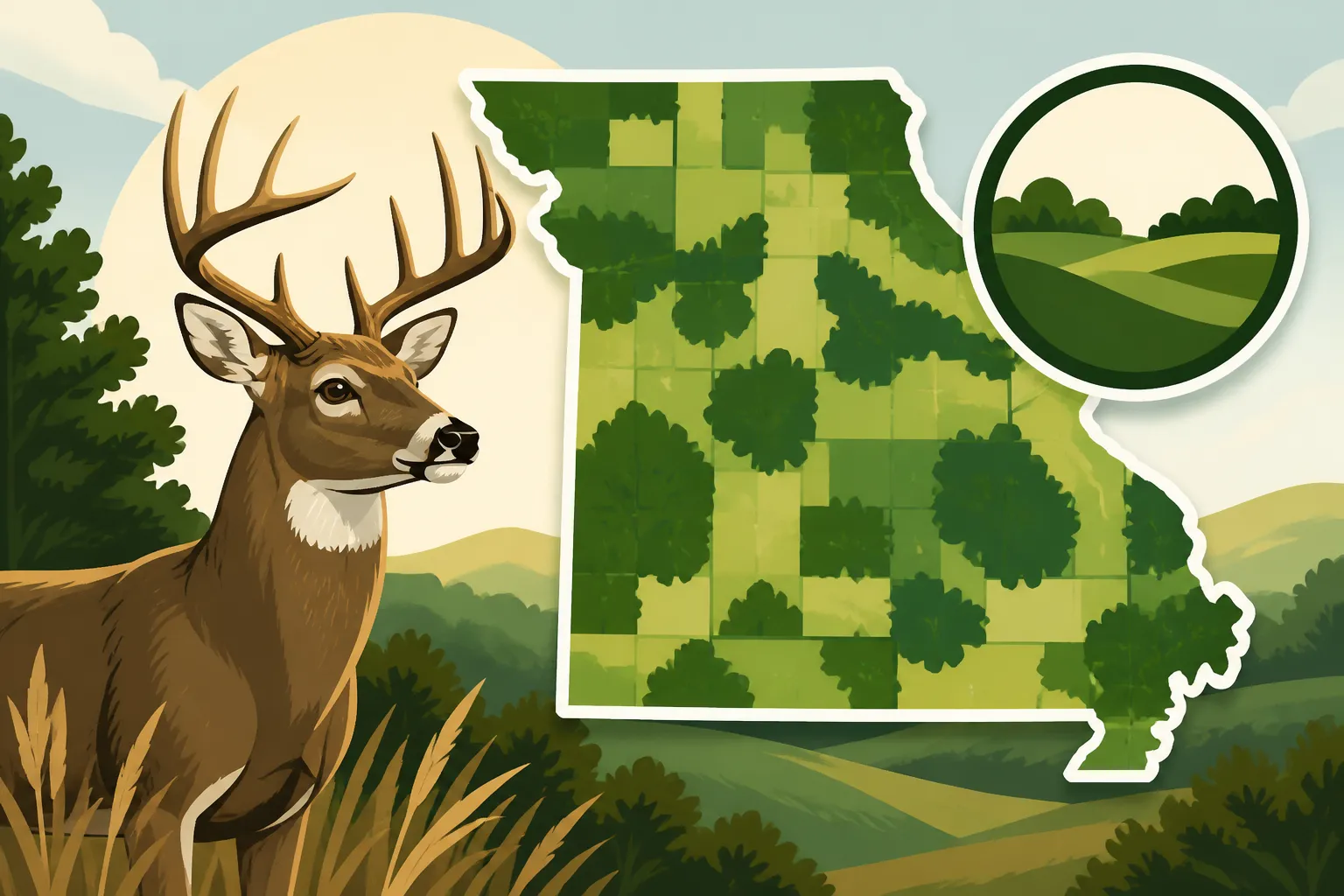
Let's get right to it: the Missouri Department of Conservation is a massive landowner and steward of our natural resources. They manage a truly impressive amount of acreage across the state, dedicating it to conservation, wildlife management, and — crucially for us — public recreation, including hunting. This isn't just a few scattered plots; we're talking about hundreds of thousands of acres spread across every corner of Missouri, from the rolling hills of the Ozarks to the rich agricultural lands of the north, and the river bottoms in between.
This vast network of land is the direct result of Missourians' commitment to conservation, largely funded by the one-eighth-of-one-cent sales tax. It’s a unique funding mechanism that has allowed the MDC to acquire, develop, and maintain these areas for decades. When you look at an atlas or a digital mapping tool like onX Hunt, you'll see green patches pop up all over the state, and a huge number of those are MDC Conservation Areas. These aren't just empty woodlands; they are actively managed ecosystems, designed to provide diverse habitats for a wide range of game and non-game species, while simultaneously offering unparalleled access for hunters, anglers, hikers, and other outdoor enthusiasts. Knowing the sheer scale of this ownership can shift your perspective from feeling limited to realizing the immense opportunities available right here in our home state. It's a testament to what dedicated conservation efforts can achieve for the public.
The Diverse Portfolio of MDC-Managed Lands
When we talk about MDC-owned land, it’s not a monolithic entity. Instead, it’s a diverse portfolio of areas, each with specific management objectives, but almost all offering some form of hunting opportunity. Understanding these different types of areas can greatly help you in your scouting and planning.
Conservation Areas: Your Primary Hunting Grounds
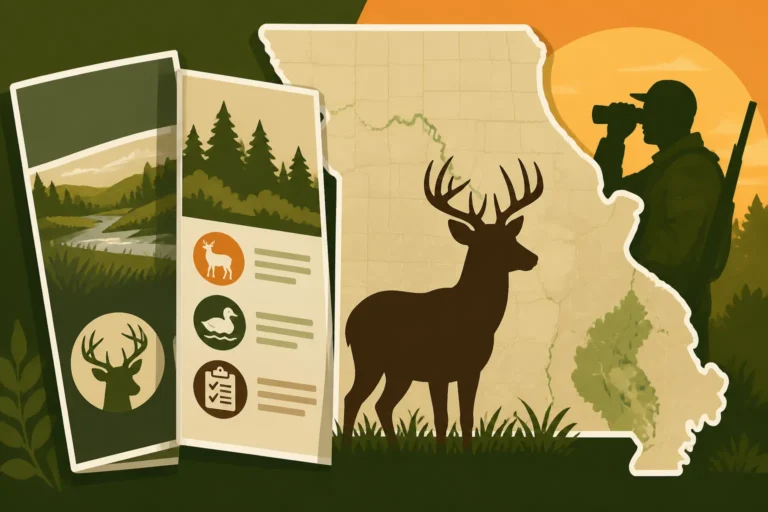
The most common and widespread type of MDC-owned land is the Conservation Area (CA). These range in size from a few dozen acres to tens of thousands. Each CA typically has an area brochure, often available online through the MDC website or by searching for the specific CA. These brochures are goldmines of information, detailing permitted activities, specific regulations, maps, and even historical harvest data sometimes.
CAs are managed for a variety of purposes, including forest, fish, and wildlife management. For hunters, this means you'll find everything from mature hardwood timber excellent for deer and turkey hunting to open fields managed for quail and rabbits, and wetland complexes teeming with ducks and geese. For instance, you might find a CA in northern Missouri focused on restoring quail habitat, providing great opportunities for Walking Missouri Quail Country. In contrast, an Ozark CA might offer rugged terrain perfect for Deer Hunting the Missouri Ozarks.
State Forests: Timberland for Big Woods Hunting
Beyond the general Conservation Areas, the MDC also manages a number of State Forests. These lands are primarily focused on sustainable timber production, which might sound counterintuitive for hunting, but it's quite the opposite. Well-managed forests provide incredible habitat diversity. Timber stand improvement, selective logging, and prescribed burns create a mosaic of cover, browse, and open areas that benefit deer, turkey, and other forest-dwelling game.
Hunting in State Forests often means tackling larger, more contiguous blocks of timber, which can be less pressured than smaller CAs near population centers. These areas are fantastic for hunters who enjoy still-hunting or putting on miles on foot. Think about the possibility of finding deep hollows and untouched ridge systems in places like the Ozark National Scenic Riverways region. The management of these forests also provides fantastic opportunities for Squirrel Hunting in Oak Hickory Timber in the early seasons.
Managed Wetlands and Refuges: Waterfowl Havens
For waterfowl hunters, the MDC's commitment to wetland acquisition and management is a game-changer. Areas like Grand Pass Conservation Area, Eagle Bluffs Conservation Area, and Schell-Osage Conservation Area are iconic names in Missouri waterfowl circles. These managed wetlands are specifically designed to attract and hold migratory birds, offering critical habitat on the Mississippi Flyway.
While some portions of these areas may be designated as refuges where hunting is prohibited to provide sanctuary, vast sections are open to hunting, often through a managed draw system. This allows for controlled access, which can provide high-quality hunting experiences for species like mallards, teal, and Canada geese. Understanding how Missouri Managed Wetland Draw System operates is key to success on these prime locations. These areas require diligent scouting, an understanding of water levels, and familiarity with specific local regulations.
Here's a quick overview of how MDC lands compare for typical hunting opportunities:
| Land Type | Primary Focus | Common Game Species | Access/Regulations | Typical Terrain |
|---|---|---|---|---|
| Conservation Area (CA) | Diverse conservation | Deer, Turkey, Quail, Rabbit, Waterfowl | Open access, area-specific rules, some draws | Varies widely: timber, fields, wetlands, river bottoms |
| State Forest | Sustainable timber | Deer, Turkey, Squirrel | Open access, often large tracts | Mature timber, steep hills, some clearings |
| Managed Wetland | Waterfowl habitat | Ducks, Geese, Snipe, Teal | Managed draws, specific season dates, refuge zones | Flooded fields, moist-soil units, open water |
| Natural Area (Designated) | Unique ecosystems | Limited/No Hunting | Highly restricted or prohibited | Specific habitats (prairie, glade, fen) |
Note: Always check the specific area's regulations before heading out, as rules can vary considerably even between similar types of areas.
Navigating and Utilizing MDC Public Lands for Your Hunt
Knowing that the MDC owns hundreds of thousands of acres is one thing; actually finding and effectively hunting them is another. This is where smart planning and modern tools come into play. It's not just about showing up; it's about understanding the land and how other hunters might use it.
Finding the Right Spot: Tools and Resources
The first step is identifying areas that fit the type of hunting you want to do. The Missouri Department of Conservation's website is your absolute best friend here. They have an interactive atlas and individual area brochures for every single Conservation Area, State Forest, and Managed Wetland. These digital resources allow you to search by county, game species, or facility type, making it incredibly easy to narrow down your options.
Beyond the MDC's direct resources, using a robust mapping app like onX Hunt is almost indispensable for today's public land hunter. onX Hunt layers clearly display public versus private land, property boundaries, and often even different habitat types within a Conservation Area. You can drop pins, mark potential stand locations, scout entry and exit routes, and see satellite imagery that gives you a bird's-eye view of the terrain. This is invaluable when you're trying to find Entry Routes on Rolling Farm Ground or pinpoint a subtle ridge saddle that deer might use.
Understanding Pressure and Strategy
With so much public land, it's easy to assume every acre is pounded by hunters. While some easily accessible areas, especially on opening day of firearms season, will see significant pressure, there are always opportunities to find solitude and unpressured game. The key is to think like the game and the other hunters.
- Go Deeper: Many hunters stick close to parking lots and main roads. Be willing to walk further than most. On large CAs and State Forests, the further you get from easy access, the less human scent and noise the deer and turkeys will encounter.
- Use Topography to Your Advantage: Terrain features like creek bottoms, steep bluffs, and dense thickets can act as natural barriers that deter casual hunters but concentrate game. Learning to read these topographical maps on tools like onX Hunt can reveal hidden pockets. For instance, understanding Wind and Thermals in Ozark Hills is critical to effective still-hunting in such terrain.
- Hunt During Off-Peak Times: If your schedule allows, hunting on weekdays, or even during mid-week lulls in longer seasons, can drastically reduce competition. The Bowhunting Through the Missouri Firearms Portion can also provide quieter hunting days, though you need to be mindful of orange requirements.
- Vary Your Tactics: Don't just sit in a treestand if it's not working. Consider Still-Hunting After a Fresh Snow or trying a Two-Person Drive on Small Timber Tracts with a friend to push game towards a stander. For turkeys, a Run-and-Gun Turkey Tactics in the Missouri Ozarks approach can be highly effective on public land where birds might be scattered and pressured.
Leveraging the Conservation Sales Tax
It's worth taking a moment to appreciate how these acres came to be available. The one-eighth-of-one-cent sales tax, approved by Missouri voters in 1976, has been the engine behind the MDC's ability to acquire and manage these lands. This dedication of public funds to conservation means that hunters, anglers, and outdoor enthusiasts are directly benefiting from a long-term, stable funding source. It's truly a unique model that has transformed conservation in our state. This ongoing support ensures that the MDC can continue to purchase new lands, enhance existing habitats, and maintain the infrastructure that makes these areas accessible for generations to come. Every time you buy a permit or a piece of gear, you're contributing to this legacy, but the sales tax is the bedrock. This investment allows the MDC to manage everything from White-Tailed Deer Across Missouri to Missouri's Restored Wild Turkey Flock and the delicate ecosystems they inhabit.
Ultimately, the hundreds of thousands of acres owned and managed by the Missouri Department of Conservation represent an incredible opportunity for hunters across the state. It takes a bit of research and effort to find your perfect spot, but the rewards of exploring these diverse public lands are well worth it. Happy hunting!
Disclaimer
This article is for general informational purposes only and does not constitute professional advice. Laws, prices and regulations vary by location and change over time. Consult a qualified professional for guidance on your specific situation.