What Happens at a Wetland Morning Drawing
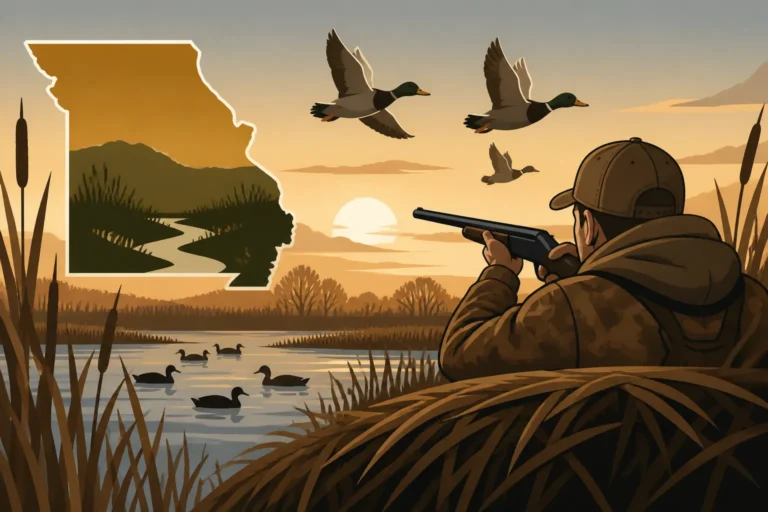
There's a unique blend of excitement and trepidation that washes over you as you pull into a Missouri Conservation Area parking lot in the pre-dawn darkness, knowing your entire duck hunting fate for the day rests on a random drawing. It can feel like a high-stakes lottery, especially when you've invested time, money, and sleep into the endeavor. This guide will walk you through the often-stressful, but ultimately exhilarating, experience of a wetland morning drawing in Missouri, helping you understand the process from arrival to heading out to your blind.
The Pre-Dawn Rush Arriving and Registering for the Draw
Long before the sun even thinks about peeking over the horizon, dedicated waterfowl hunters are already making their way to Missouri's managed wetlands. It's a tradition steeped in the hopes of greenheads and pintails, but it all starts with showing up — and showing up early.
Getting There Before the Crowd
Trust me when I say, "early" means early. We're talking hours before legal shooting light, often 2-3 hours before the draw itself. While the official draw time might be 5:00 AM, the line to register your hunting party often starts forming significantly earlier, especially on prime dates like opening weekend or during cold snaps that push new ducks into the state. Areas like Grand Pass Conservation Area, Duck Creek Conservation Area, and Otter Slough Conservation Area are particularly notorious for drawing big crowds. You’ll want to factor in travel time, and perhaps even a quick stop for coffee, because you'll be waiting a bit. There’s nothing worse than arriving just a few minutes late and seeing dozens of trucks already ahead of you, knowing your chances just dipped significantly. Many hunters use tools like GoHunt to scout the area beforehand, giving them a good idea of potential parking and where to line up for the draw.
The Registration Process
Once you arrive, the first step is typically to find the check station and get your hunting party registered. Most areas operate on a party system, meaning one person registers for their entire group. Make sure everyone in your party is present or accounted for according to the specific area rules, as some will require all members to be physically present at registration. You'll usually fill out a small card or sheet with your party's names, permit numbers, and perhaps a contact number. This is also when you'll typically hand over your hunting permits for verification. Ensure you have your Missouri Combination Hunting and Fishing Permit or other relevant waterfowl permits, as well as your Federal Duck Stamp and HIP registration. The friendly, but often harried, staff will guide you through this. Once registered, you'll usually be given a numbered card or ticket – this is your "draw number," and it determines your place in the actual drawing.
The Drawing Itself How Your Fate is Decided
The registration is just the preliminary. The real drama unfolds during the actual drawing, which usually takes place in a heated building or under a covered pavilion, offering a small reprieve from the cold.
Understanding the Number System
Before the drawing begins, a manager will typically explain the rules of the day, including how many hunting spots (or "blinds" or "zones") are available, any special conditions, and the specific Missouri Duck Daily Bag Limit for that day. They'll emphasize the importance of Nontoxic Shot Rules on Missouri Wetlands and often remind everyone to be respectful and safe.
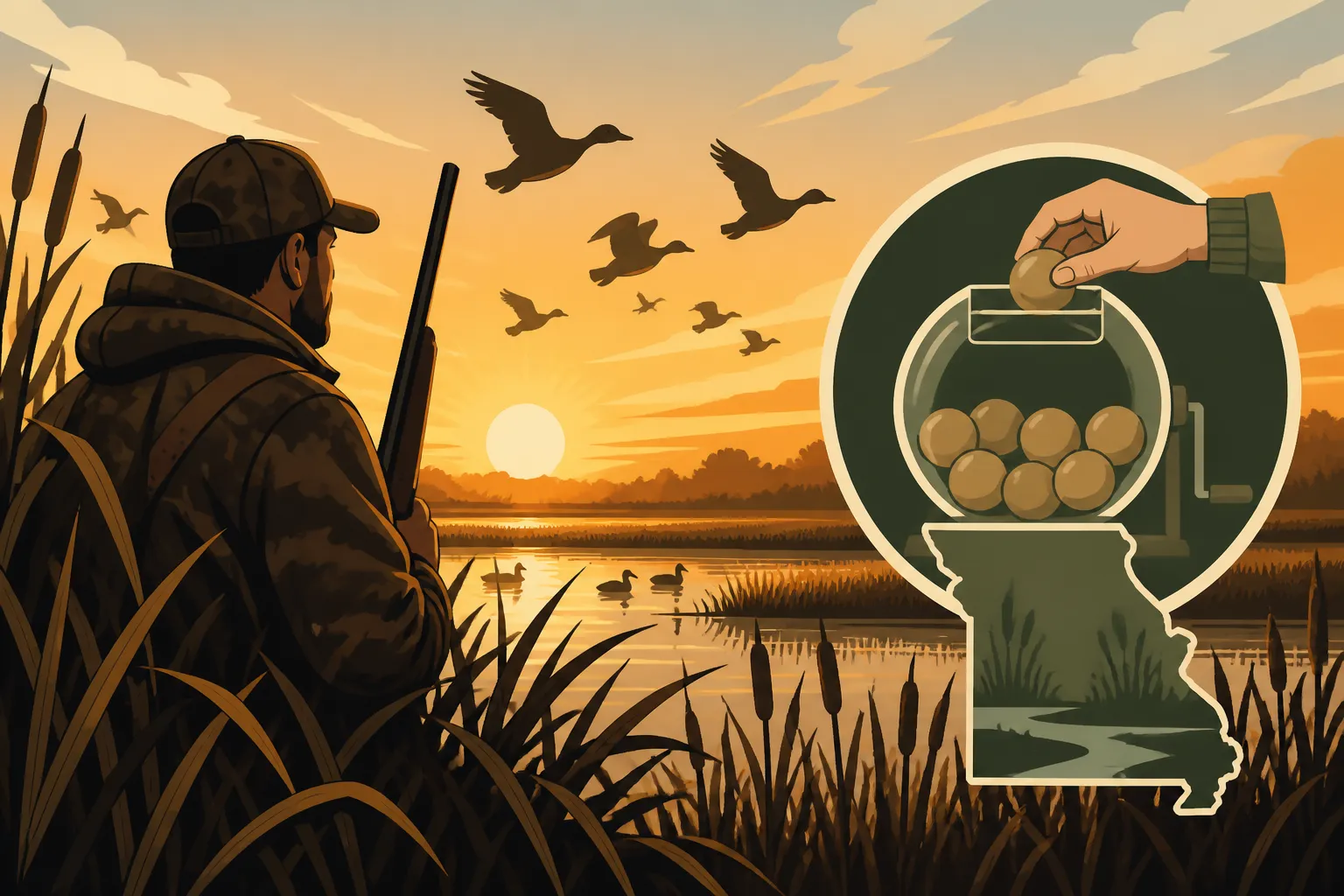
The drawing itself is a random lottery. All the numbered tickets from registration are placed into a drum, a bucket, or sometimes even a simple hat. A staff member or a volunteer will then draw numbers one by one. If your number is called, your party gets to choose a hunting spot from the available options. The lower your draw number, the earlier you get to pick, giving you the best chance at securing your preferred spot.
Imagine the tension: a manager slowly spinning the drum, then reaching in. The room goes quiet. "Number… 23!" someone calls out, and a wave of groans and cheers ripples through the crowd. If your number is called, you step forward, usually to a map of the area, and choose your spot. This is where your prior scouting or knowledge of the area really pays off. Knowing which blinds consistently hold birds, or which ones are sheltered from a particular wind, can be the difference between a memorable hunt and a frustrating one. Some hunters use their onX Layers for Missouri Land Status app even for these maps, noting historical hot spots.
What Happens With a Poor Line Number
Let's be realistic: not everyone gets a low number. Sometimes, despite arriving early, you end up with a high draw number, meaning many parties will pick before you. This is when the hope starts to dwindle a bit, but it's not the end of the world. While getting a prime spot is ideal, understanding What to Do With a Bad Draw Number is crucial.
If you have a high number, you might find that all the "named" or "designated" blinds are taken by the time your number is called. In this scenario, you'll often be given options for "refuge units" or "walk-in areas," which are typically unmarked zones where you can set up your own spread. These can be excellent, often less-pressured spots, but they require more effort in scouting and setting up. You might be able to find a good spot off the beaten path, or perhaps locate an area for Jump Shooting Small Creeks or sloughs that other hunters overlook. Some areas even have separate draws for these walk-in zones, so always listen carefully to the manager's instructions. A tool like GoHunt can be invaluable here, allowing you to quickly check the topo maps and identify promising pockets of cover or water that might still be available.
Post-Draw Procedures Getting to Your Blind
Once your number is called and you've selected your spot (or been assigned one), the morning isn't over. There are still crucial steps to ensure you get to your hunting area safely and legally.
Getting Your Maps and Special Instructions
After selecting your spot, you'll typically be given a map of the area with your designated blind or zone highlighted. This map is your guide. Pay close attention to any specific instructions from the staff, such as designated travel routes, ATV restrictions, or rules about decoys and shooting hours. They'll also tell you about the Missouri Telecheck Requirements After a Harvest and how to check out at the end of your hunt. Some areas have very particular rules about accessing blinds – whether by boat, foot, or designated ATV trails. Understanding these specific area brochures and local rules is critical. This is not the time to assume anything.
You might also get a brief rundown of current conditions, like water levels, recent bird activity, or any unusual hazards. Don't be afraid to ask questions, especially if you're new to the area. The staff wants you to have a safe and successful hunt, and they're usually happy to provide guidance.
The Race to the Blind
With your map in hand, the race is on! Depending on the area and your chosen spot, you might have a short drive, a boat ride, or a long slog through mud and water. This is when all that gear you brought, from your waders to your decoy bags, gets put to the test.
Everyone is usually hustling to get to their spot, set up their decoys, and be ready before legal shooting light. However, don't rush so much that you forget safety. Always be aware of other hunters, especially in the dark. Be mindful of property lines and designated zones; accidentally setting up in someone else's spot is a sure way to start your day off on the wrong foot. Remember that Missouri Legal Shooting Hours dictate when you can begin shooting, so make sure your setup is complete and you're settled in well before then. It's a hectic period, but the anticipation of the sunrise and the first flights of ducks makes it all worth it.
Making the Most of Your Draw Tactics and Tips
No matter if you drew number one or number fifty, there are always ways to maximize your chances and make the most of your wetland drawing experience.
Pre-Season Scouting and Intel Gathering
The best defense against a bad draw number is good offense: scouting. Before the season even begins, use tools like GoHunt to pore over aerial maps of Missouri's managed wetlands. Look for natural pinch points, changes in water depth, isolated pockets of timber, and even areas that might be accessible via less-traveled routes. Understanding Missouri Flooded Timber Duck Tactics can give you an edge, allowing you to identify ideal spots even in unfamiliar areas.
Talk to other hunters, read forums, and check conservation area reports. While conditions change daily, historical data can provide valuable insights. Knowing which spots consistently hold birds, which blinds are notorious for being windy, or where the "walk-in" areas tend to produce can significantly improve your chances, even if you're picking from fewer options.
Adapting to Conditions and Your Draw Number
Flexibility is your best friend on draw mornings. If you get a low number, great! Pick your pre-scouted prime spot and enjoy. But if you're handed a high number, don't despair immediately. This is where your advanced scouting for alternative options truly shines.
Perhaps you scouted a secluded backwater that doesn't get much pressure, even though it's a longer walk. Or maybe you noticed a small, unmaintained slough that could be perfect for Jump Shooting Small Creeks if the main pools are packed. Remember, even a "bad" draw number means you still have legal access to hunt. Many experienced hunters have found fantastic success by embracing these less popular options, especially when Hunting Sloughs Late in the Season. The key is to avoid getting stuck in the mindset that only the "named" blinds are worth hunting. Sometimes, the path less traveled holds the most reward.
Being a Good Steward and Hunter
Finally, always remember that you're sharing this resource with many others. Being courteous, respectful, and safe goes a long way. This includes understanding and adhering to Missouri Telecheck rules after a successful hunt and ensuring you leave your hunting area cleaner than you found it. Pack out all your shells, trash, and any broken decoy lines. Follow all regulations, including Where Nontoxic Shot Is Required in Missouri, to protect both the environment and wildlife. The more we collectively respect these shared spaces, the better the hunting experience will be for everyone, ensuring that the tradition of the wetland morning draw continues for generations of Missouri waterfowl hunters.
| Draw Outcome Scenario | Key Action Plan | Potential Benefits |
|---|---|---|
| Low Draw Number | Choose your top-priority, pre-scouted blind/zone. | Prime location, optimal setup for known bird patterns, typically easier access. |
| Mid-Range Number | Re-evaluate available blinds; prioritize based on current weather/water conditions and your hunting style. | Still a good chance at a quality designated blind; less pressure than a low number but more choices than high. |
| High Draw Number | Consider walk-in areas, sloughs, or peripheral refuge units. Use map to identify less-pressured spots. | Potential for finding overlooked birds, less competition, more freedom in setup. Requires more effort/scouting. |
| No Draw Spot | Look for other nearby public land offering walk-in hunting (if allowed), or alternative methods. | Flexibility to shift plans, explore new areas, or enjoy other forms of hunting available in the region. |
Disclaimer
The information provided in this guide is for general informational purposes only and is subject to change. Always consult the official regulations and guidelines published by the Missouri Department of Conservation (MDC) before engaging in any hunting activities. Hunters are responsible for understanding and adhering to all current laws and regulations.