What to Do With a Bad Draw Number
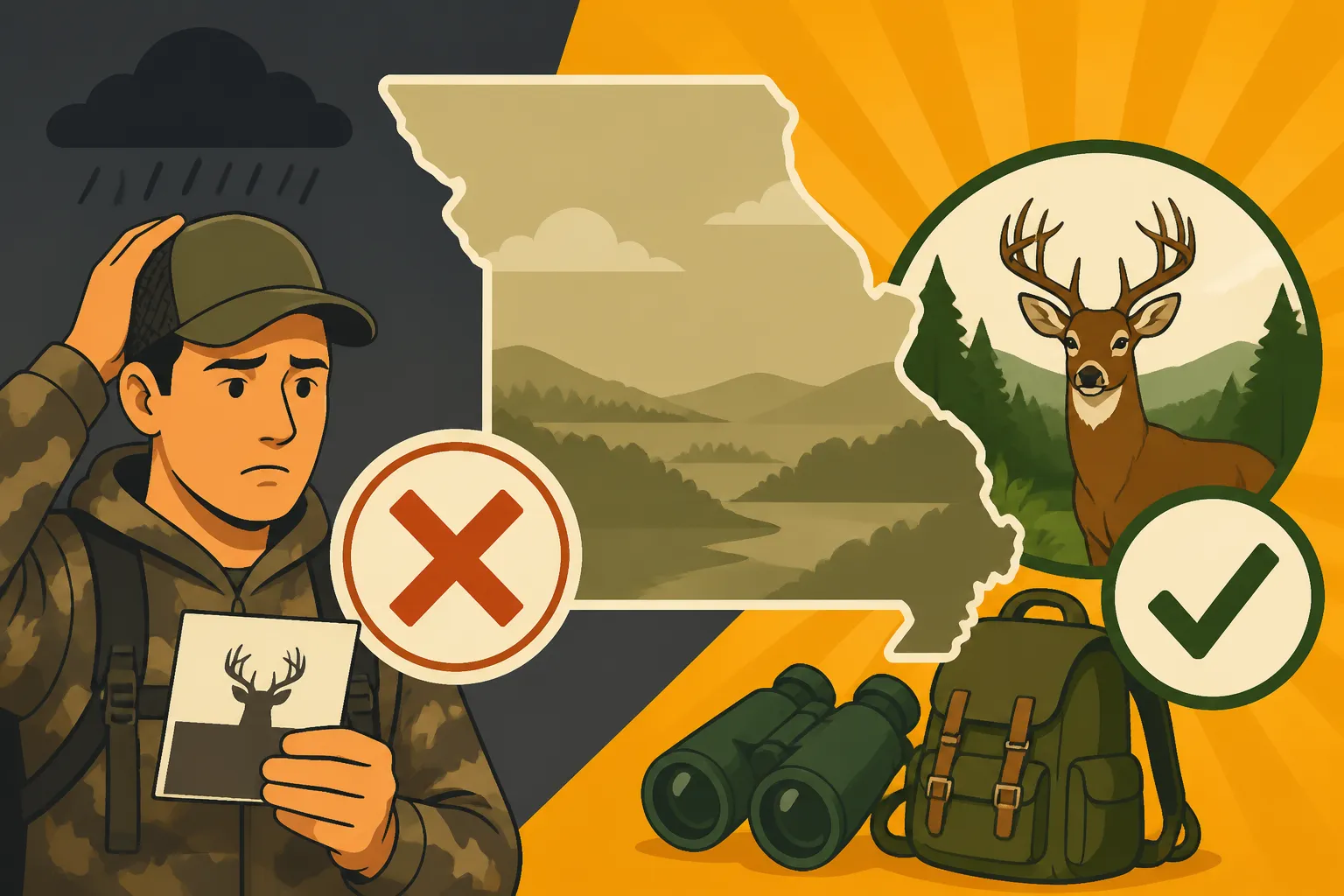
Oh, the crushing disappointment when you check your managed hunt draw number and see… well, a number that pretty much guarantees you’ll be picking over the scraps, or worse, not getting in at all. It’s a gut punch, isn't it? You’ve spent weeks dreaming about a specific wetland unit or a coveted deer stand on a prime conservation area, only for the random draw to yank the rug right out from under your feet. But a bad draw number doesn't have to mean a wasted day, or even a wasted season. This guide is all about giving you the tools, strategies, and a much-needed dose of realism to turn that initial disappointment into a new game plan for success, or at least a fulfilling day afield here in Missouri.
Understanding the Managed Hunt Draw System in Missouri
Let's be real, the managed hunt draw system can feel like a cruel mistress sometimes. We all put in our applications, cross our fingers, and hope for that golden ticket, but the reality is, most of us will face a less-than-ideal draw number at some point. Understanding why it feels so frustrating and how the system works is the first step to managing expectations and formulating a counter-strategy.
How Managed Draws Work and Why Numbers Matter
Managed draws in Missouri are essentially lotteries for access to highly sought-after hunting grounds. Think of premier waterfowl areas like Fountain Grove, Grand Pass, or Duck Creek, or perhaps a special deer hunt on a conservation area that restricts hunter numbers. The Missouri Department of Conservation (MDC) uses these draw systems to manage hunter density, ensure fair access, and maintain a quality hunting experience, especially in areas with limited space or fragile ecosystems. When you apply for one of these hunts, your name (or application number) is entered into a random drawing. The order in which your name is drawn determines your "draw number." If you're lucky enough to snag one of the first few numbers, you'll have your pick of the prime spots – the most productive blinds, the best timber holes, or the units known for holding the most deer.
However, a "bad" draw number means you're far down the list. This could be number 50 out of 50 spots, or even 150 out of 50. The lower your number (meaning you're drawn later), the less choice you'll have. You're effectively waiting for everyone ahead of you to pick their preferred hunting locations. By the time your number is called, those legendary "honey holes" are almost certainly gone. This often applies directly to waterfowl draws at state wetlands, where hunters gather in the pre-dawn darkness, waiting for their number to be called to select a hunting pool or blind. This exact scenario plays out every year during Managed Hunt Draws on Missouri Wetlands, where the difference between drawing number one and number fifty can be the difference between a limit of mallards and an empty bag.
The Immediate Impact of a Poor Draw Position
The immediate impact of a poor draw position hits you right in the gut. All those plans, all that anticipation, the specific spot you scouted or read about – it all starts to crumble. Imagine this: you've driven two hours, gotten up at 2 AM, and you're standing in a packed room at a wetland office, hearing numbers tick by. "Number 1," "Number 2," "Number 3." Each one picks a prime spot, a guaranteed flooded timber hole or a field with fresh stubble. Then they call your number, "Number 47." You look at the board, and there are only three spots left. One is a mile-long walk in deep mud, another is a pool that hasn't held birds all week, and the third is a tiny, exposed pot-hole that everyone else has passed on. Your primary plan, the one you'd visualized a dozen times, is out the window.
This isn't just about disappointment; it's about the practical realities. For deer hunters, a bad draw might mean you're relegated to a unit that requires an arduous hike deep into rugged terrain, far from any known bedding or feeding areas. For waterfowl hunters, it could mean being forced into a dry field when all the ducks are working the flooded timber, or into an area that requires chest waders when you only brought hip boots. The sting is real because it often forces a complete overhaul of your day's strategy, and sometimes, it can mean you don't even get to hunt the specific managed area you applied for. You might even find yourself on a "no-show" list, hoping someone else doesn't show up. It’s enough to make anyone want to just pack up and go home.
Navigating Managed Hunts with a Disappointing Draw
Okay, so you've drawn a rotten number. The initial sting has worn off (mostly). Now what? This is where your adaptability and willingness to pivot truly shine. A bad draw isn't a death sentence for your hunt; it's an opportunity to explore alternatives and apply some creative problem-solving.
Scouting Alternative Sections and Contingency Planning
The absolute best defense against a bad draw number is proactive scouting and contingency planning. This means before you even submit your application, you should be looking beyond just the "prime" spots on any given managed area. Use resources like the Missouri Conservation Atlas online or the physical map book to identify not just the popular units, but also the lesser-known corners. Look for areas that require more effort to reach: that extra-long walk in, the shallow water that discourages boat hunters, or the dense thicket that intimidates those looking for an easy sit. These are often the places that get passed over by hunters with better draw numbers, making them potential gems for those with fewer options.
When you're studying your area's map, identify at least two or three backup locations within the managed area itself. Does the wetland have walk-in units that aren't part of the main draw? Are there "overflow" areas for deer hunting that see less pressure? Always check the specific area brochures, easily found on the MDC website, as they often detail unique rules for each conservation area. These brochures, like those you'd consult for Reading a Missouri Area Brochure, might reveal that certain units are always walk-in, or that a standby list is formed for last-minute cancellations. Being prepared with these backup spots means that when your number is called and all your top choices are gone, you can quickly point to a viable, albeit harder-to-reach, alternative.
Utilizing Walk-In Opportunities and Standby Systems
Even with a dismal draw number, you're not necessarily out of the game for that particular managed hunt. Many of Missouri's managed areas, especially the waterfowl wetlands, operate with a walk-in or standby system after the initial draw. This is where patience and persistence pay off. After the main draw is complete and all the initial slots are filled, there's often a period where unclaimed blinds or units, or spots where hunters simply don't show up, become available.
This process can vary. Sometimes, a "standby" list is created, and names are called in order as spots open up. Other times, specific "walk-in" zones are designated that don't participate in the main draw at all. These areas often require more physical effort – longer walks, wading through deeper water, or carrying your gear further – which discourages many hunters. But for someone with a bad draw number, these are goldmines. Imagine you're at the office for How a Missouri Wetland Morning Draw Runs, and your number is called late. All the prime spots are gone. Instead of giving up, you can ask about available walk-in areas or put your name on the standby list. You might end up spending an extra hour waiting, but that wait could lead to a fantastic hunt in a less-pressured area that others deemed "too much work." Being ready to adapt and hustle is key here.
Flexibility in Target Species or Methods
Sometimes, a bad draw for your primary target means it's time to pivot entirely. If you're a deer hunter who drew a terrible number for a managed archery hunt, for example, consider if the area allows hunting for other species during that time. You might have a Missouri Small Game and Rabbits permit in your pocket, and while your deer hunt is stalled, you could be enjoying a day chasing squirrels or rabbits in the very same timber. It's a great way to still enjoy the outdoors, hone your hunting skills, and put some meat in the freezer, even if it's not venison.
The same applies to waterfowl. If your duck draw number sends you to a less-than-ideal pool, or no pool at all, don't let the day be a bust. Does the area have small streams or ditches nearby that might offer opportunities for Jump Shooting Small Creeks? Can you shift your focus to field hunting geese if they're present in the surrounding agricultural lands? While it might require different gear or tactics, being flexible and open to hunting other species can salvage a day that would otherwise be lost. A bad draw doesn't mean you have to go home; it just means you might need to adjust your expectations and broaden your definition of a successful hunt.
| Managed Hunt Scenario | Good Draw Number (Ideal) | Bad Draw Number (Reality Check) |
|---|---|---|
| Pre-Hunt Planning | Focus on preferred blind/unit, detailed setup. | Research secondary units, walk-in zones, standby procedures. |
| Morning of Draw | Confidently select top choice, proceed to hunt. | Listen for standby announcements, ask about unclaimed spots. |
| Strategy Shift | Minimal, execute primary plan. | Significant, adapt to less desirable units, longer walks, different species. |
| Gear Considerations | Specific to chosen spot (e.g., layout blind for field). | Versatile (e.g., waders for potential deep water, a lighter pack for long walks). |
| Mental Outlook | High anticipation for primary target. | Resilience, openness to new experiences, focus on the process. |
| Potential Outcome | High chance of hunting preferred area/species. | Still a chance to hunt, but likely in a less optimal spot or for a different target. |
| Backup Plan | Good to have, but not critical for the immediate day. | Absolutely essential; consider public land outside the draw or private land. |
Exploring Other Public and Private Land Options
When a managed hunt draw leaves you feeling deflated, it’s a perfect opportunity to broaden your horizons and remember that Missouri offers a vast array of other hunting opportunities, both public and private. Don't let one bad draw define your season.
Shifting Focus to Less Pressured Public Lands
Missouri is incredibly rich in public hunting land beyond just the highly competitive managed areas. While those draws are for prime, often intensively managed spots, there are millions of acres of other public ground that offer fantastic hunting, albeit often requiring more effort. If your managed hunt plan goes south, consider these alternatives:
- National Forests: The Mark Twain National Forest Hunting spans over 1.5 million acres across southern and central Missouri. These sprawling, rugged lands offer challenging but rewarding deer, turkey, and small game hunting. They don't have draw systems; it's first-come, first-served access, meaning your effort directly correlates to your success. You'll often find pockets of deer that see very little pressure simply because they're a long walk from any road.
- Larger Conservation Areas (CA's): While some CA's have managed draws, many of Missouri's hundreds of conservation areas are open access. These areas vary greatly in size and habitat, from small timber blocks in farm country to vast tracts of Ozark hills. Tools like GoHunt are invaluable here, as they provide detailed mapping, showing public land boundaries, topo lines, and aerial imagery that can help you identify overlooked sections. With GoHunt, you can literally draw a perimeter around a CA, then zoom in on areas a mile or two from the nearest parking spot – these are often the places that hold less-pressured animals.
- Corps of Engineers Lands: Many of Missouri's large lakes, like Truman, Stockton, and Table Rock, have extensive public lands managed by the Army Corps of Engineers around their perimeters. These areas are typically open to hunting and can offer excellent opportunities for deer, turkey, and small game, particularly in timbered draws or along lake edges.
The key to hunting these areas successfully is diligent scouting (which you should be doing anyway!) and a willingness to walk. As a seasoned hunter, you know the adage: "The farther you walk, the fewer hunters you see." Use your Missouri Conservation Atlas to locate these areas, then utilize advanced mapping tools like GoHunt to pinpoint remote access points or difficult-to-reach pockets of cover. These areas, while less "managed" in the lottery sense, still offer incredible opportunities to pursue Public Hunting Land in Missouri.
Seeking Out Private Land Opportunities
A bad draw number can also be the kick in the pants you need to explore private land access. While it might seem daunting, asking for permission on private ground is a time-honored tradition and often yields amazing results. Missouri is primarily private land, and many farmers and landowners are receptive to hunters who are respectful, responsible, and willing to build a relationship.
Start by identifying areas that hold game but appear to be unhunted or lightly hunted. This might be a small woodlot tucked away between fields, or a larger timber tract that seems to lack obvious public access. Then, take the time to Asking a Missouri Farmer for Permission. Dress presentably, be polite, and introduce yourself. Explain why you're asking, offer to share some of your harvest, or even offer to help with chores around the farm. Sometimes, simply offering to keep an eye on their property for trespassers or reporting suspicious activity can be enough. Many landowners appreciate responsible hunters who help manage deer populations or control predators like coyotes. A good reference from a mutual acquaintance can also go a long way.
This approach requires courage and persistence, but the payoff can be huge. Private land often sees less pressure, holds more mature animals, and can provide a consistent hunting spot for years to come. Don't let the thought of knocking on a stranger's door deter you from exploring this often-overlooked avenue for access.
Utilizing the MO Hunting App for Real-Time Information
In today's digital age, our phones are powerful hunting tools. The What the MO Hunting App Does is an indispensable resource for any hunter in Missouri, especially when plans go awry due to a bad draw. This app provides immediate access to regulations, permit purchases, Telecheck options, and most importantly for this discussion, maps and harvest information.
If you find yourself needing to pivot rapidly, you can use the app (or other mapping platforms like GoHunt) to:
- Locate nearby public lands: Quickly see what other Conservation Areas or public tracts are within a reasonable driving distance.
- Check specific regulations: Instantly verify rules for an alternative area, saving you precious time and ensuring you stay legal.
- Review harvest data: While not real-time for specific areas, you can often get a sense of overall county harvest trends, which might influence where you decide to go next if you're looking for Which Missouri County Kills the Most Deer.
- Purchase permits: If your original plan was for deer and you decide to pivot to small game, you can often buy the necessary permit right then and there.
When using GoHunt, for example, you can toggle between public and private land layers, pinpoint property boundaries, and even view recent satellite imagery to identify potential new hunting spots. This kind of real-time, on-the-go information is crucial for making informed decisions when you're forced to change your plans last minute.
Making the Most of Any Hunting Day
Let's face it, a bad draw can feel like a setback, but it's important to remember that hunting is about so much more than just the harvest. It's about being in nature, challenging yourself, and the pursuit itself. Maintaining a positive attitude and learning from the experience can turn a perceived failure into a valuable lesson.
The Mental Game: Staying Positive and Adaptable
Drawing a bad number can easily suck the joy out of the morning. You’ve invested time, effort, and anticipation, only to be handed what feels like a raw deal. But here's the kicker: your mindset is entirely within your control. If you let the disappointment fester, it will ruin your entire day, regardless of what opportunities might still exist. Instead, try to reframe the situation. This isn't a failure; it's a challenge.
Embrace the unexpected. Maybe you won't get that prime timber hole for ducks, but perhaps you'll discover a hidden creek channel that’s holding birds nobody else found. Maybe you won't get a crack at that trophy buck on the managed hunt, but you'll get to spend a day still-hunting the rugged terrain of Hunting the Missouri Ozarks, learning new skills and pushing your physical limits. Shift your expectations from a guaranteed harvest to the pure enjoyment of being afield. It's about the rustle of leaves underfoot, the crisp autumn air, the call of a distant crow, or the simple peace of solitude. This mental resilience is a hallmark of truly dedicated hunters, and it’s a muscle that gets stronger with every challenge you overcome.
Learning from the Experience for Future Hunts
Every hunting trip, whether successful or not, is a learning opportunity. A bad draw number offers a specific type of lesson. Take some time after the hunt (or even on the drive home) to reflect on what happened and what you could do differently next time.
- Analyze the Area: Why was this specific managed hunt so popular? What makes its prime spots so desirable? Could you have scouted alternative, less-pressured areas within the same complex beforehand?
- Re-evaluate Application Strategy: Are you consistently applying for the most popular hunts, or could you diversify your applications to include some less competitive options that might offer better draw odds?
- Enhance General Scouting: This experience should reinforce the importance of year-round Scouting Missouri Public Land Before Season. The more backup spots you have scouted – whether on other public lands or through private land permission – the less dependent you'll be on any single draw outcome. Using tools like GoHunt to identify potential new areas throughout the year, marking waypoints for access, cover, and water sources, will make future disappointments less impactful because you'll already have a robust list of alternatives.
- Build Relationships: If you pursued private land access, did you make a good impression? Can you follow up and build that relationship for next season?
Ultimately, a bad draw number is just one small part of a larger hunting journey. It's a reminder that not everything goes according to plan, and that flexibility, preparation, and a positive attitude are your best assets in the woods. So, brush off that disappointment, learn from the moment, and get ready for the next adventure – Missouri's wild lands are waiting.
Disclaimer
Please note: Hunting regulations, permit requirements, and managed hunt procedures can change. Always consult the most current Missouri Department of Conservation (MDC) regulations and area-specific rules before planning any hunting trip. This information is for general guidance only and does not supersede official regulations.