How a Missouri Wetland Morning Draw Runs
There's nothing quite like the hopeful chill of a pre-dawn morning, the smell of damp earth and coming rain, knowing you're about to put yourself in the heart of Missouri's incredible waterfowl action. But for many hunters, especially those new to public land, the thought of the morning draw at a managed wetland area can feel like trying to navigate a maze blindfolded. It's confusing, it's competitive, and it can definitely be intimidating. This guide is here to pull back the curtain on the Missouri wetland morning draw, walking you through every step so you can arrive with confidence, understand the process, and give yourself the best shot at a great hunt.
Understanding the Morning Draw System
Before you even think about setting an alarm for an ungodly hour, it’s crucial to understand why these draw systems exist and the language you'll hear thrown around. It’s not just about making things complicated; there’s a method to the madness.
Why Draws Exist
Managed wetland areas in Missouri are magnets for migrating waterfowl. They offer ideal habitat, reliable food sources, and refuge zones that hold birds in the area. Because these spots are so good, and because so many of us want to experience the thrill of Flooded Timber Duck Hunting in Missouri or field hunting geese, uncontrolled access would quickly lead to overcrowding, unsafe conditions, and burned-out birds that leave the area. Imagine 50 groups of hunters all trying to set up in the same 10-acre pool – it would be chaos!
The draw system is essentially a fairness mechanism. It gives everyone an equal opportunity to access prime hunting locations each morning. Instead of a free-for-all, it's a structured, randomized process designed to distribute hunters across available areas, ensuring safer hunting and a higher quality experience for those who participate. It also allows the Missouri Department of Conservation (MDC) to manage hunting pressure effectively, giving parts of the wetland a rest and preventing birds from being constantly harassed, which keeps them using these vital habitats.
Key Terms You'll Hear
Walking into a draw line for the first time, you might feel like you've stumbled into a secret society with its own dialect. Don't worry, we've all been there. Here are some terms you’ll hear tossed around that are essential to understanding how the morning draw runs:
- The Draw: This refers to the lottery process itself, where numbers are randomly selected to determine the order in which hunting parties get to choose their spots.
- Draw Card/Party Card: This is the physical card you’ll fill out when you arrive, usually listing the names of everyone in your hunting party. It's assigned a number that will be used in the draw.
- Party Leader: The individual responsible for filling out the draw card and making the selection when their number is called. This is usually the person who registers the group.
- Pool/Unit: These are distinct, often impounded wetland sections with controlled water levels. Think of them as individual hunting zones. Hunters choose to hunt in a specific pool.
- Blind Site/Hunting Area: Within a pool, there might be designated blind sites (marked locations for setting up a blind) or general hunting areas (where you can set up anywhere within certain boundaries). Some areas might offer both or just general hunting.
- Refuge Zone: A portion of the wetland area that is completely closed to hunting. These are critical for holding birds in the area and allowing them to rest undisturbed, often making the surrounding hunting better. You'll want to be very aware of Missouri Waterfowl Refuge Zones when scouting.
- Alternate/Standby List: If not all available hunting spots are taken in the initial draw, or if a party that drew a spot doesn't show up, additional hunters (often those who drew high numbers or arrived late) might get a chance to fill those vacancies from an alternate list. This is why sticking around, even with a bad number, can sometimes pay off.
- Water Levels: This is a constant topic of conversation. "How are the water levels?" is a common question, as ducks prefer certain depths for feeding and resting. Being able to read Reading Water Levels on a Wetland can make or break your hunt choice.
Understanding these terms will help you feel more comfortable and confident as you navigate the morning draw process.
The Step-by-Step of a Missouri Wetland Morning Draw
Okay, so you’ve got your gear packed, your calls tuned, and your permit ready. Now let’s talk about the big morning itself. This is where the rubber meets the road, or rather, where your truck meets the parking lot in the dark.
Pre-Dawn Arrival and Check-in
The early bird definitely gets… a better spot in line, at least. Most wetland areas open their check-in booths or offices well before legal shooting light. I'm talking 4:00 AM or 4:30 AM sometimes, depending on the area and time of year. You'll want to arrive early. How early? That depends on the specific conservation area (CA) and the day of the week. Weekends and opening days will require you to be there significantly earlier than a Tuesday in December. The general rule of thumb: if you’re not there by the time the staff arrives, you might be too late for a prime spot.
When you pull in, look for signs directing you to the check-in station or office. There will likely be a line of vehicles, each with a party leader or a designated person heading inside. You’ll enter, pick up a draw card, fill it out with your party’s names, and present any required permits. This is also where you might hear a brief rundown of current conditions, rules, or specific instructions for the day. Make sure you have your Missouri Combination Hunting and Fishing Permit or other required waterfowl permits in hand. Once your card is filled out, it will be assigned a random number (or you'll draw a physical ball with a number), and that number is what matters for the actual draw. The whole point here is to get your party's name and number into the hat before the draw cutoff time.
The Waiting Game and Anticipation
After you've checked in and received your draw number, it's time to wait. This period can feel like an eternity, especially when the temperature is dropping and the coffee is getting cold. Hunters will typically congregate in a designated waiting area, often around a heated building or in their vehicles. This is a great time to chat with other hunters, get some intel on where birds have been working, or just soak in the camaraderie.
There's a palpable energy in the air – a mix of excitement, hopeful anticipation, and a touch of anxiety about what number you'll draw. You'll see hunters pulling out their maps, studying potential hunting spots, and strategizing. Some might use mapping apps like onX Hunt or GoHunt on their phones to visualize the different pools, scout routes, and consider wind direction. This pre-draw discussion and scouting can be invaluable. Even if you’ve already done your homework, hearing how other experienced hunters are thinking about the day can provide a fresh perspective and help you narrow down your choices. Just remember that everyone is after the same thing, so take advice with a grain of salt and rely on your own scouting whenever possible.
The Draw Itself: Numbers Are Called
This is the moment of truth. At the designated draw time (usually about an hour before legal shooting light), everyone will gather in the draw area. A conservation agent or wetland manager will typically explain the rules of the draw, current conditions, and which pools or blind sites are available. They'll also announce any special regulations for the day, such as specific shot requirements or areas that might be closed. Pay close attention here, as these details are crucial. You'll want to know about Nontoxic Shot Rules on Missouri Wetlands, for example.
Then, the numbers begin to be called. Depending on the area, this might involve pulling numbered balls from a tumbler, having a computer generate random numbers, or simply calling out the numbers from the cards submitted. When your party leader's number is called, they step forward. This is where your pre-scouting and waiting-game discussions come into play. The manager will list the available hunting spots, often indicating how many people can hunt each spot and if there's a specific blind or if it's open water. Your party leader, on behalf of your group, chooses an available spot. This can be a high-pressure moment, especially if you drew a middle-of-the-pack number and your top choices are already gone. Have a backup plan, and even a backup for that backup! This is where knowing What to Do With a Bad Draw Number becomes truly critical.
Choosing Your Spot
The choice you make when your number is called is arguably the most critical decision of the morning. You’re not just picking a random spot; you're betting on where the birds will be flying, where the wind will be favorable, and where you'll have the best chance to set up a successful spread.
Consider these factors when your number is called:
| Factor | Description |
|---|---|
| Current Bird Activity | Have you seen birds working a particular area from the road? Did you hear any intel during the waiting game? Sometimes, staff will even provide general bird reports. |
| Wind Direction | This is HUGE for waterfowl. Birds land into the wind, so you want the wind at your back, pushing the decoys towards you, and allowing birds to finish over your spread. A good mapping app like onX Hunt can show you current wind conditions relative to pool orientation. |
| Water Depth | Different ducks prefer different depths. Mallards often like shallow sheet water where they can tip up, while divers prefer deeper water. Consider what species you're targeting. |
| Pressure | How many other parties have gone before you? What choices did they make? Are you being forced into a high-pressure area, or can you find a quieter corner? |
| Habitat Type | Is it flooded timber, open water, or a marshy field? Each offers different opportunities and challenges for decoy placement and concealment. Duck Calling in Timber Versus Open Water requires different approaches, for instance. |
| Distance to Refuge | Spots closer to a refuge zone can often see more bird movement as ducks fly back and forth from their protected areas. |
| Access/Walk-in | How far do you have to walk or boat to your chosen spot? Is it easily accessible, or will it require a significant effort to haul your gear? Keep in mind what you've packed in your Blind Bags and Cold-Weather Gear. |
Once you've made your decision, the manager will mark it down, and you'll receive any specific instructions or maps for reaching your area. You often have a limited amount of time to make this choice, so quick thinking and pre-planning are key.
Heading Out to Your Assignment
With your spot secured, the clock really starts ticking. You'll usually have a set amount of time before legal shooting light to get to your assigned area, set up your decoys, and get concealed. This is not the time for dawdling!
You'll head back to your vehicle, load up your gear, and navigate to the access point for your chosen pool or blind site. Some areas allow vehicle access close to pools, while others require a significant hike or even a boat ride. Be prepared for mud, uneven terrain, and walking in the dark. A good headlamp is non-negotiable here. Use your mapping app to double-check your route, especially if it's an area you haven't hunted before.
Once you arrive at your spot, quickly get your decoys set, whether it's Decoy Numbers for Green Timber or an open water spread, and get your blind or concealment ready. You want to be completely set up, quiet, and ready to hunt well before legal shooting light. Remember, the first birds often fly right at dawn, and you don't want to be caught scrambling with your waders half on when that first flock banks overhead.
Tips for Maximizing Your Chances and Experience
The draw might be a game of chance, but you can certainly stack the odds in your favor and make the entire experience more enjoyable.
Scouting and Prior Knowledge
This is, without a doubt, the number one tip for anyone hunting a managed wetland. Showing up cold is a recipe for frustration. You need to know the area, and I mean really know it. Before the season, or at least before your hunt, take some time to:
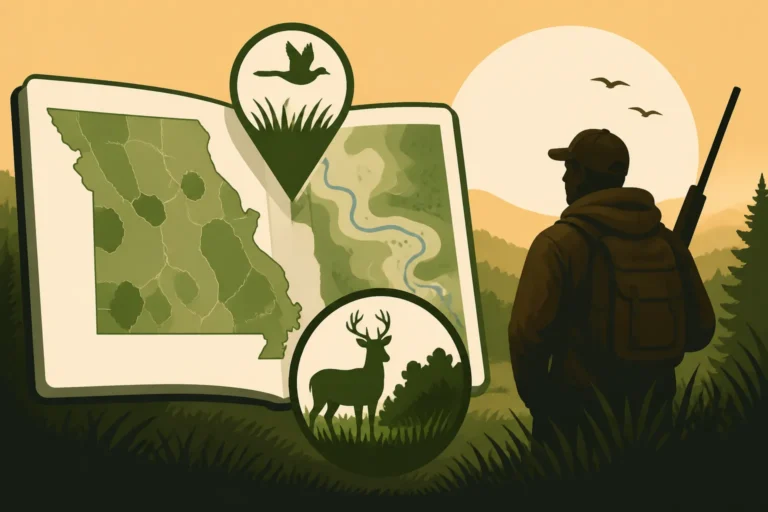
- Study Maps: Get your hands on MDC maps of the wetland areas. These often show pool boundaries, refuge zones, and access roads. Digital mapping tools like onX Hunt or GoHunt are invaluable here. They allow you to overlay public land boundaries, topo maps, and aerial imagery, letting you visualize the terrain, potential flight paths, and even mark potential blind sites or access points from your couch. You can see how The Missouri Conservation Atlas can be a great starting point for this.
- Drive Around: If possible, drive the roads around the wetland during daylight hours. Observe where birds are roosting, feeding, and flying. Note where other hunters are setting up on non-draw days (if allowed).
- Talk to Others: Don't be shy about asking questions at the check-in station or from local bait shops. Conservation agents are often a wealth of information about recent bird movements and water conditions.
- Understand Access Points: Know how you'll get to various pools. Is it a long walk? A boat required? This will influence your choice during the draw.
The more knowledge you have, the more confident you'll be when your number is called, and the better decisions you'll make in that high-pressure moment.
Understanding Different Pool Options
Not all pools are created equal, and their appeal can change daily based on conditions. Your pre-scouting should help with this, but during the draw, remember to consider the following:
- Flooded Timber vs. Open Water: Are you geared for timber hunting with specialized calls and tight decoy spreads, or do you prefer wide-open water with large spreads? Your gear and experience should match the pool type. Missouri Flooded Timber Duck Tactics are very different from hunting open impoundments.
- Water Control Structures: Pools with active water control might have fresher food sources or more consistent water levels.
- Proximity to Food/Roosting: Some pools might be primarily feeding areas, while others are closer to traditional roosting spots, dictating flight patterns.
- History: Some pools consistently produce better than others, but this can also mean they receive more pressure. Balance history with current conditions.
Having a ranked list of preferred pools based on your scouting and current conditions is a smart strategy. This way, if your top choice is taken, you can quickly move to your second or third without hesitation.
Dealing with a Bad Draw Number
Let’s be honest, getting a high number in the draw can feel like a punch to the gut. All those prime spots you scouted are probably gone. But don't despair! A bad number doesn't always mean a bad hunt. Here's how to make the most of it:
- Be Flexible: Your best-laid plans might need to be tossed out the window. Be ready to adapt.
- Look for Overlooked Spots: Sometimes, hunters overlook perfectly good spots because they're fixated on the "hot" areas. A small, out-of-the-way corner of a pool, a thick fencerow, or a shallow slough might hold birds that are avoiding the pressure. This is where your detailed mapping with onX Hunt can reveal hidden gems.
- Consider the "Alternate" List: If you draw a very high number and all the spots are initially taken, don't just leave. Stick around. Often, parties don't show up for their chosen spots, or people decide to go home. Many CAs maintain an alternate list, and you might get a chance to fill a vacancy later in the morning. This is precisely What to Do With a Bad Draw Number.
- Focus on the Experience: Even if the hunting isn't stellar, being out in a beautiful wetland, watching the sunrise, and listening to the sounds of nature is a reward in itself. Enjoy the camaraderie and the challenge.
A "bad" number forces you to be more creative and often leads to learning new parts of the area you might never have explored otherwise.
The Importance of a Good Hunting Party
Duck hunting is often a team sport, and your hunting party can significantly impact your experience, especially during a draw.
- Communication is Key: Before you even get to the wetland, ensure everyone in your party knows the plan, who the party leader is, and what the backup options are.
- Shared Vision: Everyone should be on the same page regarding the type of hunt you're after. Are you looking for high-volume shooting, or are you happy to wait for a few good birds?
- Efficiency: A good party works together efficiently to set up decoys, brush in the blind, and retrieve birds.
- Positive Attitude: Things can go wrong. Decoys tangle, calls sound terrible, and birds flare. A positive, resilient attitude from your entire group makes all the difference. Misery loves company, but successful hunts are built on good attitudes.
Having a cohesive and prepared group will streamline the entire draw process and enhance your actual hunt.
What Happens After the Morning Draw
So, you've survived the draw, you've chosen your spot, and you've made the trek out. Now what? The day is just beginning, and there are a few more things to know about how these managed wetland hunts typically conclude.
Hunting Your Assigned Area
Once you're in your assigned pool or blind site, it's time to hunt! This is where all your efforts, scouting, and preparation pay off. Set your decoys according to the wind and the specific habitat. Remember, whether you're using a full spread or just a few confidence decoys, Decoy Numbers for Green Timber can vary greatly from open water. Get your blind brushed in and make sure everyone is concealed. Keep calls ready, watch the skies, and be patient.
The rules for hunting within your assigned area are usually straightforward:
- Stay in Your Spot: Do not move from your assigned blind site or designated hunting area. This is critical for safety and to respect other hunters who also went through the draw.
- Observe Legal Shooting Hours: Pay close attention to legal shooting hours. These are typically half an hour before sunrise to sunset. You won't be able to shoot before or after these times.
- Practice Good Ethics: Call responsibly, don't sky-bust, and ensure your shots are safe and ethical.
Enjoy the quiet moments, the spectacle of migratory birds, and the thrill of calling them into your spread. This is what all that early morning effort is really about.
Checking Out and Reporting Harvest
Just as important as checking in is checking out. After your hunt, whether you filled your limit or not, you must return to the check-in station or a designated check-out point. This process is usually less stressful than the morning draw.
When you check out, you'll typically be asked to:
- Report Your Harvest: This is where you declare how many ducks and geese your party harvested, broken down by species. This data is incredibly important for wildlife managers to monitor populations and set future regulations and seasons. So, be honest and accurate!
- Return Any Permits/Cards: You might need to return your draw card or any temporary permits issued for the day.
- Provide Feedback (Optional): Sometimes, staff might ask for general feedback on bird activity or conditions. This is your chance to provide constructive input.
Failing to check out and report your harvest is a violation of regulations and can lead to penalties. It also deprives the MDC of crucial data needed to manage the resource we all cherish.
The "Afternoon Draw" or Walk-in Possibilities
What if you missed the morning draw, or just couldn't commit to that early start? Don't give up hope entirely! While the morning draw is the primary method for access, many managed wetland areas offer alternative opportunities later in the day.
- Afternoon Draw/Refill: Some CAs have a second draw in the afternoon to fill any spots that became vacant after the morning hunt. Hunters who left early or didn't check out may leave spots open for a second round of hunters. Check with the specific CA for their afternoon draw procedures.
- Walk-in Access: Many areas also allow walk-in hunting in designated zones after a certain time, often mid-morning or afternoon, once the primary draw hunters are settled or have left. These are typically less desirable spots or areas requiring more effort to access, but they can still offer excellent hunting, especially if you're willing to walk a long way or hunt a less-pressured corner. Again, consulting your digital maps like GoHunt can help you identify these walk-in zones and plan your approach.
Always confirm the specific rules and procedures for afternoon or walk-in access with the conservation area staff, as they can vary greatly from one location to another.
The Missouri wetland morning draw can seem daunting at first, but with a little preparation, understanding, and a good attitude, it's a completely manageable and often very rewarding part of the Missouri waterfowl hunting experience. Good luck out there, and may your number be low!
Disclaimer
This article is for general informational purposes only and does not constitute professional advice. Laws, prices and regulations vary by location and change over time. Consult a qualified professional for guidance on your specific situation.