Dog Training on Conservation Areas
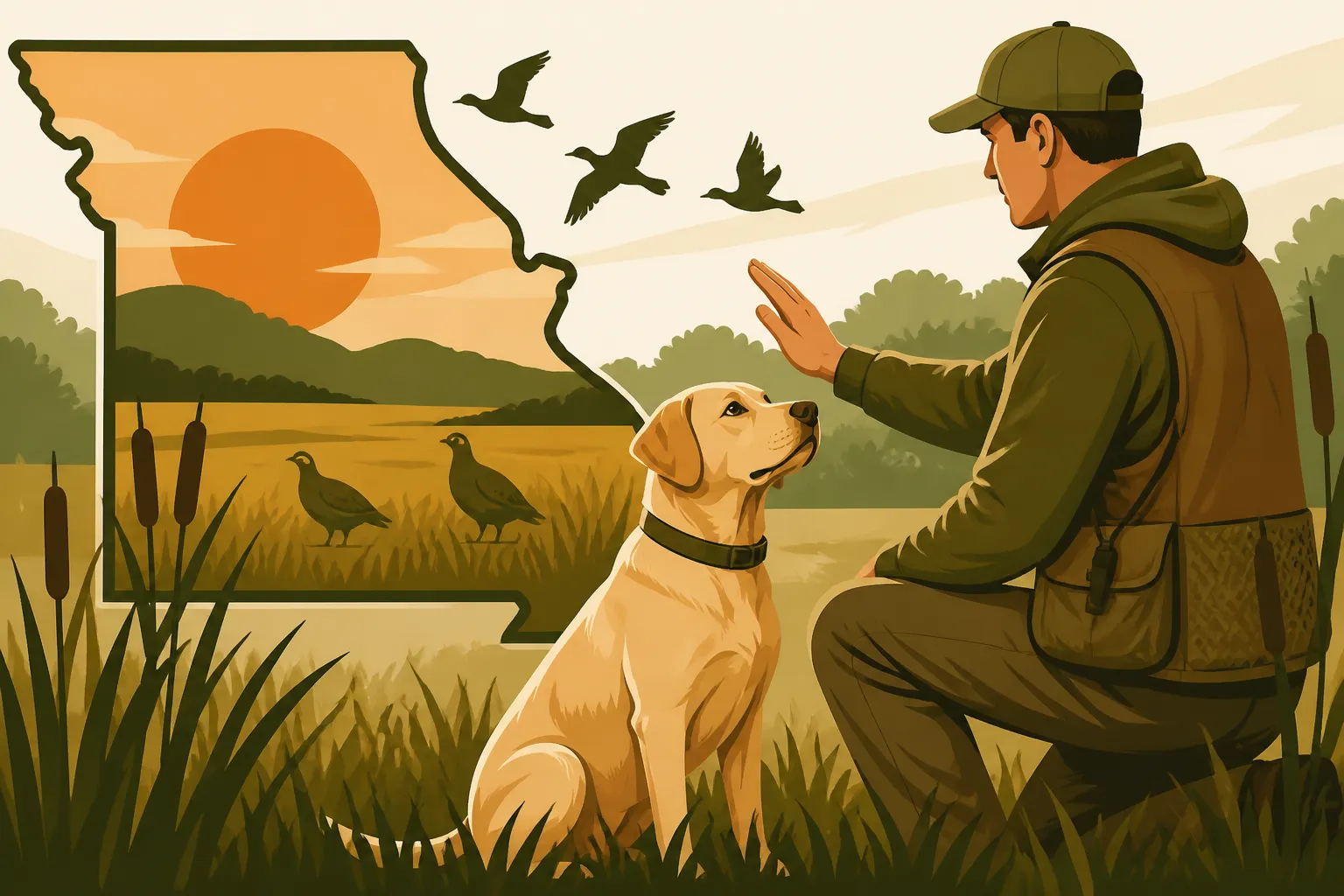
Bringing your canine companion out to a Missouri Conservation Area for training is a truly rewarding experience, but it can also be a little daunting trying to figure out all the rules and where exactly you can go. We all want our dogs to be well-behaved and ready for the field, but navigating public land regulations can feel like walking through a minefield. This guide is here to walk you through the ins and outs of dog training on Missouri's Conservation Areas, ensuring you and your best friend have safe, legal, and productive sessions.
Understanding Missouri's Rules for Dog Training on Conservation Areas
Before you even load up the truck, it's absolutely crucial to understand the rules that govern dog training on Missouri's public lands. There’s nothing more frustrating than arriving at a beautiful spot, ready to work with your dog, only to find you're violating a regulation you didn't even know existed. The Missouri Department of Conservation (MDC) manages a vast network of lands, and while they generally welcome responsible dog owners, these areas aren't a free-for-all.
General Regulations and Permit Requirements
First and foremost, if you're training your dog in a way that mimics hunting, such as working with game birds or rabbits, you'll often need a valid hunting permit. Think of it this way: if your dog is practicing to find and flush game, even if you're not carrying a firearm or bow, you're engaging in an activity closely related to hunting. A Missouri Resident Small Game Permit Cost or Missouri Nonresident Small Game Permit Cost is usually what you'll need. For migratory birds, you might also need HIP registration and even a federal duck stamp, depending on the species your dog is working with. Always double-check the current Missouri hunting regulations, as these things can sometimes change.
Beyond permits, general "rules of the road" apply. Leash laws are common, especially in parking lots, designated trails, and more developed areas of CAs. You can't just let your dog run wild everywhere. Most CAs require dogs to be leashed unless actively engaged in hunting during an open season or specific training activities. This is about respecting other users – hikers, bird watchers, other hunters – and protecting wildlife. You don't want your retrieving dog chasing a deer during fawning season, for instance.
Specific Restrictions and Seasonal Considerations
This is where things can get a bit tricky and require a keen eye on area-specific information. Many Conservation Areas have unique rules tailored to their habitat, local wildlife, or high-use periods. For example, some areas might prohibit dog training during the primary firearms deer season, which makes perfect sense when you consider the number of hunters in the woods during Missouri's November Firearms Portion. It's a safety issue for both your dog and other hunters.
Other restrictions might relate to specific species. You might find areas where training dogs to track raccoons or other furbearers is only allowed during specific nighttime hours or not at all outside of a trapping season. Some areas might have sensitive nesting grounds for ground-nesting birds, and dog activity could be restricted during spring and early summer. It’s not uncommon to see specific regulations about the use of live birds for training versus dummy retrieves. Always check the area-specific brochure or information online before heading out. This is where tools like The Missouri Conservation Atlas come in incredibly handy.
Training Areas vs. Hunting Areas
It’s important to distinguish between general areas for recreation and designated hunting or training areas. While many CAs allow hunting, not all portions of every CA are suitable or even permissible for dog training that involves mock hunting scenarios. Some areas might have specific fields or sections designated for dog training, often with signs indicating such. These are golden opportunities. Conversely, highly trafficked hiking trails or designated wildlife viewing areas are generally not the place to be letting your bird dog range freely, even if you’re just working on commands.
Understanding the difference helps prevent conflicts with other users and ensures you’re not disturbing wildlife in sensitive zones. A good rule of thumb is to look for areas where small game hunting is common and where there's ample cover. Often, these areas align well with the kind of habitat you'd want for training a bird dog or a rabbit dog.
Finding the Right Conservation Areas for Your Dog's Training
Missouri is blessed with an incredible amount of public land, but not all of it is created equal when it comes to dog training. The key is to find areas that not only allow it but offer the right kind of habitat and minimal conflict with other recreational activities.
Utilizing the Conservation Atlas and Online Resources
The Missouri Department of Conservation website is your absolute best friend here. Every Conservation Area has a dedicated page, often with a downloadable brochure that lists specific rules, allowed activities, and a map of the area. This is where you'll find those crucial details about "Dog Training Allowed" or "No Live Game for Training."
Beyond the MDC site, digital mapping tools like onX Hunt are invaluable. You can overlay property lines, see satellite imagery to understand habitat, and even identify specific points of interest. Using onX Layers for Missouri Land Status can show you not just the boundaries of Conservation Areas, but often details about habitat types like old fields, timber blocks, or riparian zones that are perfect for training. These tools can save you countless hours of driving around aimlessly, trying to find the perfect spot.
Considering Habitat and Terrain
The type of habitat you choose should match the kind of training you're doing.
- Upland Bird Dogs (Quail, Pheasant): Look for areas with a mix of native grasses, fencerows, shrubby cover, and old field edges. Walking Missouri Quail Country is an excellent resource for understanding what kind of landscapes a bird dog needs. Areas managed for quail restoration will often provide ideal cover.
- Waterfowl Dogs (Ducks, Geese): Focus on CAs with managed wetlands, flooded timber, or river access. While you likely won't be training in a managed pool during hunting season, areas with sloughs, ponds, or river access can be great for water retrieves during the off-season. Be mindful of potential currents on rivers.
- Rabbit Dogs: Seek out thick brush piles, fencerows, briar patches, and dense wood edges. Rabbits love this kind of cover, and it's perfect for teaching a beagle to navigate dense terrain.
- Deer Tracking Dogs: While dog hunting deer is illegal in Missouri, training a dog for blood trailing wounded deer is allowed and incredibly ethical. For this, you can train in almost any timbered area, focusing on scent work without live game.
When looking at terrain, consider your dog's age and fitness. Rugged Ozark hills are great for building stamina but might be too much for a young pup or an older dog. Flat, open fields offer a different set of challenges and opportunities.
Areas Known for Dog Training Opportunities
While rules can change, some Conservation Areas have historically been more dog-friendly or even have designated dog training areas. It's always a good idea to call the local MDC office for the specific CA you're interested in; they're usually happy to provide current, hyper-local advice. They might even know of specific sections within a large CA that get less pressure from other users, making for a more peaceful training session. Look for areas with large tracts of diverse habitat, particularly those managed for small game, as these often have fewer restrictions on dog activity outside of peak hunting seasons.
| Conservation Area Type | Habitat Description | Common Dog Training Activities | Specific Considerations |
|---|---|---|---|
| Upland Game Areas | Native grass prairies, old fields, shrub rows, timber edges | Bird dog retrieves (dummies/pigeons), pointing practice, recall | Check for active quail/pheasant management; avoid nesting season (spring/early summer). |
| Wetland Areas | Managed pools, flooded timber, open water, river access | Water retrieves, scent work (duck dummies), blind retrieves | Often have specific "refuge zones" or limited access; nontoxic shot rules might apply even for blanks. |
| Forest/Timberland | Mixed hardwoods, cedar thickets, dense undergrowth | Tracking (blood trailing practice), scent discrimination, recall in heavy cover | Be aware of deer presence; high hunter traffic during deer seasons. |
| Multi-Use Areas | Mix of fields, timber, possibly small ponds | General obedience, recall, basic retrieves, leash work | Check individual area brochures for any specific zone restrictions or rules on live birds. |
Essential Gear and Etiquette for Training Sessions
Once you've identified your ideal training spot, it's time to gather your gear and mentally prepare for your session. Beyond the legalities, there's a certain etiquette we all need to observe to ensure public lands remain accessible and enjoyable for everyone, including our four-legged training partners.
Safety First: Vests, Leashes, and Water
Your dog's safety is paramount. Even if you're in an area where off-leash training is permitted, always have a leash readily available. A good quality, durable leash is a non-negotiable item.
Consider a brightly colored vest for your dog, especially if you're training during any hunting season, even if it's not deer season. Blaze orange or bright yellow makes your dog highly visible to other hunters, hikers, or even accidental motorists. While Missouri Hunter Orange Rules apply primarily to human hunters, extending this courtesy to your dog is just plain smart.
Hydration is critical, particularly during warmer months. Always carry plenty of water for both you and your dog. Missouri's summers can be brutal, and even mild days can lead to dehydration during active training. Consider a dedicated Water Carriers for Dogs in Heat to ensure your dog stays cool and focused. If your training involves rough terrain or thick cover, Bird Dog Boots and Cut Pads can protect their paws from thorns, sharp rocks, or abrasive surfaces.
Respecting Other Users and Wildlife
This is perhaps the most important aspect of public land etiquette. We share these spaces with a diverse group of people, all with different expectations.
- Give Space: If you see other people – hikers, anglers, birdwatchers, or other hunters – give them a wide berth. Recall your dog, put them on a leash if necessary, and allow them to pass without interruption. Not everyone loves dogs, and some people might even be afraid.
- Manage Noise: While blank pistols or bird launchers are common training tools, be mindful of how much noise you're making, especially in popular areas or early in the morning. A series of loud shots can disturb wildlife and other users seeking peace and quiet.
- Control Your Dog: Your dog should always be under your immediate control, whether on or off-leash. This means they respond instantly to commands like "come," "stay," or "heel." An out-of-control dog is a nuisance and can lead to dangerous situations. This is especially true if your dog has a high prey drive and you encounter deer or other wildlife. You don't want your dog harassing animals, as this can be illegal and harmful.
- Mind Your Voice: We all get frustrated during training, but yelling at your dog loudly can be startling to others. Keep your voice calm and commands clear.
Cleaning Up After Your Dog
It might seem obvious, but it's astonishing how often this is overlooked. Always, and I mean always, pick up your dog's waste. Carry plenty of waste bags and dispose of them properly, either in a designated trash can or by packing them out with you. "Leave No Trace" principles apply to dog waste as much as they do to human trash. Nothing sours the experience of a beautiful Conservation Area faster than stepping in dog poop or seeing bags of it left on the side of a trail. By being diligent about this, you're not just being a good citizen; you're helping ensure these areas remain welcoming to dog owners for years to come.
Common Challenges and Troubleshooting During Training
Even with the best planning, training a dog on public land can present unique challenges. It’s part of the learning process for both you and your dog. Anticipating these issues can help you prepare and respond effectively, ensuring your sessions are productive rather than frustrating.
Dealing with Distractions
Public Conservation Areas are teeming with distractions: the scent of wild animals, the sounds of other people, unfamiliar sights, and perhaps even other dogs. For a young, eager dog, this can be overwhelming.
- Start Simple: Don't jump into complex retrieves or advanced scent work immediately. Begin with basic obedience commands in a relatively quiet section of the CA. Practice "sit," "stay," and "come" repeatedly until your dog can perform them reliably despite some background noise.
- Gradual Exposure: Slowly introduce more distractions. Start with distant hikers, then move closer. Introduce the scent of a dummy before adding the excitement of a launcher.
- Positive Reinforcement: Keep training sessions fun and rewarding. High-value treats and enthusiastic praise can help your dog focus on you, even with other enticing things around. If your dog is struggling, try to understand why they're distracted and adjust your approach. Are they overtired? Overstimulated? Sometimes a short break is all that's needed.
- E-Collar Use: If you choose to use an e-collar, ensure you and your dog are thoroughly trained in its proper use. E-Collar Use on Public Ground can be a valuable tool for reinforcing commands at a distance, especially in areas with varying terrain or dense cover, but it should never be used as punishment. It's about communication, not correction.
Managing Heat and Weather
Missouri weather can be notoriously unpredictable, swinging from scorching heat to sudden downpours. These conditions directly impact your dog's performance and safety.
- Heat Management: During summer, plan your sessions for early morning or late evening. Avoid the midday heat entirely. Stick to shaded areas and short, frequent breaks for water. Watch your dog closely for signs of overheating: excessive panting, lethargy, or stumbling. If you suspect overheating, stop immediately, get them to shade, and offer water. Wetting them down with cool water can also help.
- Cold Weather: In colder months, ensure your dog is conditioned for the cold. A short-haired retriever might need a vest to stay warm during breaks, especially if they're getting wet. Be mindful of ice on ponds or streams.
- Rain and Mud: A little rain won't hurt, but heavy downpours can make conditions miserable and unproductive. Muddy trails can be tough on paws and make footing treacherous. Have a plan for cleaning up a muddy dog before they get back into your vehicle.
Encountering Wildlife or Other Hunters
These encounters are inevitable on public land and managing them gracefully is key.
- Wildlife: Your dog will encounter squirrels, rabbits, deer, and countless other scents. For bird dogs, this is part of the experience, but they need to learn to ignore non-target species. Consistent training and recall are vital. If your dog starts to track deer, for instance, immediately use your recall command and redirect their focus.
- Other Hunters: During hunting seasons, you're likely to encounter other hunters. Be aware of your surroundings, especially if shots are being fired. If you're training near a hunting area, wear bright colors yourself, and definitely put a visible vest on your dog. A polite nod or a brief, friendly exchange is usually all that's needed. Avoid lengthy conversations that might disturb their hunt. Always remember to check Missouri Conservation Area Hours before you head out.
- Unexpected Situations: Sometimes, you'll simply encounter unexpected situations – a loose dog, a broken fence, or an area that's suddenly closed. Staying calm, adaptable, and informed (by checking MDC resources regularly) will help you navigate these moments.
By understanding the rules, choosing appropriate locations, prioritizing safety and etiquette, and being prepared for challenges, your dog training adventures on Missouri Conservation Areas can be incredibly rewarding. It's a fantastic way to bond with your dog, build their skills, and enjoy the beauty of our public lands.
Disclaimer
This article is for general informational purposes only and does not constitute professional advice. Laws, prices and regulations vary by location and change over time. Consult a qualified professional for guidance on your specific situation.