Dog Vests for Cold Water Retrieves
When you're out there chasing waterfowl across Missouri's diverse landscapes, from the flooded timber of the Bootheel to the icy open waters of a north Missouri reservoir, one of your biggest concerns isn't just bagging the birds—it's keeping your best friend, your hunting dog, safe and healthy. The biting cold of a late-season retrieve can quickly turn dangerous, leading to hypothermia and even life-threatening situations for your canine companion. This guide is all about equipping you with the knowledge to choose the absolute best dog vest specifically designed for those bone-chilling cold water retrieves, ensuring your dog stays warm, protected, and ready for action throughout the season.
The Critical Need for a Dog Vest in Missouri's Cold Waters
Missouri's waterfowl season often stretches well into the colder months, bringing with it rapidly dropping temperatures, icy winds, and frigid waters. While our retriever breeds are built for the cold, their natural insulation has limits, especially during prolonged exposure or repeated plunges into freezing water. A well-chosen dog vest isn't just a luxury; it's a vital piece of safety equipment that mitigates significant risks and enhances your dog's performance and longevity in the field.
Battling Hypothermia and Exhaustion
Think about those crisp November mornings, or even worse, the dead of winter in December and January. The air might be in the single digits, and the water temperature often hovers just above freezing. Every time your dog enters that water, their core body temperature begins to drop. Without adequate insulation, this can quickly lead to hypothermia, a severe and potentially fatal condition. Symptoms like shivering, lethargy, muscle stiffness, and even disorientation can set in, compromising their ability to retrieve and putting their life at risk.
Furthermore, a dog struggling to stay warm expends significantly more energy. This isn't just about shivering; their body is working overtime to maintain its internal temperature. This added exertion means they'll tire out faster, reducing their effectiveness over a long hunt and making them more susceptible to injury. A proper vest helps conserve this vital energy, allowing them to remain active and focused for longer, making those critical retrieves when they count most. Cold Weather Sitting Strategy for yourself might involve layers, and the same principle applies to your dog.
Protection from Submerged Hazards
Missouri's diverse hunting grounds, particularly in areas like our famed flooded timber or along the river bottoms, are rife with hidden dangers beneath the water's surface. Think about jagged stumps, submerged branches, floating ice shards, or even sharp rocks. A dog vest made from durable material provides a crucial layer of physical protection against these unseen hazards. It's not uncommon for a dog to suffer cuts, scrapes, or punctures from debris, especially when swimming through unfamiliar territory or breaking ice.
Imagine your dog enthusiastically diving into a patch of brush in Missouri Flooded Timber Duck Tactics, only to hit a broken branch concealed just below the surface. A robust vest can deflect or absorb some of that impact, preventing a nasty injury that could sideline your dog for the rest of the season, or worse. This protective barrier allows your dog to focus on the task at hand without you having to constantly worry about what hidden dangers might be lurking.
Enhancing Visibility and Buoyancy
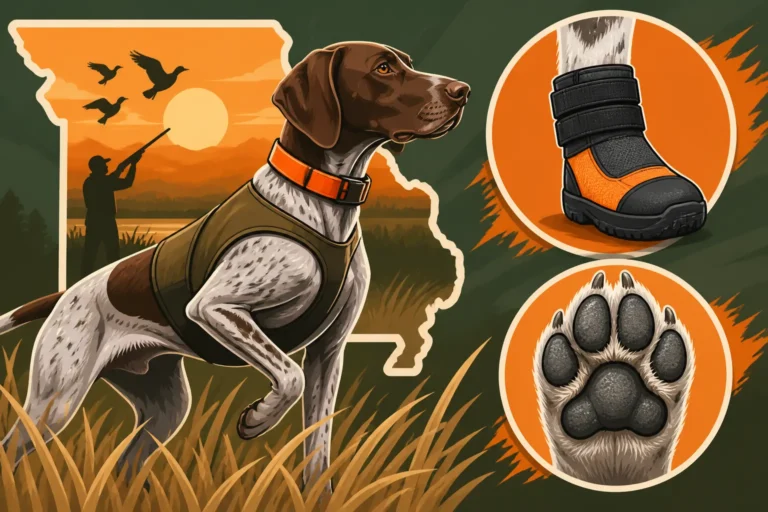
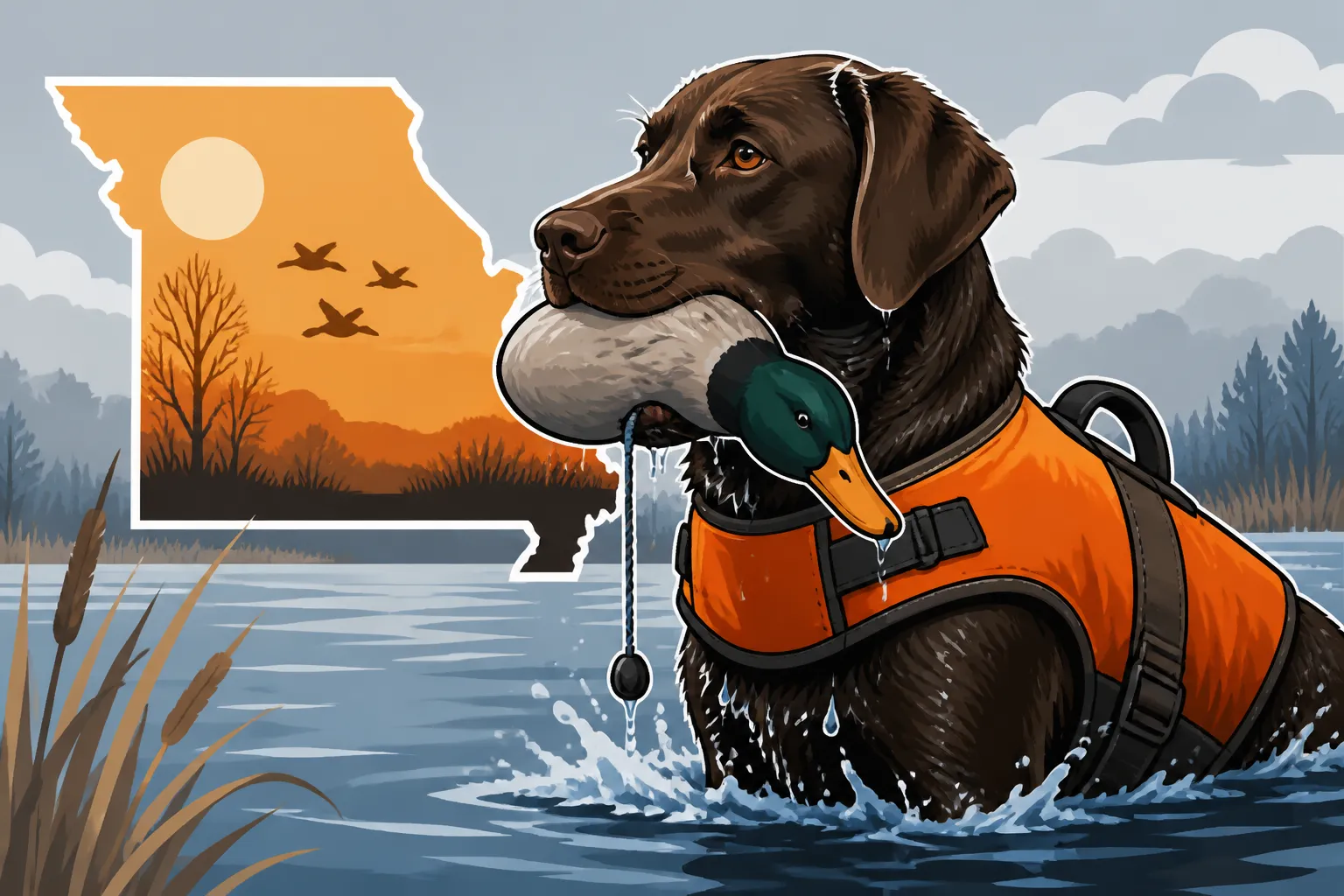
While less critical for warmth, visibility and buoyancy are significant benefits of a good dog vest, especially in challenging conditions. Many vests come in bright, high-visibility colors like blaze orange or yellow, making it much easier to keep track of your dog in dense cover, heavy fog, or low light conditions common during early morning or late evening hunts. This is not just for your benefit; it also helps other hunters spot your dog, which can be crucial on busy public land areas.
Additionally, many cold water vests incorporate buoyant materials. This added floatation can be a game-changer, especially for younger dogs, older dogs, or those making longer retrieves in strong currents like those found on the Missouri River. It reduces the effort required to stay afloat, helping them conserve energy and reducing fatigue. For a dog that might be a bit out of shape or just needs that extra bit of confidence in choppy water, the added buoyancy can make all the difference, making their job easier and safer.
Deciphering the Design: Key Features of Cold Water Vests
Not all dog vests are created equal, particularly when you're looking for one that truly performs in Missouri's frigid hunting conditions. The market offers a dizzying array of options, but understanding the core features designed for cold water performance will help you cut through the noise and select a vest that truly delivers.
Insulation Materials and Thickness
The heart of any cold water dog vest lies in its insulation. The vast majority of high-quality cold water vests are crafted from neoprene, and for good reason. Neoprene is a synthetic rubber known for its excellent insulating properties, even when wet. It traps a thin layer of water against the dog's body, which is then warmed by their body heat, creating an insulating barrier against the colder external water. The thickness of the neoprene is a crucial factor, typically ranging from 3mm to 5mm or even 7mm.
- 3mm Neoprene: This is a good general-purpose thickness, suitable for moderately cold water or early season hunts when temperatures dip but aren't brutally cold. It offers a balance of warmth and flexibility, allowing your dog a full range of motion.
- 5mm Neoprene: Often considered the sweet spot for serious cold water hunting, 5mm neoprene provides substantial insulation for most late-season conditions, including icy retrieves. It's a robust choice that offers significant warmth without being overly bulky for most retrievers. Brands often offer quality options in this thickness, and resources like GoHunt can help you compare reviews.
- 7mm Neoprene: For extreme cold, think deep winter hunts where ice is prevalent and air temperatures are consistently below freezing, 7mm neoprene offers maximum insulation. However, this thickness can be more restrictive and heavier for some dogs, potentially affecting their agility and endurance.
Beyond neoprene, some vests may incorporate other insulating layers or linings for added warmth or quick-drying properties. Always prioritize durability and warmth, as Missouri winters can be unforgiving.
Fit, Flexibility, and Freedom of Movement
A vest, no matter how warm, is useless if it doesn't fit properly or restricts your dog's movement. A snug fit is essential for insulation to work effectively; a loose vest allows cold water to flush in and out, negating the warming effect. However, "snug" doesn't mean "tight" to the point of chafing or hindering breathing and muscle movement.
Look for vests with adjustable straps, often secured with durable buckles or strong Velcro, to achieve a custom fit. Many designs also feature a tapered cut around the legs and chest to prevent chafing in these high-friction areas. Your dog needs to paddle, run, jump, and shake without the vest bunching up or causing discomfort. Pay close attention to how the vest sits around their neck, shoulders, and hindquarters. A poor fit can lead to rubs and sores, especially on longer hunts. When you're thinking about Hunting Missouri River Sandbars for Ducks or battling strong currents, flexibility is just as important as warmth.
Durable Construction and Features
A hunting dog's vest takes a beating. It needs to stand up to briars, sharp branches, ice, and constant abrasion. Therefore, robust construction is non-negotiable.
- Stitching: Look for heavy-duty, reinforced stitching, especially at seams and stress points. Double-stitching or flat-lock seams are indicators of quality.
- Zippers/Velcro/Buckles: Zippers should be heavy-duty, corrosion-resistant, and ideally backed by a flap to prevent dog hair from getting caught. High-quality Velcro should be strong and wide, while buckles should be robust and easy to operate even with cold, gloved hands.
- Reinforcements: Many vests feature reinforced chest plates or belly panels made from tougher materials to protect against punctures from stumps, rocks, or even ice. This is particularly valuable for protecting delicate areas like the dog's underbelly.
- Grab Handles: A sturdy grab handle on the back of the vest is incredibly useful for lifting your dog in and out of boats, over obstacles, or simply getting a better grip on them in slick conditions. Ensure the handle is securely stitched and comfortable to grip.
- D-Rings: While not always necessary for cold water retrieves, D-rings for leash attachment can be a convenient feature for walking your dog to and from the blind.
Considering a brand like GoHunt for your research can help you identify vests that consistently receive high marks for durability and practical features from other seasoned hunters.
Color, Camouflage, and Reflective Elements
While insulation is primary, the visual aspects of a vest are also important.
- High-Visibility Colors: For safety, especially on crowded public lands or during low-light conditions, bright colors like blaze orange or yellow are excellent choices. This makes your dog easy to spot and can prevent accidents.
- Camouflage Patterns: Some hunters prefer camouflage patterns to help their dog blend in with the surroundings, particularly in situations where concealment is paramount. These often come in natural tones or patterns that mimic common Missouri vegetation.
- Reflective Strips: For pre-dawn walks to the blind or late-night retrieves, reflective strips or piping on the vest can significantly enhance your dog's visibility to you and others using flashlights or headlights.
Ultimately, the choice of color often comes down to a balance between safety and concealment, depending on your specific hunting style and location.
Tailoring Your Choice to Missouri's Diverse Waterfowl Scenarios
Missouri offers a fantastic array of waterfowl hunting experiences, from the quiet backwaters of small marshes to the expansive flooded timber and the mighty rivers. Each environment presents its own set of challenges for your retrieving dog, and understanding these nuances will help you select a vest that's perfectly suited for the specific conditions you'll encounter.
Early Season vs. Late Season Chill
The waterfowl season in Missouri is long and varied, and so are the temperatures. What works in early September for Hunting Teal in September might not cut it in a January blizzard.
- Early to Mid-Season (October-November): During these months, while water temperatures are dropping, they might not be brutally cold yet. A 3mm neoprene vest often suffices, offering good insulation without excessive bulk. The focus here is on protection from submerged debris and maintaining core temperature during multiple retrieves, especially as the air starts to get crisp. This is also when you might be doing a lot of scouting for areas that hold birds, and a less cumbersome vest can be better for a dog moving through cover.
- Late Season (December-January): This is when Missouri's winter truly sets in. Waterfowl can be found seeking refuge from ice on open water, or hunkering down in heavily timbered areas. This period demands maximum protection. A 5mm neoprene vest is the standard recommendation here, providing robust insulation against freezing water and biting winds. If you're consistently facing broken ice, strong currents, or extremely low single-digit temperatures, even a 7mm vest might be worth considering, though you'll need to weigh the trade-off in flexibility. Missouri Duck Season Dates by Zone will show you how long these colder periods can last.
Still Water vs. Moving Water (Rivers and Creeks)
The type of water your dog will be working in also plays a significant role in vest selection.
- Still Water (Ponds, Lakes, Flooded Timber): In still water, the primary concern is insulation. While hazards like submerged timber are present, the dog generally faces less physical resistance from the water itself. A well-fitting, insulated neoprene vest of appropriate thickness for the temperature will be your main priority. Buoyancy is still a bonus, helping to reduce fatigue over many retrieves. When hunting Missouri Flooded Timber Duck Tactics, the main concern is often the sheer number of obstacles.
- Moving Water (Rivers, Large Creeks): Hunting along the Missouri River or its larger tributaries like the Mississippi or Current River introduces the added challenge of current. Strong currents demand more effort from your dog to swim and maintain position. Here, buoyancy becomes even more important. A vest that offers good floatation will help your dog conserve energy against the current, reducing the risk of exhaustion. Durability against potential ice flows or heavy debris carried by the current is also a major consideration. Also, consider that the water in rivers often feels colder due to the constant movement.
Habitat Specifics: Timber, Open Fields, and Marshes
Different hunting habitats in Missouri present unique challenges and requirements for your dog's vest.
- Flooded Timber and Heavy Brush: These environments are notorious for snags, broken branches, and thick undergrowth. A vest with superior abrasion resistance, reinforced chest and belly protection, and a tight, snag-free fit is crucial. You don't want the vest catching on every branch. Durability is key to preventing tears and punctures. This is where a more rugged vest really shines.
- Open Water (Large Lakes, Reservoirs): In open water, visibility often takes precedence, especially if you're hunting from a boat or in a large spread of decoys. A bright, high-visibility vest can help you keep track of your dog over longer retrieves and ensure they are seen by other boaters or hunters. Good buoyancy is also a huge asset here for long swims in choppy conditions.
- Marshes and Wetlands: Missouri's managed wetlands, like those found at Duck Creek or Grand Pass, often feature a mix of open water, dense emergent vegetation, and muddy bottoms. Vests that are easy to clean and resist getting bogged down with mud are beneficial. Again, protection from reeds and submerged vegetation is important. Reading Water Levels on a Wetland can also impact how much of your dog's body is exposed to cold water.
Breed and Dog Specific Considerations
Finally, remember that every dog is an individual. What works for one Labrador might not be ideal for another, let alone a Chessie or a Springer Spaniel.
- Coat Type: Dogs with naturally thick, dense double coats (like Labradors or Chesapeake Bay Retrievers) have better natural insulation but can still benefit greatly from a vest in extreme cold. Breeds with thinner coats will rely even more heavily on a vest for warmth.
- Age and Health: Older dogs or those with health issues may tire more easily or be more susceptible to cold. A vest that offers maximum warmth and buoyancy can significantly extend their hunting careers and enhance their safety. Young, inexperienced dogs might also benefit from added buoyancy as they build confidence in the water.
- Activity Level: High-drive, constantly moving dogs might overheat in a very thick vest if the temperatures aren't extremely low. Conversely, a dog that sits patiently in the blind for long periods before a retrieve will need more robust insulation.
- Size and Build: Always refer to the manufacturer's sizing charts and measure your dog accurately. Pay attention to girth, neck, and back length. A good fit is paramount, and some brands, like those you might find featured on GoHunt, offer vests with more extensive sizing options or adjustable features for a wider range of canine builds.
By considering these factors, you can make a more informed decision, ensuring your dog has the best possible gear for staying warm, safe, and effective throughout Missouri's diverse waterfowl seasons.
Proper Care and Longevity: Making Your Dog's Vest Last
Investing in a high-quality cold water vest for your hunting dog is a smart move, but like any piece of essential gear, its effectiveness and lifespan depend heavily on proper care and maintenance. Neglecting your dog's vest can lead to reduced performance, premature wear, and even potential health risks for your canine partner. Taking a few simple steps after each hunt will ensure your investment pays off for many seasons to come.
Routine Cleaning After Every Hunt
This might seem obvious, but it's often overlooked when you're tired and just want to get warm after a long day in the field. Your dog's vest will collect mud, grime, dog hair, blood, and potentially harmful bacteria from the water.
- Rinse Thoroughly: As soon as possible after a hunt, thoroughly rinse the vest with fresh, cool water. This washes away loose mud, debris, and any chemical residues from the water. Pay special attention to seams, zippers, and buckle areas where gunk can accumulate.
- Gentle Cleaning: If the vest is particularly dirty or starts to smell, use a mild, unscented soap (like dish soap or a dedicated wetsuit cleaner) and a soft brush or sponge. Gently scrub away any stubborn stains. Avoid harsh detergents or bleach, as these can degrade the neoprene and other materials.
- Remove Odors: For persistent odors, a vinegar and water solution (about 1 part white vinegar to 4 parts water) can work wonders. Soak the vest for 30 minutes, then rinse thoroughly.
- Inspect and Clean Closures: Make sure to clean around any zippers, Velcro, or buckles. Sand and grit in these mechanisms can cause them to fail prematurely. A small brush can help dislodge debris.
Ignoring cleaning can lead to mold and mildew growth, which not only smells terrible but can also damage the vest's material and potentially cause skin irritation for your dog.
Proper Drying and Storage Techniques
How you dry and store the vest is just as important as how you clean it.
- Air Dry Completely: Never put a neoprene vest in a dryer, as the high heat can damage the material and cause it to shrink or lose its insulating properties. Instead, hang the vest in a well-ventilated area away from direct sunlight and heat. Sunlight can degrade neoprene over time. Hanging it ensures air circulates around all surfaces.
- Inside Out (Optional): Some hunters prefer to turn the vest inside out for the initial drying phase to ensure the interior dries thoroughly, especially if it has a fabric lining.
- Avoid Folding or Crushing: Once completely dry, store the vest flat or hang it on a wide hanger. Avoid folding or creasing it tightly, especially for extended periods, as this can create permanent wrinkles and compromise the integrity of the neoprene. Store it in a cool, dry place where rodents or insects can't get to it. Blind Bags and Cold-Weather Gear for your own items follow similar principles.
Regular Inspection for Wear and Tear
Before and after each hunting season, and periodically throughout, give your dog's vest a thorough once-over.
- Check Seams and Stitching: Look for any frayed threads, loose stitching, or areas where seams are starting to separate. Early detection can allow for minor repairs before they become major issues.
- Examine the Neoprene: Look for cuts, tears, or punctures in the neoprene itself. Small holes can compromise insulation. Some minor tears can be repaired with specific neoprene glues or repair kits.
- Test Closures: Ensure zippers glide smoothly, Velcro still has a strong grip, and buckles click securely. If a buckle is cracked or a zipper is sticky, it's best to address it before your next hunt.
- Look for Chafing Areas: Pay attention to the areas where the vest comes into contact with your dog's legs, armpits, and neck. If you notice excessive wear or thinning in these spots, it might indicate a fit issue that needs adjustment or a design flaw.
By being proactive with inspection and maintenance, you not only extend the life of your dog's vest but also ensure it provides optimal performance and protection when you need it most. After all, a reliable vest means a safer, more effective hunting partner out in the Missouri elements.
Disclaimer
This article is for general informational purposes only and does not constitute professional advice. Laws, prices and regulations vary by location and change over time. Consult a qualified professional for guidance on your specific situation.