Finding Coveys on a Restoration Landscape
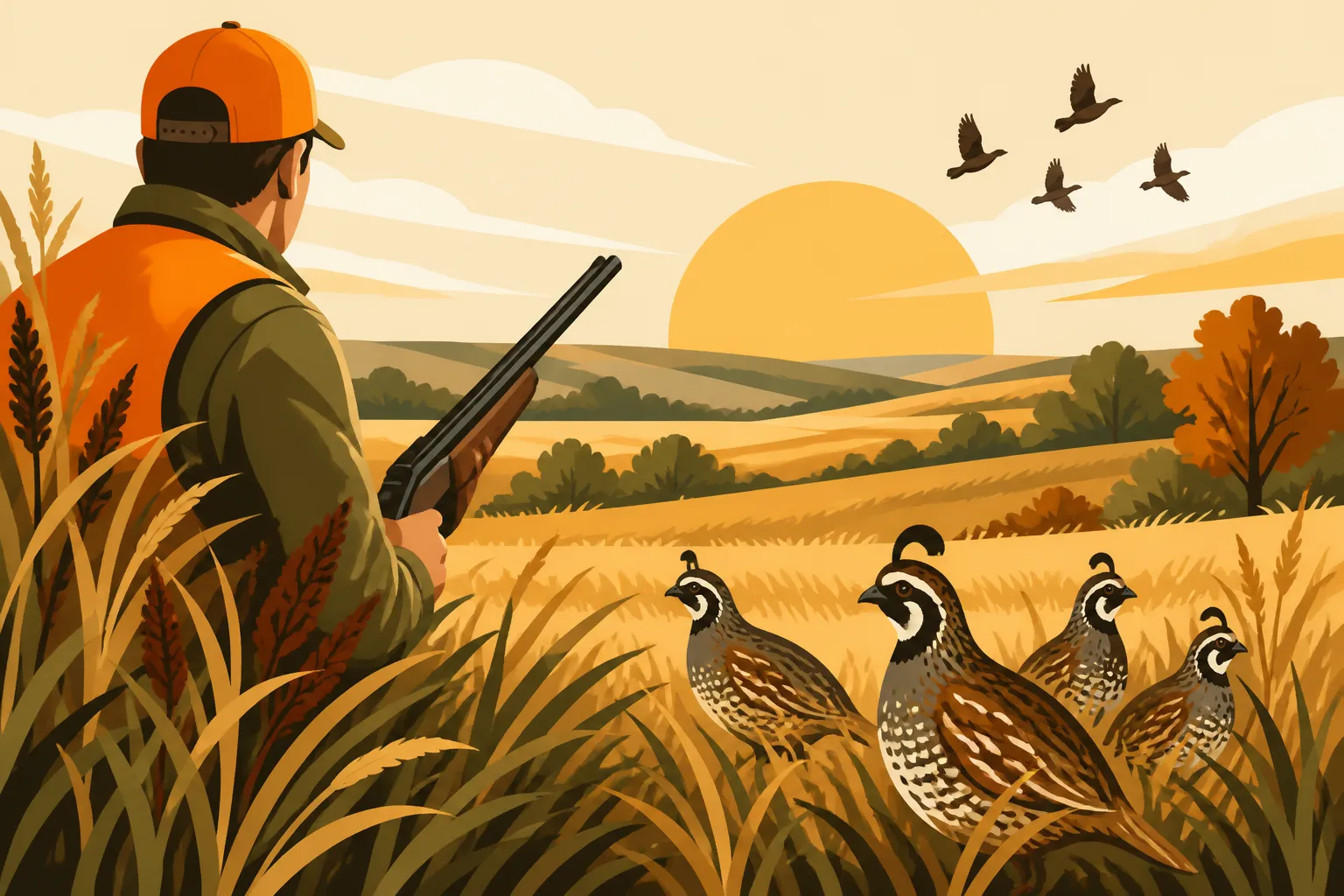
Finding a solid covey of bobwhite quail can feel like discovering a hidden treasure in Missouri, especially when you're navigating the expansive, diverse habitats of our state's dedicated restoration landscapes. It's a different kind of hunt than chasing birds in traditional farm country; these areas are often designed to bring back the very essence of prime quail habitat, which means dense cover, scattered food sources, and often, more ground to cover than you might initially anticipate. This guide will walk you through the intricacies of locating those elusive coveys on Missouri's restoration efforts, helping you understand the terrain and apply effective strategies to put some birds in your vest.
Understanding Missouri's Quail Restoration Landscapes
When we talk about quail restoration landscapes, we're not just talking about old fields left to grow wild. These are meticulously managed tracts, often a mix of public conservation areas and private lands, specifically designed to reverse the Missouri Bobwhite Population Trend that has seen a decline over the decades. They represent a significant investment in bringing back the "king of game birds," and understanding their design is crucial to finding birds.
What Makes a Restoration Landscape Unique?
A genuine quail restoration landscape is a vibrant tapestry of diverse cover types, carefully cultivated to provide all the essential elements bobwhites need to thrive: nesting cover, brooding cover, escape cover, and reliable food sources. This means you'll typically encounter large blocks of warm-season native grasses like big bluestem, indiangrass, and switchgrass, often intermixed with beneficial native forbs that produce seeds and attract insects. These taller grasses provide excellent nesting opportunities in the spring and dense thermal cover in the winter.
But it's not just grass. These areas will also feature strategically placed shrub thickets—think wild plum, sumac, or even scattered Osage orange—which offer crucial overhead protection from avian predators and extreme weather. Bare ground, often maintained through prescribed burns or light disking, is another critical component, allowing young chicks to move freely and forage for insects. The goal is to create a mosaic, not a monoculture, ensuring birds don't have to travel far to find everything they need. The deliberate habitat work on these areas, like those described in What a Quail Restoration Landscape Is, directly impacts where you'll find the birds.
Reading the Landscape: Beyond the Pretty Picture
While these landscapes can be incredibly beautiful, a hunter needs to look beyond the aesthetics and learn to "read" the ground for quail sign. This involves identifying the subtle, and sometimes not-so-subtle, features that funnel birds, provide security, or offer food. Look for the edges where a dense stand of native grass meets a brushy hedgerow or a timberline. These transition zones are goldmines, as quail rarely live deep within a single, uniform habitat type. They prefer to be right on the seam, able to duck into thick cover at a moment's notice or slip into an open area to feed.
Pay close attention to changes in elevation, even slight ones, that can create microclimates or funnel wind, influencing where birds might sit. Dry creek beds with brushy banks, old fencerows choked with briars, or even isolated clumps of cedars within a prairie can serve as vital escape cover. You're essentially looking for the "living room" of the quail—the place where they feel safest and have easy access to food and water. Understanding these subtleties will give you a significant advantage, especially in larger areas Where Missouri's Restoration Landscapes Are might encompass thousands of acres.
Effective Scouting for Missouri Bobwhites
Putting in the legwork before the season, both digitally and on the ground, can drastically improve your chances of finding coveys once hunting season arrives. Don't underestimate the power of preparation; it's often the difference between a frustrating day and a memorable one.
Pre-Season Digital Scouting and Mapping
Before you even lace up your boots, modern mapping tools can be your best friend. Websites and apps like GoHunt, or the Missouri Conservation Atlas, allow you to pour over aerial photography and topographic maps to identify promising areas. Look for patterns:
- Edge Habitat: Trace lines where different cover types meet—where a native grass field borders a timber block, a drainage ditch, or a fencerow.
- Brushy Draws and Finger Cover: Locate draws or narrow strips of dense brush that extend into larger fields. These act as highways and security zones for quail.
- Food Sources: Identify old crop fields, food plots, or areas where natural food-producing plants (like ragweed or partridge pea) might thrive.
- Elevation Changes: Contour lines can reveal subtle saddles or benches that birds might use for travel or roosting.
By digitally marking these potential hotspots, you can create a hunting plan that focuses your efforts and avoids wasted steps. This is particularly useful on public land where you might not be intimately familiar with every acre.
Boots-on-the-Ground Reconnaissance
Digital scouting gives you a roadmap, but nothing beats actual physical scouting. Once you've identified promising areas on your maps, take some time to walk them, preferably outside of hunting season to avoid disturbing birds. What are you looking for?
- Quail Sign: Keep your eyes peeled for evidence of quail. This includes dusting bowls (small, shallow depressions in bare dirt where birds dust themselves), droppings (tiny, dark pellets, often found in coveying areas), and feathers.
- Food Availability: Check for natural food sources like acorns, persimmons, or the seeds of various weeds and grasses.
- Escape Cover Density: Evaluate the thickness of brush and briars. Is it dense enough to deter predators but still accessible for quail?
- Water Sources: While quail don't need standing water daily, they do benefit from morning dew or puddles after a rain, so areas near water can be attractive.
During your scouting trips, be mindful of any prescribed burn areas. These are crucial for habitat regeneration, but fresh burns might take some time to green up and become attractive to quail again. On the flip side, older burns with new growth can be phenomenal. Pay attention to what the Missouri Department of Conservation (MDC) reports on their area brochures regarding recent management activities; it’s invaluable information that informs where Covey Counts and What They Show might be higher.
Hunting Strategies for Success on Restoration Lands
Once opening day arrives, it's time to translate your scouting into actual hunting success. These areas demand a thoughtful approach, often requiring a blend of patience and perseverance.
Working the Edges and Transition Zones
Quail are creatures of the edge. They thrive where different habitat types converge, offering them quick access to food, water, and escape cover. On restoration landscapes, this often means focusing your efforts on the boundaries where native grasses meet timber, brushy draws, or even old farm fields that have been re-seeded. Instead of crashing through the center of a dense block of switchgrass, systematically work the perimeter.
Walk along a fencerow bordering a warm-season grass field, paying close attention to any turns, thick spots, or small cedars that offer extra cover. If there's a brushy creek bottom or a timbered draw cutting through a prairie, hunt both sides of it, keeping your dog slightly ahead. These "fingers" of cover act as natural travel corridors and holding spots for coveys. As you move, keep in mind the principles of Working Field Edges and Draws for Quail, always anticipating where a covey might flush from.
Systematic Grid Searching and Dog Work
Hunting efficiently on these large landscapes requires a systematic approach. Don't just wander aimlessly. If you're working a large block of cover, envision it as a grid and try to cover it in a deliberate pattern, especially if you're hunting with a bird dog. Good bird dogs are absolutely invaluable here; they can cover far more ground than you can, scenting birds that you'd walk right past. A wide-ranging pointer or setter can quickly locate coveys, while a flushing dog can effectively push birds out of dense cover.
When your dog goes on point, approach cautiously, ready for the flush. Remember that quail in restoration areas can hold tight, but they can also be notoriously wild, flushing far ahead. If you don't have a dog, you'll need to move slower, kick through every thicket, and be ready to shoot quickly. For those considering Hunting Quail Without a Dog, it's a much harder task on these expansive areas, demanding extreme patience and a keen eye for subtle sign. For those fortunate enough to hunt with a dog, ensure they are well-equipped, especially when dealing with Missouri's often fluctuating temperatures, by checking out Bird Dog Gear for Missouri Heat.
Utilizing Weather and Time of Day
Quail activity is heavily influenced by weather and time of day. On crisp, cool mornings, coveys might be more active, moving out of roosting cover to feed in more open areas. As the day warms up, especially on sunny days, they'll often move to denser, shadier cover, like plum thickets or timber edges, to loaf and escape the heat. Hunting these loafing areas during midday can be productive.
Conversely, on cold, windy, or rainy days, quail will seek out the thickest thermal and escape cover available. This might mean pushing through gnarly briar patches or dense stands of switchgrass that you might otherwise avoid. Pay attention to the wind direction; quail often flush into the wind, so trying to approach them with the wind in your face can give you a slight advantage, allowing you to get closer before they burst into the air. When you're out Walking Missouri Quail Country, understanding these daily patterns helps you decide where to focus your efforts.
Challenges and Adaptations for Restoration Landscapes
Hunting restoration landscapes isn't always easy. These areas are designed for the birds first, and that means challenging conditions for hunters. But with the right mindset and a few adaptations, you can still have a successful and rewarding experience.
Dealing with Thick Cover and Flush Points
One of the biggest realities of hunting quail in restoration areas is the sheer density of the cover. Those beautiful native grasses and shrub thickets are fantastic for the birds, but they can be a serious workout for hunters and dogs. Expect to push through thickets, get scratched by briars, and sometimes feel like you're fighting your way through a wall of vegetation. This dense cover also means that when a covey does flush, it can explode out of nowhere, often with only a split second for a shot opportunity.
You'll need to practice your Covey Rise Shooting Discipline, being ready to react quickly and pick out a single bird in a chaotic flurry. Your shotgun and load choice also become critical. Many hunters opt for an open choke (like improved cylinder or skeet) and faster, lighter loads to get a dense pattern at close range. Don't get discouraged if you miss more often than not; it's part of the game in this habitat. Patience and persistence are your best weapons.
Managing Pressure and Finding Unmolested Birds
Many of Missouri's best restoration landscapes, especially those on public conservation areas, can experience significant hunting pressure, particularly on opening day and weekends. Pressured birds quickly become wilder, flushing further out and making them even harder to approach. If you find yourself in a crowded area, don't give up. Instead, adapt your strategy.
Consider hunting during weekdays if your schedule allows, or exploring less obvious corners of the property. Sometimes, a short, overlooked patch of cover between two heavily hunted fields can hold a covey that everyone else walks past. Alternatively, consider walking further than most hunters are willing to go. The deeper you get into a property, away from easy access points, the less pressure the birds will have seen. Be willing to explore and think outside the box to find those elusive, unmolested birds.
| Cover Type | Typical Quail Presence | Hunting Tips |
|---|---|---|
| Dense Native Grass (Switchgrass, Indiangrass) | High, especially for nesting and winter thermal cover; loafing/roosting. | Work edges systematically. Dogs are crucial to find holding birds. Expect tight holds, quick flushes. |
| Brushy Thickets (Wild Plum, Sumac, Osage Orange) | Very High for escape cover, midday loafing, and roosting. | Always hit these. Birds often run into them. Be ready for close-quarters flushes. |
| Timber Edges Adjacent to Prairie/Grass | Moderate to High for travel, foraging, and roosting. | Walk the seam where timber meets open cover. Look for downed logs or brush within the timber. |
| Fencerows and Hedgerows | High for travel corridors and linear cover. | Treat as linear thickets. Work both sides. Expect birds to run down the line. |
| Weedy Crop Field Borders (Old Food Plots) | High for foraging and light cover. | Excellent for early morning/late afternoon feeding. Birds might be more visible but also quicker to run. |
| Open Bare Ground/Light Forbs | Low for cover, but high for brooding chicks and dusting. | Focus on edges of these areas. Look for dusting bowls or tracks, especially after rain. |
Disclaimer
Hunting is an inherently dangerous activity. Always prioritize safety, follow all local and state regulations, and be mindful of your surroundings and fellow hunters. Ensure you have the proper permits, including your Missouri small game permit or Missouri Nonresident Small Game Permit Cost, and comply with all specific area rules. This guide is for informational purposes only and does not supersede official hunting regulations.