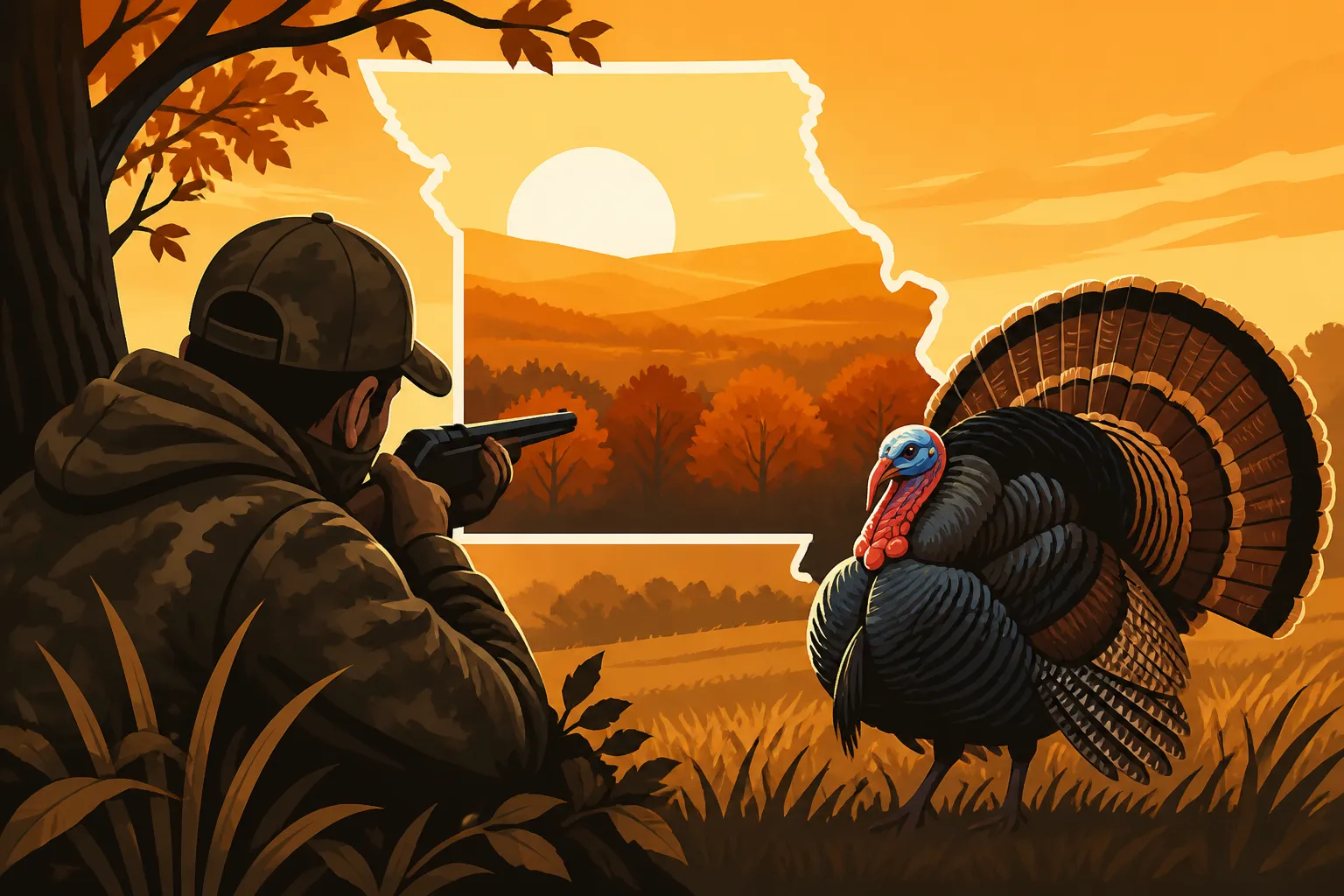
Hunting Missouri’s Fall Turkey Season
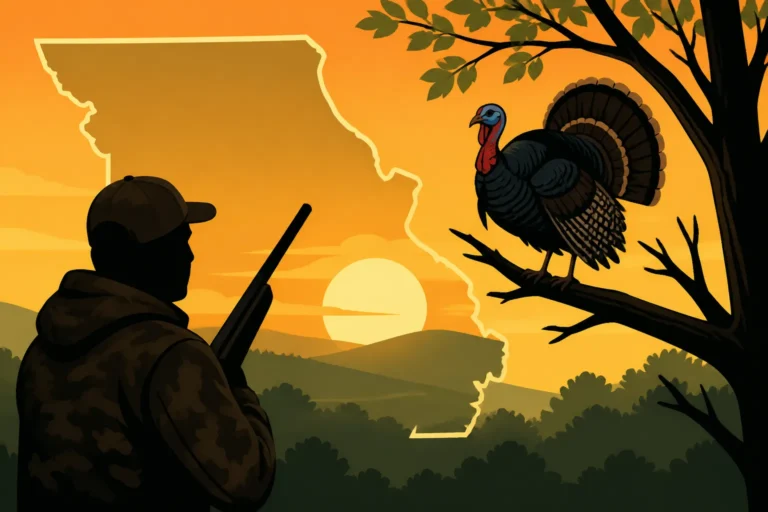
The crisp air of a Missouri autumn brings with it a whole new set of challenges and thrills for turkey hunters. Unlike the vocal, territorial strutters of spring, fall turkeys are often quieter, more focused on feeding, and travel in larger family groups, making them tricky to locate and even harder to call in. If you've struggled to connect with a fall gobbler or hen, this guide is designed to peel back the layers of frustration, offering practical strategies and local insights to help you fill your tag during Missouri's unique fall turkey season.
Understanding Missouri's Fall Turkey Season Rules
Before you even think about setting foot in the timber, it’s crucial to have a solid grasp of Missouri’s fall turkey regulations. These often differ significantly from the spring season, and misunderstanding them can quickly lead to an unpleasant encounter with a conservation agent. The Missouri Department of Conservation (MDC) sets these rules with an eye toward maintaining healthy turkey populations, which means hunters need to be diligent about staying informed.
Key Dates and Permit Information
Missouri’s fall turkey season typically includes both archery and firearms portions, though the dates and bag limits can change from year to year. Generally, the archery season aligns with the state’s broader archery deer season, offering a generous window of opportunity for bowhunters. The firearms portion is usually much shorter, often lasting only a few weeks in October. It's vital to check the current year's MDC regulations booklet or website for the exact dates before planning your hunt.
When it comes to permits, both residents and non-residents will need a fall turkey permit. These are often purchased over-the-counter and are separate from your deer permits. The big difference from spring is the bag limit. In spring, you’re often limited to bearded birds only, and perhaps two per season. For fall, you can typically harvest any turkey, meaning both hens and gobblers are fair game. However, there's usually a limit of two birds for the entire fall season, and only one of those can be taken during the firearms portion. This flexibility in targeting hens is a key aspect of fall hunting, allowing hunters to fill their freezers while also participating in population management. Always remember to Telecheck Requirements After a Harvest to ensure your hunt is fully legal and accounted for.
Legal Methods and Orange Requirements
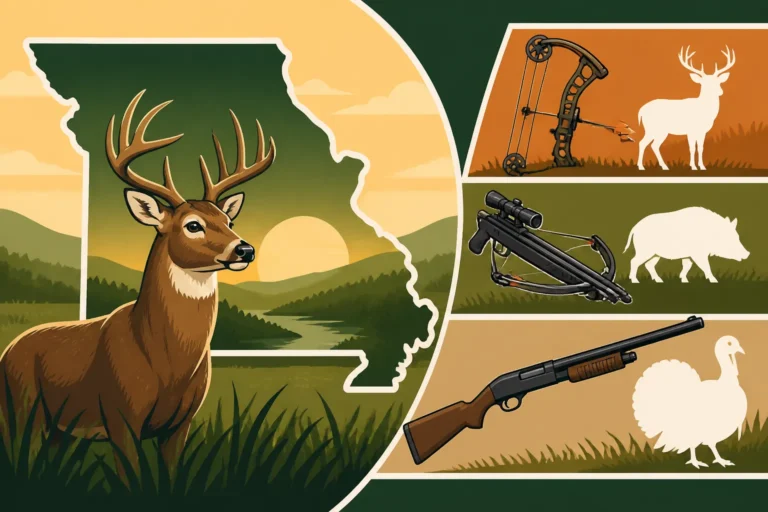
Missouri offers a variety of legal methods for fall turkey hunting, catering to different preferences and skill sets. For archery hunters, traditional bows, compound bows, and crossbows are all permitted. This means if you're already geared up for deer, you can easily transition to turkeys with the right broadheads. During the firearms portion, shotguns, muzzleloading shotguns, and even certain types of rifles (though shotguns are far more common for turkeys) are generally allowed. Check the regulations for specific gauge and shot size restrictions; usually, you'll be looking at lead or non-toxic shot in sizes 4, 5, or 6.
A critical rule to remember, especially if you're hunting during an overlap with the firearms deer season, is the hunter orange requirement. While it might feel counterintuitive for turkey hunting, if you're out during the youth portions or the main Missouri's Eleven-Day November Firearms Deer Season, you will need to display hunter orange. This is for safety, ensuring you're visible to other hunters who might be pursuing deer. Even if you're strictly turkey hunting with a bow or shotgun, if there's an active firearms deer season, play it safe and wear your orange. It's a small inconvenience for a huge safety benefit.
The Big Difference: Fall Turkeys Versus Spring Gobblers
If you're a seasoned spring turkey hunter, the fall season can feel like a completely different ballgame. The behaviors, priorities, and responses of turkeys shift dramatically once the breeding season is over and the focus turns squarely to survival and sustenance. Understanding these fundamental differences is key to adjusting your strategy and increasing your chances of success.
Behavioral Changes in Autumn Flocks
In spring, the mature gobbler is the star of the show. Driven by hormones, he's broadcasting his location, strutting for hens, and readily responding to aggressive calling. Fall turkeys, however, are far more social and less vocal. After the spring breeding season, turkeys typically regroup into larger, distinct flocks: adult hens with their poults (often called a "brood flock"), jake flocks, and sometimes mature gobbler flocks. These groups roam widely, often covering significant ground each day in search of food.
The territorial displays of spring are largely absent. Instead of hearing booming gobbles, you're more likely to hear soft yelps, clucks, and purrs as the birds communicate within their flock. Their primary motivation isn't breeding; it's eating and staying safe. This means they are incredibly wary, highly tuned to their surroundings, and very sensitive to anything that sounds out of place. Your spring calling tactics, which often involve aggressive gobbling and enticing seductive hen calls, might not only fail in the fall but could actually spook birds away. Learning When Missouri Gobblers Go Quiet is crucial for transitioning your mindset.
Calling Strategies That Work in the Fall
Given these behavioral shifts, your calling strategy needs a complete overhaul for fall hunting. The primary goal of fall calling isn't to attract a breeding partner, but to mimic the sounds of a lost or lonely turkey trying to reunite with its flock. This is where the classic "scatter and call back" tactic comes into play, a technique that is almost exclusively a fall strategy.
The Scatter: The most effective fall tactic often involves intentionally breaking up a flock. If you can locate a group of turkeys—either by seeing them, hearing their subtle calls, or even busting them out of a roost—your first move should be to run in and scatter them in every direction. The younger birds, especially, will become disoriented and anxious to regroup.
The Call-Back: After the scatter, you wait. Give it 20-30 minutes, sometimes longer, for the woods to settle down and for the turkeys' natural instinct to flock back up to kick in. Then, you start making assembly calls: lost yelps, kee-keem runs (the distinct cry of a lost young turkey), and soft clucks. The goal is to sound like a lost bird, not a dominant one. Hens are often the first to respond, eager to gather their dispersed poults. If you busted a jake flock, they'll often come running back to the calls. It's a completely different game than the conversational calling of spring. Carrying a variety of Turkey Calls Worth Carrying in Missouri, from box calls for volume to slate calls for softer sounds, will increase your versatility.
Essential Scouting and Locating Fall Flocks
Finding turkeys in the vastness of Missouri's fall timber can be incredibly challenging, especially since they're not nearly as vocal as their spring counterparts. Unlike spring, where you might rely heavily on roost gobbles, fall hunting demands a much more proactive and detail-oriented scouting approach. This is where your ability to read the landscape and understand turkey behavior truly shines.
Identifying Key Fall Food Sources
Turkeys are driven by their stomachs in the fall. Their entire existence revolves around finding and consuming high-energy foods to prepare for winter. Therefore, your scouting efforts should center around identifying and locating these critical food sources.
Acorns: Hands down, acorns are king in the fall turkey diet. White oaks drop first, followed by red oaks. If you find an area with a heavy acorn crop, especially one that turkeys can easily access, you’ve likely found a hotspot. Look for fresh droppings, scratch marks in the leaf litter, and even dusting bowls near these oak stands. Turkeys will spend hours, even days, under productive oak trees.
Agricultural Fields: Don’t overlook agricultural areas, particularly in north Missouri's farm country. Fields of cut corn, soybeans, and even wheat stubble can be massive draws for turkeys, offering leftover grains and seeds. They’ll often feed along field edges, especially where timber offers quick escape cover. If you're Hunting Standing Corn Before Harvest for deer, keep an eye out for turkey activity, too.
Other Forage: While acorns and waste grain are primary, turkeys will also consume a variety of other fall foods, including wild grapes, dogwood berries, sumac, and even insects unearthed from leaf litter. Areas with a diverse mix of mast-producing trees and shrubs will consistently hold birds. Identifying these food sources on maps, like those available through GoHunt, can give you a major advantage by narrowing down potential areas to physically scout.
Reading Sign and Using Technology
Since vocalizations are minimal, your eyes become your most important scouting tool. You need to become an expert at reading turkey sign.
Droppings: Turkey droppings are distinct. Gobbler droppings are typically J-shaped, while hen droppings are more coiled or blob-like. Fresh droppings indicate recent activity. Pay attention to the size; smaller, pencil-thin droppings suggest young-of-the-year poults, which is a good indicator of a brood flock, perfect for the scatter-and-call technique.
Tracks and Scratching: Look for tracks in soft soil, creek beds, or mud around water sources. More importantly, observe the extensive scratch marks in leaf litter. Turkeys scratch forward with both feet, creating a distinct V-shape pattern as they dig for acorns and insects. The size and freshness of these scratched areas can tell you how many birds are present and how recently they were there.
Dusting Bowls: Turkeys love to dust bathe to clean their feathers and rid themselves of parasites. Look for shallow depressions in dry, soft dirt, especially on sunny hillsides or along old logging roads. These "dusting bowls" are clear indicators of consistent turkey presence.
Trail Cameras: Trail cameras can be incredibly useful for fall turkey scouting. Set them up near identified food sources, dusting bowls, or pinch points where turkeys are likely to travel. The images can confirm the presence of birds, show you flock sizes, and even give you an idea of their daily routines and travel corridors. This data can save you countless hours of blind walking. Using mapping tools like GoHunt to drop pins for sign or camera locations can help you build a comprehensive picture of turkey movement. For those Scouting Missouri Public Land Before Season, this combination of boots-on-the-ground and digital mapping is a game-changer.
Hunting Tactics for Success in Autumn
Once you've done your scouting homework and understand the nuances of fall turkey behavior, it's time to put a plan into action. Fall turkey hunting often requires more patience, more stealth, and a different approach to engagement compared to the high-adrenaline rush of spring gobbler pursuits.
The Art of the Scatter and Re-Gather
As mentioned, the scatter-and-call technique is the cornerstone of fall turkey hunting. But there's an art to executing it successfully.
Approaching the Flock: The first challenge is to locate a flock without alerting them to your presence too early. This often involves still-hunting through prime habitat, slowly and quietly moving through the woods, stopping frequently to listen and scan. If you spot a flock, try to close the distance without them seeing you. The goal is to get close enough to charge them.
The Charge: When you're within range, typically 50-100 yards, and you have a clear path, make a sudden, noisy rush directly at the flock. Yell, wave your arms, crash through brush—do everything you can to make them fly or run in panic, scattering in multiple directions. This element of surprise and chaos is vital. You don't want them just walking away; you want them thoroughly broken up and disoriented.
Setting Up and Calling: Immediately after the scatter, find a good, concealed setup point with good visibility and a clear shooting lane in the direction you expect birds to return. This is often against a wide tree or in a ground blind. Then, be patient. Very patient. It might take 20 minutes, or it might take an hour, for the birds to start calling back. When you hear the first tentative lost calls, mimic them with your own soft yelps and kee-kees. Don't overcall; let the turkeys tell you when they're ready to respond. When birds start coming in, they often do so quietly and cautiously, so be ready. For those focused on Breaking Up a Fall Turkey Flock, this sequence is critical.
Still-Hunting and Ambush Strategies
While the scatter-and-call is highly effective, it's not the only way to hunt fall turkeys. Sometimes, conditions don't allow for a scatter, or you might be hunting a lone bird or smaller group. In these situations, still-hunting and ambush tactics become invaluable.
Still-Hunting: This involves moving incredibly slowly and deliberately through the woods, often mimicking the slow pace of a feeding turkey. Focus on prime feeding areas like oak ridges, food plot edges, or along creek bottoms. Take a few steps, then stop and scan intently for movement. Use your binoculars to pick apart cover. Listen for soft clucks, purrs, or the distinct scratching of feeding turkeys. When you hear or see them, you can either try to get ahead and set up an ambush, or attempt to call them in with subtle, non-threatening sounds. This works especially well in areas where you're Hunting Missouri Ridge Saddles and Benches, where deer and turkeys often share travel corridors.
Ambush Hunting: If you've identified consistent travel routes or specific feeding areas through scouting, setting up an ambush can be very effective. This is similar to deer hunting from a treestand or ground blind. Position yourself along a well-used trail leading to a food source, or overlooking a productive acorn flat. You can even use subtle calls to entice birds closer if they pass within earshot. A well-brushed-in ground blind on a field edge, or a strategically placed treestand offering a wide view of an oak flat, can yield great results for fall birds. If you're Hunting Turkeys With a Bow, ambush hunting from a blind can increase your shot opportunities.
Gear Considerations for Cooler Weather and Different Methods
Missouri's fall weather can be notoriously unpredictable. A warm, sunny October day can quickly turn into a cold, wet, blustery one. Your gear choices, from clothing to calls to weapons, need to reflect these conditions and the specific demands of fall turkey hunting.
Clothing for Variable Fall Conditions
Layering is absolutely critical for fall hunting in Missouri. You might start your morning walk in near-freezing temperatures, only to be shedding layers by midday as the sun warms the timber.
Base Layers: Start with moisture-wicking base layers to keep sweat off your skin. This is essential for preventing a chill when you stop moving and sit still. Brands like Merino wool or synthetic blends are excellent choices.
Mid-Layers: Add insulating mid-layers, such as a fleece jacket or a puffy vest. These provide warmth without excessive bulk and can be easily added or removed.
Outerwear: Your outer shell should be quiet, durable, and offer protection from wind and light rain. Many turkey hunters prefer camouflage patterns that blend with the browns, grays, and fading greens of the autumn woods. Consider a waterproof or water-resistant shell, as a fall shower can quickly dampen your spirits and your hunt. Don't forget a warm hat and gloves, as you lose a lot of heat through your head and extremities, especially during those chilly morning setups.
Weapon and Call Choices
Your weapon choice for fall will depend on the portion you're hunting and your personal preference.
Shotguns: For the firearms portion, a 12-gauge or 20-gauge shotgun loaded with turkey-specific loads is ideal. Pattern your shotgun beforehand at 30 and 40 yards to know your effective range. Unlike spring, where you might be waiting for a gobbler to get close, fall birds can be more cautious. A tight choke will help ensure maximum pellet density for those slightly longer shots.
Archery Equipment: If you're bowhunting, ensure your broadheads are sharp and your bow is tuned. Fixed blade broadheads are often preferred for their reliability, but mechanical broadheads can also work well. Practice shooting from various positions you might encounter in the woods, including sitting or kneeling, as fall birds might present different shot opportunities. Being proficient with a crossbow is also an option, as Crossbow Hunting Under Missouri Rules is permitted.
Calls: For calls, focus on those that can produce realistic lost yelps, clucks, and the distinctive kee-kee run. Slate calls, box calls, and diaphragms are all excellent choices. A friction call (slate or box) can offer more volume for reaching out to scattered birds, while a diaphragm call allows for hands-free calling when a flock is approaching. Having a variety lets you adapt to the situation.
| Feature / Aspect | Spring Turkey Hunting | Fall Turkey Hunting |
|---|---|---|
| Primary Goal | Attract breeding gobblers | Re-gather scattered flocks, locate food |
| Target Bird | Bearded gobblers (usually) | Any turkey (gobbler or hen) |
| Vocalization | Loud gobbles, aggressive yelps | Soft yelps, clucks, purrs, kee-kees |
| Key Tactic | Decoying, calling in | Scatter-and-call, still-hunting |
| Social Structure | Gobblers solitary/small groups, hens in small groups | Large family flocks (hens/poult), jake flocks, gobbler flocks |
| Food Focus | Less critical than breeding | Critical: acorns, grains, berries |
| Calling Aggression | Aggressive, loud, challenging | Subtle, pleading, mimicking lost birds |
| Scouting Focus | Roosts, strut zones, travel corridors | Food sources, fresh sign, dusting areas |
The Art of the Approach and Setup in Fall
Successfully hunting fall turkeys often hinges on your ability to approach undetected and set up in a way that allows you to capitalize on the birds' natural inclination to regroup. This requires stealth, patience, and a keen understanding of the terrain.
Stealth and Movement in Autumn Woods
The crunch of fallen leaves underfoot is perhaps the biggest challenge for stealthy movement in the fall woods. Every step can sound like a cannon shot to wary turkeys.
Slow Down: The most important rule is to slow down, significantly. Think in terms of minutes per yard, not yards per minute. Take deliberate, measured steps, placing your foot heel-to-toe to minimize leaf crunch. Often, it's beneficial to shuffle your feet slightly, disturbing fewer leaves than a full step.
Use the Wind and Terrain: Always try to move with the wind in your favor, or at least crosswind, to carry your scent away from where you expect birds to be. Utilize natural terrain features for cover. Walk along the edges of thickets, down creek beds (if dry and quiet), or through areas with thicker ground cover that might muffle your footsteps. Use ridges and depressions to break up your silhouette. If you're working the steep terrain of the Ozarks, understanding Wind and Thermals in Ozark Hills is paramount for staying undetected.
Stop and Listen: Periodically stop for several minutes and listen intently. Turkeys communicate with subtle clucks, purrs, and soft yelps, especially when feeding. You might also hear their distinctive scratching in the leaves or the sounds of their wings if they fly up or down from a roost. These brief listening sessions can often pinpoint a flock you might have otherwise walked past.
Optimizing Your Setup for Fall Turkeys
Your setup after a scatter, or for an ambush, is as important as your approach. Turkeys have incredible eyesight, and you need to disappear into your surroundings.
Back Against a Wide Tree: If hunting without a blind, always set up with your back against a tree wider than your shoulders. This breaks up your silhouette and provides an immediate backdrop. Choose a tree with a relatively clear shooting lane in front of you, but with enough cover to break up your outline from the sides.
Ground Blinds: Portable ground blinds are fantastic for fall turkey hunting, especially on field edges or in open timber. They offer excellent concealment, allow for movement inside, and can shield you from the elements. Make sure to brush in your blind thoroughly with natural vegetation to help it blend seamlessly into the environment. This is especially true if you are employing Brushing In a Blind on a Field Edge to fool wary birds.
Visibility and Lanes: Ensure you have good visibility, but also clear shooting lanes. Fall turkeys, especially after being scattered, can come in from unexpected directions and often approach cautiously, peering through cover. You need to be able to see them coming and have a clear shot when they offer it. Avoid setting up in dense tangles where your view is completely obscured, but also avoid wide-open spots where you stick out like a sore thumb. Think "broken cover" – enough to hide you, but open enough to see and shoot.
Advanced Strategies and Troubleshooting Fall Hunts
Even with the best preparation, fall turkey hunting can be incredibly frustrating. Turkeys are wild animals, and they don't always read the script. Having a few advanced strategies and troubleshooting tips in your back pocket can turn a slow day into a successful one.
Dealing with "Silent" Flocks and Hang-Ups
One of the most common frustrations in fall is dealing with flocks that are either completely silent or "hang up" just out of range, unwilling to commit.
The Silent Flock: Sometimes you locate a flock through scouting or by busting them, but they just won't vocalize or respond to calls. This can happen, especially with older, more experienced birds. In these cases, focus on their patterns. If you know their feeding areas and travel routes, try an ambush. If you managed a scatter, but they're not calling back, try very subtle "purrs" and "clucks" after a longer waiting period (an hour or more). If that fails, consider moving to another known feeding area, or try a subtle still-hunt to try and relocate them. Sometimes, changing your call type or volume can make a difference. Perhaps a loud box call to simulate a distant lost bird, or a soft slate call to sound like a nearby contented hen.
Hang-Ups: Fall turkeys that hang up out of range are equally challenging. They might see something they don't like, or they simply feel safer at a distance. If they're responding but won't come closer, try to be even more patient. Reduce your calling, or go silent for a while. Sometimes, pretending to walk away (by scratching in the leaves and making a few distant clucks) can pique their curiosity enough to draw them closer. If they are still hung up, try a slight repositioning, if possible and safe, to get a better angle or to cut off their line of sight, forcing them to come closer to investigate.
Post-Harvest Considerations and Meat Care
Congratulations, you've successfully harvested a fall turkey! The job isn't quite done yet. Proper post-harvest care is crucial, especially if you plan to eat your bird.
Field Dressing: Field dressing a turkey, while perhaps less common than with deer, can help cool the bird down faster, especially on warmer fall days. Remove the entrails carefully. If you’re not going to pluck the bird, you can skin it quickly, but many prefer to pluck turkeys for their skin-on cooking qualities.
Cooling and Transport: Like deer meat, turkey meat needs to be cooled as quickly as possible. If the weather is warm, get the bird on ice or into a cooler promptly. Don’t leave it sitting in the back of your truck. For travel, secure the bird so it's not bouncing around. Remember Missouri Turkey Telecheck Rules must be followed immediately after harvest.
Butchering and Cooking: Once home, you can butcher the bird yourself or take it to a processor. Fall turkeys, particularly adult hens, can be excellent table fare. They tend to be leaner than domestic birds but have a rich, wild flavor. The breast meat is fantastic for roasting or grilling, and the legs and thighs, while tougher, are phenomenal when slow-cooked, braised, or used for stocks and stews. Don't be afraid to experiment with different recipes. If you're interested in maximizing your harvest, explore Cooking a Wild Turkey Breast for some delicious ideas.
Disclaimer
Always consult the current Missouri Department of Conservation (MDC) regulations before hunting. Regulations can change annually, and it is the hunter's responsibility to know and follow all applicable laws. This guide is for informational purposes only and does not substitute for official MDC regulations.