Why Missouri Quail Numbers Fell
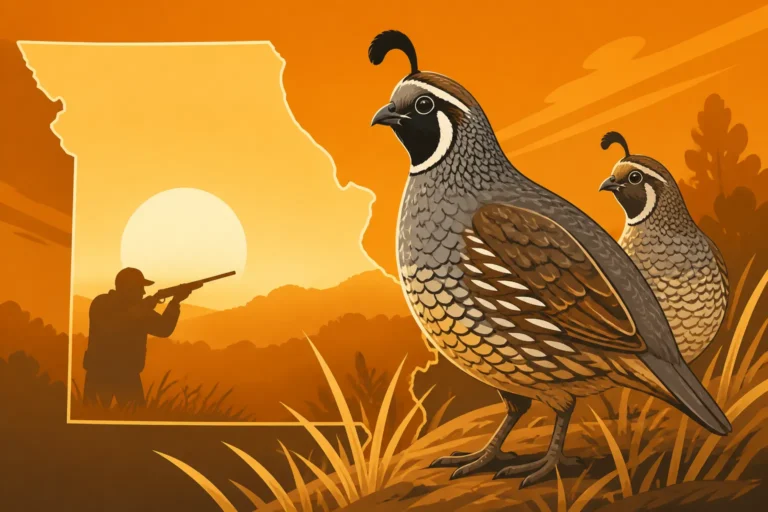
For those of us who grew up hearing the distinctive "bob-white!" whistle carrying across a frosty fall morning in Missouri, the current state of our quail populations can feel like a punch to the gut. The truth is, finding good coveys of bobwhite quail in our state has become increasingly difficult for many hunters, and the frustration is palpable. This guide isn't here to sugarcoat things; instead, we're going to dive deep into the multifaceted reasons behind the significant decline in Missouri's quail numbers, exploring the environmental shifts and human impacts that have led to this heartbreaking change, and what we might be able to do about it.
The Echoes of a Bygone Era: Missouri's Quail Past
It’s hard to imagine now, but there was a time in Missouri when bobwhite quail were so abundant that they were often considered a nuisance by farmers, flushing from every fence row and field edge. Hunters talk about those days with a wistful look in their eyes – days when coveys of 15 to 20 birds were common, and flushing a dozen coveys in a single morning wasn't out of the ordinary. This wasn't just folklore; historical accounts and harvest data from decades past paint a clear picture of a landscape teeming with these charismatic little game birds.
A Bygone Era of Bobwhites
Back in the mid-20th century, much of Missouri's agricultural landscape was perfectly suited for bobwhites. Farms were smaller, fields were less intensely cultivated, and the transition zones between timber, pasture, and cropland were rich with the diverse cover and food sources quail needed to thrive. Think about it: a small cornfield next to a brushy draw, bordered by a weedy fencerow, and then a pasture with scattered briar patches. This patchwork provided everything—nesting cover in tall grasses, bugging areas for chicks, loafing cover in brush, and diverse seeds in the fencerows and crop edges. It was a mosaic of different habitats, often close enough together that a quail wouldn't have to fly far to access all its daily needs. This historical abundance made quail hunting a staple of rural life, a tradition passed down through generations, often involving pointing dogs and crisp autumn air. The birds were simply everywhere, and their populations were robust and resilient.
The Data Doesn't Lie: What the Numbers Show
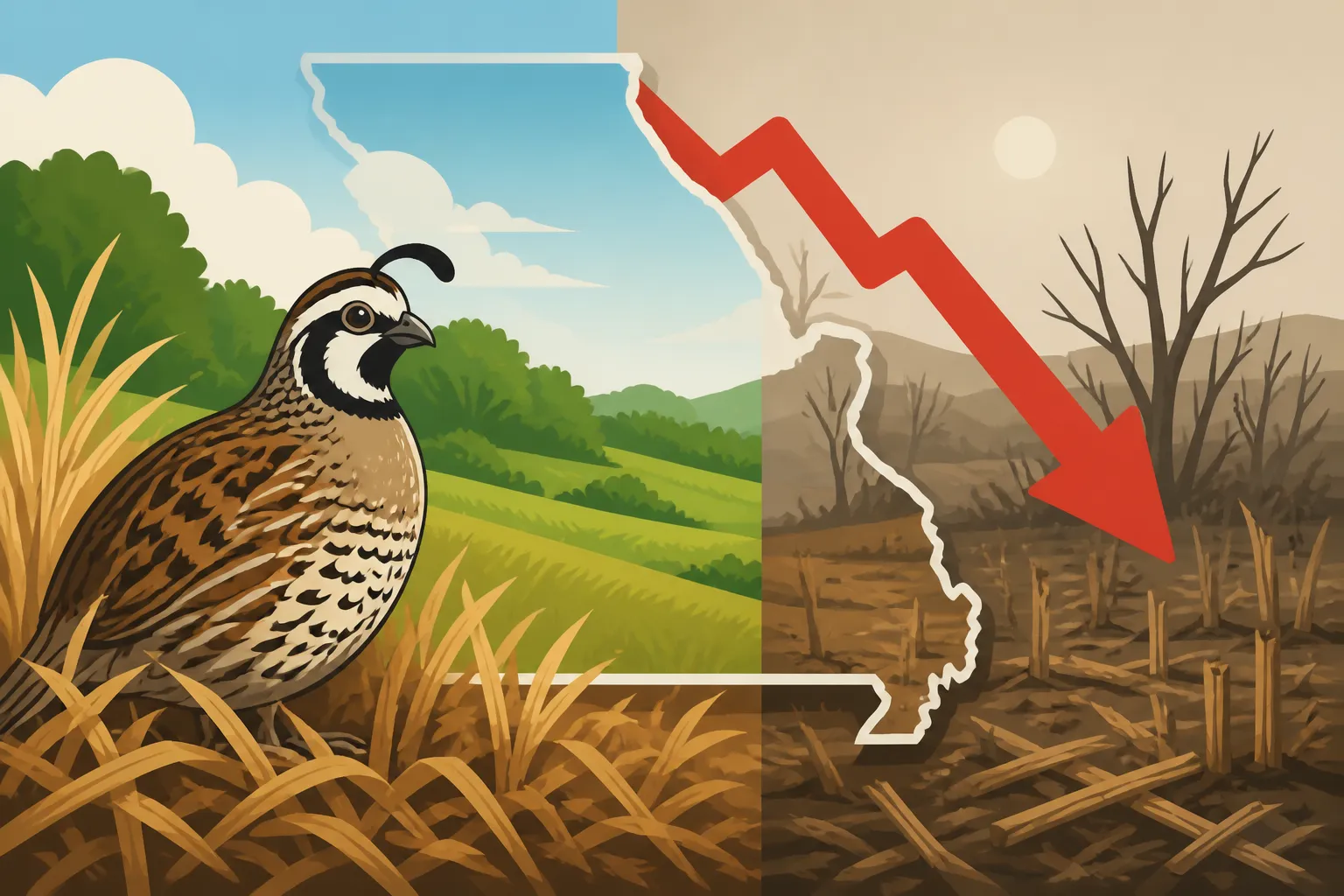
While specific year-over-year figures aren't our focus here, the trend is undeniable to anyone who's spent time in Missouri's fields over the last few decades. The collective experience of thousands of hunters and bird watchers tells the same story: significantly fewer birds. What used to be a reliable spot for a covey might now be silent, or only hold a handful of birds. This isn't just anecdotal. Wildlife biologists, conducting systematic surveys like covey counts and roadside surveys, have consistently documented this downward trend for many years. These scientific observations reinforce what hunters feel in their boots and hear (or don't hear) in the fields. The reality is that Missouri Bobwhite Population Trend has been a subject of concern for a long time, leading to significant efforts by conservation agencies to understand and reverse the decline. We're talking about a dramatic reduction from those historical highs, making every flushed covey a precious, memorable event rather than a common occurrence.
Habitat Loss and Fragmentation: The Primary Culprit
When we talk about why Missouri's quail numbers have fallen, habitat loss and fragmentation emerge as the undeniable primary drivers. It’s not just one thing; it’s a confluence of changes to the very landscape these birds call home. Imagine taking a thriving community and slowly, systematically, removing their homes, their grocery stores, and their escape routes. That’s essentially what has happened to Missouri’s bobwhite quail. Their world has been carved up, simplified, and often eradicated entirely.
Clean Farming Practices and Their Impact
The post-World War II agricultural boom brought with it a revolution in farming techniques, often dubbed "clean farming." While incredibly efficient for food production, these practices were devastating for quail. The push for larger fields meant the removal of fencerows—those vital, brushy corridors that provided shelter, nesting cover, food, and safe travel lanes for quail. Tractors and implements grew larger, making small, irregularly shaped fields less economical, so they were often combined into vast monocultures of corn, soybeans, or wheat. These expansive fields, while great for crops, offer little to no diversity for quail. They lack the interspersed cover and food sources critical for survival.
Furthermore, these fields are often tilled right up to the timber edge, eliminating the crucial "edge feathering" or transition zone of shrubs and young trees that provide security. Herbicides are used extensively to control weeds, which also eliminates the native plants that produce seeds and host insects—two primary food sources for adult quail and essential protein for growing chicks. What was once a varied landscape offering a buffet and a fortress became a food desert with no place to hide. The simple economic realities of modern agriculture, driven by maximizing yield, unfortunately have an undeniable ecological cost for species like the bobwhite. You might find some resources on What Changes After the Beans Come Off or Hunting Standing Corn Before Harvest which detail how even these temporary habitat features change with the seasons, but the underlying loss of permanent cover remains the biggest issue.
Urbanization and Development Pressures
It's not just agriculture eating away at quail habitat. Missouri is growing, and with growth comes urbanization and development. As towns and cities expand, housing subdivisions, shopping centers, industrial parks, and new roads consume vast tracts of land that were once prime rural habitat. This development doesn't just eliminate habitat; it fragments what remains. A large, continuous block of good quail cover might be bisected by a new highway or surrounded by residential areas, isolating populations and making them more vulnerable.
Think about the outskirts of Springfield, Columbia, or St. Louis, where farmland rapidly transforms into suburban sprawl. Each new home, each new commercial building, permanently removes an acre or more of potential quail country. Even where some green spaces are preserved, they often lack the specific kind of early successional, diverse habitat quail need, or they become too small and isolated to support a viable covey. The march of progress, while necessary for human populations, leaves little room for species like the bobwhite that require specific, interconnected wild spaces to thrive.
Loss of Early Successional Cover
Perhaps one of the most insidious forms of habitat loss for quail is the disappearance of what biologists call "early successional habitat." This refers to young, brushy, diverse cover that typically arises after a disturbance like a fire, logging, or abandonment of agriculture. It's thick, tangled, thorny, and often considered "messy" by human standards. This messy habitat is precisely what quail need for nesting, brooding, and winter survival. It provides overhead cover from raptors, horizontal cover from ground predators, and a rich insect population for chicks.
However, modern land management often works against this. Forests are allowed to mature without disturbance, leading to dense, shade-filled woods that offer little for quail. Pastures are mowed regularly and kept "clean," eliminating crucial weeds and brush. Even conservation efforts sometimes focus on mature timber or monoculture food plots, overlooking the complex needs of quail for diverse, transitional habitat. Without regular disturbance (like prescribed burns or selective timber harvesting), these critical habitats quickly grow into something less suitable, further contributing to Why Missouri Quail Numbers Fell. Many landowners, often using tools like GoHunt, are trying to reverse this trend by deliberately creating these types of habitats. Understanding the importance of this specific type of cover is crucial to any hope of bringing the bobwhite back.
Predation, Weather, and Other Contributing Factors
While habitat loss is the heavyweight champion of quail decline, it's certainly not the only factor at play. Think of it like a chain reaction: habitat loss makes quail more vulnerable, and then other factors hit them harder than they would a robust, healthy population. Predation, unpredictable weather, and even unseen threats like disease and pesticides all play a role in suppressing Missouri's quail numbers.
Predator Dynamics in a Changed Landscape
When quail habitat shrinks and becomes fragmented, the birds become much more susceptible to predation. They have fewer places to hide, fewer escape routes, and fewer safe nesting sites. Missouri is home to a robust population of predators, many of which also thrive in disturbed or edge habitats. Coyotes, raccoons, opossums, skunks, and even domestic cats and dogs can take a heavy toll on quail nests and adult birds. Raptors like hawks and owls are also highly effective quail predators, especially in open, "clean" landscapes where quail have little overhead cover.
It’s a complex issue: simply reducing predator numbers isn’t a standalone solution if the habitat isn't there to support the quail. However, when quail are already struggling due to poor habitat, increased predator pressure can be the final nail in the coffin for a local covey. The balance is thrown off. If a quail population has good, dense escape cover, they can often evade predators. But in a simplified landscape, that margin for error disappears. The interplay between Nest Predation and Turkey Hatches offers some parallels to understanding how habitat quality affects predator impact on ground-nesting birds like quail.
The Whims of Missouri Weather
Missouri weather is notoriously unpredictable, and for a species as sensitive as the bobwhite quail, these fluctuations can be devastating. Severe winters with prolonged ice and deep snow can cover up essential food sources and eliminate cover, leading to high mortality rates. Birds expend more energy trying to stay warm, and without accessible food, they can quickly perish. Then there's the spring and early summer, crucial times for nesting and chick survival. Heavy, cold, and prolonged rains during the nesting season can drown nests, chill eggs, or lead to hypothermia in newly hatched chicks. Quail chicks are particularly vulnerable to cold, wet conditions.
Conversely, extended droughts can also impact quail by reducing the availability of insect populations—a critical food source for growing chicks—and limiting the growth of cover plants. A healthy, robust quail population might be able to absorb some of these weather blows, but a population already stressed by poor habitat is much more fragile. A bad weather year can set back recovery efforts for years, making it incredibly difficult for Missouri quail to bounce back.
Disease and Pesticides: Silent Killers?
While less directly observable than habitat loss or weather events, disease and pesticide exposure are also potential factors in quail decline. Birds in stressed populations, or those living in overcrowded pockets of remaining habitat, can be more susceptible to disease outbreaks. These could be respiratory illnesses or parasitic infections that weaken birds and make them more vulnerable to other threats. The impacts of disease are often subtle and hard to detect in wild populations, but they can chip away at numbers.
Pesticides, used extensively in modern agriculture, are another concern. While most are designed to target insects and weeds, quail (especially chicks) rely heavily on insects for protein. Broad-spectrum insecticides can decimate these insect populations, effectively removing the critical food source for young quail. Herbicides can eliminate the broadleaf plants that produce seeds and host insects. Furthermore, direct exposure to some pesticides, either through ingestion of contaminated seeds or contact with sprayed vegetation, could have sub-lethal effects that weaken birds or impact their reproductive success. The long-term, cumulative effects of these chemicals on a wild quail population are still being studied, but they represent a legitimate concern for conservationists.
What Can Be Done: Hope for the Bobwhite
Despite the daunting challenges, there is hope for Missouri's bobwhite quail. Their decline isn't an irreversible fate, but it requires a concerted, landscape-level effort, largely focused on restoring what has been lost: their habitat. This isn't just about hunting; it's about ecological health and ensuring a future for one of Missouri's most iconic native birds.
Restoring Critical Habitat
The most impactful thing we can do for quail is to restore and manage critical habitat. This means reversing the trends of clean farming and habitat simplification. One key practice is prescribed burning. Controlled burns mimic natural wildfires, clearing out dense undergrowth, promoting the growth of native grasses and wildflowers, and creating that essential early successional habitat quail crave. Another vital step is planting native grasses and wildflowers, like switchgrass, Indiangrass, and big bluestem, along with a diverse mix of forbs. These provide excellent nesting and brooding cover, as well as seeds and insects.
Edge feathering is also incredibly important. Instead of abrupt transitions between field and forest, landowners can create a soft, brushy edge by hinge-cutting trees or allowing shrubby growth to develop. These feathered edges offer crucial escape cover, travel corridors, and diverse food sources. Finally, strategically placed food plots with plants like milo, sunflowers, and native legumes can provide winter sustenance, especially when combined with good cover. Many landowners are leveraging sophisticated mapping tools, like those available through GoHunt, to analyze their property's topography and existing vegetation, allowing them to pinpoint the best locations for these critical habitat enhancements. These tools help visualize how different management practices might connect fragmented parcels or enhance existing cover, providing data-driven insights into habitat restoration. Working Field Edges and Draws for Quail is a perfect example of such a strategy.
Conservation Programs and Hunter Involvement
The good news is that landowners don't have to tackle this alone. Both state and federal agencies offer a variety of conservation programs designed to assist landowners in implementing quail-friendly habitat improvements. Programs like the federal Conservation Reserve Program (CRP) or the Missouri Department of Conservation's (MDC) various incentive programs can provide financial and technical assistance for planting native grasses, establishing field borders, and conducting prescribed burns. These programs are vital for encouraging widespread habitat restoration on private lands, which make up the vast majority of Missouri's landscape. Learning about programs that support What a Quail Restoration Landscape Is can be incredibly beneficial.
Hunter involvement is also crucial. Hunters are often the first to notice changes in wildlife populations, and their passion for the outdoors makes them powerful advocates for conservation. By joining organizations like Quail Forever or actively participating in local conservation efforts, hunters can contribute financially, volunteer their time for habitat projects, and push for policies that support quail recovery. Furthermore, ethical hunting practices and adhering to regulations are paramount to managing what populations we have. Supporting agencies like the MDC, which relies heavily on permit sales, directly funds the research and management efforts vital for the bobwhite's future. The combined efforts of landowners, conservationists, and hunters are the best hope for hearing the cheerful whistle of the bobwhite more frequently across Missouri's fields once again.
Here's a summary of the main factors influencing Missouri's quail decline:
| Factor | Description | Primary Impact on Quail | Mitigation Strategies |
|---|---|---|---|
| Habitat Loss | Removal of fencerows, small fields, and diverse native vegetation for larger, monoculture farms. | Eliminates nesting, brooding, feeding, and escape cover; reduces food sources. | Edge feathering, native grass plantings, diverse crop rotations. |
| Habitat Fragmentation | Breaking up continuous habitat blocks by development, roads, or intense agriculture. | Isolates populations, limits movement, increases exposure to predators and weather. | Connecting habitat corridors, establishing buffer zones. |
| Loss of Early Successional | Decline in young, brushy cover due to mature timber, clean pastures, and lack of disturbance. | Removes essential thick cover for protection from predators and elements, and insect habitat. | Prescribed burns, selective timber harvesting, shrub plantings. |
| Predation | Increased pressure from various predators (coyotes, raccoons, raptors) in simplified landscapes. | Direct mortality of adults and nests; higher vulnerability due to lack of cover. | Habitat restoration to provide dense cover; targeted predator management where appropriate. |
| Adverse Weather | Severe winters, cold/wet springs, or extreme droughts. | Direct mortality, reduced nesting success, lower chick survival, food scarcity. | Robust habitat that offers thermal cover and diverse food sources to buffer weather impacts. |
| Disease & Pesticides | Potential impacts from pathogens and exposure to agricultural chemicals. | Weakened birds, reduced insect food sources, direct poisoning. | Reduced reliance on broad-spectrum pesticides, promoting healthier ecosystems. |
Disclaimer
This article is for general informational purposes only and does not constitute professional advice. Laws, prices and regulations vary by location and change over time. Consult a qualified professional for guidance on your specific situation.