Wetland Habitat and Duck Numbers
It can be incredibly frustrating to head out for a much-anticipated duck hunt, only to find the water is low, the food is sparse, and the birds just aren't there. We've all been there, wondering what happened to the flocks we saw just a week ago. This comprehensive guide will dive deep into the critical relationship between healthy wetland habitat and thriving duck populations, helping you understand the complex factors that influence duck numbers in Missouri and how we, as hunters, play a vital role in their future.
The Lifeline of Wetland Habitat for Ducks
Missouri sits right in the heart of the Mississippi Flyway, a superhighway for migratory waterfowl, and the health of our wetlands directly dictates how many ducks decide to visit and stay awhile. It’s not just about having water; it’s about having the right kind of water, with the right kind of food and cover. Without these vital resources, ducks simply won't have a reason to stop, rest, or refuel on their long journey south, or back north in the spring.
What Makes a Good Wetland Habitat?
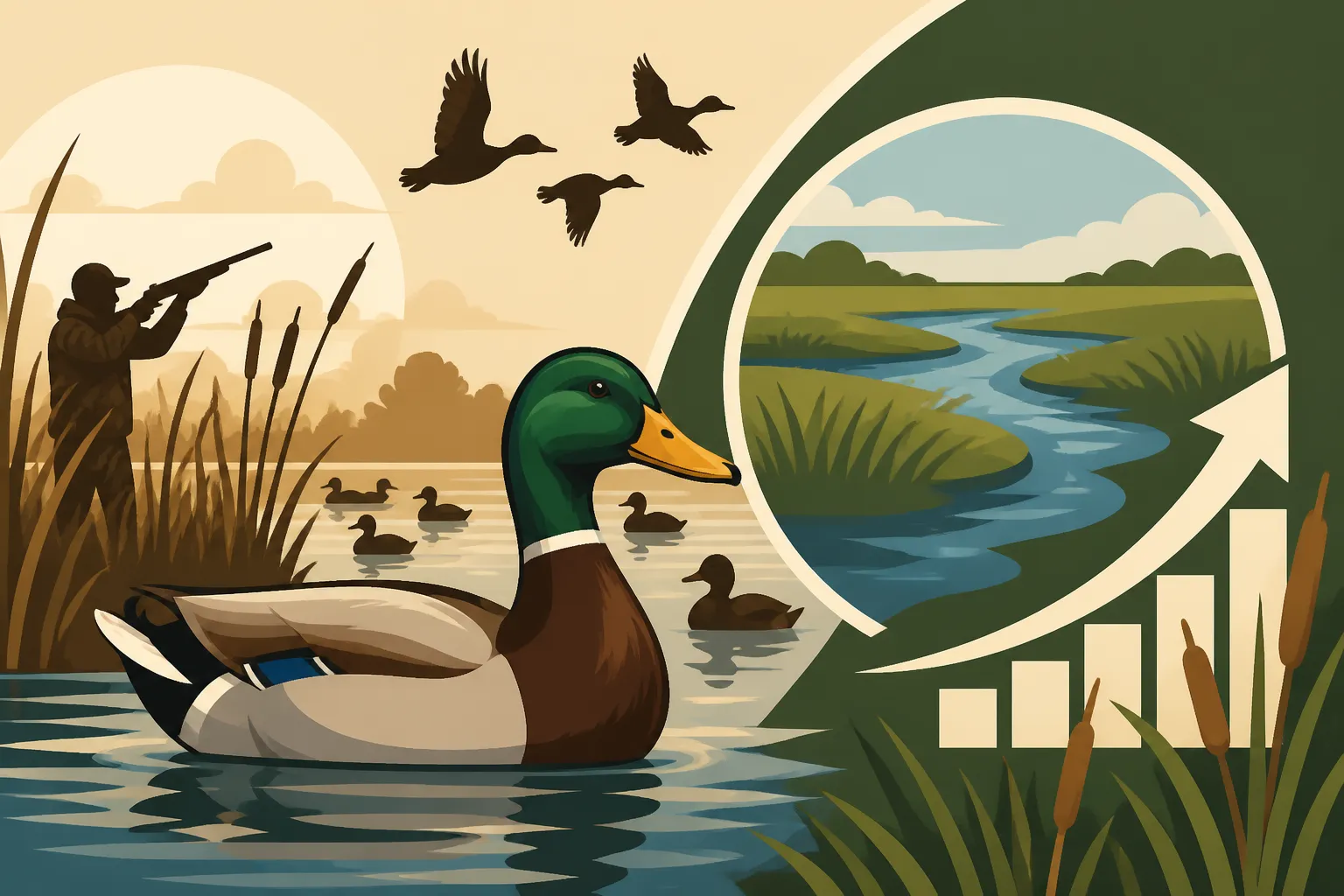
When we talk about "good" wetland habitat, we're really looking at a complex ecosystem that provides everything a duck needs to survive and thrive. This includes readily available, nutritious food sources, ample cover to protect them from predators and harsh weather, and appropriate water depths for feeding and roosting. Imagine a buffet, a safe hotel, and a comfortable bed all in one—that’s what ducks are looking for.
Ideal wetland habitats are teeming with moist-soil plants like smartweed, millet, and barnyard grass, which produce abundant seeds that are a primary food source for many dabbling ducks. Submerged aquatic vegetation, such as pondweeds and coontail, are crucial for diving ducks. Additionally, invertebrates like insect larvae, snails, and crustaceans, often found in healthy wetlands, provide essential protein, especially important for hens building up reserves for nesting. Without this diverse menu, ducks will quickly burn through their energy reserves and move on.
Cover is another non-negotiable component. Tall marsh grasses, cattails, and even flooded timber offer ducks places to hide from eagles, hawks, and coyotes, especially when they're resting or loafing. This cover also provides shelter from strong winds, driving rain, and freezing temperatures, allowing ducks to conserve precious energy. Water depth is also critical; dabbling ducks prefer shallow water where they can easily tip up to feed, while diving ducks need deeper areas for their specific foraging techniques. A good wetland offers a mosaic of these depths, catering to a variety of species.
Types of Missouri Wetlands
Missouri boasts a variety of wetland types, each playing a unique role in supporting our duck populations. Understanding these different habitats helps us appreciate the diverse needs of various duck species and the intricate management strategies required to sustain them. From naturally occurring oxbows to intensively managed impoundments, each type contributes to the overall health of the flyway.
One common type is the managed wetland, often found on public conservation areas like Grand Pass, Eagle Bluffs, or Duck Creek. These areas are specifically designed and manipulated to maximize their benefit for waterfowl. Managers use pumps, levees, and control structures to flood fields of crops or moist-soil vegetation at precise times, creating ideal conditions for ducks throughout different stages of the migration. These managed areas are critical stopover points, offering reliable food and refuge.
Then there are natural wetlands, which include river backwaters, oxbow lakes, and natural marshes that flood and recede with river levels or seasonal rainfall. These habitats, while less controlled, are incredibly valuable for their natural diversity and resilience. They often provide excellent habitat, especially during periods of high water, and support a wide array of wildlife beyond just ducks. The meandering nature of the Missouri River often creates such prime locations for Hunting Missouri River Sandbars for Ducks, offering hunters unique opportunities.
Finally, we have flooded timber wetlands, often referred to as "green timber." These are typically bottomland hardwood forests that are intentionally or naturally flooded, creating a truly iconic duck hunting experience. The acorns and other mast crops from the trees, combined with the sheltered water, provide a rich food source and excellent protection for ducks. Understanding Finding a Hole in Green Timber requires a keen eye for subtle changes in water flow and tree density. These diverse wetland types collectively create the network that supports the massive numbers of birds moving through Missouri annually.
The Annual Cycle of Duck Migration and Wetlands
The annual journey of ducks along the Mississippi Flyway is a testament to their incredible instinct and resilience, and wetlands are the essential waypoints on this epic migration. From the vast breeding grounds in the prairie pothole region to their wintering havens in the southern states, wetlands provide the critical resources ducks need at every stage.
In the spring, as ducks head north to breed, Missouri's wetlands serve as vital refueling stations, providing the rich protein and energy sources necessary for hens to lay eggs and successfully raise broods. These early wetlands, often swollen with spring rains, offer critical habitat for pairs to rest and forage before continuing their journey to the nesting grounds. Without healthy spring wetlands, ducks arrive at their breeding grounds in poorer condition, which can directly impact their reproductive success.
As summer progresses and the breeding season winds down, ducks begin their southward migration in the fall. This is when Missouri’s wetlands become absolutely crucial. They act as major stopover points, offering extensive feeding and resting areas for hundreds of thousands of birds. Ducks, young and old, utilize these wetlands to regain weight lost during migration and to prepare for the next leg of their journey. Hunters keenly watch weather patterns and Duck Migration Timing Through the Flyway for clues about when the big push of birds will arrive, knowing that healthy wetlands are what will hold them.
Finally, for many ducks, Missouri’s wetlands become their winter home. While some birds continue south to the Gulf Coast, many stay in Missouri, utilizing our managed wetlands and natural river systems throughout the colder months. These wintering grounds must provide consistent food and open water, even during freezing temperatures. When conditions are harsh, the ability of ducks to find and utilize suitable wintering habitat directly impacts their survival rates and their condition for the return migration to the breeding grounds in the spring. Understanding these cycles helps us see just how vital our wetland conservation efforts are year-round.
Missouri's Role in the Mississippi Flyway
Missouri's geographic location is a true blessing for waterfowl hunters and conservationists alike. Situated squarely in the middle of the Mississippi Flyway, our state is a crucial corridor and stopping point for millions of ducks, geese, and other migratory birds. This isn't just a casual detour for them; it's a deeply ingrained migration route, and Missouri provides much-needed relief and resources along the way.
Why Missouri is Critical
Missouri's position on the Mississippi Flyway makes it an indispensable link in the chain of migratory bird survival. Think of it as a major service station along a very long interstate highway. Birds traveling from the vast breeding grounds of the Canadian prairies and the northern U.S. need reliable places to rest, feed, and escape pressure before continuing their journey south. Missouri provides this crucial pit stop, offering a mosaic of wetlands, flooded agricultural fields, and river systems that cater to a variety of waterfowl needs.
The sheer volume of birds that pass through or winter in Missouri underscores its importance. Mallards, pintails, teal, gadwall, and many other species depend on our state to provide abundant food sources to replenish their energy reserves. Without these reliable stops, the energetic demands of migration would be unsustainable for many birds, leading to higher mortality rates. Our diverse habitats, ranging from timbered river bottoms to expansive agricultural landscapes, offer varied food sources and cover, making Missouri an attractive and vital destination for a broad spectrum of migratory waterfowl.
Furthermore, Missouri serves as a critical indicator of the overall health of the flyway. What happens here, both in terms of habitat quality and duck populations, can reflect conditions on the breeding grounds to the north and impact wintering grounds to the south. Conservation efforts within Missouri don't just benefit our local hunters; they contribute to the continental conservation of waterfowl, ensuring that future generations across the flyway have birds to enjoy. The commitment to maintaining and enhancing our wetlands directly supports the larger migratory ecosystem.
Key Wetland Regions
Across Missouri, several wetland regions stand out as critical hubs for migratory waterfowl, drawing impressive numbers of birds year after year. These areas are often intensively managed, but also include significant natural components, creating a network of vital habitat. Knowing these key regions is essential for anyone interested in Missouri's duck populations.
Table: Key Wetland Regions in Missouri and Their Primary Features
| Wetland Region | Primary Features | Key Species Attracted | Hunting Opportunity |
|---|---|---|---|
| Grand Pass CA | Expansive moist-soil units, flooded crops, shallow marsh | Mallards, Pintails, Green-winged Teal, Gadwall | Managed Hunts |
| Eagle Bluffs CA | Missouri River floodplain, moist-soil, open water | Mallards, Northern Shovelers, Diving Ducks | Managed Hunts |
| Duck Creek CA | Managed impoundments, flooded timber, deep marsh | Mallards, Gadwall, Wood Ducks, Diving Ducks | Managed Hunts |
| Fountain Grove CA | Large shallow marshes, managed pools, flooded crops | Mallards, Wigeon, Gadwall, Green-winged Teal | Managed Hunts |
| Ten Mile Pond CA | Bootheel cypress swamps, rice fields, moist-soil | Wood Ducks, Mallards, Gadwall, divers | Managed Hunts |
| Bismarck CA | Ozark plateau wetlands, natural springs, timber | Wood Ducks, Mallards (less common than other areas) | General Access |
Conservation Areas like Grand Pass and Eagle Bluffs, located along the Missouri River floodplain, are renowned for their ability to attract and hold vast numbers of ducks. These areas utilize sophisticated water management techniques to create ideal feeding and loafing grounds. The blend of moist-soil vegetation and flooded agricultural fields makes them magnets for dabbling ducks, particularly early in the season when birds are seeking easily accessible carbohydrates. Hunters often participate in Managed Hunt Draws on Missouri Wetlands to gain access to these prime locations.
Further south, areas like Duck Creek Conservation Area and Ten Mile Pond Conservation Area showcase the rich wetland diversity of the Bootheel region. Duck Creek is particularly famous for its flooded timber and deep marsh habitats, drawing not only dabblers but also a significant number of diving ducks like ringnecks and canvasbacks. Ten Mile Pond, with its unique cypress swamps and proximity to agricultural rice fields, offers a distinct habitat that supports a wide variety of waterfowl. These regions, both natural and managed, are integral to sustaining Mallard Numbers Wintering in Missouri and other species.
The Impact of Weather and Water Levels
If there's one thing duck hunters and wetland managers constantly obsess over, it's the weather and, by extension, water levels. These two factors are arguably the most significant short-term influencers on duck numbers in Missouri, dictating everything from migration timing to where birds decide to land and stay. A perfect storm of cold weather and abundant water can lead to incredible hunting, while adverse conditions can leave hunters scratching their heads.
Droughts, for instance, can devastate wetland functionality. When water levels are critically low, moist-soil plants may not germinate or produce seed, and flooded fields become dry, eliminating vital food sources and forcing ducks to bypass areas they would typically use. Low water also concentrates birds, making them more susceptible to hunting pressure and increasing the risk of disease. Conversely, excessive flooding can be just as problematic, submerging critical food sources too deeply or spreading ducks out across such a vast landscape that they become harder to find and hunt effectively.
Cold fronts are another game-changer. A strong push of arctic air from the north can trigger mass migrations, sending waves of ducks down the flyway into Missouri. These birds, often fleeing freezing conditions, are actively seeking open water and accessible food. When these cold fronts coincide with well-managed, food-rich wetlands in Missouri, the results can be spectacular, attracting and holding enormous numbers of ducks. However, sustained deep freezes can lock up all available water, pushing birds further south out of the state entirely.
The strategic management of How Water Levels Are Managed for Waterfowl on public and private lands is a constant battle against these fluctuating natural conditions. Managers work tirelessly to time drawdowns and refloods, often relying on pumps and precipitation, to create optimal conditions. Understanding these weather and water level dynamics is key to anticipating duck movements and planning successful hunts. It's a reminder that we're always at the mercy of Mother Nature, but careful preparation can help mitigate the impacts.
Conservation Efforts and Managed Wetlands
For decades, conservation organizations and government agencies have been working tirelessly to protect, restore, and manage Missouri's critical wetland habitats. Without these concerted efforts, the incredible waterfowl numbers we often see in the state would be a distant memory. It's a testament to the dedication of countless individuals and the foresight of conservation policies that we still have thriving wetland ecosystems today.
The Missouri Department of Conservation's Role
The Missouri Department of Conservation (MDC) plays an absolutely central role in the health and future of wetland habitats and duck populations across the state. Through a combination of land acquisition, habitat management, research, and regulation, the MDC is the primary steward of many of Missouri's most important waterfowl areas. Their work ensures that our state remains a vital link in the Mississippi Flyway.
A significant part of the MDC's strategy involves acquiring and managing large tracts of land specifically for wildlife, including numerous critical wetlands. These are our beloved Conservation Areas, many of which are specifically designed and managed for waterfowl. These public lands provide essential habitat for migrating and wintering ducks, as well as crucial access for hunters. The success of these areas, such as the famous Duck Creek or Grand Pass, directly impacts the availability of habitat across the flyway and provides phenomenal recreational opportunities for Missourians and non-residents alike.
Beyond land ownership, the MDC conducts extensive research into duck populations, migration patterns, and habitat needs. This scientific approach informs their management decisions, ensuring that resources are deployed effectively. They also set hunting regulations, including Missouri Duck Season Dates by Zone and Missouri Duck Daily Bag Limit, based on population data and management goals to ensure sustainable harvests. This comprehensive approach, funded largely by permit sales and the dedicated one-eighth-cent sales tax, makes the MDC an irreplaceable force in Missouri waterfowl conservation.
Water Level Management Strategies
Effective water level management is an art and a science, critical for maximizing the ecological benefits of managed wetlands for waterfowl. It’s not simply about flooding a field; it's a dynamic process that mimics natural hydrological cycles to promote the growth of desired food plants and create optimal conditions for ducks. Without precise control, even a large wetland can fail to attract and hold birds.
One of the primary strategies is "moist-soil management." This involves carefully controlling water levels to encourage the growth of annual plants like smartweed, millet, and wild rice, which produce an abundance of seeds that ducks love. Managers will often draw down water in the spring or early summer, allowing these plants to germinate and grow, then slowly re-flood the units in the fall. This staggered flooding provides a continuous supply of food as ducks migrate through, offering fresh foraging opportunities throughout the season.
Another common technique involves flooding agricultural crops, primarily corn, milo, or rice. These crops are often planted specifically with waterfowl in mind, and then left standing in the fields and flooded in the fall. The flooded grain provides an incredibly calorie-rich food source, helping ducks quickly build up fat reserves for colder weather or further migration. This strategy is labor-intensive and expensive, requiring pumps and precise water control, but it's incredibly effective at drawing large numbers of ducks. The constant battle with changing water conditions and aging infrastructure often means managers are working around the clock to ensure these vital areas are ready.
Challenges in Wetland Management
Despite the best efforts of conservation agencies and private landowners, managing wetlands for optimal duck numbers is fraught with challenges. These aren't just minor hurdles; they are significant, ongoing battles that require constant vigilance, adaptation, and considerable resources. The success of our waterfowl seasons often hinges on how well these challenges are met.
One major challenge is securing consistent funding. Wetland management is an expensive endeavor, requiring investment in pumps, levees, control structures, heavy equipment, and dedicated personnel. While permit sales and conservation taxes help, the needs are always growing, especially with aging infrastructure and the desire to expand habitat. Without adequate and reliable funding, critical maintenance can be delayed, and ambitious restoration projects may never get off the ground, directly impacting the quality and quantity of available habitat.
Another pressing issue is dealing with invasive species. Plants like phragmites or invasive cattails can quickly choke out native moist-soil vegetation, creating monocultures that offer little food value for ducks. Invasive carp can stir up sediment, reducing water clarity and destroying submerged aquatic vegetation. Managing these invaders requires chemical treatments, mechanical removal, and biological controls, all of which are costly and require ongoing effort. Climate change also presents an overarching challenge, bringing more extreme weather events, unpredictable rainfall patterns, and longer, more severe droughts or floods, making water level management increasingly complex and uncertain.
Factors Influencing Duck Numbers Annually
While local wetland conditions are vital, the number of ducks that arrive in Missouri each fall is also heavily influenced by factors far beyond our state lines. It’s a continental puzzle, with pieces spanning thousands of miles, from the Canadian prairies to the Gulf Coast. Understanding these broader influences helps us appreciate the scale of waterfowl management and the interconnectedness of their ecosystem.
Breeding Ground Conditions
The single most critical factor influencing how many ducks we see in Missouri each fall is the condition of the breeding grounds, primarily located in the Prairie Pothole Region of the U.S. and Canada. This vast landscape, often called the "duck factory," is where the vast majority of our continent's ducks are born and raised. If conditions are poor there, no amount of perfect habitat in Missouri can make up for it.
Wetland conditions on the breeding grounds directly impact nesting success. When the potholes are full of water in the spring, it provides abundant nesting cover, vital protein-rich invertebrates for laying hens, and safe brood-rearing habitat. More water generally means more successful nests, larger broods, and ultimately, a larger fall flight of ducks. Conversely, during drought years, many potholes dry up, forcing ducks to abandon traditional nesting areas, reducing reproductive success, and leading to fewer young birds joining the migration.
The timing and amount of rainfall, along with predator populations, all play a role in how many ducklings survive to fledge. Biologists diligently monitor these conditions, and their annual "pond counts" and duck population surveys give us an early indication of what kind of fall flight to expect. A good "hatch" on the prairies translates directly to more birds making their way down the Mississippi Flyway to Missouri's wetlands, filling the skies and our hunting blinds. This is why Missouri Deer Harvest Records and similar data are so crucial for wildlife managers across different species.
Migration Corridors and Stopovers
Even with a banner year on the breeding grounds, ducks still need a clear, safe, and food-rich path to their wintering areas. This is where the integrity of the migration corridors and the availability of quality stopover habitats become paramount. Missouri's importance as a stopover point is immense, but the health of the entire flyway network determines the overall success of the migration.
Ducks rely on a series of these stopover sites, not just one. They can only fly so far before needing to rest and refuel, which is why a continuous chain of suitable wetlands and feeding areas along the Mississippi Flyway is so vital. If ducks encounter large stretches of poor habitat or intense hunting pressure in states north of Missouri, they may arrive in poorer condition, be forced to fly further, or simply divert to alternative routes if available. This can impact when and how many birds we see.
The ability of Missouri's wetlands to offer consistent feeding opportunities is a major draw. Ducks learn where reliable food sources are located, and these patterns are passed down through generations. A robust supply of moist-soil seeds, waste grain in flooded fields, and submerged aquatic vegetation helps ducks quickly regain their energy, making them more resilient to the challenges of migration and winter. The better the conditions and the fewer the disturbances along the entire flyway, the more likely it is that large numbers of healthy ducks will successfully navigate their journey and spend time in Missouri.
Hunting Pressure and Regulations
While habitat and weather are significant drivers of duck numbers, hunting pressure and the regulations designed to manage it also play a critical role. Striking the right balance between providing recreational opportunities for hunters and ensuring sustainable duck populations is a continuous challenge for wildlife agencies.
Hunting regulations, such as Missouri Duck Daily Bag Limit, season lengths, and shooting hours, are carefully crafted based on extensive biological data and population models. These rules are designed to ensure that hunters do not overharvest duck populations, especially during years when breeding success might be lower. Agencies use adaptive harvest management, adjusting regulations annually in response to breeding ground conditions and fall flight forecasts. While hunters often debate these rules, they are a fundamental tool for conservation.
Excessive hunting pressure in certain areas can also impact duck behavior and distribution. If birds are constantly harassed or shot at, they may become "educated" and seek refuge in areas with less pressure, often nocturnalizing their feeding patterns or moving to sanctuaries. This can make them less accessible to hunters, even if the overall population is healthy. Therefore, having refuge areas where ducks can rest undisturbed is an important part of a balanced management strategy, allowing birds to feel safe and utilize available food resources more effectively.
How Hunters Can Support Wetland and Duck Conservation
As duck hunters, we have a profound connection to these incredible birds and their habitats. We’re not just consumers of a resource; we are, and must continue to be, its most passionate advocates and active participants in its conservation. Our actions, both in and out of the blind, directly contribute to the future of Missouri’s duck numbers and the health of our wetlands.
Purchasing Permits and Stamps
One of the most direct and impactful ways hunters contribute to wetland and duck conservation is through the simple act of purchasing hunting permits and stamps. This might seem like a small thing, but collectively, these purchases generate millions of dollars that are directly funneled back into waterfowl and wetland management programs.
Every duck hunter in Missouri is familiar with the Federal Duck Stamp, often referred to as "the stamp that saves wetlands." This stamp is a mandatory purchase for all waterfowl hunters 16 years of age or older, and a whopping 98% of the proceeds go directly to acquiring and protecting vital wetland habitat for the National Wildlife Refuge System. These refuges are critical breeding, migration, and wintering grounds for ducks across the continent, including many areas that provide birds for the Mississippi Flyway. It’s a powerful testament to the financial muscle of hunters dedicated to conservation.
In addition to the federal stamp, purchasing your state hunting permits, like the Missouri Resident Small Game Permit Cost or Missouri Nonresident Small Game Permit Cost, and specific Missouri waterfowl stamps also contributes significantly. A portion of these funds goes directly to the Missouri Department of Conservation to support their work in managing public wetlands, conducting research, and enforcing regulations within our state. So, every time you buy a permit, you're not just getting permission to hunt; you're investing directly in the future of the very resource you cherish.
Volunteering and Advocacy
Beyond financial contributions, active participation through volunteering and advocacy offers powerful ways for hunters to support wetland and duck conservation. Our collective voice and hands-on efforts can make a tangible difference on the ground and in policy decisions. It's about taking ownership and becoming part of the solution.
Joining and actively participating in conservation organizations like Ducks Unlimited, Delta Waterfowl, or local chapters of conservation groups is incredibly impactful. These organizations are on the front lines of wetland restoration, habitat enhancement, and policy advocacy. Volunteering for a work day to plant moist-soil seeds, build nest boxes, or clean up a wetland helps directly improve habitat. These groups also champion legislative efforts that protect wetlands and secure funding for conservation, ensuring that our interests and the needs of waterfowl are represented at state and federal levels.
Advocacy also means simply speaking up for conservation. Educating non-hunters about the importance of wetlands, sharing the scientific basis for hunting regulations, and promoting ethical hunting practices helps build broader support for waterfowl conservation. Writing letters to elected officials, attending public hearings, or participating in surveys conducted by the Missouri Department of Conservation provides valuable input that shapes future policies. The more engaged and vocal we are, the greater the impact we can have on securing a healthy future for ducks and their habitats.
Practicing Ethical Hunting
Finally, practicing ethical hunting isn't just about following the rules; it's about respecting the resource, the birds, and the experience itself. Ethical hunting directly contributes to conservation by fostering a positive image of hunters and ensuring a sustainable future for duck populations. It’s how we show our gratitude for the opportunities we are given.
One fundamental aspect of ethical hunting is respecting bag limits and species identification. It’s crucial to know your birds and to be able to identify them on the wing to ensure you stay within legal limits for specific species, such as the Missouri Mallard Limit Within the Bag. Misidentification or exceeding limits not only breaks the law but also undermines the scientific management efforts designed to sustain populations. Taking only what is legal and what you will utilize ensures that the resource is managed wisely for all.
Another key component is efficient shot placement and thorough retrieval. We owe it to the birds we pursue to make clean kills and to exhaust every effort to recover downed game. This minimizes wounding loss and ensures that every bird harvested is utilized. Using well-patterned shotguns, appropriate shot sizes, and practicing your shooting skills are all part of this responsibility. Ensuring compliance with rules like Nontoxic Shot Rules on Missouri Wetlands also protects the environment. By upholding these ethical standards, we demonstrate our commitment to conservation and earn the respect of both fellow hunters and the non-hunting public, securing the future of our cherished tradition.
Disclaimer
This article is for general informational purposes only and does not constitute professional advice. Laws, prices and regulations vary by location and change over time. Consult a qualified professional for guidance on your specific situation.