Snow Geese Through Missouri
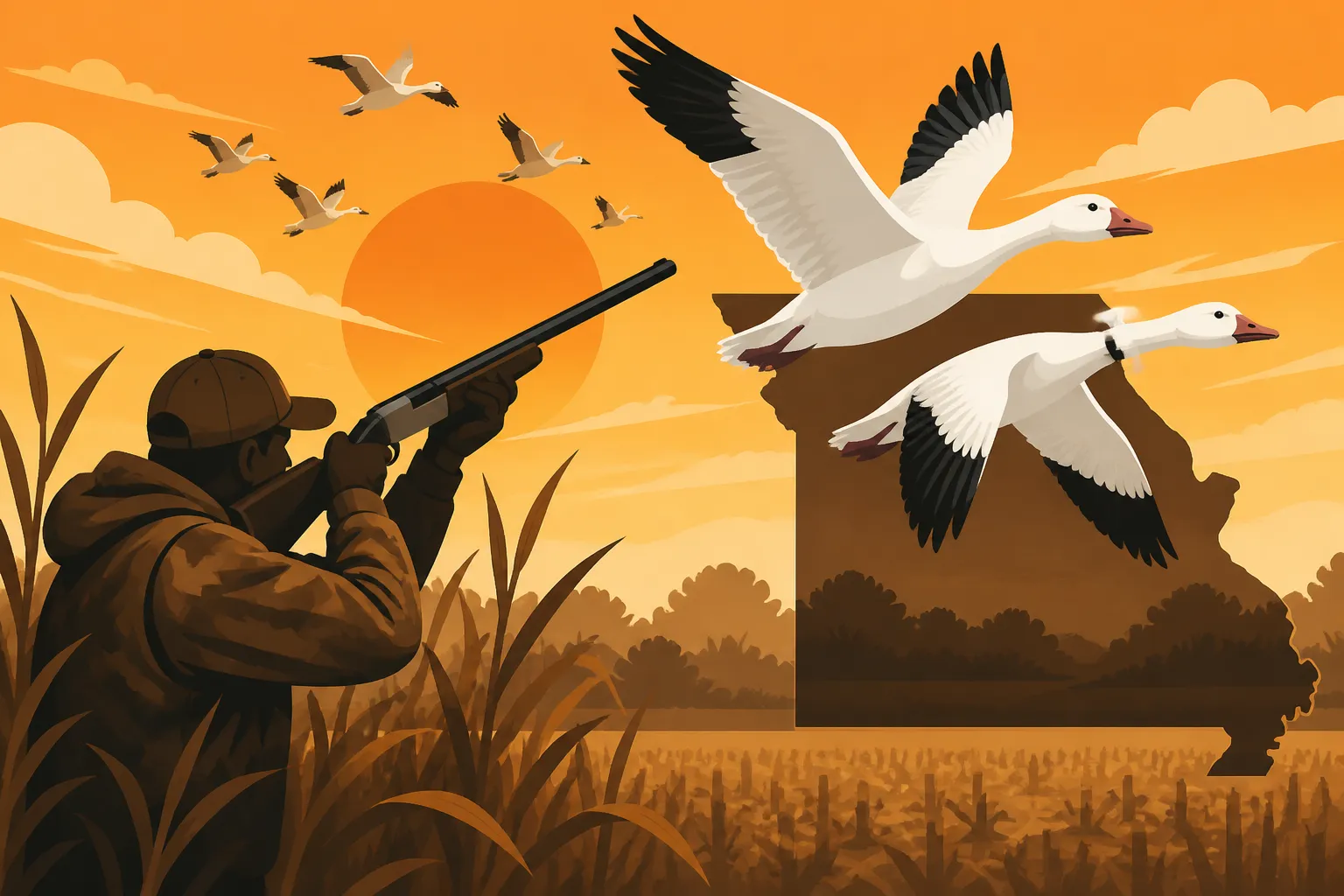
There's nothing quite like the spectacle of thousands, sometimes tens of thousands, of snow geese descending into a Missouri cut cornfield or soaring overhead in a cacophony of sound. It's an experience that can be overwhelming, exhilarating, and frankly, a bit frustrating when they seem to ignore your meticulously placed decoys. This guide is here to demystify the incredible journey of snow geese through our state and arm you with the knowledge to intercept these magnificent, yet challenging, birds.
The Phenomenon of Snow Goose Migration Through Missouri
Missouri sits right in the heart of the Mississippi Flyway, a superhighway for migratory birds, and snow geese definitely take advantage of it. These birds aren't just passing through; they're stopping over in massive numbers, especially during their spring migration, creating hunting opportunities unlike any other.
When Snow Geese Arrive and Depart
While you might see smaller flocks of snow geese mixed in with other waterfowl during the regular fall and winter duck and goose seasons, the real show, and the primary hunting focus, revolves around the spring migration. Typically, snow geese begin pushing north through Missouri in late February and can stick around well into March, sometimes even early April, depending on the weather patterns and the progression of spring further north.
The exact timing is always a bit of a dance with Mother Nature. One year, a strong south wind in mid-February can bring in waves of birds, turning a quiet landscape into an avian mosh pit overnight. The next year, lingering cold fronts might hold them back, making hunters anxiously scan the skies for weeks. It can be incredibly frustrating to have your spread ready, your calls tuned, only for the main migration to hit a week after you’ve packed up, or worse, blow through faster than you can blink.
Why Missouri is a Snow Goose Magnet
So why do so many snow geese choose to stage in Missouri? It's a perfect storm of abundant food and secure resting areas. Our vast agricultural landscape, particularly the expanses of corn, soybean, and winter wheat fields, offers a smorgasbord of leftover grain after harvest. These birds are voracious eaters, needing a massive amount of energy to fuel their journey to the Arctic breeding grounds.
Beyond the food, Missouri provides critical water resources for roosting. Large reservoirs, major rivers like the Missouri and Mississippi, and numerous managed wetlands offer safe havens where thousands of geese can spend the night, protected from predators. They'll feed hard all day in the fields, then fly back to these large bodies of water for security. This combination makes Missouri an irresistible stopover point, a vital refueling station before the long push north.
Understanding Snow Goose Behavior and Habitat
To successfully hunt snow geese, you have to think like them – or at least understand their daily routine and how they react to the world around them. These birds are survivors, and they learn quickly.
Roosting and Feeding Patterns
Snow geese exhibit a fairly predictable daily cycle, which is key to finding them. They will spend their nights on large, open water bodies, forming massive rafts of birds for safety in numbers. Think big lakes, wide sections of rivers, or expansive managed wetlands where they feel secure from terrestrial predators. From these roosts, they'll launch out at first light, sometimes flying considerable distances – 10, 20, even 30 miles – to reach their preferred feeding grounds.
Once they locate a promising field, they'll spend the better part of the day grazing, picking through the stubble for waste grain. You'll often see them feeding in a slow, methodical march across a field. As the day progresses, particularly late in the afternoon, they'll often head back towards their roosting areas, sometimes making a final stop in a different field closer to the water. Understanding these flight lines and knowing where they choose to eat and rest is half the battle.
The Impact of Hunting Pressure
Snow geese are incredibly wary birds, and they get smarter with every passing day of the season. Early in the migration, when the first waves of birds arrive, they can be a bit more gullible, more willing to commit to a decoy spread. However, as more hunters take to the fields, these birds become "educated." They learn to spot unnatural decoy spreads, recognize poorly brushed-in blinds, and flair away from any perceived threat.
This increased pressure means that late-season birds have often seen it all. They've been shot at over countless decoy spreads from Texas to Missouri, making them incredibly difficult to fool. They might circle high overhead, just out of range, inspecting every detail before deciding to pass you by. Successfully luring these pressured birds into range requires meticulous scouting, flawless concealment, and a healthy dose of patience. When hunting these smart birds, having a tool like GoHunt to scout and confirm access can be invaluable in finding those less-pressured pockets.
Essential Gear and Setup for Snow Goose Hunting
Hunting snow geese is not like hunting ducks or even Canada geese. It's a high-volume, gear-intensive endeavor that requires dedication and often, a small army of friends.
Decoy Spreads for Snows
When it comes to snow geese, you simply can't have too many decoys. These birds travel and feed in massive flocks, and to convince them that your field is a safe, happening place, you need to replicate that scale. We're talking hundreds, often thousands, of decoys. Full-body decoys are fantastic for realism, but their cost and bulk make them impractical for truly massive spreads. This is where windsocks and sillosocks become your best friends. They're lightweight, portable, and, most importantly, provide movement in the slightest breeze, which is absolutely critical for drawing in wary birds.
The setup of your spread is just as important as the number. Instead of tight, orderly groups, think chaos. Snow geese don't land in neat lines; they drop into a swirling mass. Create large, irregular blobs of decoys with clear landing zones – often a wide "U" or "J" shape with your blinds at the bend, facing the prevailing wind. The goal is to make it look like a thousand geese are already happily feeding, creating confidence for incoming birds. The bigger and more realistic your spread, the more confidence you instill in those high-flying flocks. If you're looking for new areas to deploy such a massive spread, remember that services like GoHunt can help you identify large, accessible private fields.
Blinds and Concealment
Hiding from the notoriously sharp eyes of a snow goose is a challenge. In open agricultural fields, you can't simply hide behind a tree. Layout blinds are the standard for snow goose hunting, allowing hunters to lie flat and emerge only when birds are committed and in range. However, merely having a layout blind isn't enough; blending it into the environment is paramount.
This means spending ample time brushing in your blinds. If you're in a cut cornfield, pile cornstalks, stubble, and any other natural debris directly onto and around your blinds until they literally disappear into the field. If you’re in a winter wheat field, use the wheat itself. Many experienced snow goose hunters spend more time brushing in their blinds than they do setting out their decoys, and for good reason. A single, visible blind can cause an entire flock to flare, ruining your efforts. Always remember that the birds are looking down from above, so even subtle mistakes in concealment can be glaring from their perspective.
Calling and Electronic Calls
The sound of a snow goose flock is deafening and chaotic, a constant roar of high-pitched keks, honks, and murmurs. Replicating this sound is crucial for attracting birds, and during the Spring Light Goose Conservation Order, electronic calls are your secret weapon. These devices allow you to play continuous, high-volume recordings of snow goose sounds, creating an auditory beacon that birds can hear from miles away.
While electronic calls handle the bulk of the work, don't underestimate the value of a good mouth call. They allow for finesse, subtle adjustments to volume and tone, and the ability to respond directly to incoming birds. You can use mouth calls to add realism, break up the monotonous drone of an e-caller, or fine-tune your sound as a flock gets closer. The combination of a powerful e-caller and strategic mouth calling creates an irresistible illusion of a massive, contented flock on the ground.
Tactics for Hunting Snow Geese in Missouri Fields
Beyond the gear, successful snow goose hunting in Missouri demands strategic thinking, relentless effort, and a willingness to adapt.
Scouting and Location Selection
The absolute most critical factor in snow goose hunting success is locating where the birds want to be. You can have the best spread and the most expensive e-caller, but if you're not where the geese are, you're just practicing. This means intense scouting, often driving hundreds of miles and spending hours observing bird movements. Look for large concentrations of geese feeding in fields or flying consistent patterns to and from roosts.
Once you find an active field, the next step is securing permission if it's private land. This can be a significant hurdle, as many landowners are hesitant to allow large hunting parties onto their property. Always ask politely, offer to clean up any spent shells, and respect their property. Public lands might offer opportunities, but they often see heavier pressure. Successfully finding and hunting these transient birds often comes down to intense scouting, often facilitated by modern tools. For many, a premium mapping platform like GoHunt is essential for identifying potential hot spots, understanding land ownership, and even marking key features in the field.
Setting the Spread and Blinds
Setting up a snow goose spread is a marathon, not a sprint. It's physically demanding work, especially in the often-cold, muddy, and windy conditions of late winter and early spring. Hauling hundreds or thousands of decoys, placing them, and then brushing in blinds before dawn is a true test of commitment. Pay close attention to the wind direction, as this will dictate your decoy placement and the orientation of your kill hole – the open area where you want the geese to land. The birds will almost always land into the wind, so position your blinds downwind of your landing zone.
Once the decoys are out, the blinds are brushed, and the e-caller is running, it's time to settle in and wait. Remember that patience is key. Sometimes the birds will fly immediately, sometimes you'll wait for hours. The goal is to be completely ready and concealed when a flock finally decides to commit. This often involves fine-tuning your Setting a Goose Spread in Cut Corn to draw them in perfectly.
Calling Sequences and Shooting
The excitement of a massive flock of snow geese turning and heading your way is almost indescribable. As they approach, adjust the volume of your e-caller, ramping it up as they get closer and toning it down slightly as they prepare to commit. Add in some frantic mouth calling to create a realistic sense of excitement in your "feeding" flock.
The moment to shoot is critical. With so many birds, it can be overwhelming. Designate a "shot caller" who will give the command when the birds are fully committed and within optimal range. When the call is made, rise up, pick a single bird, and shoot quickly. Snow geese are fast, tough birds, and hitting them in a swirling mass is challenging. Don't be afraid to take multiple shots with your unplugged shotgun, focusing on individual birds rather than spraying into the flock. Then, be ready for the next wave, because often, where there's one flock, more are sure to follow. The sheer volume of incoming birds is what makes Field Hunting Geese in North Missouri such a unique challenge.
Navigating Regulations and Conservation Order
One of the most appealing aspects of spring snow goose hunting in Missouri is the special regulatory framework known as the Light Goose Conservation Order.
The Spring Light Goose Conservation Order
The Spring Light Goose Conservation Order is a unique season established by the U.S. Fish and Wildlife Service, and implemented by states like Missouri, to help control the spiraling population of Lesser Snow Geese and Ross's Geese. These species have overpopulated to such an extent that they are destroying their fragile Arctic breeding grounds, impacting other species and their own long-term survival. Because of this, the rules during this special order are significantly more liberal than regular waterfowl seasons.
During the Conservation Order, hunters enjoy a number of special privileges designed to maximize harvest. This includes:
- No daily or possession limit: You can take as many snow geese as you can.
- Electronic calls are allowed: You can use amplified recordings of snow goose sounds to attract birds.
- Extended shooting hours: Hunting is permitted from half-hour before sunrise until half-hour after sunset.
- Unplugged shotguns: You can remove the plug from your shotgun, allowing for a greater shell capacity (often 5+ rounds).
These relaxed rules make for an intense, high-octane hunting experience designed specifically for population control. Always double-check county regulations, and if you're venturing onto new ground, a robust mapping application like those offered by GoHunt can save you a ton of guesswork on public versus private access. For current dates and specific rules, always check the Missouri Department of Conservation's latest regulations guide for Missouri Goose and Snow Goose Seasons.
Federal and State Permit Requirements
Even with the liberal rules of the Conservation Order, you still need to be properly licensed and registered. This is a common point of confusion and frustration for many hunters, but it's vital for staying legal. Here’s what you generally need:
- Missouri Small Game Hunting Permit or Missouri Combination Hunting and Fishing Permit: This is your basic state hunting license.
- Federal Migratory Bird Hunting and Conservation Stamp (Federal Duck Stamp): This is required for all migratory bird hunting, even during the Conservation Order.
- Harvest Information Program (HIP) registration: You must register with HIP annually in each state you hunt migratory birds. It's free and quick, usually done when purchasing your state permit.
It can feel like a lot of hoops to jump through, especially for a season with "no limits," but these permits fund conservation efforts and help biologists gather crucial data. Without them, you’re simply not legal to hunt. Make sure all your paperwork is in order before heading out.
Comparison of Regular vs. Conservation Order Seasons
To help clarify the differences, here's a quick comparison of the rules for snow geese during the regular fall/winter season versus the Spring Light Goose Conservation Order in Missouri:
| Aspect | Fall/Winter Snow Goose Season (Regular) | Spring Light Goose Conservation Order |
|---|---|---|
| Season Dates | Generally November-January | Typically February-April |
| Bag Limit | Restricted, check specific regulations | No daily or possession limit |
| Electronic Calls | Not allowed | Allowed |
| Shotgun Capacity | Plugged (3-shot limit) | Unplugged (no limit) |
| Shooting Hours | Standard half-hour before sunrise to sunset | Half-hour before sunrise to half-hour after sunset |
| Federal Duck Stamp | Required | Required |
| HIP Registration | Required | Required |
| State Permit | Required | Required |
Field Care and Processing Your Harvest
Successfully harvesting a large number of snow geese is a thrilling experience, but the work isn't over when the shooting stops. Proper field care and processing are essential to ensure you honor your harvest and enjoy the meat.
Handling a Large Volume of Birds
Unlike hunting just a few ducks or Canada geese, snow goose hunting during the Conservation Order can result in dozens of birds, sometimes even over a hundred for a well-prepared group. This sheer volume presents a logistical challenge. It's crucial to have a plan for collecting, cooling, and transporting your birds. Bring plenty of large game bags, tarps, or even big plastic totes.
After the hunt, gather all your birds quickly. In warmer spring temperatures, getting them cooled down is paramount. If you have a long drive home, consider gutting the birds in the field and placing them on ice in coolers. This not only lightens the load but also helps the meat cool much faster, preventing spoilage and improving flavor. Remember, the goal is to utilize every bird possible, so prepare for the post-hunt work.
Processing Your Snow Goose Harvest
Snow goose meat has a strong, distinctive flavor, and while some hunters don't care for it, proper handling and cooking can make it delicious. Many choose to breast out their birds, taking only the breast meat. However, if you're up for the challenge, whole plucking offers additional meat from the legs and thighs.
The key to good-tasting snow goose meat lies in quick cooling, meticulous cleaning, and often, marinating. Many hunters soak the breasts in saltwater or buttermilk for a day or two before cooking to draw out any strong flavors. Slow cooking methods, such as braising, smoking, or turning the meat into sausage or jerky, are popular ways to prepare snow goose. Don't be afraid to experiment with different recipes; you’ll find that with a little effort, those hard-earned snow geese can become a true culinary treat.
Disclaimer
This article is for general informational purposes only and does not constitute professional advice. Laws, prices and regulations vary by location and change over time. Consult a qualified professional for guidance on your specific situation.