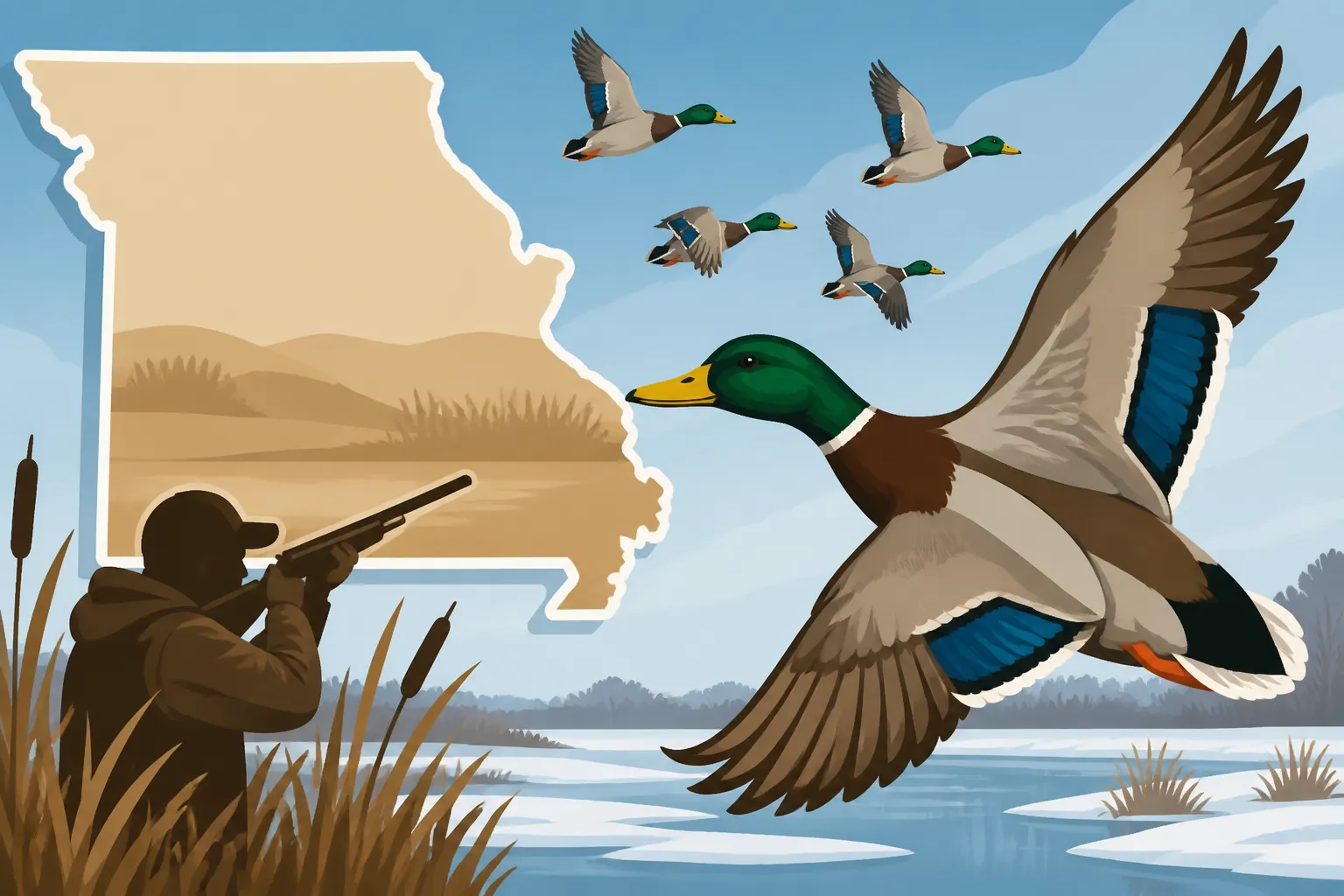
Mallard Numbers Wintering in Missouri
One of the most common questions I hear from fellow waterfowlers as the seasons change is, "Where are the ducks this year?" For those of us who live and breathe Missouri hunting, especially when it comes to mallards, understanding the ebb and flow of their wintering numbers is absolutely crucial. This guide will dive deep into the fascinating, often frustrating, dynamics that dictate how many greenheads we see in our blinds each season, and what factors truly influence their presence in the Show-Me State's winter landscape.
The Journey: Understanding Mallard Migration to Missouri
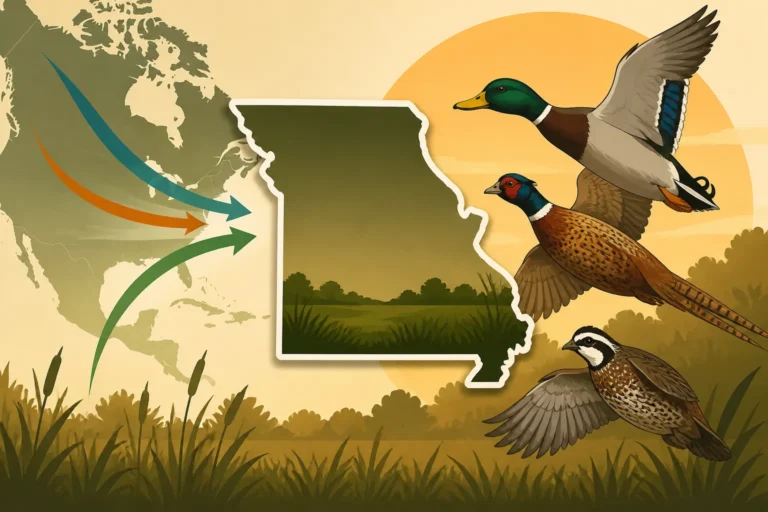
The story of mallard numbers wintering in Missouri really begins hundreds, sometimes thousands, of miles to our north. These aren't local birds for the most part; they're travelers, riding the ancient highways of the sky known as the Mississippi Flyway. Missouri sits right in a sweet spot on this flyway, acting as both a crucial stopover point and, in many winters, a primary destination for these migrating ducks.
Imagine the vast prairies and boreal forests of Canada and the northern US. That's where the majority of these mallards spend their breeding season, raising their broods in lush wetlands. As autumn arrives and the days shorten, a biological clock starts ticking. The first cold fronts, often in late September or early October, act as the initial push. These early arrivals, sometimes called "early migrators," might just be staging in Missouri, pausing to rest and refuel before continuing further south.
However, the real show, the arrival of the bulk of our wintering mallard population, is usually tied to more severe weather. A deep freeze in the Dakotas, Minnesota, or Iowa that locks up ponds and agricultural fields with ice is what truly drives those waves of ducks into Missouri. They're looking for open water and readily available food. If those conditions persist further north, our wetlands, rivers, and flooded agricultural fields become incredibly attractive havens. Conversely, if the weather remains mild up north, with plenty of open water and food, those birds might linger, delaying their push south, and leaving us scratching our heads about where all the ducks went. It’s a delicate balance, and every season presents a unique puzzle.
Key Factors Influencing Wintering Mallard Numbers
Several interconnected factors play a huge role in determining how many mallards decide to call Missouri home for the winter. It’s never just one thing, but rather a symphony of environmental conditions that influence their decisions. Understanding these can help you better anticipate the season ahead and plan your hunts effectively, perhaps using resources like GoHunt to visualize potential habitat before you even leave home.
Water Availability and Habitat Conditions
This is perhaps the most critical component. Mallards need water – for roosting, loafing, and feeding. Missouri offers diverse aquatic habitats, from the massive Missouri and Mississippi River systems to countless smaller creeks, farm ponds, and, most importantly for hunters, managed wetlands.
During dry years, when natural sloughs and ephemeral wetlands might not fill, mallards will concentrate on larger, more permanent water bodies. This can be great for hunters on those specific locations, but it means fewer birds spread across the landscape. On the flip side, years with abundant rainfall and widespread sheet water in fields can scatter ducks across a vast area, making them harder to find but potentially opening up new hunting opportunities. The success of our Missouri Managed Wetland Draw System is heavily reliant on the ability to provide consistent water, often through pumping, to create attractive habitat even when natural water levels are low. Hunters regularly check on water levels, often driving miles to see which areas have flooded, and tools like GoHunt can sometimes offer insights into historical water patterns in certain regions, though direct observation is always king.
Food Sources and Agricultural Practices
Mallards are opportunistic eaters, and in Missouri, a huge portion of their diet revolves around waste grain, particularly corn and soybeans left behind in harvested fields. They also feed on natural seeds, acorns, and aquatic invertebrates, but the energy-rich agricultural bounty is a major draw.
The timing of the harvest is crucial. If farmers harvest their crops late, particularly corn, those standing fields can hold ducks for extended periods, offering both food and cover. Once the fields are cut, the waste grain becomes accessible. Years with high crop yields and effective combining often mean more waste grain, drawing in and holding larger numbers of mallards. However, if fields are tilled immediately after harvest, or if heavy rains wash away available grain, it can limit the food buffet for wintering birds. The availability of acorns in timbered areas also plays a role, especially in the Ozarks or river bottoms where timber is a dominant feature. When scouting for ducks, always consider what's on the menu in the surrounding landscape.
Weather Patterns: Both Up North and Locally
Weather is the ultimate puppet master of migration. We already touched on the importance of cold fronts pushing birds south, but the local weather here in Missouri is just as vital for holding those birds once they arrive.
A prolonged period of mild weather in Missouri, especially in late fall and early winter, can mean that large bodies of water, like our big reservoirs and rivers, remain ice-free for longer. This offers vast areas where ducks can spread out and avoid hunting pressure, making them tougher to pattern. Conversely, a hard freeze across Missouri will lock up most small waters, concentrating mallards onto the last remaining open water, which often includes major rivers or warm water discharges. This can create incredible hunting opportunities, but it also means intense competition for those prime spots. Understanding Missouri Duck Zone Boundaries helps you track season dates relative to these weather shifts. Even a fresh snow can bring with it a new push of birds.
Tracking and Interpreting Mallard Population Data
As hunters, we're always looking for an edge, trying to understand where the birds are and where they're headed. While there's no crystal ball, there are ways to track and interpret mallard population data that can give you a better grasp of the situation. It’s not about getting real-time numbers, but about understanding the broader trends and why they matter for our season.
Flyway-Wide Surveys and Reports
Across the Mississippi Flyway, wildlife agencies conduct surveys to estimate breeding populations and track migration trends. While these reports are typically released after the fact, or as broad overviews, they paint a picture of the overall health of the mallard population. A strong breeding population usually bodes well for hunter opportunity down the line. Keep in mind that these are flyway-level assessments, and localized conditions in Missouri can still heavily influence what we see. Sometimes, even with a strong flyway population, if our local conditions aren't right, the birds might just skip on through to Arkansas or Louisiana.
Local Observations and Scouting
This is where the rubber meets the road for the individual hunter. Nothing beats boots on the ground (or waders in the water) and eyes in the sky. Local conservation areas and river bottoms often have staff or dedicated individuals tracking bird movements. Pay attention to local reports, but always verify them with your own scouting. Are the birds using certain areas? What are their flight patterns? What kind of food are they seeking out? Scouting Missouri Public Land Before Season is not just for deer; it's absolutely critical for ducks too. When you’re out there, look for fresh sign, scout unpressured areas, and use tools like GoHunt for identifying less obvious access points or potential hidden wetlands that might get overlooked by others.
The Role of Hunter Reports and Apps
Many states, including Missouri, gather hunter harvest data. While this data is retrospective, it contributes to a long-term understanding of success rates and regional hotspots. Additionally, there are community-driven apps and online forums where hunters share observations. While helpful, always take these with a grain of salt. What one person considers a "lot" of ducks might be different from your expectation. However, they can sometimes give you a general pulse of bird activity in different regions of the state, helping you decide whether to focus your efforts up north or further south in the Missouri Duck Zone Boundaries.
| Factor | Impact on Missouri Mallard Numbers | Notes |
|---|---|---|
| Northern Freeze (Oct-Nov) | Increases | Pushes birds south into Missouri |
| Local Freeze (Dec-Jan) | Concentrates | Locks up small waters, forces birds to rivers/large lakes |
| Abundant Waste Grain | Holds Birds | Provides crucial energy, keeps birds in area |
| Widespread Flooding | Spreads Out Birds | Offers more habitat, can make birds harder to locate |
| Drought Conditions | Concentrates / Decreases | Fewer natural wetlands, birds rely on managed areas; might push past |
| High Hunting Pressure | Disperses Birds | Can make birds wary and move to refuges or less accessible areas |
| Mild Northern Winter | Decreases Early Numbers | Birds linger north, arrive later or in smaller waves |
The Impact on Missouri Hunters
The fluctuation of mallard numbers wintering in Missouri has a direct, tangible impact on every duck hunter in the state. From the early season optimism to the late-season grind, these numbers shape our strategies, our success, and sometimes, our sanity.
Adapting to the Duck Migration
Experienced Missouri waterfowl hunters know that you can't approach every season with the same strategy. Some years, the birds arrive early and hold tight, offering fantastic opportunities in the first few weeks of the season. Other years, a mild fall up north means a "late migration," and you might spend the first month of the season seeing very few mallards. This requires patience and flexibility. You might need to change your focus from flooded timber to Field Hunting Geese in North Missouri if the ducks aren't cooperating, or shift from static blind hunting to more mobile Missouri Flooded Timber Duck Tactics.
It also means being ready to capitalize when the birds do arrive. When a hard freeze hits to our north, pushing those thousands of mallards into Missouri, you want to be prepared. Your decoys should be ready, your calls practiced, and your gear in order. Tools like GoHunt can help you stay informed about broader weather patterns that are likely to influence these pushes, letting you anticipate the big migration events.
The Importance of Habitat Preservation
Beyond the immediate hunting impacts, understanding mallard numbers underscores the critical importance of habitat. Missouri's wetlands, both natural and managed, are vital cogs in the Mississippi Flyway machine. When we support conservation efforts, buy our permits and stamps, and advocate for sound wildlife management, we're directly contributing to ensuring that future generations of mallards, and duck hunters, will continue to have places to thrive. Programs focused on habitat creation and restoration, particularly for Wetland Habitat and Duck Numbers, are essential. It's a long-term investment that pays dividends for all of us who cherish the sound of whistling wings on a cold winter morning.
The Thrill of the Hunt, Regardless of Numbers
Let's be honest, we all love those epic days when mallards bomb into the decoys like it's their job. But even in years when numbers are down or the birds are just passing through, the pursuit itself holds immense value. The challenge of deciphering the duck's movements, the camaraderie in the blind, the sheer beauty of a Missouri sunrise over a flooded field – these experiences are what truly define Missouri hunting. While the number of mallards wintering here will always be a critical piece of the puzzle, the joy of the hunt remains constant, reminding us why we bundle up and brave the cold, year after year.
Disclaimer
This article is for general informational purposes only and does not constitute professional advice. Laws, prices and regulations vary by location and change over time. Consult a qualified professional for guidance on your specific situation.