Missouri Ruffed Grouse Restoration History
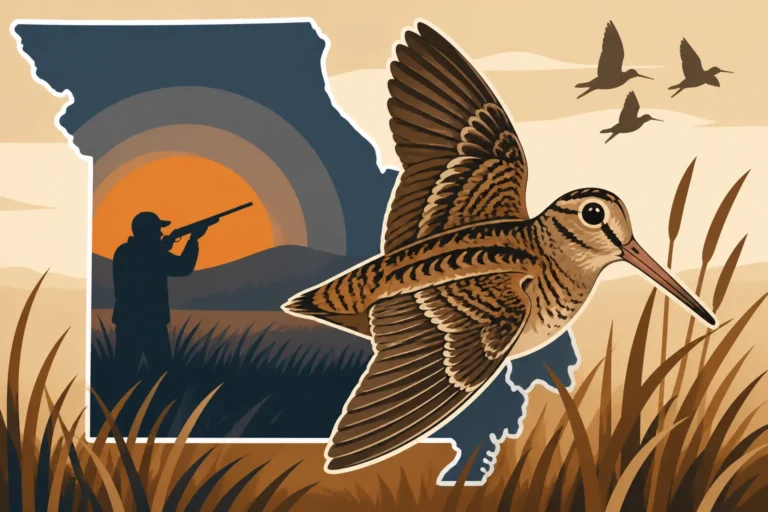
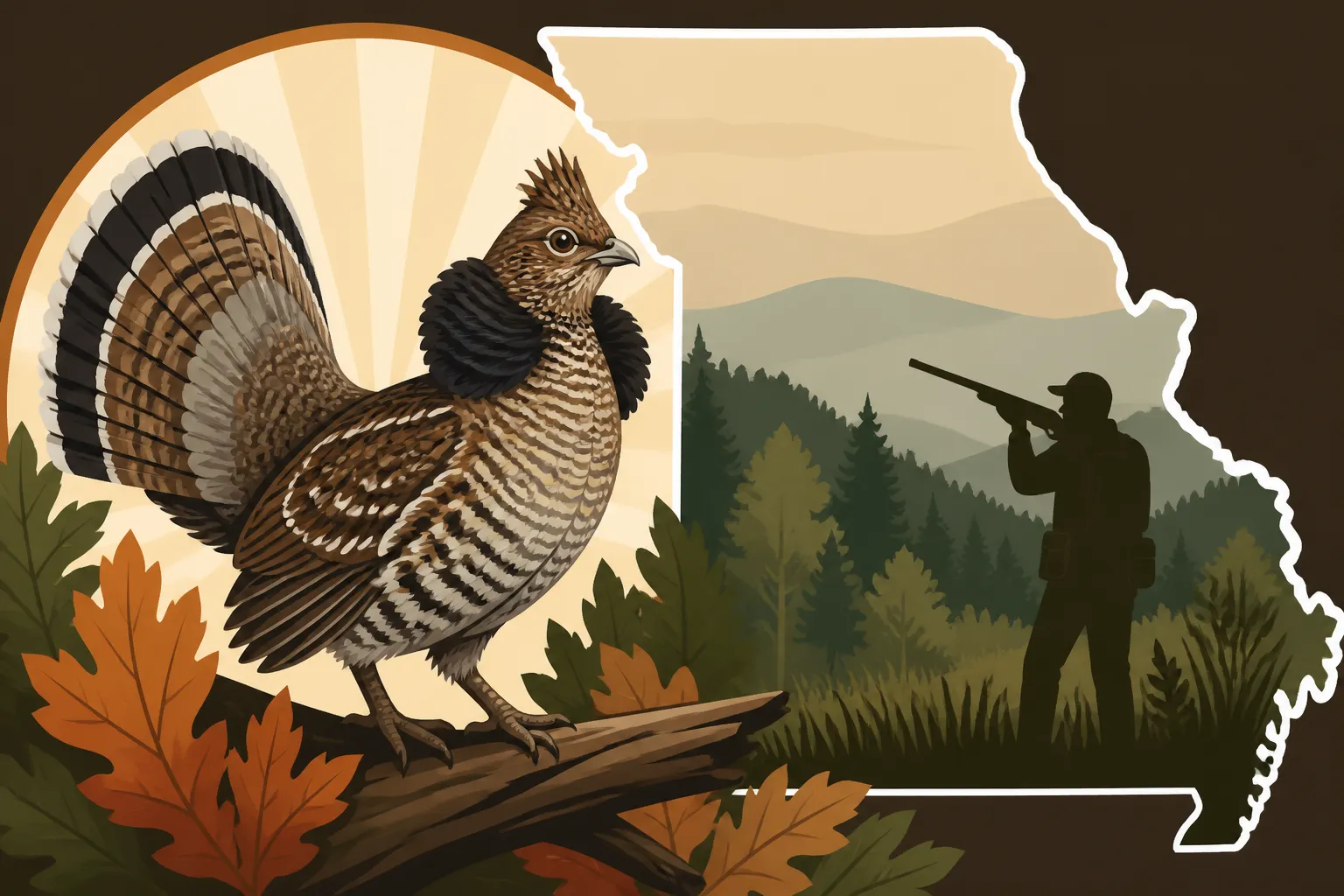
There's a quiet sadness that settles over a Missourian upland hunter when the topic of ruffed grouse comes up. For many of us, the idea of pursuing these explosive forest rockets in our home state is a romantic notion, a whispered legend of a time gone by. But the reality is stark: ruffed grouse hunting is a thing of the past in Missouri. This comprehensive guide will delve into the history of these elusive birds in the Show-Me State, explore the determined efforts made to restore them, and shed light on why, despite our best intentions, a huntable population remains an unfulfilled dream.
The Historic Presence of Ruffed Grouse in Missouri
Long before the vast agricultural fields dominated much of northern Missouri, and even before the extensive logging practices of the late 19th and early 20th centuries transformed our southern forests, ruffed grouse were a natural and vibrant part of Missouri's wildlife tapestry. These birds, often called "thunder chickens" for their startling flush, weren't just visitors; they were residents, deeply integrated into the state's diverse ecosystems.
Their prime habitat was the dense, early successional hardwood forests, particularly those found in the rugged Ozark Highlands and parts of the more timbered northern regions. Think of areas rich in young oaks, hickories, and brushy undergrowth—places that offered thick cover for nesting and escape, alongside a reliable food source of acorns, berries, and buds. They were masters of camouflage, blending seamlessly into the dappled sunlight and shadows of the forest floor, making them a true challenge for any predator, human or otherwise. The drumming of the male grouse, a distinct sound echoing through the spring woods, was once a common signal of life and vitality in these deep woods. It was a sound that told early settlers and naturalists that this particular game bird thrived where cover was dense and varied.
Back then, the forests were a patchwork of different age classes, created by natural disturbances like wildfires or small-scale timber harvesting for homesteads. This dynamic environment, with its mosaic of young, regenerating stands next to more mature timber, provided everything a ruffed grouse needed to survive and multiply. They weren't like prairie chickens, tied to the open grasslands, nor were they solely dependent on large, continuous tracts of old-growth timber. Instead, they needed that sweet spot of tangled underbrush and dense saplings that followed a disturbance, combined with the food production of nearby mature trees. These were the true "ghosts of the timber," thriving in places that offered both sustenance and near-impenetrable refuge.
The Decline and Disappearance of Ruffed Grouse
The story of the ruffed grouse in Missouri is, unfortunately, a familiar one for many wildlife species in the face of human expansion: a tale of dramatic decline due to profound habitat alteration. By the mid-20th century, the drumming of the grouse had largely faded from Missouri's forests, leaving a silence that spoke volumes about what had been lost.
The primary culprit was an overwhelming change in their preferred forest habitat. The extensive, often unregulated, logging that swept through the Ozarks in the late 1800s and early 1900s certainly played a role, removing vast tracts of timber. But paradoxically, it was the lack of active forest management in later decades that cemented their fate. As logging slowed and natural disturbances were suppressed, Missouri's forests matured into vast, continuous stands of older timber. While beautiful in their own right and home to many species, these mature, open understory forests simply lacked the dense, brushy, early successional cover that ruffed grouse absolutely require for survival. The "brushy edges" that grouse need for nesting, brooding, and escaping predators disappeared, replaced by high canopies and barren forest floors. Think of trying to hide a small bird in a park-like stand of tall, widely spaced trees—it's just not possible.
Compounding this habitat loss was a combination of other factors. Uncontrolled hunting in earlier periods, before modern wildlife management practices were in place, undoubtedly put pressure on local populations. Additionally, changes in predator populations, coupled with the birds' increasing vulnerability due to fragmented habitat, made it harder for grouse to bounce back. Diseases, though less documented as a primary driver, could also have played a role in isolated areas. Essentially, the combination of a steadily diminishing and increasingly uniform habitat, coupled with other environmental pressures, pushed the ruffed grouse to the brink of extirpation in Missouri. They just didn't have anywhere safe left to live and breed. It's a stark reminder of how interconnected habitat, species, and human activity truly are.
Restoration Efforts and Their Challenges
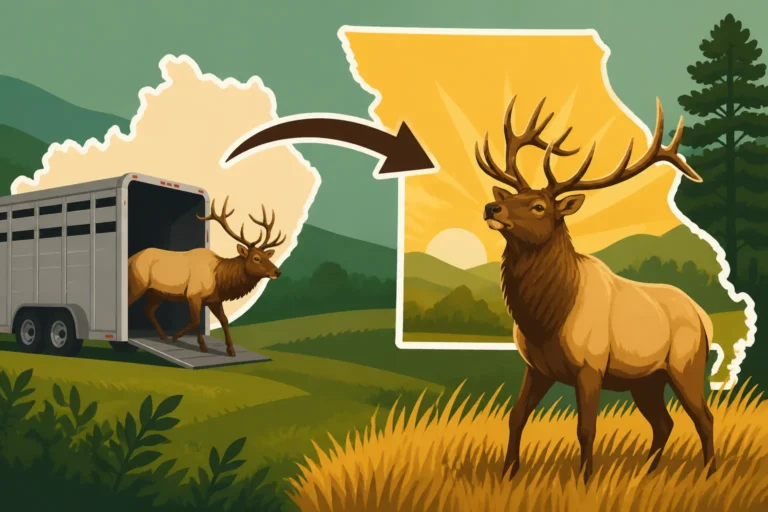
Witnessing the decline, conservationists and biologists in Missouri weren't content to simply let the ruffed grouse vanish. Starting in the late 1950s and extending through the 1990s, the Missouri Department of Conservation (MDC) launched ambitious restoration programs, attempting to reintroduce the birds into suitable habitats across the state. These efforts were truly a testament to dedication, involving countless hours of trapping and relocating birds from states with healthy grouse populations, primarily Wisconsin and Indiana. Imagine the logistical challenges of live-trapping these wild, wary birds and transporting them hundreds of miles to release sites in Missouri!
The initial restoration sites were carefully chosen, focusing on public lands in the Ozarks that still retained some semblance of early successional forest, or where active timber management could create it. Places like the Mark Twain National Forest and various Conservation Areas were key targets, with releases occurring in counties such as Ste. Genevieve, Iron, Reynolds, and Bollinger. The hope was that these transplanted birds would establish breeding populations, expand their range, and eventually create a self-sustaining, huntable resource. For a while, there was cautious optimism. Reports of drumming grouse and successful broods gave hope that the tide might be turning. Hunters and conservation enthusiasts alike followed these efforts with great interest, hoping for a return of the Ruffed Grouse in Missouri.
However, despite these diligent efforts, the larger vision for a widespread, huntable ruffed grouse population ultimately didn't materialize. The challenges proved too great. The biggest hurdle remained the fundamental problem of habitat. While specific release sites might have offered pockets of good habitat at the time, the surrounding landscape often lacked the necessary connections and scale to support a robust, expanding population. As forest stands continued to mature across the region, the critical early successional habitat became increasingly scarce and fragmented. Grouse, unlike some other game birds, are not long-distance dispersers, meaning they struggled to find new suitable areas if their immediate release site matured past its prime. Furthermore, factors like poor brood survival due to predation, harsh weather conditions during nesting seasons, and low reproductive success in some years simply kept the populations from gaining a foothold. It was a classic "chicken and egg" problem: you need the birds to spread, but they can't spread if the habitat isn't there in continuous swaths. Even with tools and data, similar to how modern hunters use GoHunt to scout for game, biologists found that recreating the necessary habitat conditions on a large enough scale for grouse was a monumental task, often at odds with the natural progression of Ozark forests.
Why the Season Remains Closed and What the Future Holds
Today, the ruffed grouse season in Missouri remains firmly closed, a decision made back in the mid-2000s after it became clear that the restoration efforts had not led to sustainable, huntable populations. For a time, limited hunting was allowed, but when monitoring data showed continued population declines and a lack of recovery, the difficult but necessary decision was made to protect the remaining birds. This decision underscored the conservation community's commitment to ensuring the long-term survival of even small populations, rather than risking their complete extirpation. The presence of such a rare bird in limited numbers now makes it more of a wildlife viewing opportunity than a game species.
So, what does the future hold for ruffed grouse in Missouri? Realistically, a return to a widespread, huntable population is a very long shot, if not an impossibility under current conditions. Small, isolated pockets of ruffed grouse still exist in various parts of the state, often in very specific areas where unique conditions create and maintain suitable habitat. These remaining populations are a testament to the birds' resilience, but they are fragile. The main reason for this outlook is, once again, habitat. To support a robust grouse population, Missouri would need extensive, active, and continuous forest management aimed at creating vast acreages of young, dense, regenerating timber—a type of habitat that is in short supply across much of the state today. This isn't just about clear-cutting; it's about a complex, rotational system that mimics natural disturbances, creating a mosaic of forest ages. Such large-scale management comes with its own set of ecological, economic, and social considerations.
However, the lessons learned from the ruffed grouse restoration are invaluable and continue to inform other conservation efforts. Understanding the critical importance of early successional habitat, for instance, directly benefits other species that thrive in similar environments, such as Northern Bobwhite Quail in Missouri and rabbits. Habitat work on public lands, including strategies like Prescribed Burns on Missouri Conservation Areas and targeted timber harvests, helps create diverse forest structures that benefit a wide array of wildlife, even if it's not enough to bring back the grouse in large numbers. While we may never again hear the booming drums of widespread ruffed grouse echoing through our Missouri woods, their story serves as a powerful reminder of our dynamic relationship with the natural world and the constant need for thoughtful, long-term conservation strategies. When considering the Missouri Ruffed Grouse Season Status, it’s clear that for now, appreciation from afar is the best course.
Here's a look at some key aspects of the grouse's story in Missouri:
| Period | Ruffed Grouse Status in Missouri | Key Factors and Efforts | Impact on Population |
|---|---|---|---|
| Pre-1900s | Widespread & Abundant | Extensive early successional forests due to natural disturbances and limited human impact. Ideal habitat for grouse to thrive. | Thriving |
| 1900s – 1950s | Rapid Decline | Widespread, unregulated logging initially, followed by forest maturation and fire suppression, leading to significant habitat loss. Uncontrolled hunting also played a role in isolated areas. | Near Extirpation |
| Late 1950s – 1990s | Restoration Attempts | MDC-led reintroduction programs. Birds trapped from other states (WI, IN) and released in targeted Ozark counties (e.g., Ste. Genevieve, Iron, Reynolds, Bollinger). Focused habitat management on release sites. | Temporary gains, localized increases |
| Early 2000s | Decline in Restored Areas | Continued challenges with habitat fragmentation, maturation of release sites, low reproductive success, and limited dispersal capabilities. Populations struggled to expand beyond initial release zones. | Continued decline |
| Mid-2000s – Present | Season Closed / Fragmented | Grouse hunting season officially closed to protect remaining populations. Very small, isolated populations persist in specific, often actively managed, pockets of suitable habitat, but are not self-sustaining on a large scale. The question of Why Missouri Has No Grouse Season is permanently answered. | Critically low |
Even today, those who love to wander Missouri's Deer Hunting the Missouri Ozarks or are learning about Squirrel Hunting in Oak Hickory Timber will occasionally stumble upon a spot that looks like ideal grouse cover. It’s a bittersweet moment, recognizing what once was and what might have been. Efforts continue to manage timber, particularly in the Mark Twain National Forest, but these efforts are often for broader forest health and other game species, not solely for grouse.
Disclaimer
This article is for general informational purposes only and does not constitute professional advice. Laws, prices and regulations vary by location and change over time. Consult a qualified professional for guidance on your specific situation.