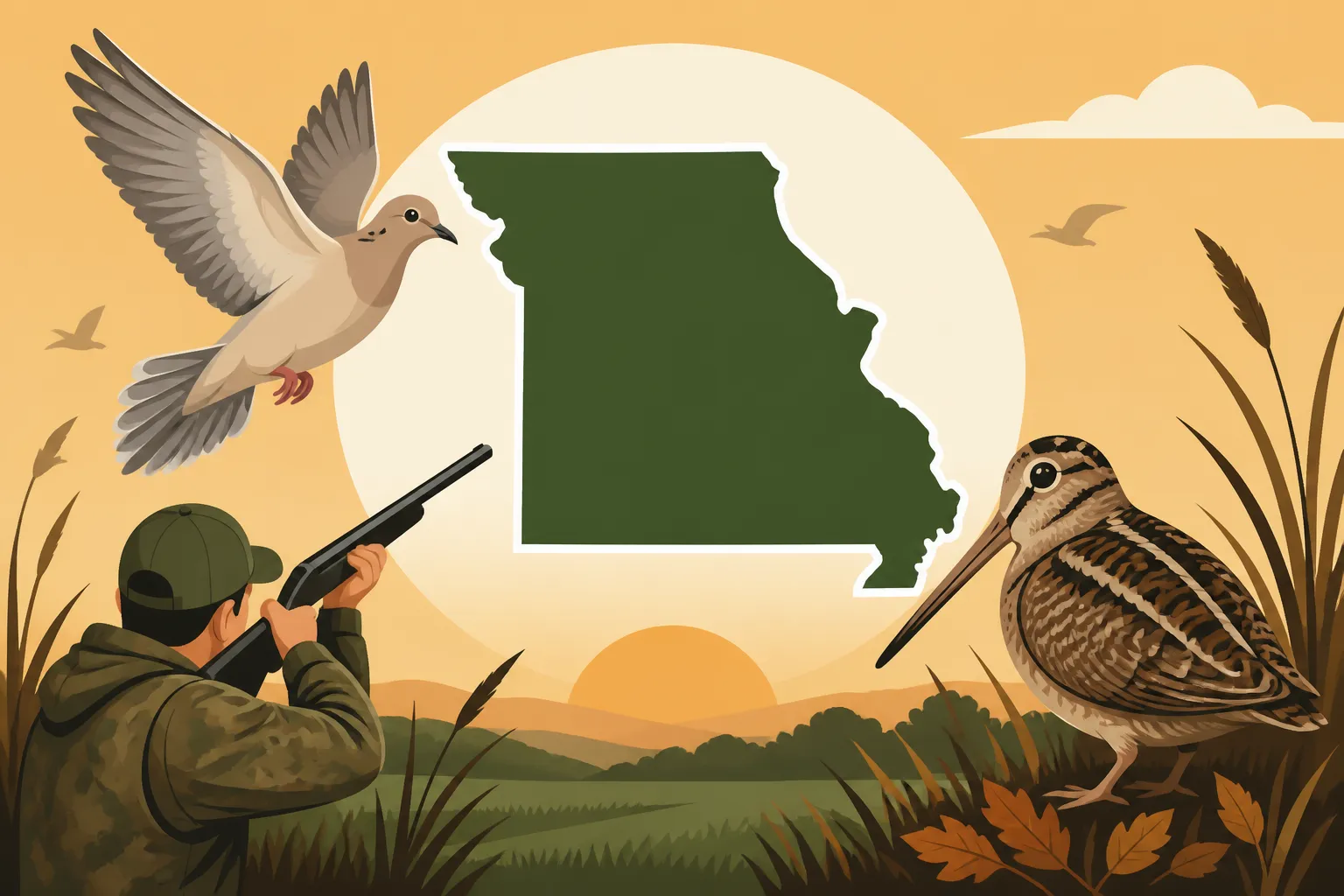
Dove and Woodcock Season Dates
It's incredibly frustrating when you're geared up for a hunt, ready to hit the fields or timber, only to realize you're fuzzy on the exact season dates for migratory birds like doves and woodcock. Missouri's seasons can feel like a moving target sometimes, with different portions, zones, and federal regulations all playing a part. This guide is here to clear up that confusion, giving you all the precise details on when and how you can pursue these exciting game birds in the Show-Me State.
Navigating Missouri's Migratory Bird Seasons
Hunting migratory birds in Missouri, whether it's zippy mourning doves or the quirky woodcock, isn't quite as straightforward as deer or turkey season. These birds cross state lines, sometimes even international borders, which means their management falls under both federal and state regulations. It's a dance between the U.S. Fish and Wildlife Service and the Missouri Department of Conservation (MDC), and understanding that relationship is key to knowing when you can legally hunt.
The Federal Framework for Migratory Game Birds
Think of the federal government as setting the broad strokes. The U.S. Fish and Wildlife Service, under treaties like the Migratory Bird Treaty Act, establishes the overall frameworks for migratory bird hunting seasons, including maximum season lengths, earliest opening dates, and latest closing dates. They also dictate bag and possession limits. This overarching structure is in place to ensure the long-term health and sustainability of these bird populations across their entire migratory routes, like the Mississippi Flyway that many of our Missouri waterfowl and doves use. States like Missouri then get to choose their specific season dates and bag limits within those federal guidelines. It's a system designed to manage populations on a continental scale, which is pretty neat when you think about it.
How the Missouri Department of Conservation Sets Dates
Once the federal frameworks are in place, the Missouri Department of Conservation steps in to tailor the seasons to our state's specific needs, wildlife populations, and hunter traditions. This involves a lot of science – surveys, population monitoring, and habitat assessments – to determine what dates and limits will provide ample hunting opportunity without impacting the local or migratory bird populations. They'll consider factors like local breeding success, migration patterns, and even hunter harvest data from previous years. For doves, this often means setting dates to coincide with the peak of local birds and the early arrival of migrants. For woodcock, it's about hitting that sweet spot when these unique birds are moving through our timber. The MDC also solicits public feedback, so your voice as a hunter can actually influence these decisions! You can always check the MDC's website or annual summaries for the most up-to-date information, or use a tool like GoHunt to keep track of regulatory changes in real-time.
Missouri's Dove Season: A September Tradition
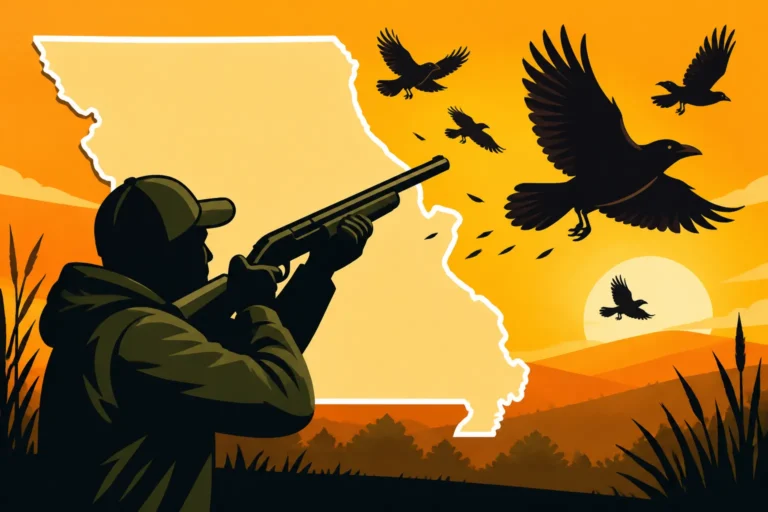
There's something magical about opening day of dove season. The late summer heat, the promise of crisp autumn days just around the corner, and the fast-paced action under a big Missouri sky make it a cherished tradition for many hunters. While dove season technically extends into November, the early September opener is what most hunters eagerly anticipate.
Key Dates and Zones for Mourning Doves
Missouri's mourning dove season typically kicks off on September 1st each year. This early start allows hunters to target both locally hatched birds and the vanguard of migrants moving down from northern states. The season usually runs for a generous period, often extending through early November.
What's particularly interesting about Missouri's dove season is that it's often split into three distinct portions. While the exact dates can shift slightly year to year based on federal frameworks and MDC decisions, a typical structure might look something like this:
- First Portion: September 1st through mid-October. This is the prime time, especially for that initial rush of birds.
- Second Portion: A shorter period in late October or early November.
- Third Portion: A final, sometimes very brief, window in early to mid-November.
This split allows for hunting opportunities throughout different phases of the migration, acknowledging that bird distribution and hunter effort change as the season progresses. It’s important to always check the current year’s Missouri Migratory Bird and Waterfowl Regulations booklet, available online or at permit vendors, to confirm the precise dates for each portion. Understanding when the birds are moving through is crucial for success, and you can get a better sense of that by looking at Mourning Dove Migration Timing.
Daily Bag and Possession Limits
The fast-flying nature of doves means you're often burning through shells, and it's easy to get carried away in the excitement. However, sticking to the legal limits is paramount. For mourning doves, the daily bag limit in Missouri is usually 15 doves. This means you can't harvest more than 15 in a single day.
The possession limit, which is the total number of doves you can have on hand at any given time (including those from previous hunts stored at home), is typically 45 doves. This possession limit applies to birds that are dressed, stored in your freezer, or still in the feather. It's a significant number, allowing dedicated hunters to accumulate a good supply of these delicious birds. Always make sure you properly separate your doves from each day's hunt if you're keeping them in a cooler or bag, especially when hunting with a group, to easily verify daily limits if checked by a conservation agent.
Eurasian Collared Doves: A Different Category
While we often lump all doves together in our minds, there's an important distinction to be made for Eurasian collared doves. These non-native birds have expanded their range significantly across Missouri in recent decades. Unlike mourning doves, which are protected by federal migratory bird laws, Eurasian collared doves are considered an unprotected, exotic species.
This means their hunting regulations are much more liberal. In Missouri, there is no closed season and no daily bag or possession limit for Eurasian collared doves. You can hunt them year-round, and there's no cap on how many you can take, provided you are hunting legally and have the proper permits. While they are larger than mourning doves, their presence can sometimes lead to confusion, so it’s essential to be able to identify the difference. Eurasian collared doves are generally larger, paler, and have a distinctive black half-collar on the back of their neck. If you’re unsure, always assume it’s a mourning dove and adhere to those regulations.
The Elusive Woodcock Season in Missouri
Often overshadowed by their more popular dove and waterfowl cousins, woodcock offer a unique and challenging hunting experience. These secretive, forest-dwelling shorebirds, sometimes called "timberdoodles," provide a different kind of thrill for the wingshooter. They're masters of camouflage and prefer damp, brushy cover, making them a true test of a hunter's skill and a bird dog's nose.
Woodcock Season Dates
Woodcock season in Missouri typically runs for a specific, shorter period, usually in the late fall, to coincide with their migration through the state. The season generally opens around October 15th and runs through the end of November or early December. This timing puts hunters in the field when the leaves are falling, offering both a beautiful backdrop and a bit more visibility in the thick cover these birds favor.
Again, these dates can vary slightly from year to year, so always confirm the exact season dates in the current Missouri Migratory Bird and Waterfowl Regulations booklet. The season is usually contiguous, meaning there are no splits, unlike dove season. Finding the right cover at the right time is crucial for success, and tracking Missouri Woodcock Migration Timing can give you an edge.
Bag Limits and Habitat
The daily bag limit for woodcock in Missouri is typically 3 birds. The possession limit is usually 9 birds. This lower limit reflects the more specialized nature of woodcock hunting and their more dispersed populations compared to doves. It emphasizes quality over quantity, making each flushed bird a treasured moment.
As for habitat, you won't find woodcock flitting around open crop fields like doves. These birds are creatures of the forest floor, preferring dense, young hardwood thickets, alder swamps, and wet bottomlands. They love areas with moist soil where they can probe for earthworms with their long bills. Look for them in early successional timber, often near creeks, drainages, or river bottoms. Areas with a mix of young saplings, briars, and low-growing shrubs provide ideal cover. When you're scouting, especially using an app like GoHunt, look for those moist, regenerating timber stands or brushy edges along rivers like the Big Muddy or other smaller waterways that connect to it. These areas can often be found on public lands, including many of Missouri's Conservation Areas. If you're looking for more specific guidance, reading up on Woodcock and Snipe Along the River Bottoms can be incredibly helpful.
Snipe Season Overlap
Often found in similar wet, boggy habitats and migrating around the same time as woodcock, snipe offer another unique wingshooting opportunity. Missouri's common snipe season generally runs concurrently with, or has significant overlap with, the woodcock season, often opening around September 1st and extending through mid-December or even into January.
The daily bag limit for snipe is typically 8 birds, with a possession limit of 24. While they share similar habitats, snipe prefer more open, wet grasslands, flooded fields, or the muddy edges of ponds and sloughs, whereas woodcock stick to denser cover. Many hunters will target both species on the same outing if the habitat allows, as they require similar shotgun loads and hunting techniques, though snipe flights tend to be much more erratic and challenging. Being able to identify both species correctly is key to staying legal.
Essential Permits and Registrations for Migratory Birds
Beyond knowing the dates and limits, there are specific permits and federal registrations you need to legally hunt doves, woodcock, and other migratory game birds in Missouri. Skipping any of these can lead to a hefty fine, so it's critical to have all your ducks—or in this case, doves and woodcock—in a row before heading afield.
Federal Duck Stamp and HIP Certification
This is where many hunters get tripped up, thinking these are only for ducks and geese. Not so! If you are 16 years of age or older and plan to hunt any migratory game birds, including doves, woodcock, snipe, coots, or rails, you are required to purchase a Federal Migratory Bird Hunting and Conservation Stamp, commonly known as a Federal Duck Stamp. It's a physical stamp you sign across the face and carry with you, though an e-stamp option is also available that allows immediate hunting while the physical stamp is mailed. This stamp, costing around $25, helps conserve wetlands and other wildlife habitats, so it's a purchase that benefits all wildlife. For more details, check out Missouri Federal Duck Stamp Requirement.
In addition to the duck stamp, every migratory bird hunter, regardless of age, must also be registered with the Harvest Information Program (HIP) each year. This is a federal requirement designed to gather harvest data for migratory bird species. When you purchase your Missouri hunting permit, you'll be asked a series of short questions about your migratory bird hunting activity from the previous year. Once you complete the survey, you'll receive a HIP certification number, which must be noted on your permit. You can register for HIP online or when buying your permits. Don't overlook this seemingly small step, as it's a mandatory part of hunting migratory birds. If you want to dive deeper into this, read Missouri HIP Registration for Migratory Birds.
Missouri Small Game Permit
On the state side, you'll need a valid Missouri Small Game Hunting Permit. This permit covers doves, woodcock, snipe, quail, rabbits, squirrels, and other small game animals. Both residents and non-residents must purchase this permit. The cost varies for residents versus non-residents, with non-resident permits generally being higher.
You can purchase your small game permit online through the MDC website, at any authorized permit vendor (like sporting goods stores or bait shops), or via the MO Hunting app. It's a good idea to buy it well in advance of the season opener to avoid any last-minute scrambling. Remember, even if you’re a landowner hunting on your own property, you’ll likely still need your HIP certification and Federal Duck Stamp for migratory birds, though you might be exempt from the state small game permit depending on specific circumstances. For more information on what this permit covers, see What the Small Game Permit Covers, or for specific costs, check out Missouri Resident Small Game Permit Cost or Missouri Nonresident Small Game Permit Cost.
Maximizing Your Migratory Bird Hunt
Knowing the dates and having your permits in order is just the beginning. To truly make the most of your dove and woodcock hunts, you need to understand where to find these birds and how to approach them effectively. It's not always about sheer luck; good scouting and preparation can significantly increase your chances of success.
Scouting for Doves and Woodcock
Effective scouting is paramount, especially for migratory birds that can be here today and gone tomorrow. For doves, focus your scouting efforts on areas with good food sources, water, and roosting cover.
- Food Sources: Doves primarily feed on seeds. Look for recently harvested agricultural fields—especially corn, wheat, milo, and sunflower fields. Public lands like Missouri Conservation Areas often plant dove fields with sunflowers or other grains specifically to attract birds. Pay attention to field edges, bare patches, and gravel roads where doves pick up grit.
- Water: Doves need to drink frequently. Look for ponds, creeks, and shallow water sources with bare, muddy banks where they can land safely.
- Roosting Cover: Doves will often roost in dead trees, power lines, or sparse timber nearby. Observe their flight patterns in the early morning and late evening to identify these key locations.
When scouting for woodcock, shift your focus to thicker, wetter cover.
- Moist, Young Forests: Woodcock love regenerating timber stands, particularly those with a dense understory of alder, dogwood, or young hardwoods. Look for areas along creek bottoms, floodplains, or low-lying areas that retain moisture.
- Sign: Keep an eye out for "splashes" (white, splash-like droppings) on the forest floor, which are a clear sign of woodcock activity. You might also find their distinctive "bore holes" in the soft earth where they've probed for worms.
- Public Lands: Many Conservation Areas, especially those with significant timber management or riparian zones, can hold good numbers of woodcock during migration. Using an app like GoHunt with its robust mapping features can really help pinpoint promising areas by identifying habitat types and public land boundaries. This kind of detailed map information, similar to Reading Aerial Photos for Ozark Deer, is invaluable for all types of hunting.
Gear Considerations for Migratory Birds
While you don't need a mountain of specialized gear, a few key items will make your migratory bird hunts more enjoyable and productive.
- Shotgun: A 12-gauge or 20-gauge shotgun is standard. For doves, a semi-automatic or pump-action allows for quick follow-up shots on fast-moving birds. For woodcock, a lighter, more agile over/under or side-by-side might be preferred for quick swinging in tight cover. You can learn more about appropriate firearms in Shotguns and Loads for Missouri Birds.
- Ammunition: Light loads of lead shot (e.g., 7 ½ or 8 shot) are ideal for doves, offering a good pattern density for these smaller birds. For woodcock, similar light loads work well. Remember, lead shot is generally legal for upland birds like doves and woodcock, but always check regulations if hunting on specific managed areas where nontoxic shot might be required.
- Decoys (Doves): A few dove decoys, especially spinning-wing models, can dramatically increase your success in a dove field. They draw birds in from a distance and give them a visual to focus on, often bringing them into comfortable shooting range.
- Blinds: A small, portable ground blind or simply camouflaged clothing can help you blend into field edges for doves. For woodcock, wearing blaze orange is important for safety in dense cover, and you'll often be actively walking and flushing birds, making a blind less necessary.
- Upland Vest: For woodcock and even dove hunts where you might be walking a bit, an upland vest with shell loops, a game pouch, and water bottle pockets is incredibly handy. This is similar to the gear discussed in Upland Vests and Quail Gear.
- Water and Snacks: Early September dove hunts can be hot. Always carry plenty of water and some snacks.
- Bird Dog: For woodcock in particular, a well-trained bird dog is almost essential. Their ability to find and point these camouflaged birds in thick cover is unmatched.
- Cooler: On warm days, especially in early September, having a cooler with ice to cool your harvested doves immediately is crucial for meat quality.
By combining diligent scouting, the right gear, and an understanding of Missouri's regulations, you'll be well on your way to enjoying some fantastic migratory bird hunting experiences.
| Species | Typical Season Dates (Approx.) | Daily Bag Limit | Possession Limit | HIP Required | Federal Duck Stamp Required (16+) |
|---|---|---|---|---|---|
| Mourning Dove | Sept 1 – Mid-Oct (Portion 1), Oct-Nov (Portion 2 & 3) | 15 | 45 | Yes | Yes |
| Woodcock | Mid-Oct – Late Nov/Early Dec | 3 | 9 | Yes | Yes |
| Common Snipe | Sept 1 – Mid-Dec/Early Jan | 8 | 24 | Yes | Yes |
| Eurasian Collared Dove | Year-round | No Limit | No Limit | Yes | Yes |
Disclaimer
Please remember that hunting regulations can change. While this guide provides a comprehensive overview based on typical seasons and rules, it is your responsibility to consult the official Missouri Department of Conservation (MDC) Migratory Bird and Waterfowl Regulations booklet for the current year before you head afield. Always ensure you have the correct permits, comply with all bag limits, and understand any specific rules for the area you are hunting.