Predator and Furbearer Hunting in Missouri
Many hunters in Missouri, myself included, often find ourselves laser-focused on the whitetail deer and spring gobblers, sometimes forgetting the incredible opportunities that lie beneath our feet, especially when the main seasons wind down. It's easy to get caught up in the big game chase, and honestly, the thought of pursuing something as wily as a coyote or as elusive as a bobcat can feel overwhelming, like a whole different ballgame you’re not prepared for. But let me tell you, there's a whole world of challenge, excitement, and vital wildlife management waiting to be discovered with Missouri’s predators and furbearers. This guide is here to unravel the mysteries and equip you with the knowledge and tactics to successfully pursue these fascinating animals, enhancing your overall hunting experience and skills.
Understanding Missouri's Apex Small Game and Furbearers
Before you even think about stepping into the woods or fields, it's crucial to understand the animals you're pursuing. Missouri is home to a diverse array of predators and furbearers, each with unique habits, habitats, and challenges. Getting inside their heads, so to speak, is the first step to successful hunting.
Coyote Population and Habits
Coyotes are, without a doubt, the most common and widely distributed predator in Missouri. You can find them pretty much everywhere, from the dense timber of the Ozarks to the wide-open farm country of northern Missouri, and even surprisingly close to urban areas. Their incredible adaptability is what makes them such survivors, thriving on a varied diet that includes everything from mice and rabbits to deer fawns and even carrion. They're opportunistic, intelligent, and possess an uncanny ability to learn and adapt to hunting pressure, making them a formidable quarry.
Many hunters target coyotes for population control, especially if they're seeing impacts on deer or turkey populations, or if livestock is at risk. Others, like me, simply enjoy the challenge. There’s something incredibly rewarding about outsmarting an animal as cunning as a coyote. They’re most active during dawn and dusk, but it’s not uncommon to see them moving in broad daylight or hear their choruses echoing through the night. Their intelligence means they often avoid direct human interaction and can quickly identify and avoid areas where they've been pressured. This is where your scouting and strategy really come into play.
Bobcat Behavior and Habitat
Now, if coyotes are cunning, bobcats are downright ghosts. These beautiful, secretive felines are far more elusive and, consequently, a much tougher hunt. Missouri's bobcat population is healthy, especially in the more rugged, timbered regions of the state, but actually laying eyes on one in the wild is a rare treat, let alone getting a shot. They prefer dense cover – thickets, rocky bluffs, areas with downed timber, and heavily wooded creek bottoms. Places where they can move silently and stay out of sight.
Bobcats are ambush predators, primarily feeding on rabbits, squirrels, and small rodents, but they're not above taking a turkey or even a young deer if the opportunity arises. Their solitary nature and excellent camouflage make them incredibly difficult to pinpoint. Hunting bobcats often feels like hunting a phantom; you’re looking for subtle signs, like tracks, scratch marks on trees, or scat, trying to piece together a puzzle of their movements. It's a game of extreme patience and meticulous attention to detail, a true testament to a hunter's skill. You'll find them in similar areas to deer, especially in the more remote sections, so understanding concepts like Deer Hunting the Missouri Ozarks can provide insights into their preferred landscapes.
Raccoon and Other Furbearers (Foxes, Opossums, Skunks)
While coyotes and bobcats might get the lion's share of attention, Missouri is teeming with other furbearers that offer unique hunting opportunities. Raccoons, in particular, are incredibly abundant. These masked bandits are highly adaptable and can be found almost anywhere with water and trees, from agricultural fields to suburban neighborhoods. They're primarily nocturnal, which means hunting them often involves specialized techniques like night hunting with hounds.
Beyond raccoons, you might encounter red and gray foxes, opossums, and even skunks while pursuing furbearers. Foxes are intelligent and can be called in, offering a challenge similar to coyotes, though often less pressured. Opossums are slower-moving and can be more opportunistic. While they might not be the primary target for many, understanding their presence is part of knowing the full ecosystem you're hunting in. The important distinction here is that while many of these can be hunted, some are more traditionally pursued by trapping, which is a whole other skillset and regulatory framework covered in topics like Trapping Furbearers in Winter. This guide will primarily focus on hunting methods.
Missouri Regulations and Seasons for Predator and Furbearer Hunting
Navigating the rules and regulations for hunting predators and furbearers in Missouri can sometimes feel like sifting through a legal textbook, but it's absolutely essential. The Missouri Department of Conservation (MDC) sets these rules to ensure healthy populations and ethical hunting practices. Don't ever assume; always double-check the current year's regulations before heading out.
Open Seasons and Legal Hours
For many predators, especially coyotes, hunting seasons are quite liberal, often open year-round. This is largely due to their abundance and their role in the ecosystem. However, there are nuances. For instance, while you can hunt coyotes most of the year, special restrictions, like those on night hunting, come into play. Bobcats and foxes have more defined hunting and trapping seasons, typically opening in the fall and extending through winter, aligning with when their pelts are prime.
Legal hunting hours are another critical detail. For most game, it's half an hour before sunrise to half an hour after sunset. However, specific rules apply to night hunting for certain furbearers, particularly coyotes and raccoons. Using artificial lights can be legal for hunting furbearers at night under certain conditions, but these rules are very specific and vary depending on the species and whether you're hunting with or without dogs. It's vital to understand these distinctions to avoid violations.
Permit Requirements and Hunter Education
To hunt predators and furbearers in Missouri, you'll generally need a valid hunting permit. For most of these species, a "Small Game Hunting Permit" is sufficient. If you plan to run hounds for raccoons or opossums, this permit usually covers it. If you're considering trapping, that requires a separate "Trapper's Permit," which has its own set of regulations and requirements.
Youth hunters have specific permit structures as well. For those new to hunting, Missouri’s hunter education program is mandatory for anyone born on or after January 1, 1967, unless they are exempt or hunting under an apprentice hunter authorization. This education covers vital safety, ethics, and species identification, which is particularly useful when targeting animals that might be easily confused. Always make sure your permits are current. You can purchase these easily online through the MDC website or from authorized vendors. For more details on what's covered, check out Missouri Fall Turkey and Small Game Permits.
Methods of Take and Prohibited Practices
Missouri allows a variety of methods for taking predators and furbearers. Legal firearms include rifles, shotguns, and handguns, with common calibers like .223, .204, or .22-250 being popular for coyotes. Archery equipment and crossbows are also permitted. When choosing your weapon, consider the typical shot distances and the terrain you'll be hunting. In thick timber, a shotgun with heavy shot or slugs might be more appropriate, while in open farm country, a flat-shooting rifle is preferred.
However, there are practices that are explicitly prohibited. Baiting, for example, is generally not allowed for hunting predatory animals, though some exceptions might exist for trapping. The use of electronic calls is legal for coyotes and other furbearers, which is a huge advantage in setting up effective stands. However, care must be taken to ensure any calls or decoys you use comply with regulations. It’s also important to note that while Legal Firearms for Missouri Deer provides guidance on deer season, the legal firearms for furbearers often have broader allowances, so don't assume they are identical. Always consult the specific furbearer regulations.
Essential Gear for Predator and Furbearer Hunting
Just like with any other type of hunting, having the right gear can make all the difference when pursuing Missouri's predators and furbearers. It's not about having the most expensive stuff, but rather the right tools for the job, keeping effectiveness, comfort, and safety in mind.
Firearms and Ammunition Choices
For coyotes, speed and accuracy are key. Many hunters opt for flat-shooting centerfire rifles chambered in calibers like .204 Ruger, .223 Remington, or .22-250 Remington. These rounds offer minimal recoil and trajectory drop, making them excellent for precise shots at varying distances in open fields or clearings. The bullet construction is also important; varmint-specific bullets designed for rapid expansion help ensure quick, humane kills and minimize ricochets.
If you’re hunting in thicker timber, or if you prefer a versatile option, a shotgun loaded with buckshot (like #4 buck or even BB shot for coyotes) can be very effective at closer ranges, especially when a coyote comes in fast and close to your call. For bobcats, accuracy is paramount due to their smaller size and elusiveness, making a rifle a common choice. Remember to check regulations on specific firearms allowed, though for furbearers, the rules are generally quite open. For a deeper dive into rifle options, you might find some crossover insights from Rifle Setups for Missouri Timber and Fields.
Optics and Calling Devices
Good optics are non-negotiable. A pair of quality binoculars, typically 8x or 10x magnification, will help you scan distant field edges, pick out subtle movements, and identify incoming animals before they spot you. A rangefinder is also incredibly useful for accurately determining shot distances, especially when calling coyotes where they can appear from anywhere.
For calling, you have two main choices: mouth calls (hand calls) and electronic calls. Mouth calls require skill and practice but offer incredible realism and versatility. They're also lightweight and battery-free. Electronic calls, like those from Foxpro or ICOtec, are highly popular because they offer a vast library of realistic sounds (rabbit distress, fawn distress, bird sounds, coyote howls) and can be placed away from your position, drawing the animal's attention away from you. This can be a game-changer. For night hunting, where legal, night vision or thermal optics can dramatically increase your success, allowing you to identify and target animals in complete darkness. Always double-check Night Hunting Rules for Missouri Predators before deploying any night vision or thermal gear.
Clothing, Footwear, and Safety
Missouri weather is notoriously unpredictable, especially during the fall and winter furbearer seasons. Layering is your best friend. Start with a moisture-wicking base layer, add insulating layers (fleece or down), and top it with a windproof and waterproof outer shell. This allows you to adapt to changing temperatures throughout the day. Camouflage is crucial, as predators have excellent eyesight. Break up your silhouette with patterns that match the local terrain.
Comfortable, durable footwear is essential for walking Missouri's varied landscape. Waterproof boots with good ankle support are a must, especially if you're traversing muddy creek bottoms or rocky Ozark hills. Scent control is also important, as coyotes and foxes have an incredible sense of smell. Using scent-eliminating sprays or washing your clothes in scent-free detergent can give you an edge. Finally, always prioritize safety: carry a first-aid kit, let someone know your hunting plans, and be absolutely certain of your target and what's beyond it before taking a shot.
Coyote Hunting Strategies in Missouri
Coyote hunting is a dynamic and thrilling pursuit that tests a hunter's patience, woodsmanship, and calling skills. In Missouri, successfully calling in a coyote is a badge of honor.
Calling Tactics and Setups
Calling coyotes is both an art and a science. The core idea is to mimic prey animals in distress (like a rabbit squeal or a fawn bleat) or other coyotes (howls, barks) to draw them into shooting range. Your setup is paramount. Always approach your chosen spot carefully, paying close attention to wind direction. Coyotes will almost always circle downwind to scent-check the area before committing. You want the wind in your face or quartering, so your scent blows away from their likely approach.
Choose a stand location that offers good visibility, both downwind and in front of you, but also provides some cover to break up your outline. Sitting against a solid backdrop, like a large tree or a brush pile, can make you virtually disappear. Use an electronic call placed 30-50 yards away to divert the coyote's attention. Start with softer calls, then increase volume and intensity as needed. Patience is key; a stand can last anywhere from 15 to 45 minutes, sometimes longer. Many hunters find that utilizing a Ground Blind on Missouri Public Land can be incredibly effective for concealment and scent control when calling. If you're looking for more specific guidance, Coyote Calling in Missouri Farm Country offers excellent local insights.
Night Hunting Considerations
Night hunting for coyotes is a popular method in Missouri and offers a unique challenge. However, it comes with strict regulations. Generally, you can hunt coyotes at night year-round with artificial light, but specific rules apply depending on whether you’re using firearms or archery, and if you’re using dogs. Always consult the current MDC regulations, as these rules can change.
When hunting at night, safety is even more critical. Positively identifying your target and what’s beyond it is paramount in low light conditions. Red or green lights are commonly used on spotlights and weapon-mounted lights, as many animals are less disturbed by these colors. Thermal and night vision optics, while often expensive, are incredibly effective tools for locating and identifying coyotes at night. However, familiarize yourself with the nuances of Night Hunting Rules for Missouri Predators to ensure you're always operating legally and safely. Hunting at night often requires a partner, not just for safety, but also to scan different areas and help spot incoming coyotes.
Locating Hotspots and Scouting
You can't call a coyote if there isn't one there. Effective scouting is the foundation of successful coyote hunting. Look for sign: tracks in muddy creek beds or dusty trails, scat (often containing hair and bone fragments), and especially denning areas in spring. Listen for howling at dusk and dawn; this can tell you where territories are established.
Focus your scouting on transition areas: where timber meets open fields, fencerows, creek bottoms, and ridge saddles. These are natural travel corridors for coyotes. Use mapping apps, like those available through GoHunt, to analyze terrain, identify pinch points, and understand access routes, especially on public lands. Understanding the lay of the land, including where coyotes might bed down during the day and where they might hunt at night, will significantly increase your odds. For more general advice on pre-season prep that applies to all species, consider checking out Scouting Missouri Public Land Before Season.
Bobcat Hunting Tactics in Missouri
Hunting bobcats is a different beast entirely compared to coyotes. It requires even more patience, stealth, and a deep understanding of their reclusive nature.
Understanding Bobcat Habitat Preferences
Bobcats are creatures of cover. Unlike coyotes who might travel long distances across open country, bobcats prefer to stay hidden, moving through dense undergrowth, along rocky outcroppings, and through mature timber with plenty of brush and downed trees. Creek beds, hollows, and steep, timbered hillsides are prime bobcat country. They like areas where they can easily disappear, stalk prey, and find sheltered spots to rest.
When scouting for bobcats, think small game: rabbits, squirrels, and birds. If you find areas with a high density of these prey animals, you’re likely in bobcat territory. Focus on thickets within larger timber blocks, the edges of clearcuts that have grown up dense, and areas with rock piles or small caves that offer denning sites. These preferences often overlap with deer habitat, so knowledge from resources like Deer Hunting the Missouri Ozarks or Hunting North Missouri's Big-Buck Farm Country can give you a head start in identifying promising areas.
Calls and Decoys for Elusive Cats
Calling bobcats requires a much softer, more subtle approach than coyote calling. Loud, aggressive calls can easily spook them. Start with quiet, high-pitched rodent or bird distress calls, mimicking a small animal in trouble. Fawn bleats can also be effective. Play these calls for longer periods with more pauses, as bobcats are known to take their time approaching.
Motion decoys can be incredibly effective for bobcats. A small, fluttering feather or a tail-like decoy that mimics a bird or mouse can catch their attention and draw them in for a closer look. Place your decoy in a visible spot, but not too far from your position. Remember that bobcats have incredible eyesight, so your concealment is absolutely critical. Be prepared for a long wait – bobcat stands can easily stretch for an hour or more, testing your patience to its limits.
Tracking and Still-Hunting
In certain conditions, like after a fresh snow, tracking a bobcat can be a viable (though challenging) method. Look for their distinct round tracks, often without claw marks, and pay attention to their gait and direction of travel. Bobcats are incredibly stealthy, often walking along logs or through dense cover to minimize their footprint.
Still-hunting involves moving very slowly and deliberately through prime bobcat habitat, pausing frequently to scan and listen. Every few steps, stop, scan with your binoculars, and listen for the rustle of leaves or the sound of a pouncing cat. This method requires extreme stealth and keen observational skills. It's often most productive in the early morning or late evening when bobcats are most active.
Hunting Raccoons and Other Furbearers
While coyotes and bobcats are often targeted for their pelts or population control, raccoons and other furbearers offer different, often more traditional, hunting experiences.
Running Hounds for Raccoons
Running hounds for raccoons is a time-honored tradition in Missouri, filled with the excitement of baying dogs, crackling footsteps through the night woods, and the thrill of the chase. It's a social activity, often involving a group of hunters and a pack of well-trained coonhounds. The dogs' keen noses track the raccoon's scent, eventually treeing the animal, and signaling their success with a chorus of barks and howls.
This method typically occurs at night, utilizing powerful spotlights to locate the raccoon once it’s treed. Modern technology, like GPS collars on the dogs, has made it easier to keep track of the pack in dense timber. It's an active hunt, requiring hunters to follow the dogs through varied terrain, often covering significant distances. If this sounds like your kind of adventure, you’ll find a wealth of information and tradition by diving into Running Hounds in Missouri.
Spotlighting and Opportunistic Hunting
For some furbearers like opossums, and sometimes foxes, spotlighting can be an effective method, especially in areas with agricultural fields or along timber edges. This involves driving or walking slowly, scanning fields and woods with a powerful spotlight to catch the animal's eyes. Once spotted, careful approach and a quick, ethical shot are necessary.
However, it's absolutely crucial to check the specific regulations regarding spotlighting for each species and county, as rules can vary and often have restrictions on weapon types or times of day. Opportunistic hunting for smaller furbearers often happens when you're out hunting other game. A fox might cross your path during deer season, or a raccoon might be seen during an afternoon squirrel hunt. Having a versatile weapon or being ready to adapt can sometimes yield unexpected success.
Basic Trapping Introduction
While this guide focuses on hunting, it’s worth a brief mention that trapping is a highly effective and important method for managing furbearer populations, and it complements hunting beautifully. Species like beaver, muskrat, and otter are almost exclusively pursued through trapping. Even for raccoons, foxes, and coyotes, trapping can be more efficient in certain situations, especially for removing nuisance animals.
Trapping requires a distinct skill set, including knowledge of animal behavior, trap placement, scent use, and proper trap types (like dog-proof traps for raccoons, footholds for coyotes/foxes, or conibear traps for certain water animals). It also demands a significant commitment to checking traps regularly, often daily, to ensure animal welfare and compliance with regulations. If you're intrigued by the idea of trapping, resources like Trapping Furbearers in Winter can offer an excellent starting point for understanding the methods and rules.
Processing and Value of Furbearers
The hunt doesn't end when the animal is down. Proper field care and processing are vital, whether you plan to keep the hide, utilize the meat, or both. Understanding the potential value of furbearer pelts also adds another dimension to the experience.
Field Care and Skinning
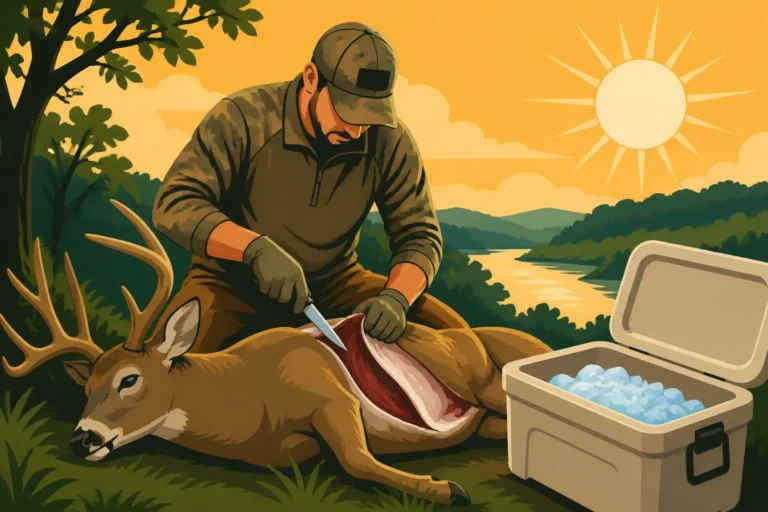
Once you've harvested a furbearer, immediate and proper field care is crucial, especially if you intend to keep the hide. The quicker you can cool the animal and get it skinned, the better the quality of the fur will be. For many furbearers like coyotes, foxes, and bobcats, you’ll want to skin them "cased," meaning you cut around the paws and anus, then pull the hide off like peeling a glove, leaving it inside out.
Avoid dragging the animal unnecessarily, as this can damage the fur. If the weather is warm, get the animal to a cool place as quickly as possible. For raccoons, their fat content means they need to be skinned and fleshed fairly quickly to prevent "grease burn" on the hide, which can ruin the fur. A sharp knife, a clean surface, and some basic knowledge of anatomy are all you need to get started with skinning.
Hide Preparation and Market Value
After skinning, the hide needs to be "fleshed" – meaning all fat and muscle tissue are carefully scraped off the skin side. This is a meticulous process, but it's essential for proper drying and preservation. Once fleshed, the hide is stretched onto a stretcher board, typically fur-side in, and allowed to dry in a cool, well-ventilated area, away from direct sunlight or heat.
The market for wild furs fluctuates significantly based on fashion trends, international demand, and harvest numbers. While fur prices have seen highs and lows, there can still be value in a well-prepared pelt. Coyotes and bobcats often command better prices than raccoons or opossums. There are fur buyers in Missouri who will purchase raw, dried furs, or you can have them tanned by a professional tannery for personal use as wall hangings, rugs, or garments. It's a great way to fully utilize your harvest and honor the animal.
Meat Utilization
While often overlooked, the meat from some furbearers, particularly raccoons and opossums, can be quite palatable when properly prepared. Many hunters turn their noses up at the idea, but a well-cooked raccoon, for example, is a traditional dish in some parts of Missouri. The key is proper handling: remove all fat from the meat before cooking, as this is where much of the "gamey" flavor resides. Soaking the meat in salt water or buttermilk for a day or two can also help draw out any unwanted flavors.
Raccoon meat is often slow-cooked, stewed, or roasted, and it has a unique, rich flavor. Opossum can be prepared similarly. While coyote and fox meat are rarely consumed, focusing on other species for culinary purposes ensures that no part of the animal goes to waste, embodying the true spirit of conservation.
| Species | Prime Habitat | Best Time to Hunt | Primary Hunting Method |
|---|---|---|---|
| Coyote | Open fields, timber edges, creek beds | Year-round, especially winter | Calling (distress/howls), Night hunting |
| Bobcat | Dense timber, rocky bluffs, thickets | Fall/Winter (prime fur) | Calling (subtle), Still-hunting, Tracking |
| Raccoon | Near water sources, mature timber | Fall/Winter (prime fur) | Hounds (night), Spotlighting |
| Fox | Farmland, mixed timber, brush | Fall/Winter | Calling (distress), Still-hunting |
| Opossum | Varied, near water and human habitation | Fall/Winter | Hounds (night), Opportunistic |
Hunting predators and furbearers in Missouri offers a unique and rewarding challenge. It pushes your skills, teaches you more about the natural world, and provides year-round opportunities when other seasons are closed. GoHunt provides excellent mapping and scouting tools that can greatly assist in locating prime furbearer habitat, helping you identify those hidden pockets of dense cover or remote creek beds where these animals thrive. So, next time you're wondering what to do between deer seasons, consider picking up a call and heading out. You might just find your new favorite way to hunt.
Disclaimer
Please note that hunting regulations, seasons, and permit requirements are subject to change. Always consult the most current Missouri Department of Conservation (MDC) regulations before engaging in any hunting activities. This guide is for informational purposes only and does not supersede official regulations.