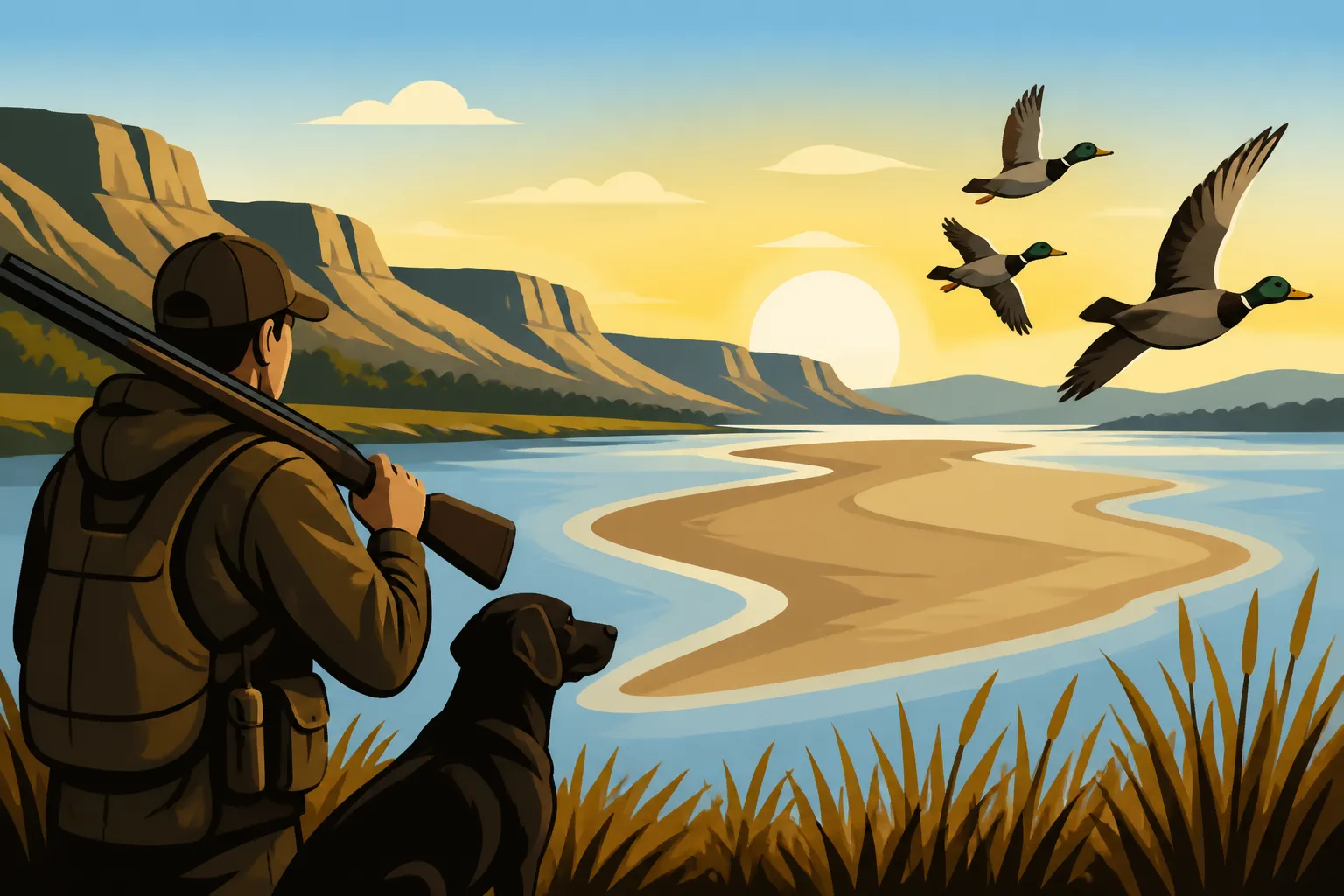
Missouri River Sandbar Access
Hunting the vast expanse of the Missouri River can be an incredibly rewarding experience, offering unique opportunities for waterfowl, small game, and even deer. However, for many hunters, the idea of accessing those tantalizing sandbars and river bottom areas feels daunting, often shrouded in confusion about public versus private land, ever-changing water levels, and the sheer logistics of getting there. This guide aims to clear up that mystery, providing actionable insights into finding, accessing, and successfully hunting the public sandbars along the Big Muddy.
The Unpredictable Nature of Missouri River Sandbars: What You Need to Know First
Let's be honest, the Missouri River isn't your average timber stand or crop field. It's a living, breathing, constantly shifting entity that presents a unique set of challenges and opportunities for hunters. The very sandbars we're talking about can appear, disappear, or completely change shape with one major flood event, making consistent scouting a real commitment. It's not a static environment, and understanding this dynamic nature is the first step toward successful hunting.
Understanding River Dynamics and Sandbar Formation
The "Big Muddy" earned its nickname for a reason – it's always moving sediment, carving new channels, and building up new landforms. Sandbars are ephemeral by nature, shaped by currents, floods, and droughts. What was a prime hunting spot last year might be underwater or completely washed away this season. This unpredictability can be frustrating, especially if you drive a long way only to find your target sandbar is no longer there or has become inaccessible. It means your scouting efforts need to be ongoing, even during the season.
Think about a spring flood, for instance. That torrent of water can scour existing sandbars down to nothing or deposit tons of new material downstream, creating entirely new features. Conversely, a prolonged drought can expose vast areas of sand and gravel that are normally submerged, opening up new access points but potentially leaving old boat launches high and dry. Knowing this helps you manage expectations and adapt your plans, rather than being surprised by the river's whims.
Navigational Hazards and River Safety Concerns
Beyond the shifting landscape, the Missouri River holds real dangers. Strong currents, submerged debris, and rapidly changing weather conditions can turn a peaceful morning into a serious situation in a hurry. You're dealing with a powerful force of nature, and respecting it is paramount. Many hunters who are used to still-water lakes or small timber creeks often underestimate the sheer power of the Missouri.
Consider the currents: even what looks like calm water can have a deceptively strong pull, making wading precarious. Submerged logs, snags, and even old wing dikes can create unpredictable hydraulics or damage watercraft. Then there's the weather. A sunny morning can quickly give way to a fierce thunderstorm, and being caught on an exposed sandbar with limited cover is not where you want to be. Cold water in late fall and winter poses a serious hypothermia risk if you or your gear end up in the drink. Always prioritize safety, and never take unnecessary risks on the river.
Navigating Public Access and Private Boundaries on the Big Muddy
One of the biggest hurdles for hunters looking to explore the Missouri River is figuring out what's public and what's private. The river bottom itself, and islands and sandbars formed within the ordinary high-water mark, are generally considered public domain due to the public trust doctrine and navigational servitude. However, the adjacent land, even if it's flooded or looks like a sandbar at certain times, is often privately owned. This creates a confusing checkerboard that requires careful navigation and good planning.
Identifying Legal Public Hunting Areas Along the River
While the river itself and many of its islands are generally open, pinpointing specific, huntable public spots requires a bit of homework. The Missouri Department of Conservation (MDC) manages numerous Conservation Areas along the river, some of which include river frontage, islands, or sandbars. Additionally, the U.S. Army Corps of Engineers (USACE) controls significant portions of the river corridor, and many of these areas are open to public recreation, including hunting.
The key is doing your research. MDC area maps, available online or at regional offices, will detail specific boundaries and any special regulations. For Corps of Engineers land, their district offices can often provide maps and information on public access points. Look for designated public boat launches, access points, and areas explicitly marked as public land. Remember, not all Corps land is open to hunting, so always verify before you go.
Utilizing Mapping Tools to Clarify Land Ownership
This is where modern technology becomes an absolute game-changer. Trying to figure out land ownership on the fly along the river is a recipe for disaster and potential trespassing charges. This is precisely the kind of frustration that digital mapping applications like onX Hunt were designed to alleviate. Before you even set foot near the river, you should be pouring over these maps.
Load up your preferred mapping app, like onX Hunt, and download the offline maps for the section of the Missouri River you plan to explore. These apps overlay property lines onto satellite imagery, clearly showing public lands (MDC, USACE) versus private parcels. You can identify potential sandbars, islands, and river bottom areas, then immediately see who owns the adjacent land. This allows you to plan your approach from legal public access points and avoid any doubt about where you're standing. GoHunt and similar platforms can also offer valuable data overlays that might further inform your scouting, such as historical water levels or satellite imagery over different seasons. This is especially helpful when dealing with fluid environments where boundaries can feel ambiguous. Checking these layers against known river levels can give you a better idea of what a "public" sandbar might look like on any given day.
Respecting Private Property and Access Points
Even when you've identified a public sandbar, getting to it might require crossing or navigating near private land. This is a critical point: while the river itself might be public, the path to the river often isn't. Always respect posted signs, fences, and private property. If a public access point is several miles upstream or downstream from your target sandbar, plan to access it via the water from that public launch. Never assume that just because you can see a sandbar from a road that you have a right to cross private fields to get to it.
If you are fortunate enough to gain permission from a landowner for access, treat that privilege with the utmost respect. Ask them about specific entry points, parking, and any concerns they might have. A good relationship with a landowner can open up tremendous opportunities for hunting Getting Private Land Permission in Missouri, but one bad experience can ruin it for everyone. Even when hunting exclusively on public lands, being a good neighbor and leaving no trace is essential to maintaining positive relations within the hunting community and with private citizens.
Strategies for Hunting the Ever-Changing Missouri River Sandbars
Once you've navigated the access puzzle, the real fun begins. Hunting Missouri River sandbars can be an incredibly dynamic experience, primarily known for waterfowl, but also offering surprising opportunities for other game. The key to success lies in adapting to the river's conditions and understanding the behavior of the animals that utilize these unique habitats.
Waterfowl Hunting on Sandbars and Islands
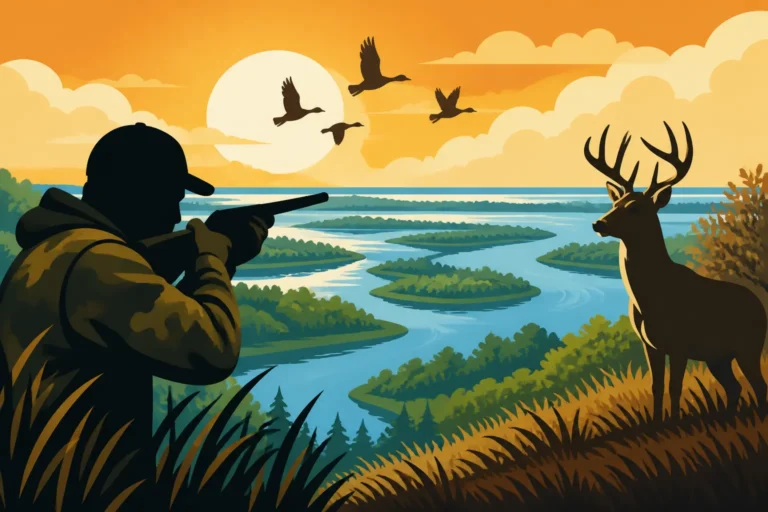
Sandbars are prime real estate for migrating ducks and geese. They offer loafing areas, protection from predators, and sometimes even feeding opportunities in shallow water or adjacent mudflats. Hunting these spots effectively means understanding how to use decoys, blinds, and the element of surprise. Hunting Missouri River Sandbars for Ducks often means a different approach than hunting timber holes.
When setting up for ducks, consider prevailing winds and the flight paths of birds you've scouted. Often, a small spread of duck decoys, perhaps a dozen or two, set up along the downwind edge of the sandbar in shallow water can be incredibly effective. Geese, on the other hand, might require a larger spread of full-body decoys on the sand itself. Concealment is paramount. Natural cover can be sparse on a sandbar, so bringing a portable blind or some camo netting to brush in with driftwood or tall grass is usually necessary. Sometimes, simply digging a shallow depression in the sand and covering yourself with a tarp can work, but prepare for it to be cold! Don't forget that Missouri's September Teal Season can also offer early action on these river features before the main migration.
Scouting for Other Game Opportunities
While waterfowl often dominate the conversation for river hunting, sandbars and adjacent river bottoms can hold other game species as well. Deer, for example, frequently use river corridors as travel routes, especially during the rut. A secluded island or a wide sandbar backed by heavy timber can serve as a bedding area or a crossing point for a whitetail buck. Reading Aerial Photos for Ozark Deer can be applied to river bottomland as well, looking for pinch points or travel corridors.
Small game like rabbits and squirrels might inhabit brushy islands or overgrown banks if there's enough vegetation. Even predators like coyotes might traverse these areas in search of food. When scouting for waterfowl, always keep an eye out for tracks, rubs, scrapes, and other signs of terrestrial game. You might be surprised what passes through these seemingly barren landscapes. If the sandbar is large and covered in enough vegetation, it could even hold a pheasant or two if it's within Missouri's Short Pheasant Season Runs range.
Understanding River Levels and Their Impact
The water level of the Missouri River is perhaps the single most important factor influencing sandbar hunting. High water can submerge sandbars, make access difficult, and scatter waterfowl. Low water can expose vast new areas, but also create shallow conditions that make boating challenging and might push birds to deeper sections. Pay close attention to river gauge reports and historical data.
Here’s a simplified breakdown of how water levels might affect your hunting:
| Water Level Scenario | Impact on Sandbars & Access | Hunting Implications |
|---|---|---|
| High Water (Flooding) | Sandbars submerged or reduced significantly; strong currents; increased debris. | Limited sandbar hunting; focus shifts to flooded timber/fields; dangerous boating. |
| Moderate/Normal Levels | Good sandbar exposure; accessible by most boats; predictable current. | Ideal for decoy hunting ducks/geese; diverse access options; better for scouting adjacent areas. |
| Low Water (Drought) | Many large sandbars exposed; very shallow channels; difficult boat navigation. | Excellent for wading/jump shooting; might expose new hunting ground; watch for prop damage. |
Flooding and Access on Missouri Rivers is a constant concern, and it underscores the need for constant monitoring of conditions. A week of heavy rain upstream can completely change the river's character in just a day or two. Being flexible with your plans and having backup spots is crucial.
Essential Gear, Safety, and River Etiquette for Sandbar Hunting
Hunting the Missouri River isn't like hunting a woodlot behind your house. It demands specific gear, a heightened awareness of safety, and a deep respect for the river and other users. Don't skimp on preparation, because the consequences of being unprepared on a major river can be severe.
Navigational Tools and Emergency Equipment
A reliable boat is often your primary mode of transportation for reaching sandbars. This could be a john boat with an outboard, a kayak, or even a canoe, depending on the current and the distance. Make sure it's river-worthy and equipped with all required safety gear, including life jackets (PFDs) for everyone on board, throwable flotation devices, navigation lights (if hunting before sunrise or after sunset), and a fully charged cell phone (though service can be spotty in some river bottoms). A powerful spotlight can be invaluable for navigating in the dark or spotting retrieves.
Beyond the boat, a good GPS unit or a mapping app like onX Hunt on your phone is non-negotiable. The river can be disorienting, especially in low light or fog, and sandbars can look similar. Mark your put-in point, your hunting spot, and any hazards you notice. If you're venturing far from public access, consider carrying a two-way radio or satellite messenger for emergencies, as cell service isn't always reliable.
Clothing, Waders, and Blind Considerations
Dress in layers, always. Temperatures on the river can fluctuate wildly, and the wind can cut right through you, even on a moderately warm day. Waterproof outer layers are a must, as you're likely to encounter spray, rain, or dew. Waders for Missouri Flooded Timber are just as essential for river sandbar hunting – you'll need them for setting decoys, retrieving birds, and navigating shallow spots. Breathable waders are great for early season, but neoprene is often preferred for colder late-season hunts.
As mentioned earlier, natural cover on sandbars can be minimal. Bringing a portable blind or sufficient camo netting to conceal yourself and your gear is crucial. Look for driftwood, tall grasses, or small willow clumps on the sandbar itself to help break up your outline. Remember to pack out everything you pack in, leaving no trace of your presence. This includes spent shells, decoy line, and any trash.
Respecting the River and Fellow Users
The Missouri River is a shared resource. You'll encounter other hunters, anglers, pleasure boaters, and commercial traffic (barges). Be courteous and respectful of everyone's right to enjoy the river. Give barges a wide berth – they cannot maneuver quickly, and their wake can be significant. If another hunting party is already set up on a sandbar, find another spot. There's plenty of river to go around.
Always adhere to all hunting regulations, including bag limits (Missouri Duck Daily Bag Limit), shooting hours, and hunter orange requirements if deer hunting or during specific firearms seasons (Missouri Hunter Education and Orange Rules). Remember, the river's dynamic nature means that regulations might sometimes feel complicated, but they are there for a reason – for safety, conservation, and fair chase. A little extra planning and preparation will ensure a safe, legal, and enjoyable hunt on the Missouri River.
Disclaimer
This article is for general informational purposes only and does not constitute professional advice. Laws, prices and regulations vary by location and change over time. Consult a qualified professional for guidance on your specific situation.