Treestand Rules on Missouri Public Land
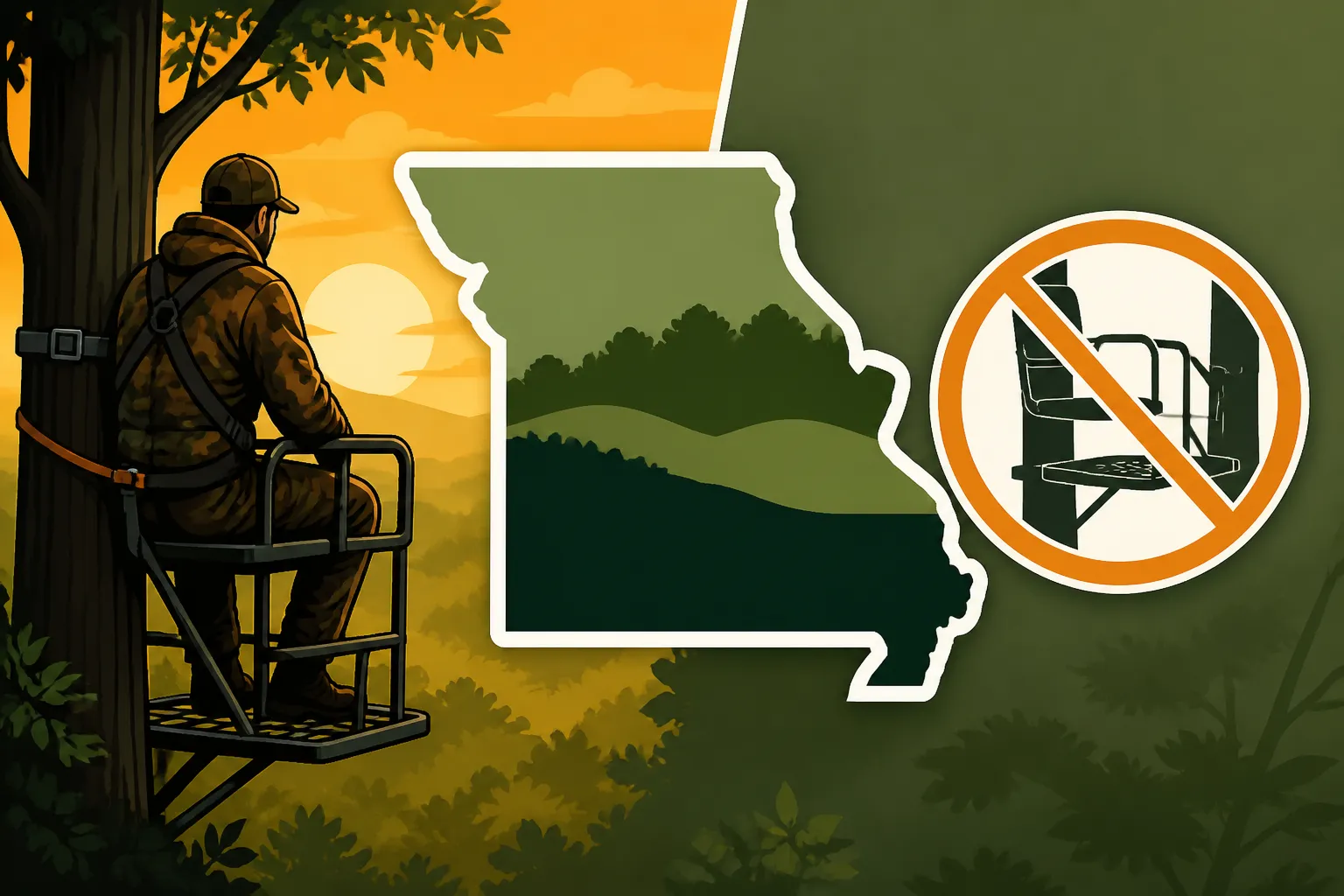
Ah, the trusty treestand! It’s a classic for a reason, offering that invaluable elevated perspective that can make all the difference when you’re trying to spot a sneaky whitetail buck or get a better shot angle. But let's be real, the moment you start thinking about setting up a stand on public land here in Missouri, a little voice in your head probably pipes up with a dozen questions about rules and regulations. It’s enough to make your head spin, trying to figure out what’s allowed, what’s not, and how long you can even leave it out there without getting into trouble. This guide is here to untangle all those often-confusing rules, specifically focusing on treestand use on Missouri public lands, so you can hunt confidently and legally.
The Basics: What You Can and Can't Leave Behind
When it comes to hunting on public land, one of the biggest hurdles is understanding the distinction between gear you can use and gear you can leave. Public land is a shared resource, and the rules are designed to ensure fair access for everyone, minimize impact on the environment, and prevent clutter or abandonment of equipment. This is where treestands often fall into a tricky gray area if you're not careful.
Temporary Versus Permanent Stands
The core of most public land treestand regulations boils down to whether your setup is considered "temporary" or "permanent." A temporary stand is generally one that can be easily removed and is not designed to alter the tree or landscape in a lasting way. Think about hang-on stands that use straps, or climbing stands you pack in and out. These are typically allowed, with strict time limits on how long they can remain unattended.
On the other hand, "permanent" stands are almost universally prohibited. These are the kinds of stands that involve nailing boards into a tree, constructing a platform that permanently alters the tree, or leaving a stand out for months on end. The reason for this prohibition is clear: permanent structures can damage trees, pose a hazard to other users, and essentially claim a piece of public land as your own, which goes against the spirit of shared access. For instance, imagine a scenario where you spend a weekend hunting, pack out your deer, but leave your hang-on stand strapped to a tree. If the rules state a maximum of 14 days, you need to be back within that timeframe to retrieve it. If you left a wooden ladder stand built into a tree with lag bolts, that would be a clear violation from day one, regardless of how long it's been there. It's about minimizing impact and ensuring the land remains wild and accessible for future generations of hunters and outdoor enthusiasts.
Damage to Trees and Habitat
Beyond the temporary versus permanent distinction, many rules specifically address how your treestand setup interacts with the tree itself. You see, public land managers work hard to maintain healthy forests, and anything that significantly damages a tree, or even just its bark, can open it up to disease, pests, or structural weakness. This is why you'll find strict prohibitions against using nails, screws, or any device that penetrates the bark of a tree to attach a stand or climbing aid.
This means those old-school screw-in steps are generally a big no-go on most public hunting grounds in Missouri. Instead, hunters are expected to use stands and climbing sticks that utilize straps, chains, or other non-penetrating attachment methods. These methods are designed to hold the stand securely without causing permanent harm to the tree. It’s not just about the specific tree you're using; it’s about the overall health of the timber resource that supports the wildlife we all love to hunt. Picture trying to set up a stand in a beautiful oak grove, only to find multiple trees scarred and rotting from years of improper stand use. These rules help prevent that. When you're considering your Treestand Setups in Hardwood Timber, always opt for gear that respects the tree.
Labeling Requirements for Stands
Here’s a rule that often gets overlooked, but it’s incredibly important: any portable stand or blind that you leave on public land, even temporarily, almost always needs to be clearly labeled with your name and address, or your Conservation ID number. This simple act serves a couple of crucial purposes. First, it allows conservation agents to easily identify the owner of the stand. If there's an issue – perhaps the stand has been left for too long, or it's causing damage – they know who to contact.
Secondly, and just as importantly, it helps prevent confusion and potential theft. While most hunters are respectful, an unlabeled stand can sometimes be mistaken for abandoned property or, unfortunately, can become a target for those with less-than-honorable intentions. Having your information on it clearly marks it as yours. Always make sure this label is durable, weatherproof, and easy to read. A simple metal tag or a laminated card attached securely to the stand usually does the trick. It’s a small detail that can save you a big headache down the road.
Specific Rules by Public Land Type in Missouri
Missouri is blessed with a diverse array of public hunting lands, from expansive Conservation Areas managed by the Missouri Department of Conservation (MDC) to portions of the Mark Twain National Forest. While there’s often overlap in the general philosophy behind treestand rules, the specifics can vary depending on who manages the land. It’s never a bad idea to double-check the rules for the specific area you plan to hunt, especially if it’s a new spot for you.
Missouri Conservation Areas (MDC CAs)
Our beloved Missouri Conservation Areas Explained are some of the most popular hunting destinations in the state, and the MDC has pretty clear-cut rules regarding treestands. Generally, on MDC-managed lands, portable stands and blinds are allowed, but they must be removed from the area within 14 days of being placed. This "14-day rule" is a common one, designed to ensure stands aren't left indefinitely and to prevent individuals from effectively "reserving" a spot for an entire season. This applies to both the stand itself and any associated climbing aids, like strap-on climbing sticks. All components must adhere to the non-damaging principle; no nails, screws, or anything that pierces the bark.
Additionally, as mentioned earlier, any stand left overnight must be clearly labeled with your full name and address, or your Conservation ID number. It’s a good practice to put this on both the stand itself and any separate climbing sticks. The MDC actively patrols these areas, and unattended, unlabeled, or improperly used stands may be removed and confiscated by agents. Imagine the frustration of planning a hunt, driving hours, and finding your stand gone because you forgot to put your name on it or left it out too long! While some specific areas, like those involved in Managed Hunt Draws on Missouri Wetlands, might have unique restrictions, the 14-day rule and labeling requirements are fairly universal across most CAs for deer hunting.
Mark Twain National Forest
The Mark Twain National Forest offers vast stretches of public hunting ground, particularly in the rugged Ozarks. While the general principles of temporary, non-damaging use still apply, the U.S. Forest Service, which manages the Mark Twain, often has slightly different specifics than the MDC. For instance, the USFS might be more lenient on the duration a stand can be left (often up to a certain number of months, or even year-round in some areas, though still requiring removal before the next season), but they are absolutely strict on tree damage.
On Mark Twain National Forest Hunting lands, you are still prohibited from using nails, screws, or any method that would damage a tree. This means no screw-in steps, no cutting branches to clear shooting lanes from your stand (unless explicitly permitted and only for very minor branches), and no building permanent structures. The emphasis here is on minimal impact. While you might be able to leave a portable stand for a longer period than on an MDC area, it still must be genuinely portable and non-damaging. Always check with the specific Ranger District that manages the area you plan to hunt, as localized rules or alerts can sometimes apply. This is where tools like GoHunt can be incredibly useful, allowing you to quickly check land ownership and often providing links to local regulations or alerts for specific public tracts.
Other Public Lands
Beyond MDC Conservation Areas and the Mark Twain National Forest, Missouri has a smattering of other public hunting opportunities managed by various entities. This could include lands managed by the U.S. Army Corps of Engineers (around major lakes like Truman, Stockton, or Table Rock), certain National Wildlife Refuges, or even some local county or city properties.
The critical takeaway for these "other" public lands is this: always, always check the specific regulations for that particular area. There is no one-size-fits-all rule when you venture beyond the two main public land managers. For example, some Army Corps lands might have different rules regarding stand placement or duration, and most National Wildlife Refuges have highly specific, often more restrictive, rules that can even prohibit stands entirely in certain zones, or require them to be removed daily. If you're considering Hunting Missouri River Sandbars for Ducks or other unique areas, these often come with their own distinct rules about what can be left behind. Ignorance of the rules is never an excuse, and a quick call to the managing agency or a thorough check of their website can save you from a citation or the loss of your gear.
Practical Tips for Staying Legal and Safe
Navigating treestand rules on public land doesn’t have to be a daunting task. With a little planning and attention to detail, you can set yourself up for a safe, successful, and legal hunt. It’s all about being informed and respectful of the shared resource.
Scouting and Stand Placement with Rules in Mind
Effective scouting is the cornerstone of successful public land hunting, and it’s also your first line of defense against rule violations. Before you even think about hanging a stand, spend ample time on the ground exploring your chosen area. Use resources like the Missouri Conservation Atlas or online mapping tools like GoHunt to identify property boundaries, check for any special regulations specific to that tract, and pinpoint potential stand locations. These tools can often show you topographic features, timber types, and even past aerial imagery to help you read the landscape.
When you're out there, look for trees that are suitable for your stand without needing to cut branches or drive anything into the trunk. This often means looking for relatively straight trees with open shooting lanes already present, or where a slight shift in stand height can eliminate an obstruction. Consider the wind and thermals, especially in the rugged terrain of the Ozarks; knowing Wind and Thermals in Ozark Hills is crucial for both success and scent control. By scouting thoroughly and planning your stand placement with these rules in mind, you'll find great spots while ensuring you're compliant. Don't just look for deer sign; look for the perfect, compliant tree.
Choosing the Right Stand and Accessories
The gear you choose can significantly impact your ability to stay legal and safe on public land. When selecting a treestand, prioritize portability and ease of setup/takedown. Hang-on stands, often used with climbing sticks, are incredibly popular because they're lightweight, versatile, and can be removed relatively quickly. Climber stands are also excellent for their self-contained nature, allowing you to move to different trees as needed without extra climbing aids. Ladder stands, while comfortable, are generally less practical for public land due to their bulk and difficulty in moving and adhering to the 14-day removal rule.
Crucially, ensure all your attachment methods are tree-friendly. Quality straps and cam buckles are your best friends here. Avoid any stand that requires bolts, screws, or nails for installation. This applies to climbing aids too – stick with strap-on steps or sections of climbing sticks that wrap around the tree. And let’s not forget the most critical piece of equipment for any treestand hunter: a safety harness. Always wear one, and always be attached to the tree from the moment your feet leave the ground until they return. Invest in a good Safety Harnesses and Lifelines system; it's non-negotiable for safety. While not a rule enforced by conservation agents, it's a rule of responsible hunting that could save your life.
Retrieval and Dealing with Conflicts
One of the less enjoyable aspects of public land hunting can be dealing with other hunters or potential issues with your gear. It’s essential to remember that even if you’ve followed all the rules and labeled your stand, others might not respect it. If you arrive at your spot and find someone else in your stand, or even hunting too close for comfort, always de-escalate. Public land is shared, and while you may have a favorite spot, you don't own it. If you suspect theft or vandalism of your labeled stand, contact the local conservation agent. Never engage in confrontation; it can quickly turn a frustrating situation into a dangerous one.
Timely retrieval of your stand is also paramount. Missing the 14-day deadline on MDC land can lead to confiscation. Set reminders on your phone or mark it on your calendar. Life happens, of course, but planning ahead can help. If severe weather, an unexpected illness, or another emergency prevents you from retrieving your stand on time, contact the local MDC office immediately. They may offer guidance or make a note of your situation, which could prevent confiscation. Being proactive and communicating with the authorities goes a long way. Ultimately, respecting the rules about Blinds and Stands on Missouri Public Land ensures the resource remains available for everyone, and we can all enjoy the rich hunting traditions Missouri offers.
| Feature | Missouri Conservation Areas (MDC) | Mark Twain National Forest (USFS) |
|---|---|---|
| Stand Type | Portable hang-on, climber, or ladder stands allowed. | Portable hang-on, climber, or ladder stands allowed. |
| Attachment | Straps, chains, or other non-damaging methods only. No nails/screws. | Straps, chains, or other non-damaging methods only. No nails/screws. |
| Tree Damage | Prohibited (no altering, cutting, or damaging trees). | Prohibited (no altering, cutting, or damaging trees). |
| Duration | Must be removed within 14 days of placement. | Often more lenient (e.g., several months, but check specific district). |
| Labeling | Required: Hunter's name, address, or Conservation ID number. | Generally required: Hunter's name and address. |
| Removal | Must be removed by hunter to avoid confiscation. | Must be removed by hunter. |
| Local Rules | Check specific CA brochures; some unique rules may apply. | Check specific Ranger District for local variations or seasonal limits. |
Disclaimer
This article is for general informational purposes only and does not constitute professional advice. Laws, prices and regulations vary by location and change over time. Consult a qualified professional for guidance on your specific situation.