First Aid Kits for Remote Ozark Ground
There's nothing quite like the solitude and raw beauty of hunting in the Missouri Ozarks, but that wildness comes with a real catch: you're often miles from the nearest road, let alone a hospital. When you're deep in a hollow or cresting a timbered ridge, a simple mishap can quickly turn into a serious emergency if you're not prepared. This guide is all about helping you assemble a first aid kit specifically designed for the remote, rugged challenges of Ozark hunting, ensuring you can handle those unexpected moments far from civilization.
Why the Ozarks Demand a Robust First Aid Kit
The Ozarks are an incredible place to pursue deer, turkey, and small game, but it’s not your manicured city park. We’re talking about steep, rocky terrain, dense timber, and water crossings that can suddenly swell after a rain. Cell service is notoriously spotty, turning your smartphone into little more than a camera or an offline map viewer the moment you drop into a draw. This isn't just an inconvenience; it's a critical factor when something goes wrong. If you twist an ankle on a hidden rock, get a deep cut from a broadhead, or have an allergic reaction to a hornet's nest you stumbled into, those minutes and hours of travel back to your truck, and then to the nearest urgent care, can feel like an eternity.
When you're out there, whether you're navigating a brushy creek bottom or still-hunting a ridge, you're embracing an environment where you are, by definition, on your own for a significant amount of time. Even a minor injury, like a deep briar scratch that gets infected, can sideline your hunt and become a real pain later. More serious issues, such as a compound fracture from a fall or a severe laceration, require immediate and effective intervention to stabilize the situation and prevent it from worsening while you wait for assistance or make your way out. Understanding the inherent risks of this beautiful, wild landscape is the first step in preparing for them. Tools like The Missouri Conservation Atlas or a detailed mapping application can help you visualize just how remote your planned hunting spot is, reinforcing the need for solid self-reliance.
Essential Components of Your Ozark First Aid Kit
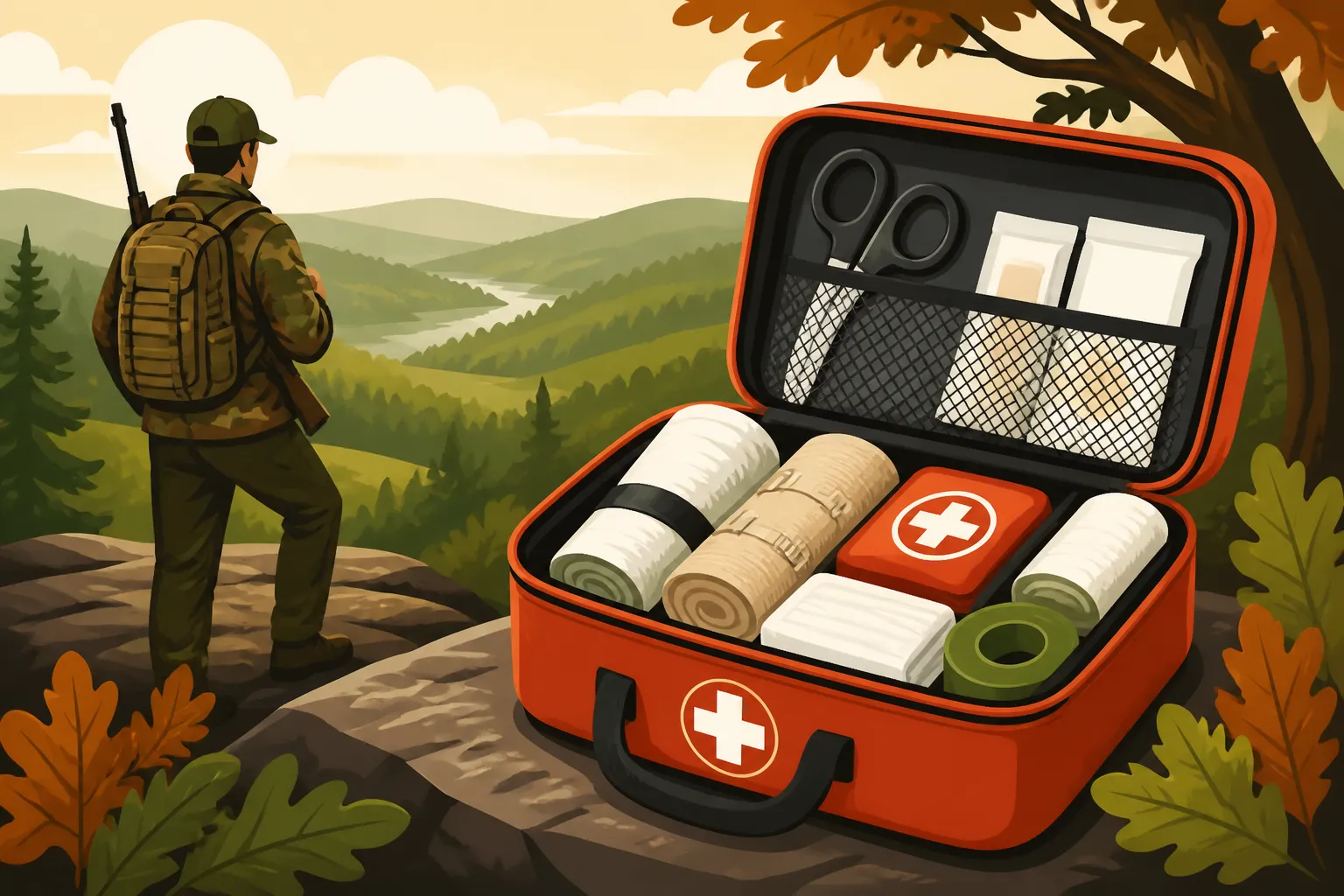
Building a first aid kit for the Ozarks isn't about throwing a few band-aids into a Ziploc bag. It’s about being deliberate and comprehensive, anticipating the kinds of injuries you might realistically encounter. Think beyond the superficial and consider what you'd truly need to manage a more serious situation for hours, or even overnight, until help arrives or you can self-evacuate.
Wound Care Basics
This is the bread and butter of any first aid kit, and it's particularly important when you're moving through brush and thick timber. Cuts and scrapes are inevitable, and preventing infection is paramount.
- Assorted Bandages: From small adhesive strips for minor nicks to larger, more robust bandages for bigger scrapes. Make sure you have a variety of shapes and sizes.
- Sterile Gauze Pads: These are crucial for applying pressure to bleeding wounds and keeping them clean. Include both smaller 2×2 or 3×3 pads and larger 4×4 pads.
- Medical Tape: Essential for securing gauze and bandages. Look for waterproof or highly adhesive tape that will hold up in damp or dirty conditions.
- Antiseptic Wipes or Solution: Individually wrapped antiseptic wipes (like BZK or alcohol pads) are great for cleaning wounds. A small bottle of antiseptic solution like povidone-iodine or chlorhexidine can be good for more thorough cleaning once bleeding is controlled.
- Butterfly Closures or Steri-Strips: For closing smaller, cleaner lacerations that might otherwise need stitches. These can help prevent infection and reduce scarring until professional medical care can be sought.
- Moleskin or Blister Pads: Anyone who has walked miles through the Ozark hills knows how quickly a blister can form and ruin a hunt. These are lifesavers for preventing and treating blisters.
Pain, Inflammation, and Allergies
Beyond direct injuries, discomfort and reactions can quickly become debilitating. Carrying a few over-the-counter medications can make a huge difference in comfort and safety.
- Pain Relievers/Anti-inflammatories: Ibuprofen (Advil, Motrin) and acetaminophen (Tylenol) are non-negotiables. Ibuprofen helps with both pain and inflammation, which is common with sprains or muscle strains from a long day on rugged ground.
- Antihistamines: Diphenhydramine (Benadryl) is critical. If you or a hunting partner get stung by hornets or yellow jackets – a common occurrence when disturbing old logs or brush piles – an allergic reaction could range from uncomfortable itching to life-threatening anaphylaxis. Carry both oral pills and a topical anti-itch cream.
- Hydrocortisone Cream: For insect bites, poison ivy, or other skin irritations that can cause intense itching and discomfort.
- Anti-Diarrhea Medication: Sometimes it's not an injury, but an upset stomach that can put an end to your hunt. Loperamide (Imodium) can be a hunt-saver.
Sprains and Fractures
The Ozarks are unforgiving, and falls are a real risk. A twisted ankle or a broken bone needs immediate stabilization.
- Elastic Bandages (Ace Wraps): For supporting sprained ankles, wrists, or knees. Make sure to have a few different widths.
- Splinting Material: A flexible, moldable splint (like a SAM splint, a common brand) is compact and can be cut to size to stabilize fractures of arms, legs, or fingers. Duct tape or medical tape can be used to secure it.
- Athletic Tape: Stronger than medical tape, useful for reinforcing elastic bandages or providing extra support for strained joints.
Tools and Extras
These are the small but mighty items that complete your kit and enhance its functionality.
- Small Scissors or Shears: Trauma shears are ideal for cutting clothing or tape.
- Tweezers: For removing splinters, tick removal, or small debris from wounds.
- Disposable Gloves: Always use these when dealing with blood or bodily fluids, both for your safety and the injured person's.
- CPR Face Shield: For administering CPR safely.
- Small Flashlight or Headlamp: Absolutely essential if an emergency happens at dusk or after dark. Getting injured and being stuck in the dark is a recipe for panic.
- Emergency Whistle: For signaling for help if you're lost or incapacitated. Three short blasts is a universal distress signal.
- Emergency Blanket (Mylar): For treating shock or hypothermia, which can set in even on mild days if someone is injured and immobile. Cold Weather Sitting Strategy might discuss this further.
- Waterproof Bag or Container: All of this needs to be kept dry and protected. A dedicated, waterproof medical bag or a sturdy dry bag is crucial.
Prescription and Personal Medications
This is highly individualized, but critically important. Always pack at least a day's supply of any prescription medications you or your hunting partners regularly take. If anyone has severe allergies (like to bee stings), an EpiPen should be a non-negotiable item. Be realistic about what you need for chronic conditions like diabetes or heart issues.
Here’s a quick overview of what a basic versus a more comprehensive kit might look like:
| Category | Basic Ozark Kit | Comprehensive Ozark Kit (Recommended) |
|---|---|---|
| Wound Care | Assorted bandages, gauze, antiseptic wipes, tape | Basic + larger pads, butterfly closures, irrigation syringe, wound closure strips |
| Pain/Allergies | Ibuprofen, Benadryl (pills), anti-itch cream | Basic + Acetaminophen, hydrocortisone, anti-diarrhea, EpiPen (if needed) |
| Sprains/Fractures | Ace bandage, athletic tape | Basic + SAM splint, additional elastic bandages, triangular bandages |
| Tools/Extras | Scissors, tweezers, gloves, whistle, emergency blanket | Basic + small headlamp, CPR shield, permanent marker, small mirror, duct tape |
| Personal Meds | Daily prescriptions | Daily prescriptions + any specific medical condition supplies (e.g., inhaler, glucose tabs) |
Customizing Your Kit for Specific Ozark Hunting Scenarios
Not all hunting trips are created equal, and your first aid kit can benefit from some tailoring based on the game you're pursuing and the conditions you expect.
Bowhunting and Firearms Season Considerations
When you’re Bowhunting Missouri's Four-Month Archery Season, the risks are slightly different than during Missouri's Eleven-Day November Firearms Deer Season. With archery, the potential for deep lacerations from broadheads—either accidentally cutting yourself or needing to address a wound on an animal or person—is a significant concern. Consider adding a small hemostatic gauze or trauma dressing designed to stop severe bleeding. These are not cheap, but they can be a lifesaver in a worst-case scenario. For firearms season, while self-inflicted gunshot wounds are rare with proper gun safety, they are catastrophic. Hearing protection issues, however, are more common; carry extra earplugs to prevent ringing or damage from unexpected shots.
Beyond the immediate injury, think about extraction. A downed deer in rugged terrain means more time spent in the woods, potentially after dark. Having your kit readily accessible and a plan for field dressing and cooling the animal, perhaps even using methods like the gutless method, becomes part of your overall safety strategy.
Small Game and Upland Hunting
If you’re out Walking Missouri Quail Cover With a Dog or hunting squirrels and rabbits, you're likely moving through dense brush, briar thickets, and over uneven ground. Your kit should emphasize preventing and treating common issues:
- Briar Scratches and Cuts: More antiseptic wipes and perhaps some liquid bandage for sealing small cuts to prevent infection.
- Snake Bites: While extremely rare, venomous snakes are present in the Ozarks. Knowing the local species and having a basic understanding of snakebite first aid (immobilize, keep below heart, seek immediate medical attention – no tourniquets or cutting!) is important. A pressure immobilization bandage might be considered, but generally, speedy transport to a medical facility is key.
- Dog First Aid: If you hunt with a canine companion, their needs are just as important. A separate small kit for your dog should include items like paw balm, antiseptic spray for cuts, vet wrap, and possibly an emergency muzzle if they are in pain and might bite. Consider items that help with removing foxtails or burrs that get stuck in their fur or paws.
Weather-Related Concerns
Missouri weather is notoriously unpredictable. A beautiful crisp morning can turn into a cold, driving rain by afternoon.
- Hypothermia Prevention: Beyond the emergency blanket, carrying an extra dry base layer, a compact rain jacket, and even a small hand warmer can be vital if you're injured and immobile.
- Heat Exhaustion/Stroke Treatment: For early season hunts, especially during dove season in September, heat can be a major factor. Electrolyte packets, a small spray bottle for cooling, and knowing the signs of heat stress are important. Make sure you have enough water for prevention, too.
Training, Maintenance, and Mindset
Having the best first aid kit in the world is like owning a high-tech rifle without ever patterning it – it's practically useless without knowledge and preparation.
First Aid Training
This is perhaps the most critical component. A well-stocked kit in the hands of someone who doesn't know how to use it effectively is a tragedy waiting to happen. Consider investing in a basic first aid and CPR course. Even better, look for wilderness first aid certifications. These courses are specifically designed for situations where medical help is hours away, teaching you how to improvise, manage prolonged care, and make critical decisions under pressure. Understanding how to properly immobilize a limb, control severe bleeding, or recognize the signs of shock or anaphylaxis will give you the confidence and competence to act decisively when it truly matters. There are excellent online and in-person courses available that are geared towards outdoor enthusiasts.
Regular Kit Maintenance
Your first aid kit isn't a "set it and forget it" item. It needs regular attention, just like your hunting gear.
- Check Expiration Dates: Medications, antiseptic wipes, and even sterile dressings have expiration dates. Replace anything that's expired.
- Replenish Used Items: After every trip, take stock. If you used a bandage or a pain pill, replace it immediately. You don't want to find yourself short when you truly need it.
- Waterproofing and Organization: Ensure your kit's container is still waterproof and that all contents are neatly organized and easy to find, even in the dark or under stress. Label compartments if necessary.
- Seasonal Adjustments: Consider what you're hunting and when. You might need more blister treatment for early season scouting, or more comprehensive hypothermia gear for late-season deer hunting in Hunting Missouri Deer in Deep Snow.
Emergency Communication and Trip Plans
Even the most robust first aid kit has its limits. When things get truly dire, you need a way to call for help and ensure someone knows where you are.
- Satellite Communicators: In many parts of the Ozarks, your cell phone is a paperweight. A dedicated satellite communication device (like a Garmin inReach or a SPOT device) is a game-changer. These allow you to send SOS messages, communicate via text with emergency services or loved ones, and often track your location, even without cell service. These devices aren't cheap, but they are priceless in an emergency.
- Fully Charged Phone and Power Bank: Always carry your phone fully charged, even if you don't expect service. There might be a ridge top with a faint signal, and it's essential for a last-ditch call. An external battery bank can give your phone multiple charges.
- Leave a Detailed Trip Plan: This is non-negotiable. Before you head out, tell someone trustworthy exactly where you're going, your intended route, when you expect to be back, and who you're with. Include details about your vehicle and any known medical conditions in your party. If you're using a mapping app, like one often provided by services such as GoHunt, share your route and pin your vehicle's location. This proactive step can shave critical hours off a search and rescue operation if you don't return as planned. Scouting Missouri Public Land Before Season becomes even more important when considering these aspects.
The Buddy System and Mindset
Hunting with a partner, especially in remote areas, significantly increases safety. Two sets of eyes are better than one for spotting hazards, and two people can assist each other in an emergency. If you must hunt alone, be extra cautious and conservative in your actions. Understanding your own physical limits and being honest about the risks of a particular climb or shot is part of a responsible hunting mindset. The Ozarks will always be there, but your safety is paramount.
Disclaimer
This article is for general informational purposes only and does not constitute professional advice. Laws, prices and regulations vary by location and change over time. Consult a qualified professional for guidance on your specific situation.