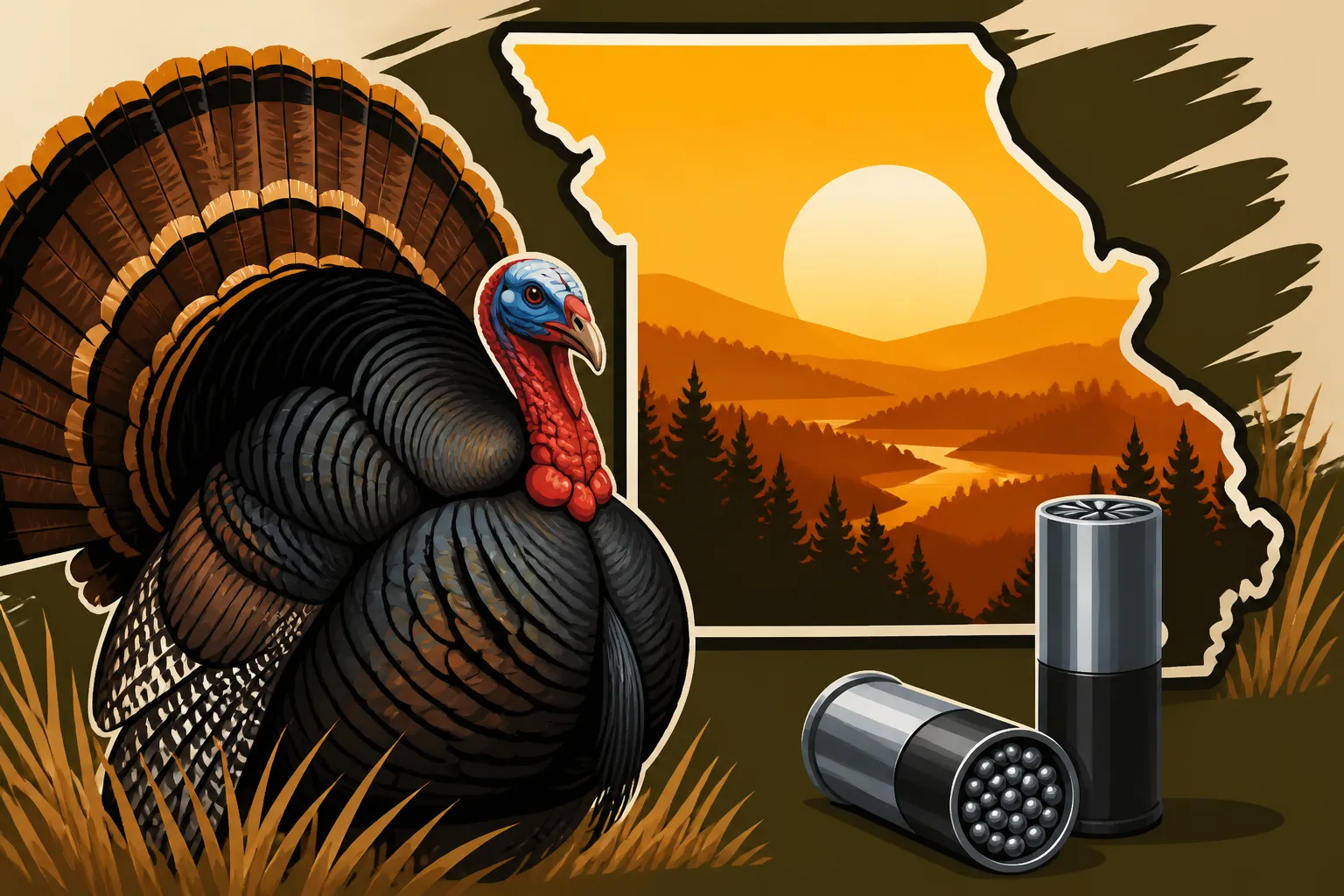
Tungsten Turkey Loads Worth the Price
Every spring, as the dogwoods bloom and the gobblers start sounding off, a familiar question begins to echo in the minds of Missouri turkey hunters: "Are these new, super-expensive tungsten turkey loads really worth the price?" It's a genuine dilemma. You want to be ethical, efficient, and successful in the field, but staring at a box of shells that costs more than a decent dinner out can make anyone pause. This guide is here to break down the reality of tungsten turkey loads, exploring what makes them different, where they excel, and whether they truly deserve a spot in your vest for chasing Missouri's longbeards.
The Tungsten Revolution: What Makes These Loads So Different (and Pricey)
For generations, lead shot was the gold standard for turkey hunting. Then, as concerns about lead's environmental impact grew and advancements in ammunition technology pushed forward, we saw the rise of alternatives like bismuth and various tungsten alloys. But tungsten, in particular, has really taken the turkey hunting world by storm, commanding a premium price that makes many hunters wonder if it's just marketing hype. Let's dig into why these loads stand out.
Density is the Name of the Game
The secret sauce of tungsten lies in its incredible density. To put it simply, tungsten is significantly denser than lead, and even denser than bismuth. Imagine holding a lead fishing sinker in one hand and a tungsten sinker of the exact same size in the other; the tungsten one will feel noticeably heavier. Why does this matter for turkey hunting?
Higher density means that for any given shot size, a tungsten pellet carries more mass. More mass translates directly to more energy downrange. It retains velocity better, resists wind drift more effectively, and most importantly, it hits harder when it reaches your target. This superior energy transfer means devastating knockdown power on a gobbler, even at distances where traditional lead shot might start to lose its punch. It also allows manufacturers to use smaller shot sizes (like #7 or #9) that can still penetrate deeply and carry enough energy to consistently break bones and impact vital organs. This results in incredibly tight, consistent patterns and a greater number of pellets in the kill zone.
The Manufacturing Process and Material Costs
So, if tungsten is so great, why isn't everyone shooting it? The cost, plain and simple. Tungsten is not only a naturally expensive material, but the process of turning it into tiny, perfectly spherical shot pellets is also incredibly complex and adds significantly to the final price tag. Unlike lead, which can be melted and dripped to form shot, tungsten requires specialized processes that involve sintering and other advanced manufacturing techniques.
These methods are energy-intensive and require precision engineering. When you combine the raw material cost with the intricate production, it's easy to see why a box of tungsten loads can set you back considerably more than a box of lead or even bismuth shells. It's not just a fancy new metal; it's a high-tech marvel of modern ammunition engineering, and that kind of technology comes at a cost.
Real-World Performance on Missouri Gobblers
Out in the field, when that wary Missouri longbeard finally steps into range, what does all this technical jargon really mean for you? It means confidence. With a properly patterned tungsten load, you can expect an extremely dense, consistent pattern that puts a high pellet count into a turkey's head and neck. This isn't just about killing turkeys; it's about ethical, clean kills.
When you hit a gobbler with a tungsten load, the sheer energy and number of pellets delivered to the vitals dramatically reduce the chance of a crippled bird. This becomes particularly noticeable in situations where a gobbler hangs up at 40 or even 50 yards, a range that can be pushing the limits for some lead loads. With tungsten, hunters often report seeing birds drop "like a sack of potatoes," with minimal flopping. This level of terminal performance brings peace of mind, knowing you've done everything you can to ensure a quick, humane harvest. It's why many experienced hunters consider them an investment in ethical hunting.
Is the Juice Worth the Squeeze? Evaluating the Investment
Now for the million-dollar question: Is spending that extra money on tungsten loads genuinely worth it for a Missouri turkey hunter? The answer, like most things in hunting, isn't a simple yes or no. It depends on your hunting style, your budget, and what you prioritize in the field. Let's break down the factors that influence this decision.
The Cost-Benefit for Different Hunters
For a brand-new hunter just getting into the sport, or someone hunting on a very tight budget, the initial outlay for tungsten loads might seem prohibitive. They might prefer to put that money towards other essential gear, like a good call or a comfortable seat. And honestly, that's perfectly understandable. You absolutely can kill turkeys with traditional lead or even bismuth loads. Learning to call, scout effectively, and understand turkey behavior are far more important than the specific shot material. For these hunters, the cost might simply outweigh the perceived benefit.
However, for a seasoned hunter who has invested years in perfecting their craft, or someone who hunts a lot of public land where birds are pressured and often hang up at longer ranges, tungsten can offer a significant edge. If you've ever had a gobbler frustrate you by staying just out of what you know is your ethical lead range, or if you've ever had a bird run off after a seemingly good shot, the added confidence and increased effective range of tungsten can feel like a game-changer. It's about maximizing your odds of a clean kill when the moment finally arrives after hours, or even days, of effort.
Shot String, Pattern Density, and Ethical Kills
One of the biggest advantages of tungsten isn't just its range, but the quality of the pattern it produces. Because tungsten is so dense, smaller pellets can be used, and more of them fit into a shell. This means a much higher pellet count in your pattern, leading to increased pattern density. A denser pattern translates to a higher probability of putting multiple pellets into the small, vital kill zone of a turkey's head and neck.
Beyond density, tungsten loads often exhibit a shorter "shot string." This refers to how spread out the pellets are longitudinally as they travel through the air. A shorter shot string means more pellets arrive at the target simultaneously, further concentrating energy and increasing the chance of a fatal strike. This combination of density and a tighter shot string drastically reduces the risk of crippling a bird. No hunter wants to wound an animal, and the ethical responsibility to make a clean kill is paramount. If tungsten loads increase your confidence and ability to achieve that, then for many, that alone makes them worthwhile. It's a small price to pay for a clear conscience and a quick harvest.
Extending Your Effective Range
Let's be realistic: no load will turn a 70-yard shot into an ethical one. But in the real world of Missouri turkey hunting, those few extra yards can make all the difference. Imagine hunting a sprawling crop field edge in northern Missouri, or trying to lure a gobbler across a clearing in the Ozarks. Often, that bird might hang up at 45-50 yards, just outside what you'd consider a reliable range for lead shot. With a properly patterned tungsten load, that 5-10 yard extension of your ethical range can be the difference between a successful hunt and a bird walking away unharmed.
It's not about taking reckless shots, but about confidently taking shots that might have been marginal with other ammunition. In pressured areas or late-season hunts when gobblers are warier, having that extra margin can be invaluable. It gives you more flexibility in your setup, less need to force a bird into bow-hunting distance, and more opportunities to connect. This added reach means you might not have to pass on as many birds that stop just a little too far out.
Environmental Considerations
Another factor that sometimes gets overlooked is the non-toxic nature of many tungsten loads. In some areas, or for hunters concerned about the environment, using non-toxic shot is a priority. While bismuth is also non-toxic, tungsten offers superior performance to bismuth in terms of density and energy retention, making it the top choice for many who want both ethical performance and environmental responsibility. As regulations evolve and environmental awareness grows, non-toxic options may become more prevalent, and tungsten is at the forefront of that movement. Missouri Landowner Permit Eligibility or other regional regulations regarding shot types might become a consideration in the future.
Making Tungsten Work for Your Missouri Turkey Hunt
Simply buying a box of expensive tungsten loads and throwing them in your vest isn't a magic bullet. To truly get your money's worth and maximize their performance, you need to approach your setup with intention and diligence. Just like any other aspect of Missouri Spring Turkey Season Structure, preparation is key.
Choke Tube Selection and Patterning Your Gun
This step is absolutely critical, arguably even more so with tungsten than with lead. Tungsten performs best with specific choke tubes designed to handle its unique properties and extreme hardness. Many manufacturers offer chokes specifically optimized for tungsten loads. You might find that your old lead-shooting choke doesn't perform as well with tungsten, or worse, could even be damaged by the harder shot.
The only way to know what works is to pattern your shotgun. Don't just assume. Get yourself a patterning board, some large sheets of paper (or even cardboard), and head to the range. Shoot at 30, 40, and 50 yards. Pay close attention to the density of the pattern, particularly the number of pellets within a 10-inch circle, and look for any gaps or "holes" in the pattern. You might be surprised at how much different brands or shot sizes perform, even with the same choke. This is where you really dial in your setup and confirm your ethical range. Patterning a Turkey Gun at 40 Yards is a non-negotiable step when switching to tungsten.
Practical Application in the Field
Knowing your gun's pattern intimately gives you the confidence to make ethical shots in the field. If you know your gun puts 150 pellets in a 10-inch circle at 40 yards, you can trust that when a gobbler's head and neck are in that pattern, the result will be swift. This confidence means you won't hesitate when the moment arrives, but it also means you won't push the limits unnecessarily.
Even with tungsten, good calling and setup are paramount. The goal isn't to blast birds at extreme distances, but to increase your odds of a clean kill within a reasonable maximum range. Tungsten allows you to be a little more forgiving if a bird hangs up a few yards further than you hoped, or if a slight crosswind nudges your pattern. Remember, every turkey hunt in Missouri, whether in the river bottoms or the dense timber of the Ozarks, presents unique challenges. Your equipment should give you an advantage, not an excuse for poor judgment.
Balancing Tungsten with Other Loads
Do you need to shoot tungsten for every single turkey hunt? Not necessarily. If you're targeting those closer, in-your-face encounters, a good lead or bismuth load can be perfectly effective. Some hunters choose to use tungsten only for specific hunting scenarios, like when they know they'll be hunting wide-open fields or highly pressured public land where birds are known to be skittish. Other hunters use it exclusively, valuing the consistency and peace of mind it offers for every shot opportunity.
You might even consider using cheaper lead loads for practice and patterning at shorter distances (while still making sure your choke handles both materials appropriately), and saving the tungsten for your final patterning at longer ranges and for actual hunting. This helps manage the cost while still ensuring you're proficient with your primary hunting load. The key is to understand the capabilities of your chosen ammunition and use it wisely.
Finding the Right Load
The market for tungsten turkey loads has grown, with several manufacturers offering different formulations and shot sizes. Don't just grab the first box you see. Research which brands and loads have a good reputation for consistency and performance. Read reviews, talk to other experienced turkey hunters in Missouri, and consider which shot size (e.g., #7, #8, #9) will best suit your hunting style and the choke you've chosen. Some hunters prefer larger shot sizes for maximum energy, while others opt for smaller sizes to maximize pellet count and pattern density.
| Shot Material | Relative Density | Typical Cost (per box) | Effective Range (Approx.) | Pattern Density | Environmental Impact |
|---|---|---|---|---|---|
| Lead | Medium | Low | Moderate (30-40 yards) | Good | Contains lead |
| Bismuth | Medium-High | Moderate-High | Good (35-45 yards) | Very Good | Non-toxic |
| Tungsten | Very High | High | Excellent (40-55+ yards) | Superior | Non-toxic |
Remember that "typical cost" and "effective range" are broad generalizations, and individual performance can vary based on your specific gun, choke, and patterning efforts.
Ultimately, the decision of whether or not Tungsten Turkey Loads Worth the Price comes down to your personal hunting philosophy. For many Missouri hunters, the increased confidence, enhanced ethical performance, and the slight edge in range and pattern density are well worth the investment. It's about being prepared for that one moment you've worked so hard for. Turkey Tactics for Crop Country often differs from Hunting Turkeys in Ozark Hollows, but a consistent load matters everywhere.
Disclaimer
This article is for general informational purposes only and does not constitute professional advice. Laws, prices and regulations vary by location and change over time. Consult a qualified professional for guidance on your specific situation.