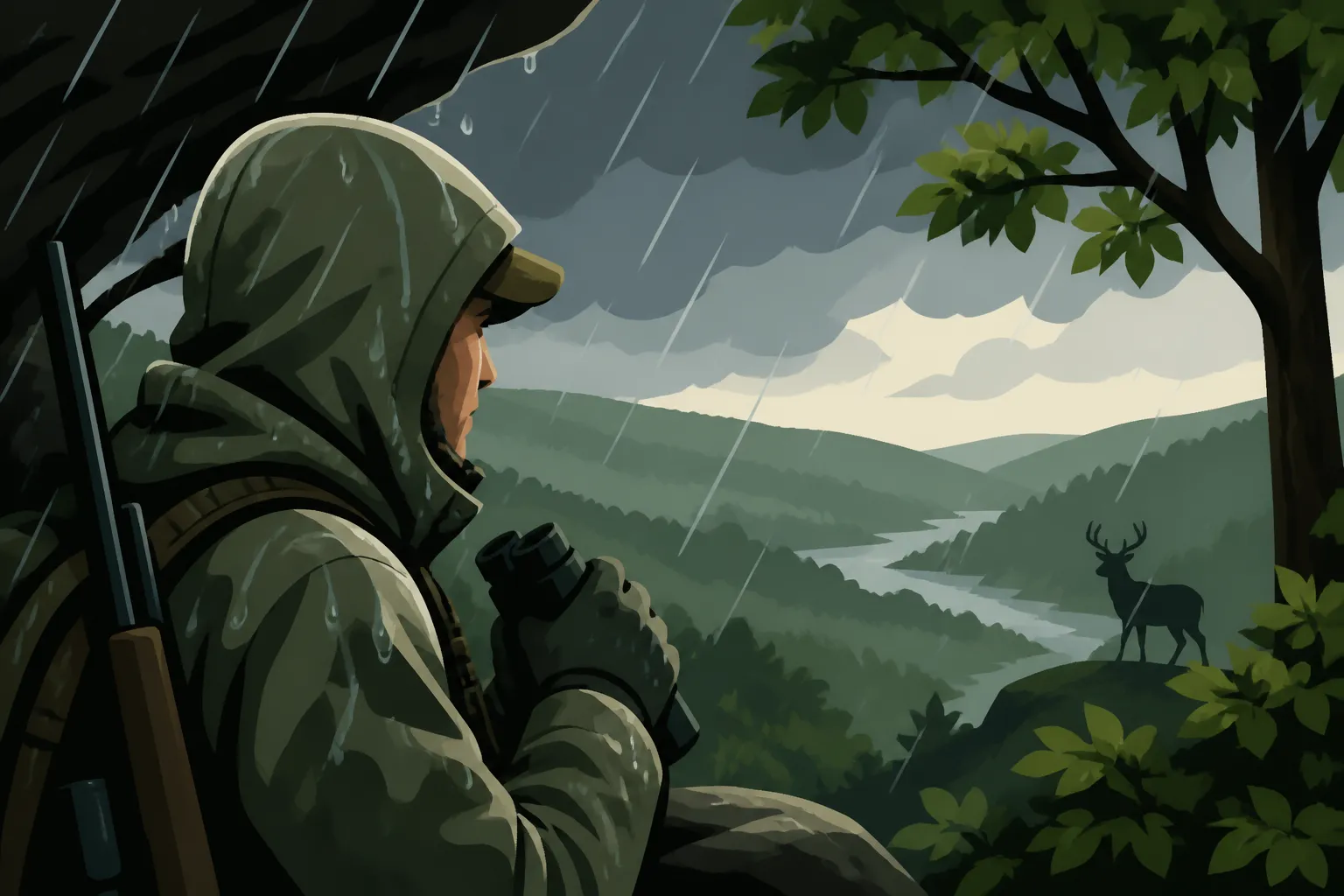
Staying Dry Through an Ozark Rain
There’s almost nothing more miserable than being caught unprepared in a steady, cold rain in the Missouri Ozarks when you’re out hunting. One minute, the leaves are rustling gently and the woods feel alive; the next, a sudden downpour hits, chilling you to the bone and turning a promising hunt into a survival exercise. This guide is all about equipping you with the knowledge and gear to not just tolerate, but to effectively manage and even enjoy hunting through an Ozark rain, keeping you dry, warm, and focused on the pursuit.
The Unique Challenges of Ozark Rain
Hunting in the Ozarks is a special kind of challenge, and the rain here adds several layers of complexity. It's not just about getting wet; it's about how that wetness interacts with the specific environment and your body, often turning a manageable situation into a dangerous one if you're not careful.
Unpredictable Weather Patterns
Missouri weather, especially in the Ozarks, has a mind of its own. You might wake up to a crisp, clear autumn morning, only for a cold front to blow through by midday, bringing with it a driving rain or even sleet. These sudden shifts can be incredibly frustrating. One moment you're enjoying the mild temperatures, the next you're shivering, realizing your thin jacket just isn't cutting it against the unexpected cold and moisture. It’s not uncommon to experience all four seasons in a single day, and rain is often the wild card. The undulating terrain and river systems can also influence localized weather, meaning a clear sky above your truck doesn't guarantee the same just a mile deep in a hollow. Understanding Wind and Thermals in Ozark Hills is crucial not just for deer movement, but for anticipating how rain might move through a valley or off a ridge.
Furthermore, these systems often hang around. Instead of quick showers, you can find yourself under a relentless drizzle for hours, or even an all-day soaking downpour that tests every seam and zipper of your gear. Planning for these extended periods of wet weather, rather than just a passing shower, is vital. You can't just tough it out for 20 minutes; you need to be prepared to sit, or move, for several hours in damp conditions without losing core body temperature or becoming completely saturated. This constant dampness makes everything feel heavier and colder, and that constant awareness of being wet can really wear down your mental fortitude, making you want to head back to the truck prematurely.
Rugged Terrain and Dense Undergrowth
The Ozarks are beautiful, but they are also tough. Steep hillsides, rocky outcrops, and thick cedar glades or briar patches define the landscape. When rain hits, this already challenging terrain becomes exponentially more difficult. Rocks become slick and treacherous, turning a simple uphill climb into a potential slip-and-fall hazard. Mud, especially in creek bottoms or low-lying areas, can become deep and clinging, sucking at your boots and making every step an effort.
Dense undergrowth, while offering cover for game, also becomes a sponge when wet. Pushing through wet briars and brush will quickly soak through inadequate outer layers, especially around the knees and elbows where fabric flexes and rubs. This constant contact with saturated vegetation is different from standing in open rain; it actively pushes water into your clothing. Plus, wet leaves and branches make for noisy movement, potentially alerting any game you're trying to approach. This means your rain gear can't just be waterproof; it needs to be durable enough to withstand snags and abrasions from the rough terrain without tearing or compromising its integrity.
Staying Warm When Wet
Perhaps the biggest danger of an Ozark rain, particularly outside of the summer months, is the rapid loss of body heat. Water conducts heat away from the body far more efficiently than air. Even a relatively mild temperature of 50 degrees Fahrenheit can feel frigid when you're soaked to the bone, and it dramatically increases your risk of hypothermia. This isn't just a concern for extreme cold; mild hypothermia can set in faster than you think, leading to impaired judgment, clumsiness, and a general inability to perform basic tasks, let alone hunt effectively.
The challenge lies in managing moisture from both external sources (the rain) and internal sources (your own sweat). If your rain gear keeps external water out but traps all your sweat inside, you'll still get wet from the inside out, leading to the same chilling effect. This is why breathability in rain gear is almost as important as its waterproof capabilities. Your goal is to create a microclimate around your body that sheds external moisture while allowing internal moisture vapor to escape. Without this balance, even the best waterproof outer shell can lead to discomfort and a dangerous drop in core temperature, making Cold Weather Sitting Strategy even more complex during a rain event.
Understanding Your Rain Gear: The Basics
Navigating the world of rain gear can feel overwhelming with all the technical terms and marketing jargon. But truly understanding the basics of what makes a piece of clothing waterproof versus merely water-resistant, and what materials really mean, is your first step to staying genuinely dry.
Waterproof vs. Water-Resistant: What's the Difference?
This distinction is crucial, and it’s where many hunters go wrong. "Water-resistant" means the fabric has been treated with a Durable Water Repellent (DWR) coating, causing water to bead up and roll off. It can handle light drizzle or a brief, light shower. However, given enough time, pressure, or a heavier downpour, water will eventually saturate the fabric and seep through. Think of a light jacket that keeps you dry during a walk to the truck but would leave you soaked after an hour in a steady rain. It's a good first line of defense, but it's not designed for sustained wet conditions.
"Waterproof," on the other hand, means the fabric itself is designed to completely prevent water penetration, even under pressure. This is typically achieved through a membrane or coating that has microscopic pores too small for liquid water droplets to pass through, but large enough for water vapor (sweat) to escape. True waterproof garments also have sealed seams to prevent water from leaking through the stitching. If a piece of gear doesn't explicitly state "waterproof" and mention taped or sealed seams, assume it’s only water-resistant and won’t stand up to an all-day Ozark soaker.
Material Matters: Gore-Tex, eVent, and Beyond
When you start looking at truly waterproof gear, you'll encounter a variety of proprietary fabric technologies. Gore-Tex is perhaps the most well-known, and for good reason. It's a microporous membrane laminated to fabric layers, offering excellent waterproof and breathable performance. It's the gold standard for many outdoor enthusiasts because it consistently performs. Other brands have their own versions, such as eVent, which is known for its high breathability, or various polyurethane (PU) coated fabrics.
Each material has its pros and cons in terms of breathability, durability, packability, and cost. For hunting in the Ozarks, you generally want something that offers a good balance. A super-light, ultrabreatheable fabric might be great for trail running but could tear easily pushing through a briar patch. Conversely, a heavy, durable PVC rain suit might keep you dry but will make you sweat profusely, leading to internal dampness. Look for fabrics that are designed for rugged use, often incorporating ripstop nylon or polyester outer layers over the waterproof membrane. Many gear manufacturers partner with companies like Gore or use their own proprietary laminates (like a brand's "Dry-Plus" or "HydroShield") that offer similar performance at various price points. Researching these specific material technologies is essential; it's not just about the brand, but the core technology within the fabric.
Seams, Zippers, and Hoods: Details That Count
It's often the small details, not just the main fabric, that determine how truly dry you stay. A waterproof jacket is only as good as its weakest link, and often that's a seam or a zipper. Look for fully taped or sealed seams. This means that a waterproof tape or sealant has been applied over every stitched seam on the inside of the garment, preventing water from wicking through the needle holes. Without this, even the most advanced waterproof fabric is compromised.
Zippers are another common point of failure. High-quality waterproof garments use water-resistant or waterproof zippers, often with a storm flap or gusset behind them for extra protection. YKK AquaGuard zippers are a common, reliable choice. Don't overlook the importance of a well-designed hood. It should be adjustable, allowing you to cinch it down around your face to keep rain out without obstructing your peripheral vision. A brim on the hood is also excellent for diverting rain from your face and optics. Look for a hood that can be adjusted with one hand, even with gloves on, and that moves with your head, not against it, allowing you to maintain your field of view without twisting your neck.
Layering for Optimal Performance in Wet Conditions
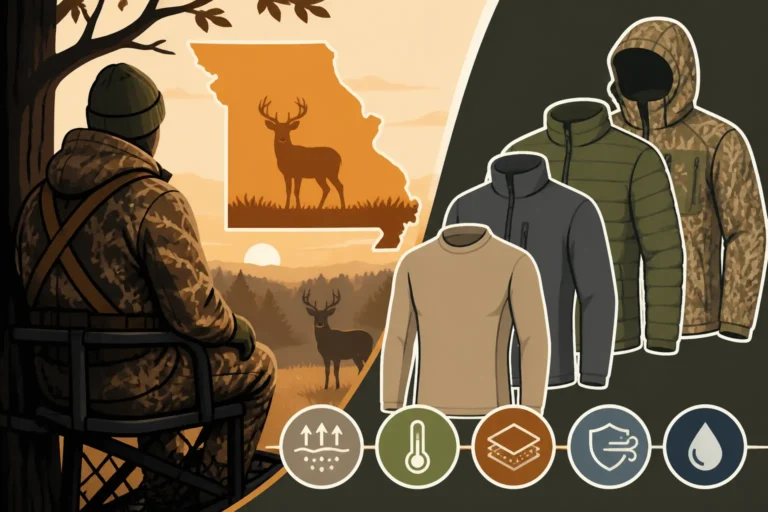
Staying dry in the Ozarks isn't just about throwing on a rain jacket. It's a strategic approach to clothing that allows you to adapt to changing conditions, manage moisture, and maintain core warmth. This is where the art of layering comes in. Layering for a Missouri Deer Stand is not just for cold weather; it's just as critical for rainy days.
The Importance of a Good Base Layer
Your base layer is the foundation of your entire clothing system, and it's especially critical when dealing with rain. Its primary job is to wick moisture (sweat) away from your skin, transferring it to outer layers where it can evaporate. If your base layer gets soaked and stays against your skin, you'll feel cold and clammy, regardless of how waterproof your outer shell is. Never, ever wear cotton as a base layer for hunting, especially when rain is a possibility. Cotton absorbs moisture and holds it, losing all its insulating properties and chilling you quickly.
Instead, opt for synthetic materials like polyester or natural fibers like merino wool. Merino wool is a fantastic choice because it wicks moisture, regulates temperature effectively, and retains much of its insulating properties even when damp. Synthetics are often quicker drying and more durable, but can sometimes feel clammy. Choose a base layer appropriate for the expected temperatures; lighter weights for warmer rain, and mid-weights for colder, driving rain. A good base layer makes a world of difference in preventing that deep-seated chill that comes from being internally wet.
Mid-Layers for Insulation
The mid-layer is your insulation layer, providing warmth while allowing moisture vapor to continue migrating outwards. When hunting in rainy conditions, you want mid-layers that offer good warmth-to-weight ratios and, ideally, retain some insulating capability when damp. Fleece is a popular and effective choice; it’s lightweight, dries relatively quickly, and provides excellent warmth. Look for synthetic fleeces that are breathable. Down insulation, while incredibly warm, loses all its insulating power when wet, so it's generally not the best choice for a mid-layer on a rainy Ozark hunt unless you are absolutely certain your outer shell is impenetrable and you have a backup.
Synthetically insulated jackets, often filled with materials like PrimaLoft or Thinsulate, are much better alternatives. These synthetic insulations are designed to perform even when damp, making them far more forgiving if your outer shell ever leaks or you get a bit of moisture ingress. The thickness of your mid-layer will depend entirely on the ambient temperature and your activity level. If you're still-hunting or sitting in a stand in a cold rain, you'll need a thicker mid-layer than if you're actively tracking or moving across terrain. This adjustability is key to managing your comfort level throughout the day.
The Outer Shell: Your First Line of Defense
This is your waterproof jacket and pants – your fortress against the rain. As discussed earlier, these need to be genuinely waterproof with taped seams. Beyond just keeping water out, a good outer shell needs to allow your mid and base layers to do their job by being breathable. Look for features like pit zips (zippers under the arms) and full-length leg zippers on your pants. These allow you to vent excess heat and moisture when you’re exerting yourself, preventing that sweaty, clammy feeling inside your waterproof shell.
An ideal outer shell for the Ozarks should also be quiet. Many waterproof fabrics can be noisy, producing a crinkly sound when you move, which is a major detriment when trying to approach game. Seek out softer, brushed fabrics or those specifically engineered for silent hunting. Durability is also paramount. You'll be pushing through brush, leaning against trees, and potentially sitting on wet logs or rocks. Your outer shell needs to withstand this abuse without tearing or developing leaks. While expensive, investing in a high-quality, durable, quiet, and breathable outer shell is one of the best investments a Missouri hunter can make. Some hunters find value in online platforms like GoHunt for researching specific gear reviews and performance metrics before making such a significant purchase.
Head-to-Toe Protection: Beyond the Jacket
You might have the best waterproof jacket in the world, but if the rest of you isn't protected, you'll still end up cold and miserable. True rain protection is a head-to-toe commitment, addressing every vulnerable point from your scalp to your soles.
Waterproof Pants and Bibs
Just as important as your jacket are your waterproof pants or bibs. Many hunters focus solely on their upper body, forgetting that their legs are often the first part to get soaked when pushing through wet brush, kneeling, or sitting on a damp surface. Look for waterproof pants that feature full-length side zippers. These are incredibly useful for ventilation, allowing you to dump heat quickly if you're hiking, and also make it much easier to put on or take off the pants over your boots without having to remove them entirely.
Bibs offer superior protection, especially when sitting, as they extend higher up your torso, providing an overlap with your jacket that prevents water from seeping in through the waistline. This is particularly valuable if you’re using a safety harness or backpack with a hip belt, as those can create pressure points where water might otherwise get pushed through. Again, consider the noise factor. A swishy pair of rain pants will be a deal-breaker on a stealthy still-hunt. Reinforced knees and seat are also a huge plus for durability when you're spending time on the ground.
Keeping Your Feet Dry: Boots and Gaiters
Wet feet are a fast track to misery and can even lead to more serious issues like trench foot in prolonged cold, wet conditions. Your hunting boots need to be truly waterproof. This means not just a waterproof membrane in the bootie, but also good quality construction that prevents water entry through seams or where the sole meets the upper. While many modern boots claim to be waterproof, continuous exposure to water, especially from walking through wet grass or shallow streams, can eventually test their limits. Regular treatment with a waterproofing spray or wax is crucial to maintain their performance. When considering footwear, review options like Boots for Walking Ozark Rock to find sturdy, waterproof choices that can handle varied terrain.
Gaiters are an often-overlooked but incredibly effective piece of gear for rainy days, especially when walking through tall, wet vegetation. They essentially create a waterproof barrier that extends from the top of your boot up to your calf or knee, preventing water from dripping down into your boots from your pants or splashing up from puddles. They also protect your lower pant legs from getting saturated and wicking water upwards. Look for durable, waterproof gaiters that are easy to put on and take off and have a secure strap under the boot. Paired with properly selected Rubber Boots for Scent Control or even Insulated Boots for Long Sits, gaiters will be a game-changer for foot comfort.
Hand Protection and Headwear
Your hands and head are major areas of heat loss and discomfort when wet. A good waterproof hat with a brim, worn under or over your jacket hood, will help keep rain off your face and neck, and improve visibility by keeping water out of your eyes and off your glasses or binoculars. For your hands, waterproof gloves are essential. However, many truly waterproof gloves sacrifice dexterity, making it difficult to operate your weapon, calls, or other gear.
The best approach often involves a layered system for your hands. Start with a thin, wicking liner glove, then a mid-weight fleece or wool glove for warmth, and finally, a waterproof shell mitt or glove that you can pull over the top when the rain intensifies. This allows you to remove the outer waterproof layer when you need fine motor skills, knowing your inner layers are still offering some protection. Alternatively, consider hybrid gloves that offer waterproof palm and finger areas but a more breathable, flexible back. Having a spare dry pair of gloves in a waterproof bag in your pack is always a smart move.
Protecting Your Gear and Essentials
It's not just about keeping you dry; it's about keeping your gear dry. Your electronics, optics, and other critical items can be ruined by water, rendering them useless and potentially stranding you in a tough spot. Thoughtful protection of your essentials is just as important as your personal rainwear.
Waterproofing Your Pack
Your hunting pack is your mobile base camp, carrying everything you need for the day. If it gets soaked, everything inside will too. While some packs come with integrated rain covers, these are often not fully waterproof and can easily get snagged and torn. A better solution is often a robust, dedicated rain cover that fits snugly over your pack. For ultimate protection, especially for critical items, consider using dry bags or waterproof stuff sacks inside your pack. These allow you to organize your gear into separate waterproof compartments.
For items you need frequent access to, like snacks, a small first aid kit, or a rangefinder, having them in smaller, easily accessible waterproof pouches on your hip belt or shoulder straps is a smart move. When selecting Packs for a Day on Public Land, always consider how easily it can be waterproofed or how many internal compartments it offers that can be used with dry bags. Even seemingly water-resistant packs will eventually fail in an Ozark downpour, so be proactive with your internal and external waterproofing measures.
Safeguarding Electronics and Optics
Modern hunting often relies on electronics like GPS devices, cell phones for maps (especially when using apps like GoHunt to scout), rangefinders, and even trail cameras. These are highly susceptible to water damage. Always store your phone in a dedicated waterproof case or dry bag. The same goes for your GPS unit if it's not rated for submersion. Keep spare batteries for all electronics in a waterproof container, as cold, wet conditions can drain batteries faster.
Optics like binoculars and scopes also need attention. While many are "waterproof" or "fogproof," a lot of rain on the lenses will obscure your vision. Use lens caps and rain guards whenever possible. A small, soft lens cloth kept in a waterproof pouch is invaluable for wiping away water without scratching the lenses. A quick-drying shammy cloth attached to your binoculars can be handy for fast wiping. When choosing Optics for Missouri Deer Hunting, always prioritize those with robust waterproofing and nitrogen purging to prevent internal fogging in humid, rainy conditions.
Emergency Fire Starting and Shelter
Even with the best gear, things can go wrong. A slip, a tear in your rain jacket, or an unexpected extended stay in the woods can turn a rainy hunt into a survival situation. Always carry emergency fire-starting supplies in a completely waterproof container. This includes a reliable lighter, waterproof matches, and some form of tinder that catches fire easily even when damp, like cotton balls soaked in petroleum jelly. Being able to build a fire, even a small one, can be life-saving for warmth and drying out essential gear.
Consider carrying a lightweight emergency tarp or a large, heavy-duty trash bag. These can be quickly deployed to create a temporary shelter, offering respite from the rain and wind if you need to hunker down for an extended period or if your primary gear fails. A simple space blanket or emergency bivvy can also provide critical warmth and shelter if you find yourself unexpectedly stranded. Think of these items as your ultimate backup, ensuring you can still manage if your carefully planned gear system encounters an unforeseen challenge. It's also wise to always carry First Aid Kits for Remote Ozark Ground, as minor injuries can become major problems quickly in wet, cold conditions.
Field Strategies for Managing Rain
Knowing your gear is one thing, but knowing how to use it effectively and adapt your hunting strategy to rainy conditions is another. The Ozark woods can be especially unforgiving in the wet, so having a plan beyond just wearing a jacket is key.
Choosing Your Stand or Blind Location
Rain significantly impacts deer movement and where they choose to bed or feed. Often, deer will seek thicker cover during a heavy rain, especially if accompanied by strong winds. They might use the downpour to move more freely, knowing the sound of the rain will mask their footsteps. Consider stand or blind locations that offer natural overhead cover, like dense cedar thickets or areas with thick canopy, even if it's not fully waterproof, it can reduce the direct impact of rain. Locations in the lee of ridges, where wind and rain might be less intense, can also be productive.
If using a ground blind, ensure it's truly waterproof and set it up to shed water efficiently. Anchoring it well is crucial, as wet fabric can catch wind with surprising force. Think about your entry and exit routes; heavy rain can turn dry creek beds into rushing streams or make steep trails impassable. Having a solid plan and perhaps scouting with tools like GoHunt to understand terrain contours and potential drainage before the season can give you a significant advantage. This can also help you avoid heavily pressured areas that turn into mud pits, allowing you to Finding Ground Others Walk Past that may offer better cover and less human disturbance during a rain.
When to Hunker Down vs. Keep Moving
This is often the toughest decision when hunting in the rain. There are times when hunkering down, staying still, and waiting for a lull is the smart play. If the rain is so heavy that visibility is severely limited, or if it's truly pouring and making too much noise to hear anything, sitting tight might be your best option. Find some overhead cover, minimize movement, and just wait it out. Sometimes, the woods come alive just as a heavy rain breaks, as deer start to move again.
However, a light to moderate rain can actually be an excellent time to still-hunt. The rain dampens leaves, making for significantly quieter movement. The sound of the falling rain also masks your approach, allowing you to get closer to game without being detected. This is where your quiet, waterproof gear truly shines. Use the wind and terrain to your advantage, moving slowly and deliberately. If you're Still-Hunting a Missouri Ozark Hollow, a light rain can be your best friend, muffling your footsteps as you navigate the leaf litter and rocky terrain. The deer might also be up and moving, feeding or repositioning, making them more vulnerable.
Post-Rain Gear Management
Your job isn't done when the rain stops or when you get back to the truck. Proper post-rain gear management is crucial for maintaining the longevity and performance of your expensive waterproof items. As soon as you can, unpack your gear. Hang your rain jacket and pants to air dry, ideally in a well-ventilated area, but out of direct sunlight and away from direct heat sources (like a campfire or heater, which can damage waterproof membranes). If your boots got wet inside, remove the insoles and stuff them with newspaper to absorb moisture, changing the paper regularly.
Clean any mud or dirt off your gear. Dirt can clog the pores of breathable waterproof membranes, reducing their effectiveness. If your DWR coating seems to be failing (water no longer beads up), consider reapplying it with a wash-in or spray-on treatment. Brands like Nikwax or Granger's make excellent products for this. Don't store wet gear; it can develop mildew, which not only smells terrible but can also damage fabrics and compromise waterproofing. Taking a few extra minutes to properly care for your gear after a rainy hunt ensures it's ready and reliable for your next adventure in the Missouri woods.
| Item Type | Key Feature for Rain | Why it Matters | Essential For |
|---|---|---|---|
| Outer Shell | Waterproof & Breathable Membrane | Keeps external water out, allows sweat vapor out to prevent internal dampness. | All-day hunting in steady or heavy rain. |
| Sealed Seams | Taped or welded | Prevents water from leaking through needle holes in stitched areas. | Any truly waterproof garment. |
| Base Layer | Moisture-Wicking (Merino/Synthetic) | Pulls sweat away from skin to prevent chilling; dries quickly. | Maintaining core warmth and comfort from the inside out. |
| Mid Layer | Synthetic Insulation (Fleece/PrimaLoft) | Provides warmth even when damp; breathable. | Preventing hypothermia in cold rain; adjustable warmth. |
| Waterproof Boots | Membrane & Solid Construction | Keeps feet dry from external water and puddles. | Foot comfort, preventing blisters and cold-related injuries. |
| Gaiters | Waterproof | Prevents water from entering boots from above or through wet vegetation. | Walking through tall wet grass, brush, or shallow streams. |
| Waterproof Pack Cover | Durable & Snug-Fitting | Protects entire pack and contents from saturation. | Safeguarding extra clothes, food, and emergency supplies. |
| Dry Bags/Stuff Sacks | Submersible Protection | Isolates critical items (electronics, wallet, first aid) inside your pack. | Protecting electronics, maps, license, fire starters. |
| Waterproof Headwear | Brimmed Hat/Hood | Keeps rain off face and neck; maintains visibility. | Personal comfort and clear vision. |
| Waterproof Gloves | Dexterous & Layered | Keeps hands warm and functional without sacrificing fine motor skills. | Operating weapon, calls, and other small items in the rain. |
Disclaimer
This article is for general informational purposes only and does not constitute professional advice. Laws, prices and regulations vary by location and change over time. Consult a qualified professional for guidance on your specific situation.