Which Counties Are Open for Early Antlerless
If you're a deer hunter in Missouri, you know the feeling: that annual shuffle through the MDC regulations, trying to figure out which deer season applies to which county, especially when it comes to those special portions. One of the most common questions revolves around the "Early Antlerless Portion" – when it is, what its purpose is, and perhaps most importantly, which counties are actually open for this unique opportunity. It can be a real head-scratcher, leaving you wondering if your favorite hunting spot is even an option. This guide is here to untangle that confusion, walking you through the ins and outs of Missouri's early antlerless season and, crucially, helping you identify the specific counties where you can participate.
Understanding Missouri's Early Antlerless Portion
The Early Antlerless Portion isn't just another random week of hunting; it's a carefully designed management tool implemented by the Missouri Department of Conservation (MDC) to help maintain healthy deer populations across the state. Without these specific opportunities, deer numbers could easily outgrow the available habitat, leading to problems for both the deer and the landowners.
The Purpose Behind This Special Season
At its core, the Early Antlerless Portion is about balance. In many parts of Missouri, particularly in the northern and central regions where agriculture is prevalent, deer populations can become quite robust. While this sounds great to hunters, too many deer can lead to increased crop damage for farmers, a higher incidence of deer-vehicle collisions on our roads, and even localized habitat degradation within the timber. By allowing hunters to harvest antlerless deer (does and fawns) early in the season, the MDC aims to reduce the overall deer herd size before the breeding season kicks into high gear. This targeted approach helps control numbers in specific areas that need it most.
Beyond population control, this season also serves as a critical tool in managing Chronic Wasting Disease (CWD). In counties identified as CWD Management Zones, increasing the antlerless harvest can help reduce the density of deer, which in turn can slow the spread of the disease. It's a proactive measure to keep our deer herd healthy for generations to come, and participating hunters play a vital role in this effort.
Key Dates and Why They Matter
While the specific dates can shift slightly year to year, the Early Antlerless Portion typically runs for a short period in early to mid-October, right before the main firearms portion. This timing is strategic. It allows hunters to target antlerless deer before the full frenzy of the rut and before the intense pressure of the November firearms season. By harvesting does early, the MDC can get a head start on population goals, and hunters can enjoy a quieter, often warmer hunting experience.
This early timeframe also means hunters are often dealing with different conditions than those found later in the year. The leaves are typically still on the trees, providing dense cover, and temperatures can still be quite mild, even warm. This impacts everything from scouting to shot placement and, critically, how you handle your harvested game. Understanding these nuances is key to a successful and ethical hunt during this special window.
Pinpointing the Open Counties for Early Antlerless Deer Hunting
This is often where the rubber meets the road for hunters. It’s not a statewide free-for-all; the Early Antlerless Portion is highly localized, focusing MDC’s management efforts on specific regions. Knowing which counties are on the list is essential before you even think about heading afield.
How the Missouri Department of Conservation Designates Counties
The MDC doesn't just randomly pick counties out of a hat. Their decisions are rooted in extensive scientific data and ongoing population monitoring. Wildlife biologists analyze harvest data from previous seasons, conduct aerial surveys, and factor in public input, particularly from landowners experiencing crop damage. They also track deer-vehicle collision statistics and, as mentioned, keep a close eye on CWD prevalence rates. Areas with consistently high deer densities, or those within the designated CWD Management Zones, are prime candidates for inclusion in the Early Antlerless Portion.
The regulations are updated annually, so it's always a good idea to double-check the latest information directly from the MDC website or official publications. Tools like the GoHunt app or website can also be incredibly helpful resources, often providing up-to-date regulation summaries and interactive maps that clearly show which counties are open, saving you a lot of time poring over lengthy documents. It’s about being informed and using all the resources at your disposal to ensure you're hunting legally and responsibly.
A Detailed Look at the Open Counties
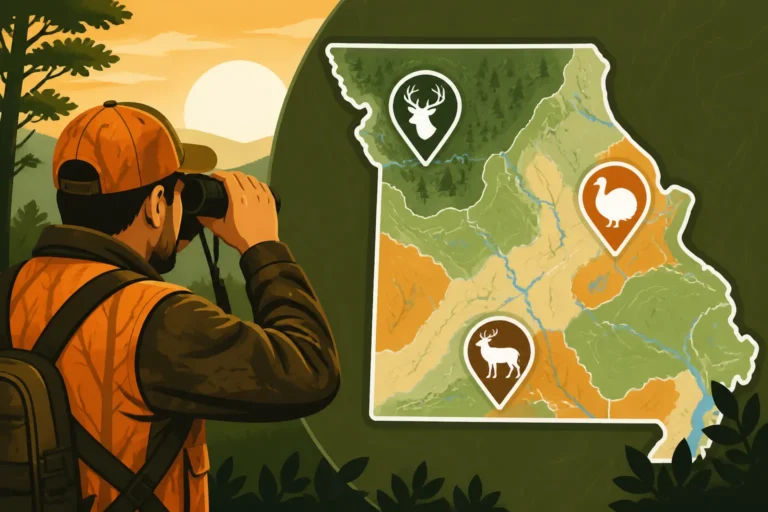
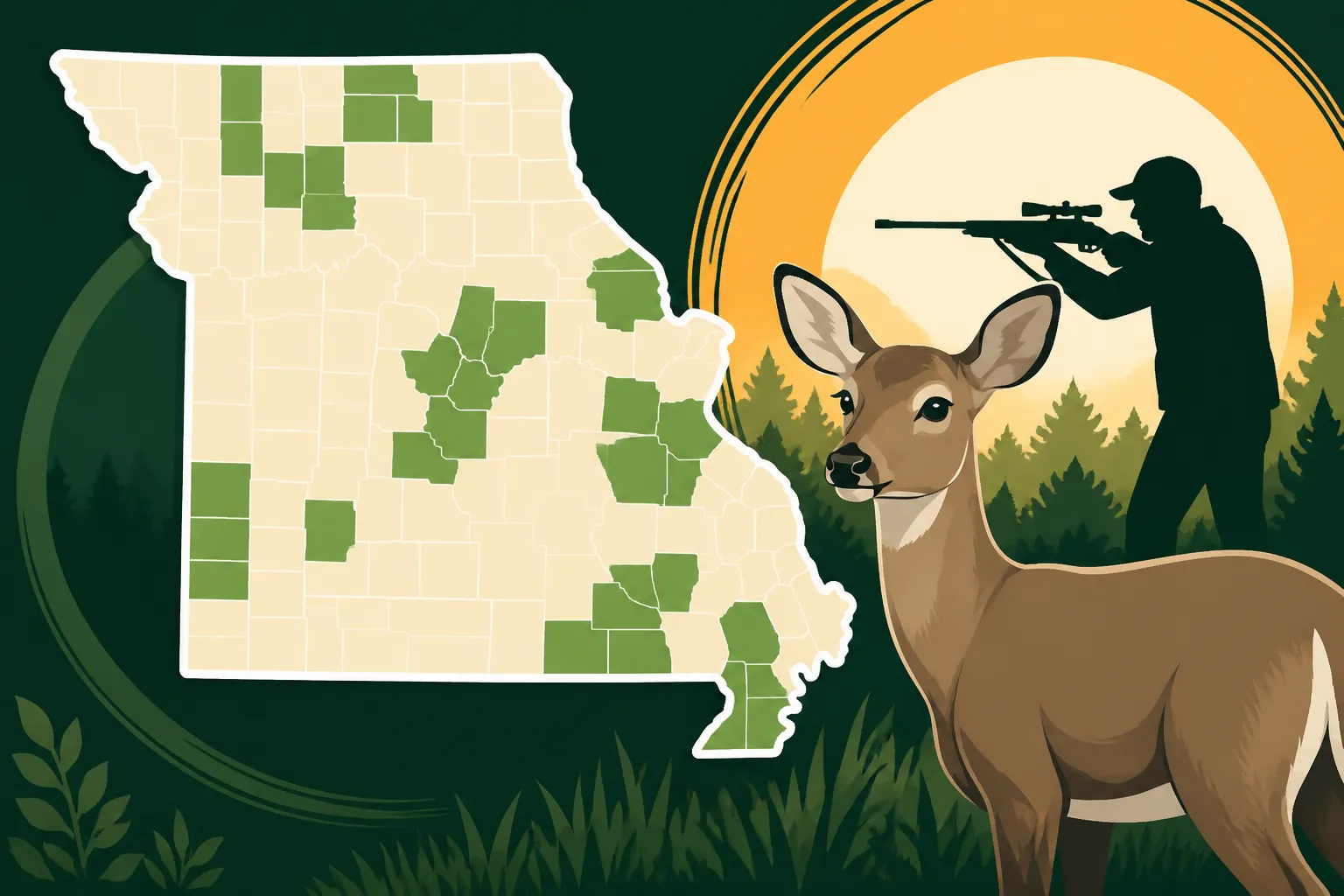
For the Early Antlerless Portion, which typically occurs in the first two weeks of October, the MDC designates a specific set of counties. While this list can see minor adjustments annually, the general trend holds true: most of these counties are found north of the Missouri River, along the central corridor, and extending into some eastern Ozark regions. These are areas where deer populations historically tend to be higher due to excellent habitat and agricultural food sources.
For the most up-to-date information, always consult the current year's Missouri Department of Conservation Fall Deer and Turkey Regulations or use a trusted app like GoHunt. However, generally speaking, you can expect a significant number of counties to be open for this early opportunity. Here is a representative list, reflecting typical open counties in recent seasons. Please note this list is illustrative and subject to change; always verify with current MDC regulations:
- Northern Missouri: Adair, Andrew, Atchison, Audrain, Boone, Buchanan, Caldwell, Callaway, Carroll, Chariton, Clark, Clay, Clinton, Cooper, Daviess, DeKalb, Gentry, Grundy, Harrison, Holt, Howard, Jackson, Jasper, Johnson, Knox, Lafayette, Lewis, Lincoln, Linn, Livingston, Macon, Marion, Mercer, Miller, Moniteau, Monroe, Montgomery, Morgan, Nodaway, Osage, Pettis, Pike, Platte, Putnam, Ralls, Randolph, Ray, Saline, Schuyler, Scotland, Shelby, St. Charles, St. Clair, Sullivan, Warren, Worth.
- Central/East-Central Missouri: Franklin, Gasconade, Jefferson, St. Louis (and St. Louis County), Ste. Genevieve, Washington.
- Selected Ozark/Southwest Missouri: Bates, Benton, Boone, Cass, Cole, Dent, Douglas, Gasconade, Laclede, Maries, Phelps, Pulaski, Vernon, Webster.
It's clear that the majority of Missouri offers an opportunity during this time, reflecting the widespread need for antlerless harvest in many parts of the state.
Geographic Patterns and Regional Differences
When you look at the map of open counties for the Early Antlerless Portion, you'll notice some distinct patterns. The strong concentration in northern Missouri is directly tied to the rich agricultural landscape. Farmers in these areas face significant challenges from deer consuming crops like corn and soybeans. The MDC responds to these concerns by providing more opportunities to reduce deer numbers in these fertile regions. If you're hunting in a county like Knox or Caldwell, you'll find plenty of deer, and the early antlerless season can be a great time to fill the freezer. For more on hunting these prime areas, check out our guide on Hunting North Missouri's Big-Buck Farm Country.
Moving south, the central counties along the Missouri River also frequently appear on the list. This corridor combines agricultural fields with timbered river breaks, creating ideal deer habitat. Even in some parts of the Ozarks, where deer densities are generally lower than in the northern farm belt, specific counties may be included, especially if they are seeing increased CWD prevalence or localized population booms. Understanding these regional patterns can help you anticipate where the hunting pressure might be lighter or where specific tactics might pay off. For instance, Deer Hunting the Missouri Ozarks can offer context on navigating that different terrain.
Essential Tactics and Considerations for Early Antlerless Hunting
Hunting early in the season presents a unique set of challenges and opportunities. The deer behavior, the environment, and even your own physical comfort will be different than in late November. Being prepared for these specifics can make all the difference in whether you're successful.
Early Season Scouting and Stand Placement
Deer in early October are still largely in their summer patterns, focused on food and water. Lush green browse, acorns, and remaining agricultural crops like standing soybeans or corn are primary attractants. This is where your scouting efforts from late summer truly pay off. Look for consistent feeding areas, well-used trails leading to and from bedding areas, and dependable water sources. Early morning and late afternoon hunts near these key resources are usually your best bet. A good app or GPS can help you mark these spots and plan your approach.
When it comes to stand placement, remember that foliage is still thick. Visibility might be limited, so focus on pinch points, trail intersections, or subtle funnels that force deer movement into a predictable path within your effective range. Because temperatures can still be warm, consider stand locations that offer some shade, especially during midday, for both your comfort and to minimize heat stress on any deer you might harvest. Understanding how to find these spots requires diligent pre-season work, and our guide on Scouting Missouri Public Land Before Season can provide excellent insights.
Dealing with Warm Weather Conditions
One of the biggest factors in early season hunting is the weather. Missouri Octobers can easily still bring 70-degree days, sometimes even warmer. This has serious implications for your hunt, especially when it comes to meat care. If you're fortunate enough to harvest a deer, getting that meat cooled down quickly is paramount to prevent spoilage. This means having a plan in place before you even leave the house.
Bring plenty of ice, a large cooler, and consider hunting closer to your vehicle or a facility where you can process the deer promptly. You might even consider doing a "gutless" field dressing method to speed up the cooling process. Read up on Field Dressing a Deer in Warm Weather and Getting Deer Meat Cooled Quickly to ensure you're prepared. Staying hydrated yourself is also crucial. Pack extra water and wear lightweight, breathable clothing. The early season is definitely not the time for heavy winter gear.
Permit Requirements and Hunter Orange
To participate in the Early Antlerless Portion, you'll need the appropriate permits. Generally, hunters will need a valid firearms deer permit (either an "Any-Deer" or "Antlerless-Only" permit, depending on the regulations for that county and season). Critically, you must possess an "Antlerless-Only" permit for the specific county you are hunting. These permits are crucial for managing deer populations effectively and ensure that the harvest targets are met in designated areas. You can find detailed information on obtaining these permits in our comprehensive guide, Missouri Deer Permits and How to Buy One, and specific county details in Missouri Antlerless Deer Permits by County.
Another critical regulation to remember is the hunter orange requirement. During the Early Antlerless Portion, all firearms deer hunters, including those hunting with archery equipment during a firearms season, must wear hunter orange. This typically means a solid blaze orange cap and an outer garment with at least 400 square inches of blaze orange visible from all directions. This rule is in place for safety, especially with increased hunter activity. Always verify the current year's requirements on the MDC website, and brush up on the specifics with Missouri Hunter Orange Rules. Safety should always be your top priority.
After the Harvest: Telecheck and Transport
Once you've successfully harvested an antlerless deer during this early portion, your responsibilities don't end there. Missouri has a mandatory Telecheck system, and understanding the process is vital for legal compliance.
Telecheck Process and Deadlines
Every deer harvested in Missouri, regardless of the season or permit type, must be Telechecked. This system allows the MDC to collect crucial harvest data, which directly informs their management decisions for future seasons. It's relatively simple: after recovering your deer and field dressing it, you must Telecheck it online or by phone by 10:00 PM on the day of harvest. You'll need information from your permit, and you'll receive a confirmation number that serves as your proof of legal harvest. This number must remain with the deer until it's processed.
Failing to Telecheck your deer on time can lead to serious legal repercussions, so don't let the excitement of a successful hunt distract you from this important step. Take a moment to review Telechecking a Missouri Deer for a complete rundown of the process and deadlines. This is a non-negotiable part of ethical hunting in Missouri.
Transporting Your Harvest
After Telechecking, you're ready to transport your deer. The key rule here is that the confirmation number you received from Telecheck must remain attached to the deer. This ensures that conservation agents can quickly verify the legality of your harvest if they stop you. The deer also needs to be transported in a way that allows for easy identification of species and sex, especially if you're crossing county lines.
While specific rules for transporting deer out of Missouri exist for CWD management, for most in-state transportation, as long as you have your Telecheck confirmation number and the deer is reasonably visible, you're good to go. However, if you've harvested a deer in a CWD Management Zone, there might be additional rules regarding carcass transport out of that zone. Always verify the latest regulations, particularly regarding CWD, as these can change to adapt to disease management needs. Remember, understanding How Many Deer You Can Take in Missouri also plays into your overall harvest strategy and transport needs.
Early Antlerless County List (Illustrative – Always Verify Current MDC Regulations)
| Region | Open Counties (Typical) |
|---|
Disclaimer:
Please note that this information regarding specific counties for hunting purposes is general guidance. It is crucial to always consult the current official regulations provided by the Missouri Department of Conservation (MDC) before engaging in any hunting activities. Seasons, open counties, and permit requirements can change annually. The brand "GoHunt" is mentioned as a potential resource for convenience; however, verify all information with the MDC directly.