Hunting Missouri River Sandbars
After the usual hotspots get hammered and public land crowds thin out, many Missouri hunters feel like they're out of options for unpressured opportunities, especially for ducks and geese. But there's a wild, dynamic frontier that most overlook: the ever-shifting sandbars of the mighty Missouri River. This guide is your deep dive into unlocking this often-challenging but incredibly rewarding hunting experience.
The Dynamic Nature of Missouri River Sandbars
When we talk about hunting the Missouri River, we're not just talking about another body of water; we're talking about a living, breathing ecosystem that constantly changes. The river is a force, and its sandbars are testament to that power, appearing, disappearing, and reshaping themselves with every flood and drought. Understanding this dynamic environment is the first step to successfully hunting it.
What Makes Sandbars Prime Habitat?
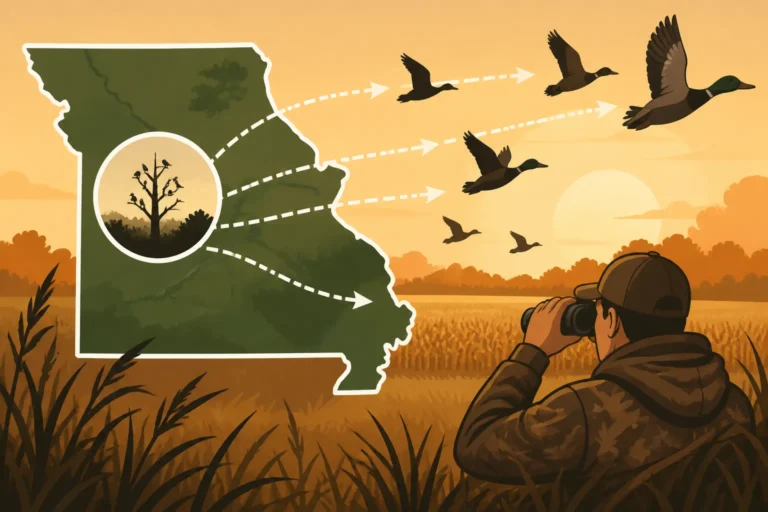
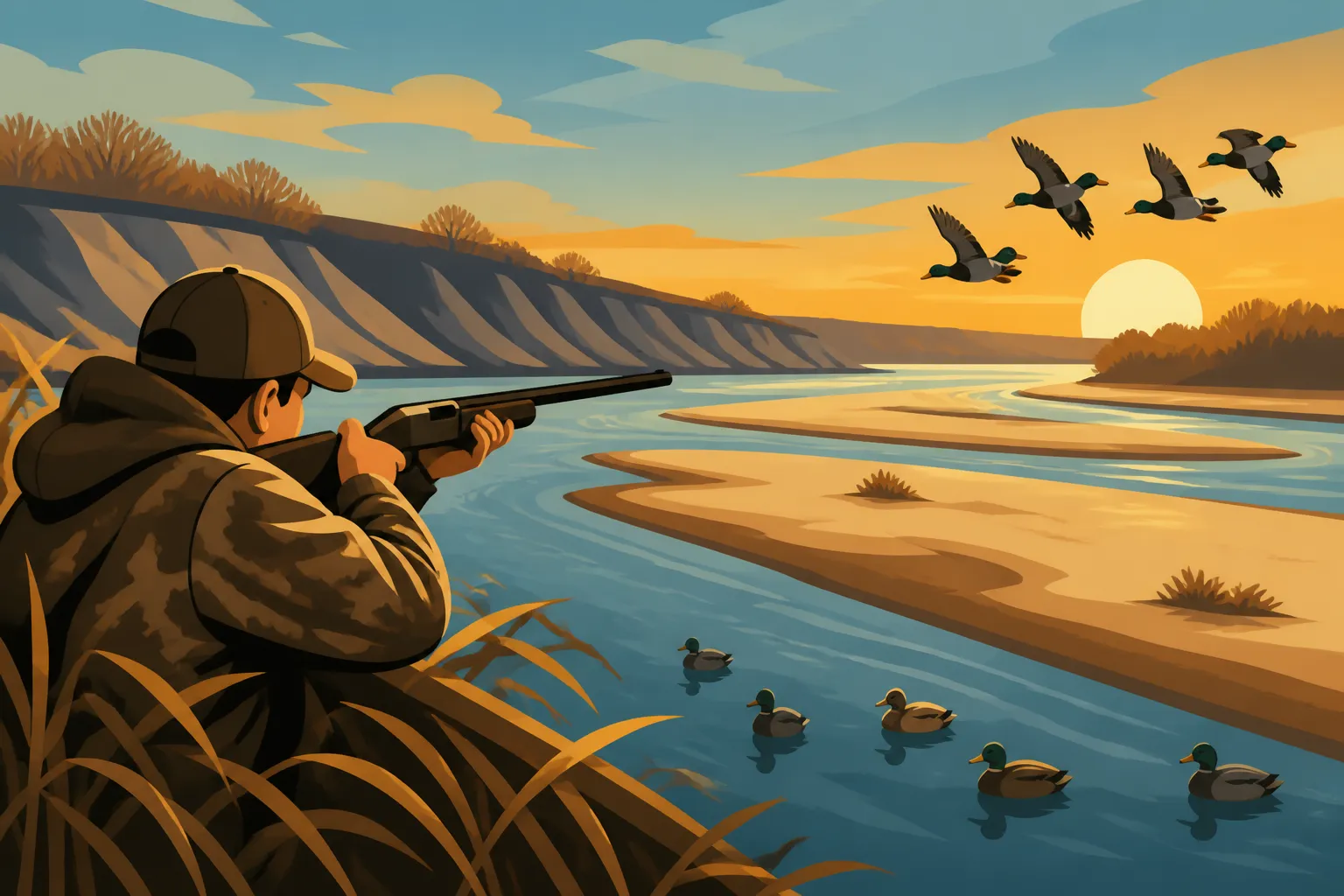
Missouri River sandbars are essentially nature's pit stops for migratory waterfowl. They form when the river's current slows, dropping its load of sediment. These formations can range from small, exposed patches to sprawling acres of sand, often with shallow water edges, small islands of emergent vegetation, or collections of driftwood. For ducks and geese, these ephemeral landforms offer critical resting, loafing, and feeding grounds.
Think about it: after miles of flying, a wide, open sandbar offers a safe haven from predators and a place to rest their weary wings. The shallow edges, particularly where water barely covers the sand, are perfect for dabbling ducks like mallards, pintails, and wigeon to sift for seeds, aquatic invertebrates, and other food sources. These areas often warm up faster in the sun, creating ideal conditions for birds to loaf during the middle of the day. The constant shifts in the river mean that new food sources are exposed or covered, keeping the environment fresh and attractive to migrating birds. Unlike static flooded timber or managed wetlands, the river's raw, untamed nature means less predictability but also often less hunting pressure from those unwilling to adapt. This main channel is part of the famed Mississippi Flyway, a superhighway for waterfowl, and these sandbars are prime real estate along the route.
Target Species and Their Preferences
While the Missouri River certainly sees a variety of bird species, when it comes to hunting sandbars, waterfowl are generally your primary target.
- Ducks: Mallards are king, as always, and will readily use sandbars for loafing and feeding in shallow fringes. You'll also encounter plenty of pintails, gadwalls, and American wigeon, all of whom love those shallow, open water conditions. Early in the season, you might even find green-winged and blue-winged teal resting up. These birds often prefer the calmer water on the downcurrent side of a sandbar or in eddies, where they can escape the main current's pull.
- Geese: Both Canada geese and greater snow geese are frequent visitors to large, open sandbars. They're looking for wide-open spaces where they can see predators coming from a distance, making these big, exposed sand formations perfect. Geese often use sandbars as daytime loafing areas, especially when they're not actively feeding in nearby crop fields. Their sheer numbers can be impressive, and a large flock covering a sandbar is a sight to behold.
- Other Opportunities: While less common for dedicated sandbar hunts, you might find other opportunities depending on the specific sandbar's features. Some sandbars develop brushy fringes or small islands over time, which can attract early-season dove, or even squirrels and rabbits if they provide enough cover and food. However, for the most part, sandbar hunting on the Missouri River is synonymous with chasing ducks and geese.
Navigating Access and Scouting for Sandbars
Getting onto the Missouri River and finding a productive sandbar isn't as simple as driving up to a conservation area. It requires careful planning, a solid understanding of land ownership, and diligent scouting. This isn't a hunt you can just stumble into; it takes work, but that effort is often what keeps the pressure low and the rewards high.
Understanding Public and Private Ownership Along the River
This is probably the most critical aspect of hunting Missouri River sandbars. The river itself is navigable water, and generally, any sandbar exposed at "ordinary high water mark" is considered public domain for hunting. However, the vast majority of land bordering the Missouri River is privately owned. This creates a challenging situation: you might have a legal right to hunt a sandbar, but no legal way to access it without trespassing across private land.
This is where your homework comes in. You absolutely must identify legal access points. These typically come in a few forms:
- Public Boat Ramps: Missouri has numerous public boat ramps along the river, often managed by the Missouri Department of Conservation (MDC), counties, or the U.S. Army Corps of Engineers. These are your primary launch points.
- Missouri Conservation Areas: Some MDC areas, particularly those part of the Missouri River and Big Muddy Access program, offer direct river access or public land that borders the river, allowing you to launch and navigate to sandbars without crossing private ground.
- Corps of Engineers Land: The Corps manages significant tracts of land along the river, often around their flood control projects or mitigation lands. These areas frequently allow public hunting and provide river access.
- Private Land with Permission: If you know a landowner with river frontage, gaining permission to launch or access sandbars from their property can be invaluable. Always get explicit, preferably written, permission.
Tools like the GoHunt app or the online Missouri Conservation Atlas are invaluable for identifying property lines and public access points. Don't assume anything. A simple mistake can turn a great hunt into a legal headache.
Scouting from Afar and On the Water
Scouting for river sandbars is a multi-step process. You can't just drive past and expect to see what you need.
- Aerial Imagery is Your Best Friend: Before you even leave your house, pull up satellite imagery on Google Earth or your GoHunt app. Look for large, stable-looking sandbars. Pay attention to their shape, how they interact with the current, and any visible vegetation or driftwood. These tools allow you to identify potential holding areas for birds, current breaks where decoys might set up well, and safe approaches. The constantly changing nature of the river means you'll need to revisit this imagery frequently, as sandbars can change dramatically even in a few months.
- Scouting by Boat: There's no substitute for getting out on the water. A quiet trip down the river before the season, or on a non-hunting day, is essential. Observe which sandbars birds are using, where the current is swift, and where it's calm. Look for tracks, droppings, and feeding activity. Note potential hazards like submerged logs or shallow spots. This is where you verify what the maps show and make real-time decisions about where to focus your efforts. Be respectful of existing hunters if you're scouting during the season; give them a wide berth.
- Monitoring Waterfowl Activity: Beyond just the sandbars themselves, pay attention to flight patterns. Where are the birds coming from? Where are they going? Are they flying upriver or downriver? These observations can give you clues about their preferred feeding and roosting areas, helping you intercept them on a sandbar in between. Don't forget to check the Missouri Duck Zone Boundaries to ensure you understand specific regulations for your hunting area.
Water Levels and Their Impact
The Missouri River's water levels are arguably the most critical factor influencing sandbar hunting. They dictate everything from access to bird behavior.
- High Water: When the river is running high, many sandbars will be completely submerged. This eliminates your hunting spots and can make navigation incredibly dangerous due to strong currents and submerged debris. Ducks and geese may move into flooded fields or backwaters further from the main channel.
- Low Water: Conversely, extremely low water can expose vast expanses of sand, making it difficult to find water deep enough for decoys or a boat approach. It can also concentrate birds into smaller, more accessible areas, but these spots might see more pressure. Navigating very shallow areas can also risk prop damage.
- Ideal Levels: You're often looking for moderate to slightly low water levels. This allows prominent sandbars to be exposed, creating shallow feeding edges and ample loafing room, while still providing enough water for safe boating and decoy spreads.
- Checking River Gauges: Before every hunt, you must check the U.S. Geological Survey (USGS) river gauges for the specific section of the Missouri River you plan to hunt. These real-time gauges provide crucial information on current water levels and flow rates, allowing you to anticipate conditions. This is similar to how hunters approach Reading Water Levels on a Wetland for managed areas. Understanding the historical patterns for your chosen sandbar at different gauge heights will significantly improve your success.
Effective Hunting Strategies for River Sandbars
Once you've found your sandbar and navigated the access, the real hunting begins. Sandbar hunting presents unique challenges, primarily due to the exposed environment and powerful river, but with the right tactics, it can be incredibly productive.
Concealment is King: Blinds and Natural Cover
This might be the biggest hurdle on a sandbar: there's usually nowhere to hide! Unlike Flooded Timber Duck Hunting in Missouri where trees provide natural cover, sandbars are often barren. You must bring your own concealment.
- Layout Blinds: These are an excellent option, especially for open, flat sandbars. They lie low to the ground and disappear with good brushing. The key is to match them to the environment. If there's driftwood or sparse grass, use that. If it's pure sand, dig your blind in a few inches to break up the outline. You can adapt strategies used for Layout Blinds in Harvested Fields here.
- A-Frame or Panel Blinds: If you have more gear or are hunting with a group, an A-frame or panel blind can work. The challenge is brushing it in effectively. Use whatever you can find—driftwood, dead reeds, or even cut branches from shore (if legally allowed and practical). The goal is to break up your human outline completely against the vast backdrop of the river and sky.
- Natural Debris: Often, sandbars accumulate large piles of driftwood. These can be goldmines for concealment. Hiding within a large driftwood pile can provide excellent cover, especially if you can get inside it and cover the top. Just be sure it's stable and won't shift with the current or your movement.
Remember, ducks and geese have incredible eyesight. Even a slight glint from a gun barrel or an unnatural outline will flare them. Overdo the concealment.
Decoy Spreads for Ducks and Geese
Your decoy spread is your invitation to the passing birds. On a sandbar, it needs to be visible, inviting, and realistic.
- For Ducks: Focus on creating a landing zone. Ducks typically want to land into the wind, often in the calmer water on the downcurrent side of the sandbar. Place small groups of dabbler decoys (mallards, pintails, wigeon) in the shallow water, creating a pocket or hole where they feel safe to land. A jerk rig can add crucial, lifelike motion, making your spread irresistible. You might need heavy anchor weights or specialized decoy weights to keep them from drifting in the current. Always be mindful of the Missouri Duck Daily Bag Limit and other regulations.
- For Geese: Geese often prefer large, open spreads. Place full-body or shell goose decoys directly on the sandbar, typically upwind of your hidden position. Create family groups or loosely scattered patterns. The bigger the spread, the more visible it will be from a distance, which is key for attracting high-flying geese. Consider some sentry (upright) decoys mixed with feeders to look natural. Many hunters use large numbers of decoys for Field Hunting Geese in North Missouri, and the same principle applies here.
- Mix it Up: Don't be afraid to mix duck and goose decoys, especially if both species are using the area. A mix can make your spread look more natural and appealing to a wider variety of birds. Pay attention to the wind direction; birds will almost always land into the wind.
Calling Tactics on Open Water
Calling on the Missouri River is different from calling in a small pond or in flooded timber. The vastness of the river, combined with wind and water noise, means your calls need to carry.
- Loud and Proud (Initially): For birds that are high and far away, you need to get their attention. Use loud, aggressive greeting calls for ducks and sharp, resonant honks for geese. The goal is to turn their heads and get them to commit to your area.
- Softer and Realistic (As They Approach): Once birds acknowledge your call and begin to approach, scale back your volume and become more realistic. For ducks, switch to softer quacks, feed calls, and contented clucks. For geese, use quieter clucks and murmurs to suggest contentment. The goal is to reassure them that your sandbar is a safe, inviting place.
- Read the Birds: Pay close attention to how the birds are reacting. If they're flaring, you might be calling too much or too aggressively. If they're still coming, keep up the rhythm. This is a skill that takes practice, much like understanding the nuances of Duck Calling in Timber Versus Open Water. The open environment of the river allows sound to travel but also to dissipate quickly.
Safety First on the Big Muddy
Hunting on the Missouri River is not without its risks. The current is powerful, weather can change quickly, and commercial traffic is common. Your safety, and the safety of your hunting partners, must always be your top priority.
- Wear a Life Vest: This isn't optional. Wear an approved personal flotation device (PFD) at all times while in the boat, and strongly consider wearing one when setting decoys or retrieving birds, especially if the current is strong or the water is cold.
- Tell Someone Your Plans: Inform a non-hunting friend or family member exactly where you're going, your planned route, and your estimated return time. Check in with them when you arrive and when you leave.
- Be Aware of Commercial Traffic: The Missouri River is a working river. Barges and towboats are massive and cannot stop or maneuver quickly. They have the right-of-way. Always be aware of their presence and get out of their path long before they are close. Smaller pleasure craft can also be an issue, especially on weekends.
- Monitor Weather: River conditions can deteriorate rapidly. High winds can make boating dangerous, and a sudden cold front can drop temperatures significantly, increasing the risk of hypothermia. Check the forecast before you go and have a plan for bad weather.
- Know Your Shooting Lanes: With open water and potentially other hunters or river users, know where your shot is going. Always be aware of your backdrop. Remember that Nontoxic Shot Rules on Missouri Wetlands apply on all public waters, including the Missouri River.
Essential Gear and Logistics for a Successful Sandbar Hunt
Hunting Missouri River sandbars demands specific gear and a well-thought-out logistical plan. This isn't a walk-in hunt; it's an expedition. Skimping on preparation or equipment can quickly turn a memorable hunt into a miserable, or even dangerous, ordeal.
Boats: Your Key to Access and Safety
Your boat is arguably the most critical piece of equipment for sandbar hunting. Without a reliable vessel, access is often impossible, and safety is compromised.
- Reliability and Maintenance: Your boat and motor must be in top condition. Breakdowns on the Missouri River are serious. Ensure your motor is well-serviced, your fuel lines are clean, and you have fresh, stabilized fuel. Carry spare shear pins, a basic toolkit, and a prop wrench.
- Type of Boat: A sturdy jon boat (16-18 feet) with a decent-sized outboard motor (25 HP or more, depending on load and current) is a popular choice. Larger aluminum V-hulls can also work, offering more stability in chop. Shallow-draft duck boats are ideal for navigating thinner water to reach specific sandbar edges.
- Anchor Systems: You'll need heavy, reliable anchors. The river's current can be incredibly strong, especially after rains. Consider a large river anchor or a couple of heavy mushroom anchors, along with plenty of robust rope. You'll often use one main anchor to hold your boat in position, and potentially a secondary "lunch hook" if you're pulling up on the sandbar itself.
- Navigation Equipment: While the river seems straightforward, sandbars shift, and channels can change. A GPS unit or a reliable mapping app like GoHunt on your phone (with downloaded maps for offline use) is essential. It helps you navigate in low light, avoid hazards, and mark productive spots for future hunts.
Clothing and Waders
Staying warm and dry is paramount, especially when you're exposed to the elements on an open sandbar or in frigid river water.
- Layered Clothing: Dress in layers. Start with a moisture-wicking base layer, add insulating layers (fleece or down), and top it off with windproof and waterproof outer layers. The wind on the open river can cut through you, and getting wet means getting cold quickly.
- Waders: Good quality waders are non-negotiable. You'll be in and out of the water to set decoys, retrieve birds, and potentially move your boat. Neoprene waders offer excellent insulation for cold weather, while breathable waders provide more flexibility for milder days or early season hunts. Choose waders with robust boots designed for mud and uneven river bottom. The principles for choosing Waders for Missouri Flooded Timber apply here, though the specific boot grip might need to be even more aggressive for river mud.
Firearms, Ammunition, and Other Essentials
Beyond your boat and clothing, a few other items are absolute must-haves for a successful and safe sandbar hunt.
- Shotgun and Ammunition: A reliable 12-gauge shotgun is standard for waterfowl. Crucially, you must use nontoxic shot. Lead shot is illegal for waterfowl hunting anywhere in the U.S., including on the Missouri River. Bring plenty of shells; you don't want to run out when the birds are working.
- Headlamp and Extra Batteries: Essential for navigating and setting up in the pre-dawn darkness, and for packing out after sunset.
- Thermos with Hot Beverages: A hot cup of coffee, tea, or cocoa can do wonders for morale on a cold morning.
- First-Aid Kit: Accidents happen. A well-stocked first-aid kit is crucial for any remote outdoor activity.
- Dog Gear: If you bring a retrieving dog, ensure they have a protective vest for cold water, a dog stand or platform to keep them off the cold sand, and plenty of fresh water.
- Communication: A fully charged cell phone (in a waterproof case) is essential, but also consider a two-way radio for communicating with partners if cell service is spotty.
- Binoculars: For spotting distant birds and identifying species.
Logistics: Setting Up Camp and Hauling Gear
Hunting sandbars is physically demanding, especially if you're hauling a lot of gear.
- Early Arrival: Always plan to arrive well before legal shooting light. It takes time to navigate the river, anchor your boat, offload gear, set up your blind, and deploy your decoy spread. Rushing leads to mistakes and potential safety issues.
- Gear Transport: Consider using a game cart or heavy-duty sled if you have a significant walk from your boat to your desired setup spot on the sandbar. Minimize trips by consolidating your gear.
- Managing Waste: Pack out everything you pack in. The Missouri River is a beautiful, wild place, and it's our responsibility to keep it that way. This includes spent shell casings, food wrappers, and anything else you bring.
- Overnight Plans: While most sandbar hunts are day trips, if you plan an overnight or multi-day excursion (check regulations carefully), ensure you have secure, waterproof storage for your gear, and a solid plan for shelter and provisions. Don't assume you can just leave valuable gear unattended.
| Feature | Missouri River Sandbar Hunting | Flooded Timber Duck Hunting in Missouri |
|---|---|---|
| Primary Appeal | Open water, diverse species, dynamic environment, often less pressure | Close-range action, specific timber ducks (mallards, wood ducks), unique atmosphere |
| Access Method | Predominantly boat access, often long runs, navigation challenges | Boat or ATV access common, sometimes walk-in to specific holes |
| Concealment Needs | Must bring blinds (layout, panel), utilize driftwood; highly exposed | Natural cover abundant (trees, stumps), easy to hide within forest |
| Decoy Spread | Larger spreads for visibility, full-bodies for geese, on sand & water | Smaller, tighter spreads, motion often key, typically in timber openings |
| Calling Style | Loud, aggressive initially for open water; long-range calling needed | Softer, more realistic, timber-specific cadences, intimate calling |
| Key Gear | Reliable boat, heavy anchors, layout blinds, robust waders, GPS | Waders, small boat/kayak, tree straps for stands/blinds, specialized calls |
| Environmental Factors | Constant current, shifting sand, unpredictable water levels, wind | Stable water levels (often managed), timber navigation, more sheltered |
| Primary Species | Mallards, pintails, gadwalls, Canada geese, snow geese | Mallards, wood ducks, gadwalls, green-winged teal |
Disclaimer
Hunting is an inherently dangerous activity. Always prioritize safety, adhere to all local, state, and federal regulations, and obtain proper permits and licenses. The information provided in this guide is for informational purposes only and should not be considered a substitute for personal research, professional training, or advice from local authorities. Conditions on the Missouri River can change rapidly, and hunters should always exercise caution and good judgment.