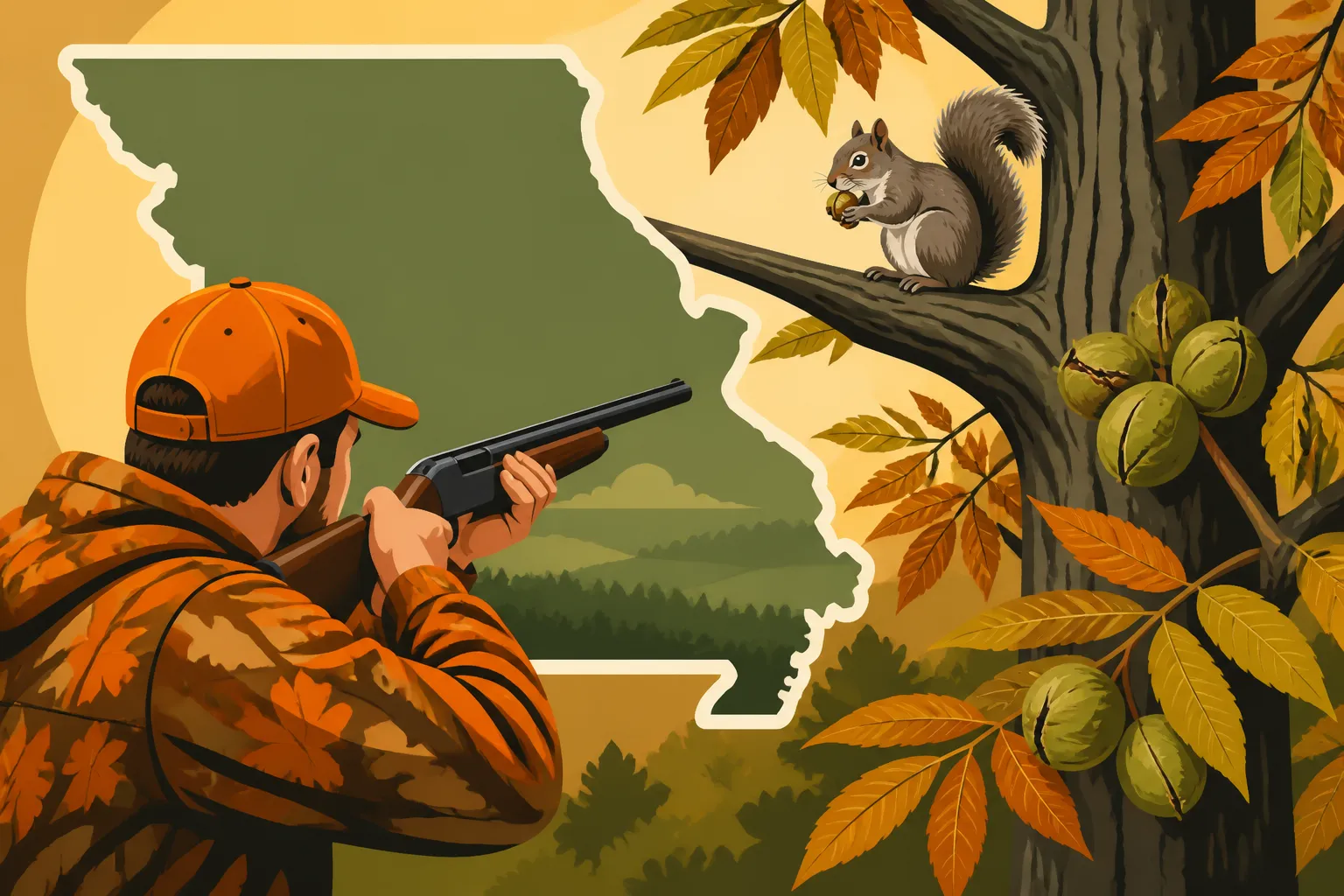
Squirrel Hunting in Hickories
There's nothing quite like the crisp autumn air or even a late-season chill, heading into the timber with high hopes of a limit of squirrels, only to walk for miles and see absolutely nothing. It’s a frustrating experience, especially when you know the woods are full of them. This guide is all about focusing your efforts and teaching you how to pinpoint those prime locations, specifically targeting the rich bounty found in Missouri's hickory stands, turning those empty walks into successful hunts.
Why Hickories are Squirrel Hotspots in Missouri
If you're serious about filling your limit of squirrels, you simply have to understand the incredible draw of hickory trees. These aren't just any old trees; they're literal squirrel magnets, especially during the fall and early winter months in Missouri. The reason is simple: hickory nuts are a powerhouse of nutrition and energy for these busy little rodents, providing the crucial fat and protein they need to survive the colder seasons. Unlike some other mast crops, hickory nuts tend to drop over a longer period, meaning a consistent food source for a good portion of the hunting season.
The Allure of Hickory Nuts
Think about it from a squirrel's perspective. They’re constantly foraging, constantly storing, and constantly evaluating the best bang for their buck, nutritionally speaking. Hickory nuts, with their hard shells protecting a rich, oily kernel, are exactly that. While acorns get a lot of attention, and for good reason, hickory nuts often contain more fat and calories, making them a premium food source. When hickory nuts start falling, squirrels will actively seek them out, often abandoning other food sources that might be less energy-dense. This intense focus makes finding them significantly easier for hunters.
Identifying Key Hickory Species
Missouri is home to several types of hickories, and while squirrels will happily munch on any of them, knowing the difference can sometimes give you an edge. The most common species you'll encounter that are great for hunting include:
- Shagbark Hickory: Easily recognizable by its long, peeling strips of bark, especially on mature trees. The nuts are thick-shelled and usually sweet, making them a favorite.
- Shellbark Hickory (Kingnut): Similar to shagbark but with even larger nuts and bark that peels in broad plates. These are often found in bottomlands and can produce massive crops of highly prized nuts.
- Pignut Hickory: This one has tighter, ridged bark and smaller, pear-shaped nuts. While perhaps not as preferred as shagbark or shellbark, squirrels certainly won't turn their noses up at them, especially if other mast is scarce.
- Mockernut Hickory: Named for its thick shell and small kernel, it still provides sustenance.
Knowing these characteristics helps you identify potential hotspots even before you see any sign. Look for the distinctive bark patterns, and then shift your focus to the ground below. The presence of a variety of hickory species within a timber stand suggests a consistent food source that squirrels will frequent.
Timing the Nut Drop for Peak Activity
The absolute best time to hunt squirrels in hickory timber is when the nuts are actively falling and squirrels are in a frenzy to gather them. This typically starts in late September and continues well into October, sometimes even November, depending on the specific year and species. Early in the season, you'll hear the "thump" of falling nuts and the distinct "crunch, crunch, crunch" as squirrels break them open. As the season progresses, you'll find more evidence on the forest floor, but the active feeding behavior remains. Pay attention to local conditions; a hot, dry summer might lead to an early drop, while a wet one might delay it. This is where local knowledge and scouting really pay off.
Scouting Hickory Stands for Squirrel Sign
Finding squirrels isn't always about walking until you see one. Often, it's about walking slowly, stopping frequently, and letting your ears and eyes do the work. The real secret weapon for consistent squirrel success, especially in hickory-rich areas, is thorough scouting. You need to become a detective, looking for clues that indicate heavy squirrel activity.
The Art of Finding Cuttings and Gnaw Marks
This is probably the most crucial scouting technique for hickory hunters. Squirrels are messy eaters, and they leave behind a tell-tale trail of evidence. When they're feeding on hickory nuts, they'll often sit on a log, a stump, or a branch, and methodically chew through the tough shell. The discarded shell fragments, known as "cuttings," accumulate below these feeding stations.
Look for fresh cuttings. These will still have a light, often moist, appearance. Older cuttings will be dry, discolored, and perhaps even moldy. Concentrated piles of fresh cuttings beneath a particular tree or log are like a neon sign for "squirrel buffet here!" Don't just scan; get down and actively sift through the leaves. The more fresh cuttings you find, the more likely you are to encounter active squirrels. This applies just as well when you are Reading Cuttings Under an Oak, showing how universal this scouting method is across different mast trees.
Beyond cuttings, look for gnaw marks on the nuts themselves that haven't been fully opened or on fallen branches. These indicate squirrels have been working on them. Also, pay attention to the trees themselves. Sometimes, you'll see bark rubbed or chewed, especially on smaller branches, if food is scarce, but primarily focus on the ground.
Utilizing Binoculars for Canopy Scouting
While ground sign is paramount, don't forget to look up! Squirrels build nests, called "dreys," high in the tree canopy. These are typically messy balls of leaves, twigs, and other debris wedged into crooks or hollows. While not every drey means a squirrel is home right now, a cluster of dreys in a hickory stand indicates a healthy, established squirrel population in that area.
Beyond nests, use your binoculars to scan the branches for any movement. Often, a squirrel will freeze when it spots you, blending perfectly with the bark. But with good optics, you might spot a twitching tail, an ear, or just the subtle outline of a squirrel hunkered down. This is where knowing Binocular Power for Timber Hunting can make a big difference, allowing you to pick out those tiny details against a cluttered background. Don't forget to check the upper limbs for any nuts still clinging on, as squirrels will often climb high to access them first.
Leveraging Mapping Apps for Timber Identification
In today's hunting world, technology can be a huge asset. Apps like GoHunt provide invaluable satellite imagery and public land boundary overlays. Before you even set foot in the woods, you can use these tools to identify areas with a high concentration of deciduous trees, which often include hickory stands. You can zoom in and often discern differences in canopy texture that might suggest different tree types.
Use these apps to plan your entry routes to minimize disturbance. Drop pins where you see promising timber types, or where you've found good sign on previous hunts. This level of preparation is key for efficient scouting. Thinking about Reading Aerial Photos for Ozark Deer is not much different than using them to locate prime squirrel habitat – the principles of identifying key landscape features remain the same. GoHunt can help you mark specific hickory groves, allowing you to return to productive spots year after year, building a detailed map of your hunting territory.
Seasonal Scouting Adjustments
Your scouting strategy will naturally evolve as the season progresses. Early in the fall, when the nuts are actively dropping, you’ll be focused on fresh cuttings and audible sounds. Later in the season, after the majority of the leaves have fallen, identifying nests and spotting squirrels high in the branches becomes easier. However, the ground sign of cuttings will remain valuable throughout. As winter sets in, squirrels might shift their focus to buried nuts or other food sources if the hickory crop is depleted, so understanding their seasonal movements is vital for sustained success.
Effective Hunting Tactics in Hickory Timber
Once you've done your scouting and pinpointed those hickory hotspots, it's time to put boots on the ground. Hunting squirrels effectively in timber requires a blend of stealth, patience, and sometimes, a bit of trickery. While many hunters might consider squirrel hunting a casual pursuit, a strategic approach will yield far more success.
The Quiet Art of Still-Hunting
Still-hunting is arguably the most effective method for squirrels in timber. This isn't a "power walk" through the woods. This is about moving at a snail's pace, taking one or two steps, then stopping and thoroughly scanning your surroundings. This tactic allows you to cover ground while also observing and listening.
As you move through a hickory stand, listen for the tell-tale "crunch" of a squirrel chewing on a nut, the rustle of leaves as they scamper, or even the soft thud of a falling nut. When you hear something, freeze. Let your eyes slowly sweep the trees, the ground, and any fallen logs. Squirrels are masters of camouflage, and often you won't see them until they move. Patience is key. If you think you hear something, stop and wait. Give it a minute or two. Often, the squirrel, thinking the coast is clear, will move again, giving away its position. This patient, methodical approach is similar to Still-Hunting After a Fresh Snow for deer, where quiet movement and observation are paramount.
Sitting and Waiting for Your Opportunity
Sometimes, the best approach is to simply find a promising spot and sit down. This works particularly well in areas where you've found abundant fresh cuttings, or if you've spooked a squirrel and want to wait for it to reappear. Choose a spot that offers good visibility, ideally with your back against a large tree for cover and to break up your outline.
Once settled, remain motionless. Let your eyes slowly scan, and your ears work overtime. You'll be amazed at how much more wildlife you observe when you simply sit and blend in. Squirrels, especially, will often emerge from hiding or resume feeding if they perceive no immediate threat. A comfortable, quiet seat (perhaps a small cushion or a hunting chair) can make a huge difference in your ability to remain still for extended periods. This passive approach often allows squirrels to forget about your presence, leading to multiple opportunities.
Using Calls to Bring Squirrels Closer
Believe it or not, squirrel calls can be incredibly effective, especially if activity is slow or if you've pinpointed a general area but can't quite see a squirrel. There are a few basic calls to master:
- Barking: A series of short, sharp barks can mimic a squirrel alerting others to danger or simply communicating. If you hear a squirrel barking, you can often bark back to get its attention, making it curious enough to show itself.
- Chattering: A rapid series of clucking sounds, often made when squirrels are excited or agitated.
- Distress Call: While less common for everyday squirrel hunting, a squealing distress call can sometimes draw in curious predators, and occasionally, other squirrels might respond to investigate.
Use calls sparingly and realistically. Don't blast away on your call every 30 seconds. A few barks, then silence, waiting for a response. If a squirrel is nearby and hears your call, it might pop its head out from behind a tree, or even come down a limb for a better look.
Choosing Your Weapon: Shotgun Versus .22
The choice of weapon often comes down to personal preference and the specific hunting situation.
- Shotgun: A 12-gauge or 20-gauge shotgun with a modified or full choke and squirrel loads (like #4, #5, or #6 shot) is an excellent choice for fast-moving targets or for shooting at squirrels in the canopy. It offers a wider pattern, increasing your chances of a hit on a squirrel that's on the move or partially obscured. This is particularly useful in dense timber. The trade-off is often more damaged meat if shots are close. Thinking about Shotgun Weight on a Long Walk is also a factor, especially if you're covering a lot of ground.
- .22 Rifle: For precision and minimal meat damage, a .22 long rifle is hard to beat. It requires a steadier hand and a more precise shot, but a well-placed headshot or chest shot means cleaner meat. The quiet report of a .22 also means you're less likely to spook every other squirrel in the vicinity, potentially allowing for multiple opportunities in the same area. Optics on your .22 can also improve accuracy, especially at slightly longer ranges or in low light.
Many experienced squirrel hunters carry both, using the shotgun for quick shots at close range and the .22 for more deliberate, distant opportunities. Ensure you're familiar with Missouri's Long Squirrel Season Explained and all legal hunting requirements before heading afield.
Gear and Tips for a Successful Hickory Hunt
Successful squirrel hunting, while seemingly simple, still benefits immensely from proper gear and a few tried-and-true tips. Being prepared not only makes your hunt more comfortable but also increases your chances of bringing home a limit.
Essential Clothing and Footwear
For squirrel hunting, comfortable and quiet clothing is paramount. You'll be moving slowly and stopping often, so layers are your friend, allowing you to adjust to changing temperatures. Camouflage is a good idea, but not strictly essential if you're practicing good woodsmanship and stillness. Earth tones work just fine. The most important thing is that your clothing doesn't rustle or make noise when you move or brush against branches.
As for footwear, comfortable, broken-in boots are a must. You'll be covering varied terrain, from damp creek bottoms to rocky ridges. Depending on the conditions, waterproof boots might be advantageous. If you're Walking Missouri Quail Country, you'll understand the importance of good, supportive footwear that can handle miles.
Optics and Other Important Tools
While not always considered "essential" for squirrel hunting by everyone, a good pair of binoculars can truly enhance your experience and success. As mentioned before, they're invaluable for picking out stationary squirrels high in the canopy or spotting subtle movement you'd otherwise miss.
Beyond that, a small game vest or a durable pouch is incredibly useful for carrying your harvested squirrels, keeping your hands free for your firearm. A small knife for cleaning or dispatching quickly, and a compass or GPS app (like GoHunt) for navigation, especially if you're delving deep into public land, are also wise additions. Don't forget a small water bottle and perhaps a snack to keep you comfortable during those patient sits.
Safety First: Rules and Best Practices
Even though squirrel hunting is generally low-impact, safety should always be your top priority.
- Positive ID: Always, always positively identify your target before taking a shot. Make sure it's a squirrel and not a protected species or another hunter's pet.
- Backstop: Be aware of your surroundings and ensure you have a safe backstop for your shot. Remember, a .22 bullet can travel a long way.
- Tree Stand Safety: If you're hunting from a treestand for squirrels (less common but possible), always use a safety harness.
- Legal Hours: Know the legal shooting hours for squirrels in Missouri. Typically, this is from one-half hour before sunrise to one-half hour after sunset.
- Permits: Ensure you have the proper permits. A valid Missouri Resident Small Game Permit Cost is usually required, unless you're a landowner hunting on your own property with specific exemptions.
- Respect Landowners: If hunting private land, always have explicit permission.
By paying attention to these details, you'll not only have a more productive hunt but also a safer and more enjoyable one. And once you've secured your limit, you can start dreaming about delicious recipes, as squirrels are truly among the Best-Eating Game in Missouri.
Missouri Squirrel Seasons and Regulations
Understanding the rules and seasons is crucial for any hunting endeavor, and squirrel hunting is no exception. Missouri has a generous squirrel season, allowing ample opportunity to hit the timber.
When to Hunt: Season Dates and Bag Limits
Missouri’s squirrel season is notably long, typically running from late May through February of the following year. This extensive season allows hunters to pursue squirrels during various stages of their life cycle and throughout changing environmental conditions. Early season hunting in the summer months (think June through August) offers the challenge of hunting in dense foliage and often warmer temperatures, but can be incredibly rewarding as squirrels are actively raising young and very visible. Later in the fall and winter, with leaves off the trees, visibility improves dramatically, but squirrels might be more focused on buried caches of nuts.
The daily bag limit for squirrels in Missouri is typically 10, with a possession limit of 20. This generous limit allows for plenty of action and a good take-home for the dinner table. Always double-check the current year's Missouri Department of Conservation (MDC) regulations, as they can occasionally change. The extended length of Missouri's Long Squirrel Season Explained gives hunters plenty of options to find the conditions they prefer.
Telecheck and Other Requirements
While deer and turkey harvests have specific Telecheck requirements, harvested squirrels generally do not need to be reported to the MDC. However, it's always a good practice to be aware of any changes. You must still possess a valid hunting permit, carry it with you while hunting, and follow all other state regulations regarding legal shooting hours, trespass laws, and weapon restrictions. Knowing the basics of Missouri's Hunter Education Requirements is also important, as is understanding all applicable rules for your chosen hunting area, whether it's public conservation land or private property.
Disclaimer
The information provided in this guide is for general informational purposes only and is not intended as legal advice. Hunting regulations, seasons, and permit requirements can change. Always consult the most current regulations published by the Missouri Department of Conservation (MDC) or other relevant authorities before engaging in any hunting activities. Adherence to all local, state, and federal laws is the responsibility of the hunter.