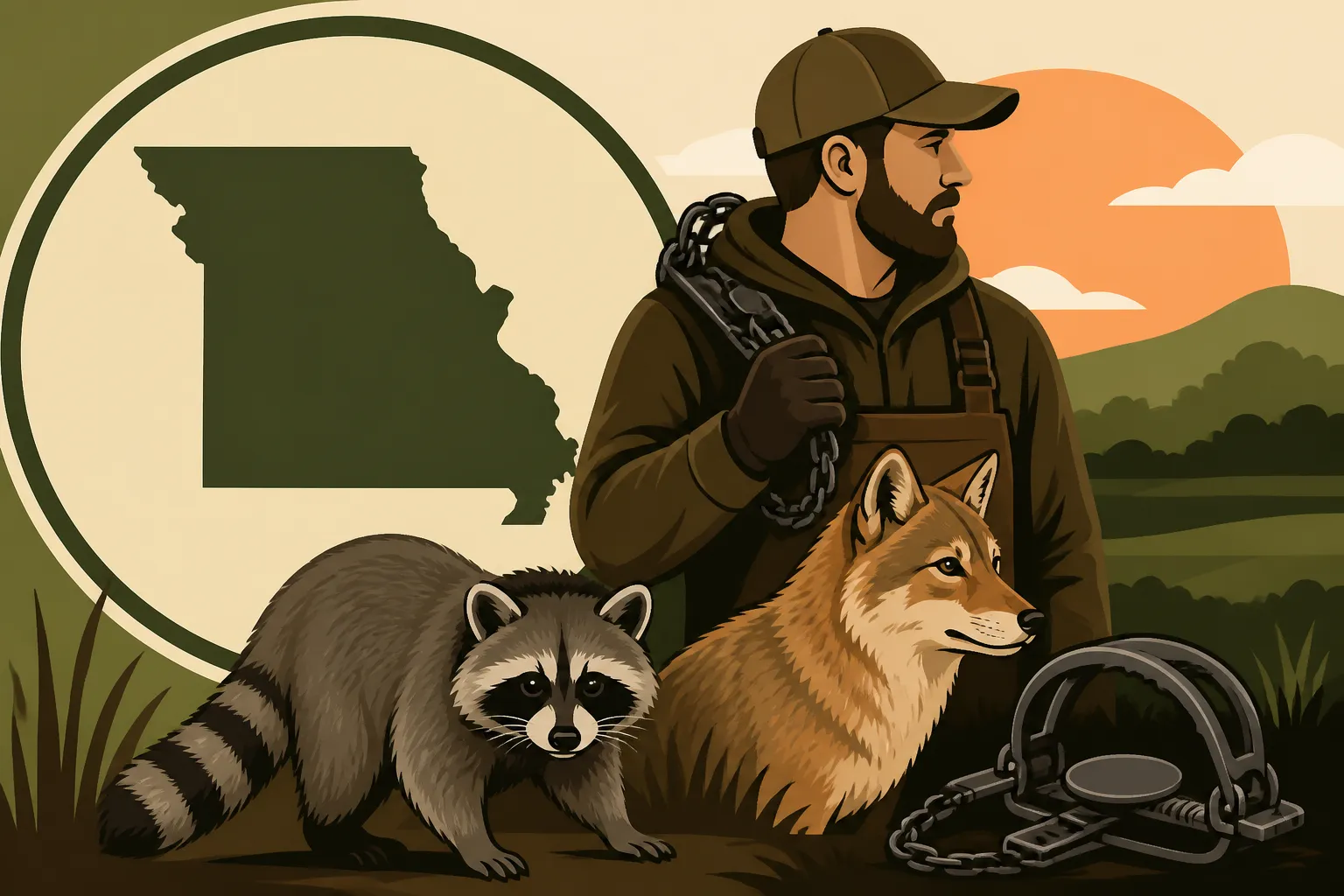
Trapping and Furbearer Permit Basics
Navigating the world of furbearer hunting and trapping in Missouri can feel like deciphering a secret code, especially for folks just getting started or those used to different regulations in other states. With permits, specific season dates, and even rules about what kind of trap you can use, it's easy to get overwhelmed. This guide is here to untangle all those complexities, walking you through the essential permit basics, season specifics, and crucial regulations to ensure your furbearer pursuits are both successful and completely legal.
Understanding Missouri's Furbearer Categories
Before you even think about buying a permit, it's really important to understand what you're pursuing in Missouri and how it's classified. Not all critters running around in our woods and fields are fair game, and even among furbearers, there are distinctions in how they can be taken.
Common Furbearers You Can Pursue
Missouri is a fantastic state for furbearer hunting and trapping, boasting a healthy population of several species that provide excellent opportunities. When we talk about "furbearers" in Missouri, we're primarily looking at animals like coyotes, bobcats, raccoons, opossums, skunks, weasels, both red and gray foxes, muskrats, mink, and beavers. Each of these animals plays a unique role in our ecosystem, and each presents a different challenge for the trapper or hunter.
For instance, raccoons are incredibly abundant, especially around water sources and agricultural fields. Their cunning nature makes them a favorite target for many, and their pelts, while not as highly valued as they once were, still offer a connection to a long-standing tradition. Coyotes, on the other hand, are often pursued for predator control, their wary nature making them a true test of skill, whether you're calling them in or setting snares. Then you have the semi-aquatic furbearers like beavers, muskrats, and mink, which require specialized knowledge of water sets and their habits along creeks and rivers. Knowing your target species' habits, preferred habitat, and general population trends – information often available through resources like the Missouri Department of Conservation (MDC) or detailed mapping tools such as GoHunt – is the first step to successful and responsible furbearer management.
Protected Species and What to Avoid
Just as important as knowing what you can pursue is knowing what you cannot. Missouri has several protected species, some of which might occasionally cross paths with a trapper or hunter, even accidentally. Examples include species federally or state-listed as endangered or threatened, such as the Indiana bat or the Ozark hellbender, which obviously aren't furbearers but serve as a reminder to always be aware of your surroundings. More relevant to furbearer activities, there are no open seasons for species like river otters in certain counties, or specific quotas and tagging requirements for bobcats and otters in general, which effectively places them in a different category than, say, a coyote.
It’s absolutely critical to be able to positively identify your target animal before you take a shot or set a trap. An honest mistake can lead to serious legal consequences, and more importantly, it can harm populations of vulnerable species. Missouri's furbearer regulations are designed to ensure sustainable harvest, and that means protecting the animals that need it most. Always double-check the current regulations for any species you intend to pursue, especially if you're venturing into a new area of the state or targeting a less common furbearer.
The Difference Between Hunting and Trapping Furbearers
While both hunting and trapping furbearers are covered under the same general permit in Missouri, the methods, ethics, and specific regulations for each are distinct. When we talk about hunting furbearers, we typically mean actively pursuing them with a firearm or bow, often at night, using calls (like for coyotes) or by still-hunting. This method relies on direct engagement and often allows for immediate harvest or release.
Trapping, however, involves passive methods: setting devices designed to capture animals without direct human presence at the moment of capture. This could include foothold traps, body-gripping traps, or snares. The regulations for trapping are often more detailed due to the nature of the activity, covering aspects like trap type, size, placement, and mandatory check times. For instance, specific rules dictate the distance traps can be set from public roadways or residences. Understanding the legal definitions and distinctions between "hunting furbearers" and "trapping furbearers" is paramount, as the specific rules you need to follow will depend entirely on the method you choose. Missouri's regulations outline these differences clearly, ensuring that whether you're on a night hunt for foxes or checking a trapline for beaver, you're operating within the legal framework. For deeper insights into specific hunting methods, you might explore topics like Coyote Calling in Missouri Farm Country or Running Hounds in Missouri.
Essential Permits for Trapping and Furbearer Hunting
This is where the rubber meets the road. Without the correct permits, all your scouting, research, and passion won't count for much. Missouri's permit system is relatively straightforward, but there are crucial differences depending on your residency and the specific furbearers you plan to target.
Resident vs. Non-Resident Permit Requirements
The first thing to understand is that permit costs and some eligibility requirements will differ based on whether you're a Missouri resident or a non-resident. It’s a common frustration for non-residents to face higher fees, but it's standard practice across most states, reflecting the investment residents make through taxes and other contributions to wildlife management.
For residents, obtaining the necessary permits is generally more affordable and accessible. You'll typically need to prove residency through a valid Missouri driver's license or state ID. Non-residents, while welcome to enjoy Missouri's furbearer opportunities, will find the permit prices higher. This difference in cost helps fund the conservation efforts that ensure healthy wildlife populations for everyone. Regardless of residency, the fundamental type of permit you'll need remains the same: a small game permit that includes trapping privileges. The MDC website is always the go-to source for current pricing, or you can check the MO Hunting app, which provides up-to-date information on all Missouri Deer Permits and How to Buy One, small game, and furbearer permits.
The Small Game Hunting and Trapping Permit
This is the cornerstone permit for most furbearer activities in Missouri. The "Small Game Hunting and Trapping Permit" is what you'll need whether you're chasing rabbits, squirrels, or setting traps for raccoons. It covers a wide range of species and activities, making it incredibly versatile. It's not just for small game birds and mammals, but specifically includes the authority to hunt and trap furbearers as defined by Missouri regulations.
This permit ensures that anyone engaging in these activities has contributed to the funding of conservation efforts, habitat management, and wildlife research that directly benefits these species. Remember, the cost of this permit, whether you're a resident or What a Nonresident Pays to Hunt Missouri, goes directly back into maintaining the health and abundance of Missouri's natural resources. It's a key part of the conservation system that allows us to enjoy these traditions. Make sure you have this permit in hand before you head out, whether you're planning on Squirrel and Rabbit Hunting in Missouri or setting your first trapline.
Additional Permits for Specific Species or Methods
While the Small Game Hunting and Trapping Permit covers most furbearers, there are critical exceptions and additional requirements for certain species, particularly bobcats and river otters. Missouri manages these populations very carefully due to their ecological value and past conservation concerns.
For both bobcats and river otters, in addition to your Small Game Hunting and Trapping Permit, you will need to obtain specific "pelvic bone permits." These aren't something you buy; rather, they are associated with the harvest itself and require a tagging and Telecheck process. This system allows the MDC to monitor the harvest of these species closely. You're required to Telecheck any harvested bobcat or otter, at which point you'll receive a confirmation number. This confirmation number effectively acts as your "tag." The pelt, or the entire carcass, must then be presented to an MDC agent to surrender the pelvic bone (for biological data collection) and receive a physical metal tag that must remain affixed to the pelt until it is processed or sold. This careful monitoring ensures that harvest levels remain sustainable. It's a crucial step that distinguishes these species from others like raccoons or coyotes, which don't require individual tagging. Be sure to check the specific regulations on Missouri Bobcat and Otter Tagging each year, as quotas and requirements can sometimes change based on population surveys.
Navigating Season Dates and Harvest Limits
Understanding when you can hunt or trap and how many animals you can take is just as important as having the right permit. Missouri's furbearer seasons are structured to align with peak fur quality and to ensure sustainable populations.
General Furbearer Season Dates
For many of Missouri's common furbearers, like raccoons, opossums, skunks, and both red and gray foxes, the season for both hunting and trapping typically opens in mid-November and runs through late January, sometimes into February. This timing is strategic: late fall and early winter are when furbearer pelts are at their prime, thick and well-insulated, making them more valuable to trappers and fur buyers. These cooler months also reduce issues with spoilage for harvested animals.
It's really important to note that while the general dates are consistent year-to-year, minor adjustments can occur, so always consult the current year's Missouri Wildlife Code. These season dates provide ample opportunity for those interested in either trapping or hunting furbearers. For example, if you're interested in Predator and Furbearer Hunting in Missouri, you'll find that November through January offers prime conditions for pursuing a variety of species. Knowing the precise opening and closing dates for When Missouri Trapping Seasons Open is fundamental to legal and ethical participation.
Species-Specific Seasons and Quotas
While many furbearers fall under a general season, bobcats and river otters operate under more specific, tightly regulated seasons and harvest quotas. Their seasons typically open simultaneously with the general furbearer season in November but may close earlier if statewide quotas are met. The MDC sets these quotas annually based on population monitoring and research to ensure the long-term health of these species.
For bobcats, there’s often a specific number of animals that can be harvested statewide. Once that number is reached, the season closes, sometimes quite abruptly. The same applies to river otters, though their quota might be managed on a slightly different scale. This is why the Telecheck and tagging process for these animals is so vital – it's how the MDC keeps a real-time count of the harvest and can announce an early season closure if necessary. Hunters and trappers are responsible for staying informed about these quota announcements. You can subscribe to MDC alerts, check their website frequently, or use tools like GoHunt to monitor the status of these special seasons. Mismanaging these harvests could lead to population declines, something all responsible hunters and trappers want to avoid.
Understanding Daily and Season Bag Limits
For many of Missouri's general furbearers, such as raccoons, opossums, skunks, and foxes, there are no daily or season bag limits. This means if you have the proper permits and are within the legal season, you can legally harvest as many of these animals as you are able to. This approach acknowledges the robust populations of these species, particularly raccoons and coyotes, and often encourages their harvest for population control or fur collection.
However, the lack of limits for some species highlights the contrast with more carefully managed animals. For bobcats and river otters, while there isn't a daily bag limit in the traditional sense, the statewide quota effectively acts as a season limit. Once the total number of harvested animals across the state reaches the predetermined quota, the season for that species is closed, regardless of how many you individually have taken up to that point. So, while you might not have a "limit of one bobcat per day," you're operating under a much larger, collective limit that could end the season early for everyone. Always be aware of these distinctions, and keep an eye on MDC announcements regarding special season closures. It’s critical to review the Missouri Fall Turkey and Small Game Permits information to ensure you understand all the nuances of bag limits for small game and furbearers.
Key Regulations and Best Practices for Trappers
Trapping is an effective and traditional method for furbearer management, but it comes with a strict set of regulations designed to promote ethical practices, public safety, and selective harvesting. These aren't just suggestions; they are legally binding rules.
Legal Trap Types and Setting Restrictions
Missouri allows several types of traps for furbearers, but each comes with its own set of rules regarding construction, size, and placement. The most common types include foothold traps, often referred to as "leghold traps," and body-gripping traps (like Conibear-style traps), as well as snares. Each has a specific application and associated regulations.
For foothold traps, size restrictions are often in place to ensure they are appropriate for the target species and minimize harm. For example, traps with an inside jaw spread greater than 6.5 inches might be prohibited, or certain types of offset jaws could be required. Body-gripping traps also have size limitations and are often restricted to water sets or elevated positions to avoid catching non-target animals, especially domestic pets. Snares, too, have loop size limitations and must be equipped with a breakaway device to allow larger animals like deer to escape. Perhaps the most critical placement restriction involves proximity to public roads and residences. Traps generally cannot be set within 50 feet of a public road, and within 100 yards of an occupied dwelling, you'll need written permission from the occupant. These rules are put in place not just for the animals' welfare but also for public safety. Always refer to the latest Missouri Wildlife Code for precise dimensions and placement rules, as they can be quite detailed.
Checking Traps and Humane Practices
One of the most fundamental ethical and legal requirements for trapping in Missouri is the daily checking of traps. Every trapper is legally obligated to inspect all traps at least once every 24 hours. This rule is paramount for several reasons: it minimizes the suffering of captured animals, allows for quick identification and release of non-target species, and ensures that valuable pelts aren't damaged by prolonged exposure or predation.
Beyond the legal minimum, responsible trappers understand that ethical practices go a long way in maintaining the public's acceptance of trapping. This includes using properly sized traps for the target species, employing methods that minimize injury, and being proficient in dispatching captured animals humanely and quickly. Carrying appropriate tools for dispatch, release, and making repairs to equipment are all part of being prepared. Additionally, taking steps to reduce non-target captures, such as careful trap placement and bait selection, is a hallmark of an ethical trapper. These best practices not only comply with the spirit of the law but also uphold the long-standing tradition of trapping as a responsible wildlife management tool. For more information on this, you might check Missouri Furbearer Permit Rules which usually details these obligations.
Landowner Permission and Public Land Considerations
Regardless of your experience level, the single most important rule when trapping or hunting on private land is to always obtain landowner permission. This isn't just a courtesy; in Missouri, it's a legal requirement. Trespassing, even accidentally, can lead to fines, loss of hunting/trapping privileges, and severe damage to the reputation of all hunters and trappers. Always secure written permission when possible, especially if you're setting traps that will be out for an extended period, as it provides clear documentation and avoids potential misunderstandings.
When it comes to public land, such as Missouri Conservation Areas or Mark Twain National Forest, specific rules apply, and they can vary. Some Conservation Areas may have restrictions on trap types, locations, or even prohibit trapping altogether. Mark Twain National Forest, while generally open to trapping, will still have rules about trap placement and potential seasonal closures in certain areas. It's crucial to consult the specific area regulations, often available on MDC area brochures or through mapping applications like GoHunt, which can show land ownership and specific area boundaries. Never assume that just because it's public land, anything goes. Always do your homework, respect property boundaries, and leave no trace behind. Remember, ensuring legal access is a core component, whether you are trying to find Public Hunting Land in Missouri or secure private ground.
Common Questions and Troubleshooting Permit Issues
Even with all the information in the world, things can still go sideways. Whether it's a lost permit, confusion about reporting, or simply where to buy your tags, knowing how to troubleshoot these common issues can save you a lot of headache.
Buying Permits Online and In-Person
Getting your Missouri hunting and trapping permits is thankfully quite easy these days, offering flexibility to suit your preferences. The most convenient method for many is purchasing permits online directly through the Missouri Department of Conservation's website. This allows you to buy your permits from the comfort of your home, print them immediately, or save them digitally to your phone. It's fast, efficient, and usually available 24/7. This online system is well-integrated and provides a smooth experience, making it easier than ever to get your Missouri Fall Turkey and Small Game Permits or other necessary tags.
Alternatively, if you prefer a more traditional approach, you can purchase permits in person from a wide network of vendors across the state. This includes many sporting goods stores, bait shops, and even some grocery stores that are authorized MDC permit vendors. This option is great if you have questions you want to ask a real person, or if you find yourself needing a permit last-minute while already out in the field. Lastly, the MO Hunting mobile app is another fantastic digital option, allowing you to buy and store your permits right on your smartphone, even if you don't have cell service once you're deep in the woods or on the water.
What to Do if You Lose Your Permit
It happens to the best of us: you're out in the field, reach for your permit, and it's simply not there. Don't panic! Losing a permit doesn't mean your season is over or that you're instantly in trouble, but you do need to address it promptly. The good news is that Missouri has made it relatively easy to replace lost permits.
If you purchased your permit online or through the MO Hunting app, you can usually log back into your MDC account and simply reprint it. This is often the quickest and easiest solution. If you purchased it in person, you might need to visit an MDC office or an authorized permit vendor. They can typically look up your purchase history and issue a duplicate permit, though a small replacement fee might apply. The key is to replace it as soon as possible, as you must have your valid permit in your possession while hunting or trapping. Operating without a valid permit, even if you just misplaced it, can lead to citations from conservation agents. So, as soon as you realize it's gone, make it a priority to get a replacement.
Reporting Harvests and Telecheck for Furbearers
For most general furbearers like raccoons, foxes, and coyotes, there isn't a mandatory Telecheck or reporting requirement after harvest. You simply take them within the legal season with your valid permit. However, as we discussed, bobcats and river otters are a completely different story. These species do require mandatory Telecheck and physical tagging.
When you harvest a bobcat or river otter, you are legally required to Telecheck it using the MDC’s online system or by calling their dedicated Telecheck phone number. This must be done by a specific deadline, typically the same day of harvest. During the Telecheck process, you'll provide information about the harvest (date, county, sex of the animal), and in return, you'll receive a confirmation number. This confirmation number must be written on a temporary tag and affixed to the animal. The final step for bobcats and otters is to present the pelt or whole carcass to an MDC agent to surrender the pelvic bone (for biological data collection) and receive a permanent metal tag. This tag must remain attached to the pelt until it's processed by a fur buyer or taxidermist. Failing to follow these steps for bobcats and otters can result in severe penalties, as this data is crucial for monitoring these populations. Always keep the current year's Missouri Wildlife Code handy to ensure you're compliant with all reporting rules.
Furbearer Permit Summary
Below is a quick overview of the primary permits and requirements for pursuing furbearers in Missouri. This table is a simplified guide, and it is always essential to consult the most current Missouri Wildlife Code for complete and up-to-date regulations.
| Permit Type | Required For | Cost (Resident / Non-Resident) | Notes |
|---|---|---|---|
| Small Game Hunting and Trapping | All furbearer hunting and trapping (most species) | Check MDC for current prices | Covers raccoons, foxes, opossums, coyotes, skunks, mink, muskrats, beavers. |
| Bobcat/Otter Pelvic Bone Permit | Harvest of Bobcat or River Otter | No upfront cost (tied to Telecheck) | Requires mandatory Telecheck and physical tagging by MDC agent. Quotas apply. |
| Conservation Order Permit | Spring Light Goose Conservation Order | Check MDC for current prices | Not for furbearers, but a common special permit for migratory birds. |
Disclaimer
The information provided in this guide is intended for general informational purposes only and does not constitute legal advice. Hunting and trapping regulations in Missouri are subject to change. It is the individual hunter's and trapper's responsibility to consult the most current Missouri Wildlife Code and confirm all regulations with the Missouri Department of Conservation (MDC) before engaging in any hunting or trapping activities. Failure to comply with regulations can result in penalties.