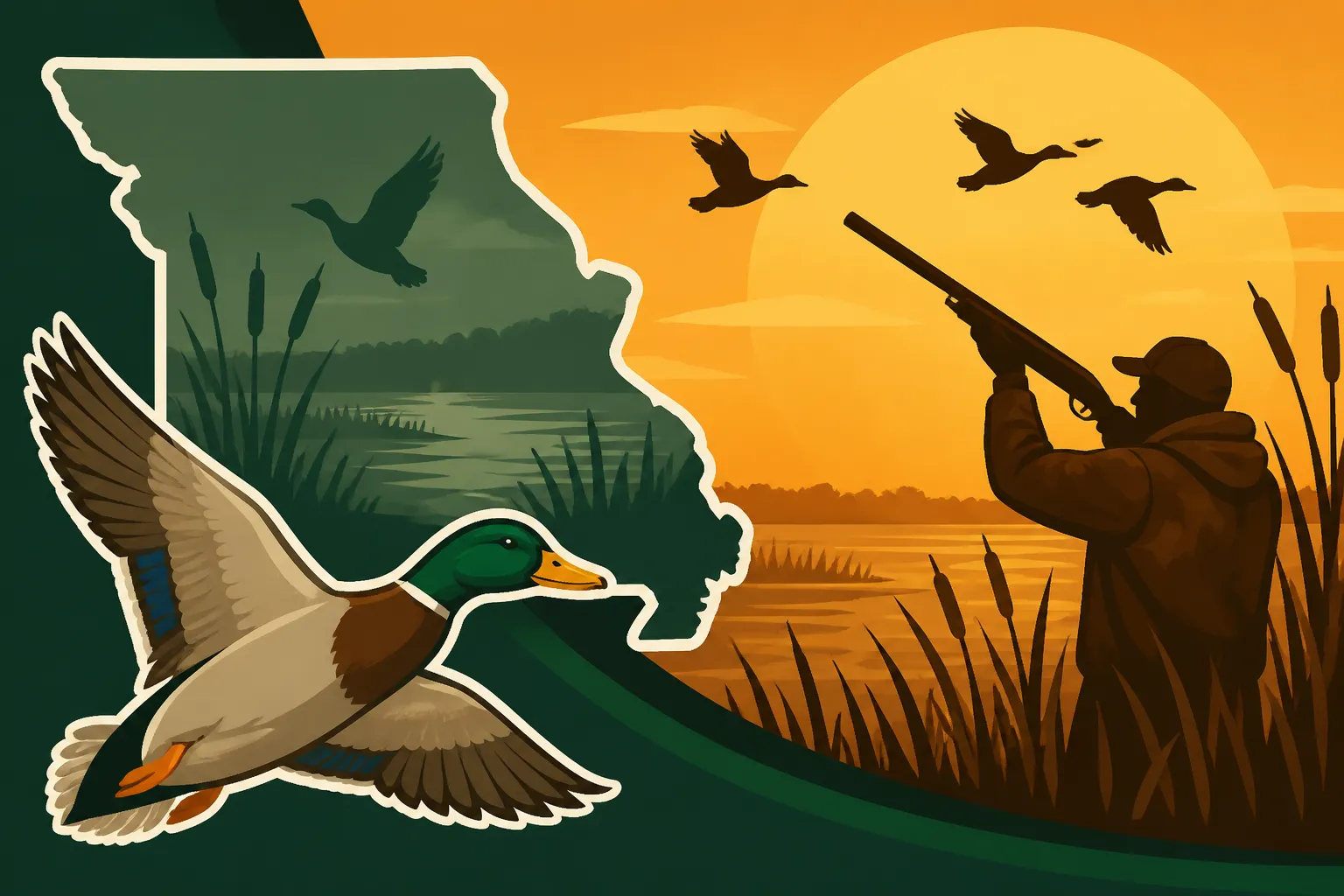
Missouri North Duck Zone Dates
Navigating the ever-changing landscape of duck season dates in Missouri can feel like trying to hit a teal flying at Mach speed – confusing, frustrating, and if you get it wrong, you might miss your shot entirely or even worse, find yourself on the wrong side of a regulation. It's a common struggle for waterfowlers to keep track of when to hit the blind, especially with different zones and splits. This comprehensive guide is here to clear the muddy waters, specifically focusing on the Missouri North Duck Zone dates, so you can plan your hunts with confidence and get ready for some fantastic waterfowl action.
Understanding Missouri's Duck Zones: Why it Matters
Missouri is a diverse state, stretching from the northern plains and rolling hills down to the rugged Ozarks and the low-lying Bootheel. This geographical variety, combined with different waterfowl migration patterns, is precisely why the Missouri Department of Conservation (MDC) breaks the state into distinct duck zones. It's not just to make things complicated, I promise! These zones are designed to maximize hunting opportunities for hunters while also aligning with the migratory timing of ducks and geese as they make their way down the Mississippi Flyway.
The Purpose of Duck Zones
The primary purpose of having different duck zones – North, Middle, and South – is to better manage waterfowl populations and provide equitable hunting opportunities across the state. Think about it: ducks migrating from Canada and the northern states will typically arrive in northern Missouri much earlier than they reach the Bootheel. If we had a single, statewide season, hunters in the north would have a fantastic early season, but might miss out completely when the bitter cold pushes those birds further south. Conversely, southern hunters would start too early, before the main migration even gets there. By tailoring season dates to these regional migration patterns, the MDC aims to offer quality hunting experiences throughout the state, aligning with federal frameworks that dictate season lengths and timing. It's about finding that sweet spot where hunters can be out there when the birds are.
The North Zone Boundary Explained
The North Zone in Missouri generally covers the upper half of the state, roughly north of the Missouri River. Specifically, the boundary for the North Zone is defined as follows: Starting at the Kansas border, it runs east along U.S. Highway 36 to St. Joseph, then continues east along U.S. Highway 36 to its intersection with U.S. Highway 65. From there, it follows U.S. Highway 65 south to Marshall, then east along U.S. Highway 24 to Moberly. Finally, it proceeds east along U.S. Highway 24 to the Illinois border. Essentially, if you're hunting anywhere north of that line, you're in the North Zone. Knowing this boundary is absolutely critical, as season dates can vary significantly even a few miles north or south of the line. Before you even think about setting decoys or calling, make sure you know Which Missouri Duck Zone You Are In. A quick check on the official MDC website or using a reliable hunting app like GoHunt can save you a lot of grief.
Diving Deep into the Missouri North Duck Zone Dates
Now, let's get down to the nitty-gritty: the specific dates for the Missouri North Duck Zone. Unlike a single, continuous stretch, the duck season often features "splits" – breaks in the season – designed to accommodate different migration waves and prevent over-harvest during specific periods. This means you need to pay close attention to not just the start and end dates, but also any mid-season closures.
The Early Teal Season in the North Zone
Before the regular duck season even begins, North Zone hunters get a special treat: the early teal season. This short, often warm, season is specifically for blue-winged, green-winged, and cinnamon teal, which are some of the earliest migrants to pass through Missouri. Typically, this season runs for about 16 days in September. It's a fantastic opportunity to shake off the rust, get your dog some retrieves, and enjoy some fast-flying action before the main flocks of mallards and other species arrive. The early teal season is a unique chance to hunt when the weather is still pleasant, though it often requires different tactics than late-season hunting, like focusing on shallower waters and smaller marshy areas where teal prefer to feed. Make sure you're properly identified with a Missouri HIP Registration for Migratory Birds before heading out for teal.
Regular Duck Season Breakdown
The regular duck season in the Missouri North Zone is where most of the action happens. It usually consists of two distinct segments, or "splits." The first split typically opens in late October and runs for a couple of weeks into early November. This is often a prime time as the first major push of mallards, gadwalls, wigeon, and other puddle ducks start to arrive, especially if cold fronts are moving through to our north. Hunters during this period might see a mix of early-season birds still around from the teal migration and the fresh arrivals. The weather can be unpredictable – one day it's Indian summer, the next it's a brisk November chill.
Following this first split, there's a short closure, often timed around the peak of Missouri's firearms deer season. This break allows ducks to rest and disperse from heavy hunting pressure and also prevents conflicts between deer and duck hunters sharing public lands. It's a strategic move to benefit both game species and hunter experiences.
The Late Split and Its Impact
After the mid-season break, the North Zone reopens for its second, or "late," split, which usually runs from mid-November through late December, often culminating around Christmas. This is when Missouri's North Zone truly shines for waterfowlers, especially if the weather cooperates with consistent cold fronts to our north. More ducks, including diving ducks like scaup and canvasbacks, push further south into the state, seeking open water and available food sources. This part of the season is characterized by colder temperatures, icy conditions, and often more challenging hunting scenarios. Fields of standing corn and beans become critical food sources, drawing in large numbers of ducks. Hunters often find themselves bundling up, breaking ice, and working harder to get birds, but the rewards can be incredible. Understanding Missouri Duck Season Dates by Zone is crucial for planning not just for the North Zone but also if you plan to travel to other zones.
Navigating Permits, Regulations, and Key Considerations
Beyond just knowing the dates, a successful and legal duck hunt requires understanding the necessary permits, abiding by specific regulations, and planning your strategy around the season's structure. Missing a small detail here could lead to a hefty fine or, worse, losing your hunting privileges.
Essential Permits for Waterfowlers
To legally hunt ducks in Missouri, you'll need a few key permits. First and foremost, a valid Missouri small game hunting permit is required for residents and non-residents alike. If you're a non-resident, the cost will be higher, but it grants you access to all the fantastic hunting Missouri has to offer. Next, all migratory bird hunters 16 years of age or older must purchase a valid federal migratory bird hunting and conservation stamp, commonly known as a Missouri Federal Duck Stamp Requirement. This stamp not only allows you to hunt migratory birds but also contributes directly to waterfowl habitat conservation. Finally, you must also be registered with the Harvest Information Program (HIP). This free registration helps the US Fish and Wildlife Service gather important harvest data to manage migratory bird populations effectively. You can often do this when purchasing your other permits online or at a license vendor.
Key Regulations Specific to the North Zone
While many regulations are statewide, there are often subtle nuances or enforcement priorities that can feel more pronounced in certain areas, including the North Zone. For instance, non-toxic shot is required for all waterfowl hunting throughout Missouri, especially on federal and state conservation areas. This is particularly relevant in the North Zone with its numerous public wetlands and managed areas. If you're hunting in locations like Fountain Grove Conservation Area or Swan Lake National Wildlife Refuge, this rule is strictly enforced, so make sure your shells are steel, bismuth, or another approved non-toxic material. Additionally, understanding daily bag limits and possession limits is paramount. The specific limits on mallards, pintails, wood ducks, and other species can vary and are often a point of confusion for hunters. Always check the current year's Missouri Hunting and Trapping Regulations booklet or consult the MDC website. Another critical rule pertains to baiting: it is illegal to hunt waterfowl over a baited area. This includes placing grain or other food to attract birds. This regulation is strictly enforced and designed to ensure fair chase. Many hunters use mapping applications like GoHunt to scout areas for natural food sources, avoiding any potential issues with baited areas.
Planning Your Hunt Around the Dates
The split season structure in the North Zone offers both challenges and opportunities. During the early part of the first split, the weather can still be mild, and many birds may not have fully migrated. This is a great time for jump shooting smaller creeks or targeting local birds on ponds and flooded timber. As the season progresses into the late split, expect colder temperatures and often larger concentrations of birds. This is when strategic decoy spreads, robust calls, and well-insulated gear become essential. Think about how the dates align with major cold fronts to the north, which often push new birds into the state. You might want to consider Hunting the Missouri Rut in Early November for deer during the duck season break, making the most of your time afield. Planning your vacation days or weekend trips around these specific splits can significantly impact your success and enjoyment.
Missouri North Zone Duck Season Dates (Typical)
| Early Teal Season | Mid-September (e.g., Sept 9 – Sept 24) |
|---|---|
| Regular Season (First Split) | Late October – Early November (e.g., Oct 28 – Nov 9) |
| Regular Season (Late Split) | Mid-November – Late December (e.g., Nov 18 – Dec 30) |
Note: These dates are typical and subject to change annually by the Missouri Department of Conservation and federal frameworks. Always verify current dates on the official MDC website before hunting.
Maximizing Your Success in the North Zone
Hunting the Missouri North Duck Zone offers incredible opportunities, but success often boils down to preparation, adaptability, and understanding the specific conditions that each part of the season presents. It's not just about showing up; it's about being strategic.
Scouting Strategies for Early Season
When the early teal season or the first regular split rolls around, temperatures can still be warm, and ducks might not be in their typical late-season haunts. This means your scouting should focus on different areas. Look for shallow water, natural emergent vegetation, and smaller potholes rather than vast flooded fields. Teal love these kinds of spots. They're often found on smaller bodies of water that warm up quickly, or in areas with abundant submerged aquatic vegetation. During the first regular split, pay attention to agricultural fields that have been harvested, especially if there's been recent rain to create shallow sheet water. Ducks will quickly find these new food sources. Using mapping tools, including the layers offered by GoHunt, can help you identify these types of habitats and potential access points, especially on Scouting Missouri Public Land Before Season. Spend time driving back roads, looking for ducks feeding in fields or resting on open water. Early morning and late evening flights are your best indicators of where birds are spending their time. Don't be afraid to Jump Shooting Small Creeks or smaller impoundments if the big water isn't producing.
Adapting to Late Season Conditions
The late split in the North Zone is a different beast entirely. As December rolls in, cold weather becomes the norm. Ice often forms on smaller bodies of water, forcing ducks to larger, deeper impoundments or areas with moving water like rivers. Your tactics need to change with the conditions. Focus on big water like the Missouri River, or major conservation areas with managed open water. Fields of standing corn or harvested beans become incredibly attractive as food sources. This is when Layout Blinds for Missouri Cut Fields and larger decoy spreads for field hunting become crucial. If you're hunting timber, be prepared for icy conditions and potentially frozen ground, making access more difficult.
This is also when strong, effective duck calling becomes even more important, especially when birds are wary and educated. Consider a variety of calls, knowing that Duck Calling in Timber Versus Open Water requires different approaches. Keep an eye on the weather forecast for significant cold fronts. These are the events that push new waves of ducks into the area, offering some of the best hunting of the season. Also, remember to stay warm! Waders for Missouri Flooded Timber with good insulation, along with proper layering, can make or break a cold December hunt. Adapting your setup, calling, and even your mentality to the biting cold and the smarter, more pressured birds is key to consistent success in the late North Zone season.
Disclaimer
Please remember that hunting regulations and season dates can change annually. While this guide provides general information, it is your responsibility to verify all current rules, dates, and permit requirements with the Missouri Department of Conservation (MDC) before engaging in any hunting activities. Always prioritize safety and legal compliance in the field.