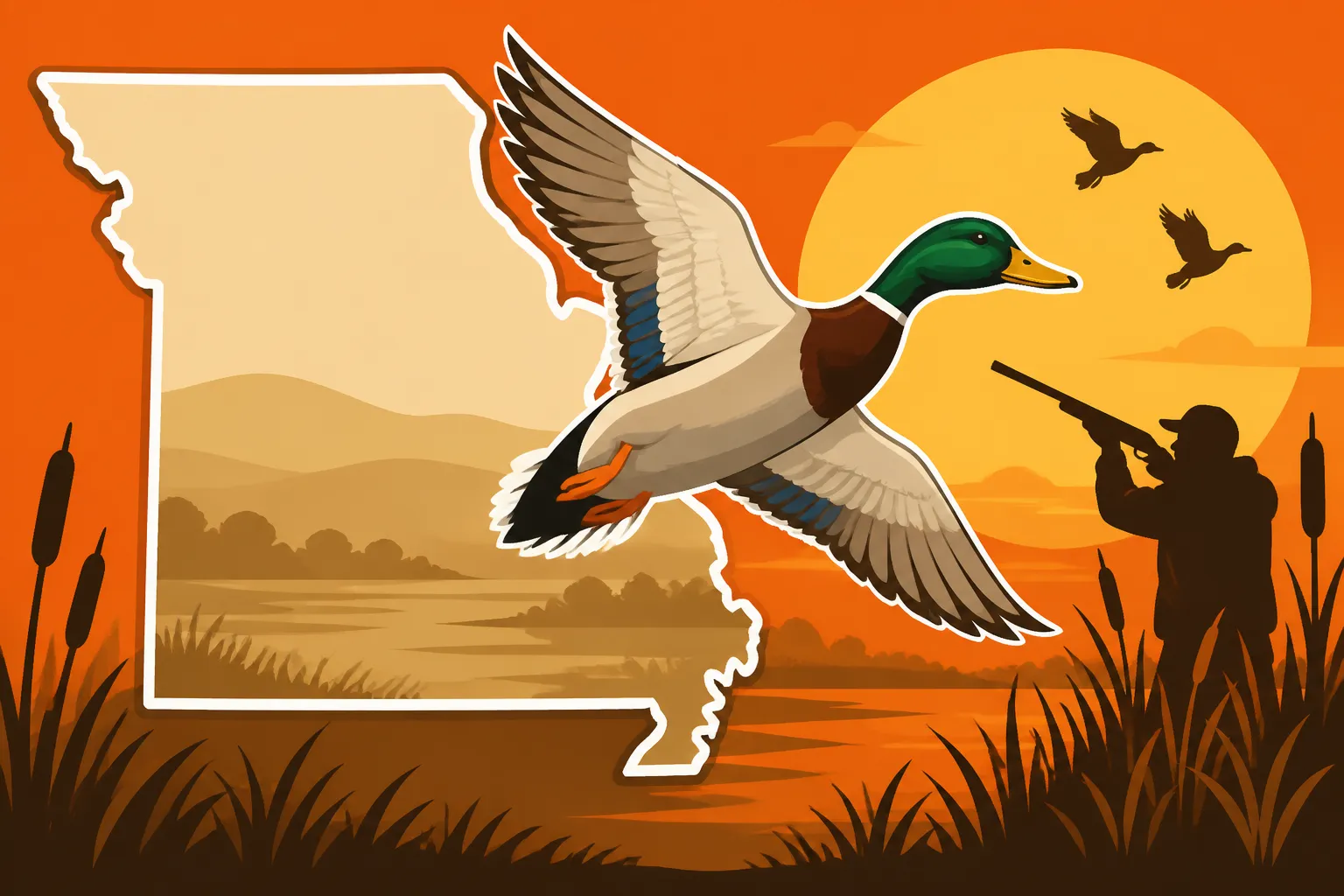
Missouri Middle Duck Zone Dates
There’s nothing quite like the anticipation of a Missouri duck season, but let's be real, trying to keep track of all the different dates and zones can feel like trying to hit a green-winged teal at 60 yards in a crosswind. It’s enough to make your head spin! This comprehensive guide will walk you through everything you need to know about the Missouri Middle Duck Zone dates, so you can plan your hunts effectively and stay on the right side of the regulations.
Understanding Missouri's Duck Zones
Before we dive into the specific dates for the Middle Duck Zone, it’s really helpful to understand why Missouri even has different duck zones to begin with. It's not just to make things complicated, I promise! The varying geography and migration patterns across our great state play a huge role.
Why Missouri Has Multiple Duck Zones
Missouri sits smack dab in the middle of the Mississippi Flyway, a superhighway for migratory birds traveling between their northern breeding grounds and southern wintering areas. As ducks move south in the fall, they don't all arrive or pass through Missouri at the same time. The northern part of the state often sees the earliest pushes of birds, especially dabblers like teal and early mallards, as colder weather starts to freeze up water further north. The southern regions, particularly the Bootheel and along major rivers, tend to hold birds later into the season as they seek open water and available food sources when the rest of the state might be locked up in ice.
To try and maximize hunting opportunities for folks across the state, and to align seasons with when the bulk of the birds are typically present in a given area, the Missouri Department of Conservation (MDC), working within federal frameworks, divides the state into three distinct duck zones: North, Middle, and South. This system allows for slightly staggered season openers and closers, giving hunters a better chance to intercept birds, whether they're pursuing early-season teal or late-season mallards on big water. It's an attempt to adapt to Mother Nature's ever-changing schedule, which, as any duck hunter knows, is never quite predictable!
Defining the Middle Zone Boundaries
So, what exactly constitutes the Missouri Middle Duck Zone? It’s important to know the boundaries clearly, because stepping even a few miles over a line can put you in a different zone with different dates and potentially different rules. The Middle Zone essentially covers the large central portion of the state, including some of our most productive duck hunting areas.
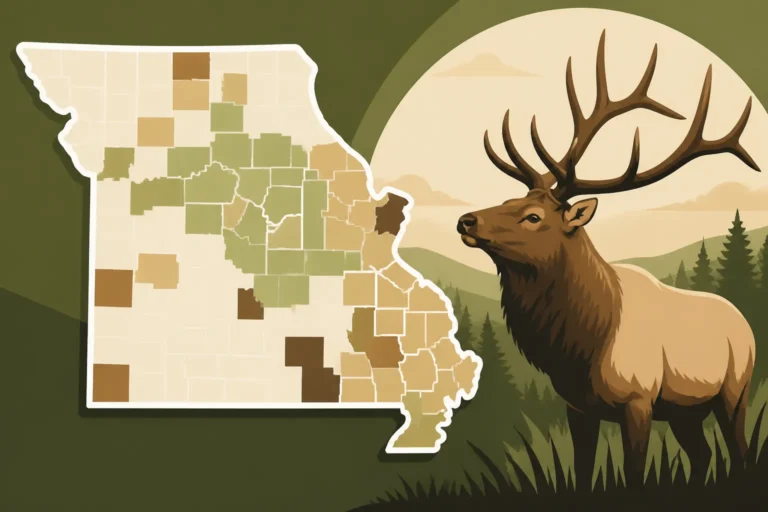
The official boundary for the Missouri Middle Duck Zone generally runs from west to east. On the north, it’s bordered by a line that roughly follows U.S. Highway 36 from the Kansas border east to the Illinois border. This separates it from the North Zone. On the south, the Middle Zone is bordered by a line that generally follows U.S. Highway 54 from the Kansas border east to the junction with U.S. Highway 65; then south on U.S. Highway 65 to the junction with U.S. Highway 60; then east on U.S. Highway 60 to the Illinois border. This southern boundary separates it from the South Zone. If you're looking at a map, it's a big, wide band right through the heart of Missouri, encompassing places like the massive reservoirs, parts of the Missouri River bottoms, and numerous smaller conservation areas and private wetlands. For a detailed visual, checking the official MDC map or an app like GoHunt which often integrates these boundaries, is highly recommended. Understanding these lines is critical, especially if you hunt near the edges of a zone or plan to travel. You can learn more about specific geographic definitions in this guide to Missouri Duck Zone Boundaries.
Specific Dates for the Middle Duck Zone
Now for the meat and potatoes! Knowing the exact season dates for the Middle Duck Zone is paramount for planning your hunts, requesting time off, and making sure your gear is ready. These dates are set annually by the Missouri Department of Conservation (MDC) within federal guidelines, so it’s always a good idea to double-check the current year’s waterfowl regulations.
The Standard Season Structure
Typically, the Middle Duck Zone has a split season structure, meaning there's an opening segment, a short closure, and then a reopening segment. This split is designed to allow hunters to target early migrating birds and then again later, when a new push of ducks might arrive or when colder weather concentrates birds on remaining open water. For the most recent 2024-2025 season, the Middle Zone duck season is structured as follows:
- First Segment: Late October (e.g., October 26) through early November (e.g., November 3)
- Closed Period: Mid-November (e.g., November 4-14) – This is often done to give birds a break, or to align with the state's popular firearms deer season.
- Second Segment: Mid-November (e.g., November 15) through late December (e.g., December 26)
These dates encompass a wide range of migration periods and weather conditions. The early segment often offers milder weather and a chance at some local birds or early arrivals. The second segment, especially after the November break, typically sees colder weather and the arrival of more mallards and other species from further north. Remember, these are general dates, and you must consult the current year's official MDC waterfowl regulations to confirm exact dates for any given season. It’s always better to be safe than sorry!
Youth and Veteran/Active Military Dates
Missouri is fantastic about offering special opportunities for youth, veterans, and active military personnel. These special hunts typically occur on designated weekends outside of the regular statewide season dates, providing a less pressured environment for these hunters to enjoy the outdoors. For the Middle Duck Zone, the youth and veteran/active military hunting days usually fall in late October or early November, often before the regular season opens or during the split.
For instance, the Youth Waterfowl Hunting Days for the Middle Zone might be set for a weekend in late October. These days allow hunters 15 years of age or younger to hunt ducks, geese, coots, and other migratory game birds with adult supervision. The accompanying adult must be 18 years or older and possess all necessary permits, but is not allowed to hunt ducks themselves. Similarly, Veteran and Active Military Personnel Waterfowl Hunting Days are often scheduled concurrently with the youth hunts or on a separate weekend nearby. These days are open to veterans, active duty military personnel, and members of the National Guard and Reserves. This is a wonderful way to honor their service and introduce new generations to the tradition of waterfowl hunting, allowing them to gain valuable experience without the usual crowds. Always check the annual regulations for these specific dates, as they can shift slightly from year to year.
The Impact of Federal Frameworks
It's important to understand that the Missouri Department of Conservation doesn't just pull these dates out of a hat. All migratory bird hunting seasons, including ducks, are established within frameworks set by the U.S. Fish and Wildlife Service. These federal frameworks dictate the maximum number of hunting days, season lengths, and earliest/latest allowable dates based on annual waterfowl population surveys and habitat conditions across the continent.
MDC then works within these federal guidelines, considering local factors like hunter feedback, past harvest data, and regional duck migration patterns to select the specific season dates for each zone. This balance ensures conservation efforts are maintained while providing reasonable hunting opportunities. This also means that while dates tend to follow a general pattern, they can shift slightly from year to year based on federal recommendations or biological data, making it crucial to always verify the current season's information from official MDC sources or trusted hunting apps like GoHunt, which strives to keep information up-to-date.
Factors Influencing Season Dates and Your Strategy
Understanding the fixed season dates is just one part of the puzzle. Real-world duck hunting success in the Missouri Middle Zone often hinges on how well you can adapt your strategy to the dynamic factors that truly dictate bird movement.
Migration Timing and Weather Patterns
Let's face it, ducks don't read calendars. While the season dates provide a window, the actual presence of ducks is heavily influenced by Mother Nature. The big pushes of migrating ducks, especially the coveted mallards, often correlate directly with significant weather changes to our north. A strong cold front, or even better, a blizzard in the Dakotas or Minnesota, can send thousands of birds heading south, right into Missouri's Middle Zone.
This means that while the season might open in late October, the quality of the hunting can vary wildly from year to year depending on how early or late the colder weather hits. Sometimes, the early segment of the season offers fantastic hunting for local wood ducks and teal, and maybe an early wave of mallards. Other years, it might be unseasonably warm, and birds are scattered or haven't arrived in force yet. The later segment, often after the November deer firearms portion, frequently provides more consistent hunting as prolonged cold weather drives birds down and concentrates them on larger bodies of water or managed wetlands that remain unfrozen. Keep an eye on the long-range weather forecasts for both Missouri and the states directly to our north; it's one of the best ways to predict when the flight might be on.
Scouting and Adaptability
Given the unpredictable nature of duck migration, your hunting strategy in the Middle Zone must be built on thorough scouting and a willingness to adapt. Don't just pick a spot and stick to it all season, especially on public land. Ducks are constantly moving in response to food availability, water conditions, and hunting pressure.
Before the season, and throughout it, spend time driving rural roads, glassing fields, and observing local ponds and rivers. Look for ducks loafing in flooded timber, feeding in cut corn, or congregating on sheet water. Pay attention to water levels, especially on smaller bodies of water or river bottom areas; a sudden drop or rise can completely change where birds want to be. Apps like GoHunt or the MDC's online conservation atlas can be invaluable tools for identifying potential hunting spots and understanding the lay of the land, including detailed maps of areas like the Missouri Conservation Areas Explained and Missouri Managed Wetland Areas. If your usual spot isn't producing, be prepared to move. This might mean trying a different conservation area, knocking on a few doors for private land access, or even completely changing your style, perhaps moving from Flooded Timber Duck Hunting in Missouri to hunting a river sandbar. The most successful hunters are those who treat each week of the season as a new challenge, adjusting their tactics to where the birds are, not where they were.
Important Regulations and Permit Details for Middle Zone Hunters
Hunting in Missouri, especially for migratory birds, comes with its own set of rules and required paperwork. Neglecting these details can lead to fines or worse, so it's critical to be informed. This isn't just bureaucracy; it's about managing our shared wildlife resources sustainably.
Essential Permits and Endorsements
To legally hunt ducks in the Missouri Middle Zone, you'll need more than just a hunting license. There are several specific permits and endorsements required, and it's essential to have them all in order before you head out.
First, you'll need a valid Missouri Small Game Hunting Permit (or a Nonresident Small Game Permit if you're not a resident). This is your basic hunting license for all small game and migratory birds. On top of that, you'll need a Missouri Migratory Bird Hunting Permit. This is a specific state permit that designates you as a migratory bird hunter. Beyond the state permits, federal requirements come into play. Every waterfowl hunter 16 years of age or older must purchase a Federal Migratory Bird Hunting and Conservation Stamp, more commonly known as a Federal Duck Stamp. You can buy these at most post offices, many sporting goods stores, or even online. Don't forget to physically sign your Federal Duck Stamp across the face—it's a legal requirement! Finally, you'll need to be Harvest Information Program (HIP) registered. This free registration provides the U.S. Fish and Wildlife Service with data on migratory bird hunters, helping them make informed management decisions. It’s usually completed when you purchase your state permits, often just by answering a few simple questions. Double-check your license to ensure you have all these components, as missing even one can render your hunt illegal. For non-residents, understanding What a Nonresident Pays to Hunt Missouri is crucial, as costs and some specific rules can differ.
Bag Limits and Species Specifics
While the Middle Zone dates tell you when you can hunt, the daily bag limits and species restrictions tell you what and how many ducks you can harvest. These limits are designed to prevent overharvest and ensure healthy populations of all duck species. Missouri's daily bag limit for ducks is a composite bag, meaning it's a total number of ducks but with specific restrictions on certain species.
For example, the daily bag limit might be 6 ducks, but within that 6-duck limit, you might only be allowed:
- 4 mallards (no more than 2 hens)
- 3 wood ducks
- 2 redheads
- 2 pintails
- 1 canvasback
- 1 black duck
- etc.
These specific restrictions are critically important. Misidentifying a duck in flight can lead to exceeding a species-specific limit, even if you're under your total bag. It’s absolutely vital to be proficient in duck identification, especially for protected species or those with tighter limits. Spend time studying your duck identification guides. Recognizing the subtle differences in flight, size, and plumage can save you a lot of trouble. Also, remember that these limits apply to your daily take, not what you possess. Your possession limit, which is typically three times the daily bag, dictates how many ducks you can have in your freezer or in your possession after multiple days of hunting. Always consult the official Missouri Duck Daily Bag Limit document for the exact numbers for the current season.
Telecheck and Carcass Transport
After a successful hunt in the Middle Zone, your responsibilities don't end there. Missouri has specific requirements for telechecking your harvest and transporting game, especially if you plan to cross state lines or leave the immediate area.
All migratory birds harvested in Missouri, including ducks, must be telechecked through the MDC's online or phone system. This process ensures that MDC has accurate harvest data, which is crucial for managing waterfowl populations. You’ll need to do this on the day of harvest before you leave the state or before processing the birds at home. Typically, you'll need your permit number and a few details about your harvest, such as the number of birds taken and the county of harvest. When it comes to transporting your ducks, especially if you're moving them from the field to your home, or between states, there are rules to follow. The federal rules state that one fully feathered wing must remain attached to all migratory game birds (except doves and pigeons) until they arrive at your home or a commercial processing facility. This allows game wardens to identify the species and count for compliance with bag limits. If you plan on traveling outside of Missouri with your ducks, make sure you understand the Carcass Transport Rules Out of Missouri, as federal and state laws can be quite strict. Being prepared for these steps is just as important as knowing your season dates.
| Duck Zone | Typical First Segment | Typical Second Segment | Youth/Veteran Days (Approx.) | Key Characteristics |
|---|---|---|---|---|
| North | Late Oct – Early Nov | Mid Nov – Late Dec | Late Oct | Earliest season, often targets early migrants. |
| Middle | Late Oct – Early Nov | Mid Nov – Late Dec | Late Oct – Early Nov | Covers central Missouri, major river systems, reservoirs. |
| South | Mid Nov – Early Dec | Mid Dec – Late Jan | Early Nov | Latest season, holds birds as ice pushes them south. |
Disclaimer
The information provided in this guide is for general informational purposes only and is based on typical Missouri hunting regulations and patterns. Hunting regulations, season dates, and permit requirements can change annually. It is the hunter's sole responsibility to consult the most current official Missouri Department of Conservation (MDC) regulations and federal waterfowl regulations before participating in any hunting activity. Failure to do so could result in fines or other penalties. Always prioritize safety and legal compliance.