When Missouri Requires Hunter Orange
It's easy to get tangled up in the various hunting regulations, especially when you're dealing with a state like Missouri that has diverse seasons, methods, and shared public land. One of the most common questions that comes up, and rightfully so, is about hunter orange: when do you absolutely need to wear it, and when can you skip it? This guide is going to peel back the layers of Missouri's hunter orange requirements, helping you stay safe, legal, and confident in the field, no matter what you're chasing.
The Fundamental Rules of Hunter Orange in Missouri
Navigating hunter orange rules can feel like deciphering a secret code, especially for folks new to Missouri or those used to different state regulations. It’s not just about wearing orange; it’s about when and how much to wear, and that changes depending on what’s open and what you’re hunting.
When Orange is Absolutely Required
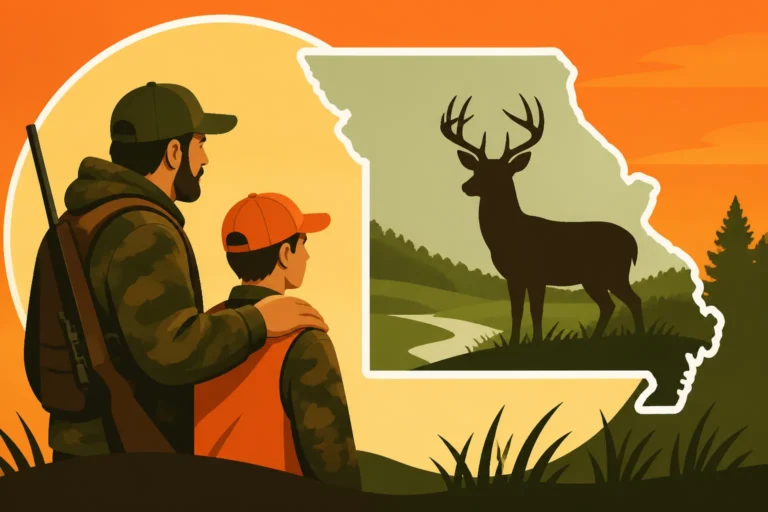
Let's cut right to the chase: in Missouri, if there’s an open firearms deer season, you will be wearing hunter orange. This isn't a suggestion; it's a non-negotiable legal requirement designed to keep everyone safe. This rule applies to all hunters in the field, regardless of what species they are actually pursuing, or what method they are using. So, whether you're deer hunting with a rifle during Missouri's November firearms deer season, taking advantage of the Missouri Early Antlerless Portion Dates, or participating in one of the youth portions, you need to be highly visible. This mandate extends even to those using alternative weapons like muzzleloaders or crossbows during these periods, falling under the umbrella of Alternative Methods Deer Hunting in Missouri if it coincides with an open firearms deer season.
Think of it this way: if a hunter with a rifle or shotgun is allowed to be in the woods, then every hunter in those woods, including archers, must be wearing hunter orange. This is crucial for safety, ensuring that you're seen by other hunters, especially in dense timber where visibility can be limited. The Missouri Department of Conservation (MDC) wants to minimize accidental shootings, and hunter orange is our best tool for that. So, even if you’re quietly bowhunting from a treestand, if it’s the middle of the November firearms portion, you better be decked out in your brightest orange. Your life, and the safety of others, literally depends on it.
Seasons Where Hunter Orange is Not Mandated But Often Recommended
Now, for the flip side. There are plenty of hunting scenarios in Missouri where hunter orange isn't legally required. Generally, these are seasons where the primary hunting method doesn't involve firearms or where camouflage is essential for success. For instance, during the archery-only deer seasons that fall outside of any concurrent firearms portions, you're free to wear full camouflage. This is usually the case during much of the early archery season in September and October, and again during the late archery period after the firearms seasons have concluded. For turkey hunters, whether during Missouri Spring Turkey Season Dates or the fall season, camouflage is your best friend. In fact, wearing hunter orange while turkey hunting would be counterproductive, as it would alert the extremely sharp eyesight of a gobbler to your presence instantly.
The same goes for most dedicated small game hunting like squirrels or rabbits, and for waterfowl hunting. For these pursuits, specialized camouflage or natural earth tones are typically used. However, this is where it gets a little nuanced. While not legally required for small game or predators during periods when there is no concurrent firearms deer season, it’s always a good idea to consider your surroundings. If you're out chasing squirrels in October before the major firearms seasons kick off, you might still share the woods with other archers. While they won't be wearing orange, a little extra visibility never hurts if you're moving through the timber. It’s about assessing the risk and making a smart, safe choice, even when the law doesn't strictly demand it.
Specific Hunting Scenarios and Overlapping Seasons
The challenge with hunter orange often comes down to the sheer number of overlapping seasons in Missouri. It’s a busy state for hunters, which is fantastic, but it means you always need to be aware of what else is happening in the woods around you.
Deer Seasons: Navigating Mandatory Orange Periods
Let's dive deeper into deer hunting, as this is where the hunter orange rule is most stringent. During the big firearms portions—the main November season, the early and late antlerless portions, and both youth firearms portions—hunter orange is not just for firearms hunters. It's for everyone. This means if you're pursuing deer with a bow and arrow during Bowhunting Through the Missouri Firearms Portion, you are still required to wear the appropriate amount of solid hunter orange. The intent is clear: during periods of high hunting pressure with firearms, maximum visibility for all human beings in the woods is paramount.
This also applies to any other hunting activity you might be doing. Let's say you're out Squirrel Hunting in Oak Hickory Timber in late November, and it happens to be the peak of the November firearms deer season. Even though you're not targeting deer, you are in the woods during an open firearms deer season, so you must wear hunter orange. This is a critical safety measure to prevent tragic mistakes. The same principle applies if you're hunting coyotes or other predators. If the date falls within an open firearms deer season, orange is mandatory. There's no gray area here; when guns are being used for deer, all hunters need to be seen.
Other Game: When Context Matters
For other game species, the hunter orange rules depend heavily on whether their seasons overlap with a firearms deer season. For instance, when you're out calling a gobbler in the spring, wearing orange would be a recipe for going home empty-handed. Turkeys have incredible eyesight, and that bright color would spook them from a mile away. So, for Spring Turkey Season Dates, and generally for fall turkey archery seasons, you'll be in full camouflage.
However, here’s where the overlap gets tricky: if you decide to hunt fall turkeys with a firearm, and that specific period coincides with an open firearms deer season (like if you're out during the November firearms portion), then yes, you must wear hunter orange. It's not about what you're hunting, but when you're hunting and what other seasons are open that require firearms.
For small game hunters, while a legal mandate for orange isn’t typically tied directly to squirrel or rabbit season unless a firearms deer season is also open, common sense dictates wearing it. If you're Working Field Edges and Draws for Quail during a non-deer season, you might not need it, but if you're out during the youth deer portion, even if you’re just after a rabbit, a bright orange vest can literally save your life. Tools like the GoHunt app or the MDC website are fantastic for quickly checking these overlapping season dates, ensuring you're never caught off guard. Always prioritize safety, and when in doubt, put on the orange.
Adhering to the Rules and Maximizing Safety
Knowing when to wear hunter orange is only half the battle; knowing how to wear it properly and what resources to consult for the most up-to-date information is equally vital. Missouri’s regulations are designed for maximum visibility, and understanding the specifics can make a real difference.
Meeting the Missouri Hunter Orange Square Inches Requirement
Missouri law specifies that hunters are required to wear at least 400 square inches of hunter orange, visible from all sides. This isn’t just a random number; it's a carefully determined amount to ensure you stand out in various lighting conditions and terrains. This typically means a solid hunter orange vest and a cap, ensuring that you have visible orange from the front, back, and sides, as well as on your head. You can't just throw on an orange bandanna and call it good. The key here is solid hunter orange, not camouflage patterns with orange elements. While some gear might have "blaze orange camo," that generally doesn't meet the legal requirement for solid orange that makes you highly visible to other hunters.
When you're outfitting yourself, think about how you'd look to another hunter peering through brush or scanning a timbered draw. The orange needs to be unobstructed. Your pack or binoculars shouldn't cover a significant portion of your visible orange. Reputable brands that focus on hunting safety often offer vests and hats specifically designed to meet or exceed these square inch requirements. It’s worth investing in good quality gear that won’t fade or get easily torn, ensuring you remain visible throughout the season. Remember, this isn't just about avoiding a ticket; it's about making sure you’re clearly identifiable as a human being in the woods, especially in areas like Hunting the Missouri Ozarks where terrain can be rugged and visibility can change quickly.
Leveraging Resources for Current Regulations
Hunting regulations, while generally stable, can see tweaks and changes from year to year. That’s why relying on outdated information is a big no-no. Your best bet is always to consult the official sources. The Missouri Department of Conservation (MDC) website is the definitive resource, offering annually updated regulations booklets, season dates, and permit information. You can easily find details about Missouri Deer Permits and How to Buy One or confirm Legal Firearms for Missouri Deer by visiting their site.
Another incredibly useful tool is the What the MO Hunting App Does. This mobile application provides access to current regulations, allows you to telecheck harvests, and even maps out public lands. For those who use more advanced mapping tools, apps like GoHunt can integrate these regulations with land ownership maps, helping you plan your hunts with confidence and ensuring you're aware of any specific local rules or season overlaps. Before heading out, especially if you're hunting an unfamiliar area or during overlapping seasons, take a few minutes to double-check the current regulations. This is particularly important for areas like Hunting North Missouri's Big-Buck Farm Country or when considering specific Missouri Conservation Area Rules, as some areas might have unique guidelines. Staying informed is the ultimate key to a safe and successful hunt.
| Season/Activity | Hunter Orange Required? | Notes |
|---|---|---|
| All Firearms Deer Seasons (Nov. Portion, Youth, Early/Late Antlerless, Alternative Methods if firearms deer season is open) | YES | All hunters, including archers, must wear at least 400 square inches of solid hunter orange visible from all sides. This includes a cap and a vest or outer garment. This rule applies even if you are hunting another species (e.g., small game, predators) during a concurrent firearms deer season. |
| Archery-Only Deer Season (outside firearms portions) | NO | Camouflage is typically preferred for concealment. However, if sharing the woods with other hunters (e.g., small game hunters), wearing some orange for added visibility is a prudent safety measure, though not legally required during strictly archery-only periods. |
| Spring Turkey Season | NO | Full camouflage is essential for concealment from turkeys, which have excellent eyesight. Wearing hunter orange during spring turkey season is not only unnecessary but would actively hinder your success. |
| Fall Turkey Season | NO (unless concurrent with firearms deer) | If the fall turkey season falls outside of any open firearms deer season, then no orange is required. However, if a firearms deer season (like the November portion) is open simultaneously, then YES, hunter orange is legally required for fall turkey hunters as well. This is a common point of confusion, so always check season overlaps. |
| Waterfowl Hunting | NO | Waterfowl hunting uses specialized camouflage patterns designed to blend in with marsh, timber, or field environments. Hunter orange is not required or suitable for this type of hunting. |
| Small Game Hunting (rabbit, squirrel, furbearers, doves, etc.) | NO (unless concurrent with firearms deer) | Hunter orange is not legally required for hunting small game or furbearers in Missouri unless there is a concurrent firearms deer season open. In such cases, YES, orange is mandatory for all hunters in the field. Even when not legally required, wearing some hunter orange for increased visibility is highly recommended, especially when sharing public land or areas with other hunters. Always check the MDC regulations for specific season overlaps. |
| Predator Hunting (coyote, bobcat, etc.) | NO (unless concurrent with firearms deer) | Similar to small game, hunter orange is not legally required for predator hunting unless a firearms deer season is open simultaneously. If it is, YES, you must wear orange. Given the nature of predator hunting, which often involves calling and remaining concealed, careful consideration of season overlaps and safety is paramount. |
Disclaimer
Always consult the current Missouri Department of Conservation (MDC) hunting regulations before heading into the field, as rules and season dates can change annually. This guide provides general information and should not be considered a substitute for official regulations.