Missouri Archery Season Splits
It can be incredibly confusing trying to keep up with Missouri's deer hunting regulations, especially when it comes to the archery season. Many bowhunters feel a surge of excitement only to hit a brick wall of frustration when they realize the season isn't a continuous stretch, but rather broken up by other hunting portions. This guide will walk you through the ins and outs of the Missouri archery season splits, explain why they exist, and help you plan your hunts to maximize your chances of success during each unique phase.
Understanding the Missouri Archery Season Structure
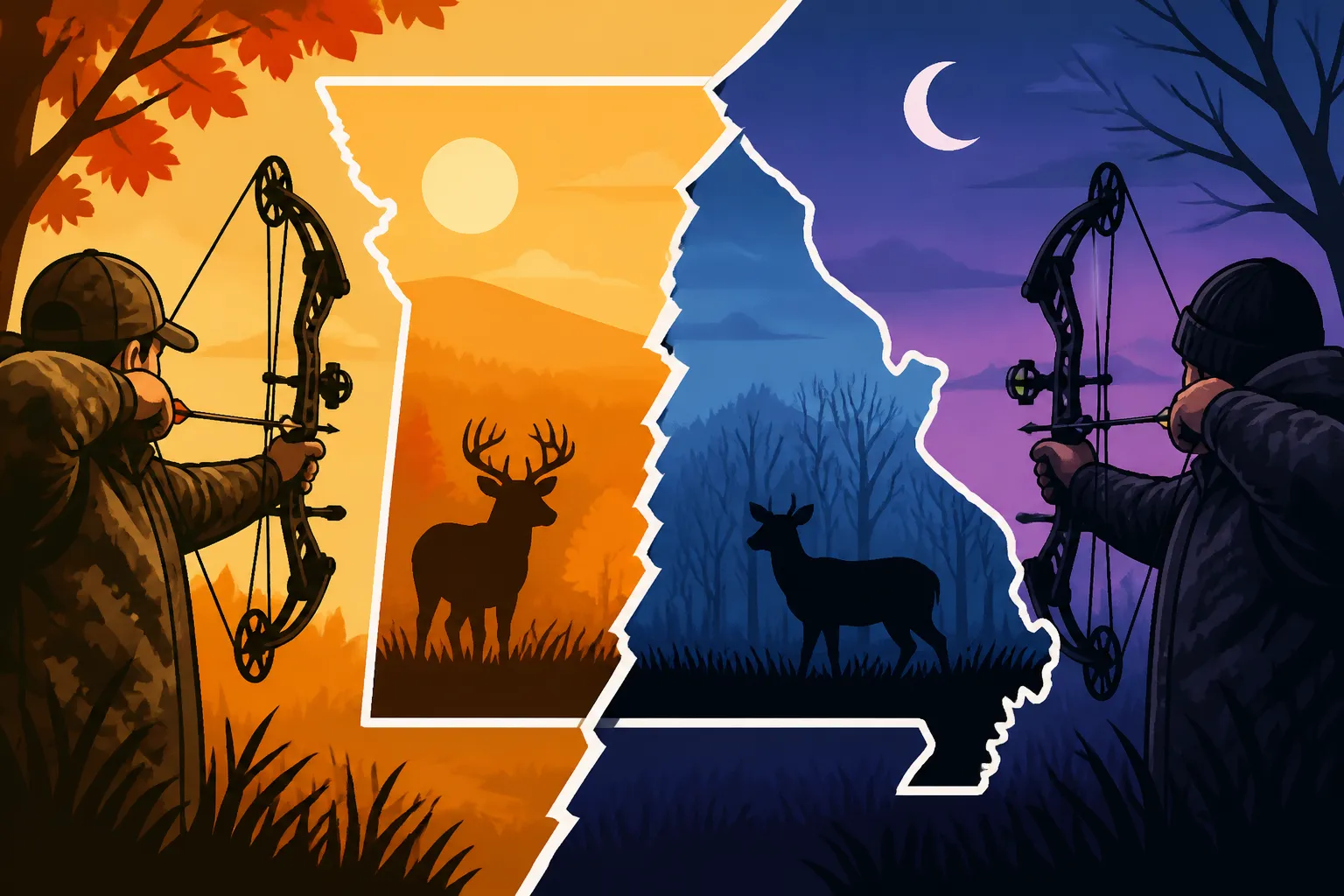
Missouri's archery deer season isn't just one long, uninterrupted period. It's actually a fascinating dance between bowhunting opportunities and other hunting methods, primarily firearms. This unique structure can be a bit of a head-scratcher for new hunters or those accustomed to simpler regulations in other states. The Missouri Department of Conservation (MDC) has designed this system to manage deer populations, provide diverse hunting opportunities, and balance the interests of different hunter groups. But let's be honest, it often feels like you need a flowchart just to figure out when you can actually be in the woods with your bow.
Why Missouri Implemented Archery Splits
The primary reason behind the archery season splits, as you might gather from the MDC's official explanations, is to manage deer herd health and population numbers across the state. Missouri's deer herd is incredibly robust, but it varies significantly from the rolling farmlands of north Missouri to the rugged Ozark hills. The splits allow the MDC to create different pressure points throughout the fall and early winter, which helps them achieve specific harvest goals. Beyond population control, these splits also reflect a long-standing tradition of offering varied hunting experiences. The state aims to provide ample opportunity for both archers and firearms hunters, ensuring everyone gets a fair shake. For archers, this means navigating periods of intense competition and then enjoying stretches of relative solitude, forcing a dynamic approach to hunting strategy.
The Impact of Other Hunting Methods on Archery
The biggest factor influencing the archery splits is, without a doubt, the state's firearms deer season. There are several significant firearms portions, including the hugely popular Missouri's Eleven-Day November Firearms Deer Season, the early and late antlerless portions, and the alternative methods portion. When these seasons are active, archery hunting continues, but with specific rules, most notably the hunter orange requirement for archers. This means that for several weeks, if you're bowhunting, you'll be sharing the woods with hunters carrying rifles and shotguns, and you'll need to be highly visible. This overlap fundamentally changes how and where many archers choose to hunt, often pushing them deeper into cover or onto private lands where pressure might be lower. It's a strategic consideration that can't be overlooked.
The Early Archery Season: Promises and Challenges
The early archery season in Missouri is a time of incredible anticipation. It typically kicks off in mid-September, offering bowhunters the first crack at whitetails of the year. This initial period is often characterized by warmer temperatures and deer still largely in their summer patterns, focusing on food and preparing for the rut. It's a fantastic time to be in the woods, especially if you've done your homework and understand deer behavior before the major seasonal shifts.
Mid-September to Early November Opportunities
When Missouri's Archery Season Opens in September, the woods are still lush and green, and temperatures can be quite warm, especially in the southern parts of the state. Deer are largely feeding on acorns, soft mast, and agricultural crops, creating predictable patterns if you've done your scouting. This is prime time for stand placement near active food sources or travel corridors between bedding and feeding areas. Bucks are often still in bachelor groups or just starting to disperse, and while rubs and scrapes might begin to appear, the full-blown rut activity is still a ways off. Hunters often focus on evening hunts as temperatures cool, and deer become more active. Using trail cameras, like those you can manage with an app from a company like GoHunt, can be invaluable during this period to pinpoint exactly when and where deer are moving.
Navigating the Pre-Rut in Late October
As October progresses, the early archery season transitions into the exciting pre-rut phase. This is arguably one of the most dynamic and rewarding times to be in the deer woods with a bow. Cooler temperatures invigorate deer activity, and bucks, now fully broken out of their summer patterns, become more active in daylight. They start laying down scrapes and rubs with more intensity, and their testosterone levels are rising. This is the period when they're actively searching for the first does to come into estrus, and their guard can drop slightly. Learning about Hunting the Pre-Rut in Late October can give you a significant edge. It's a great time for calling, rattling, and cruising-type strategies, as bucks are covering more ground. However, this period often leads directly into the early November firearms portion, so hunters need to be aware that the peaceful archery woods will soon get a lot louder.
The November Firearms Portion Overlap
This is where the Missouri archery season truly gets interesting, and for some, a bit frustrating. The core of the state's deer season is the 11-day November firearms portion, which typically starts in mid-November and runs through Thanksgiving week. While archers can still hunt during this period, the rules change significantly, and the woods transform with the influx of thousands of firearms hunters.
Archery Hunting During Firearms Season
Yes, you can absolutely continue Bowhunting During the Firearms Portion. This is one of the most common questions new bowhunters ask, and the answer is a resounding yes, with a big asterisk. The key difference is the legal requirement for hunter orange. All deer hunters, including archers, must wear at least 400 square inches of hunter orange, visible from all directions, including a head covering. This is a critical safety measure, and violating it can lead to serious penalties. While you might prefer to blend into the timber, safety must come first. This orange requirement often forces archers to rethink their camouflage strategies and how they approach their stands, as being highly visible can change deer behavior.
Adapting Strategies to Increased Pressure
The sudden increase in hunter numbers during the November firearms portion creates a palpable shift in deer behavior. Deer often become more nocturnal, move into thicker cover, and are generally warier. This is where adapting your strategy becomes paramount. Instead of focusing on wide-open food sources, you might need to concentrate on bedding areas, dense thermal cover, or pinch points that funnel deer trying to escape pressure. Drive lanes and escape routes become crucial. This is also a fantastic time to use terrain features like ridge saddles and benches to intercept deer trying to move quietly through the landscape. For example, understanding Hunting Missouri Ridge Saddles and Benches can be incredibly effective, as deer will often utilize these subtle elevation changes to travel without exposing themselves in open areas. Additionally, companies like GoHunt provide advanced mapping tools that can help identify these overlooked travel corridors and bedding thickets, allowing you to find pockets of deer less disturbed by the sudden increase in human activity.
The Late Archery Season: Winter Opportunities
Once the main firearms season concludes, Missouri's archery season reopens, ushering in the late season. This period, stretching from early December through mid-January, offers a completely different set of challenges and rewards. The woods are often stripped bare, temperatures plummet, and deer's primary focus shifts entirely to finding reliable food sources to build up fat reserves for winter.
December Through January Bowhunting
The late archery season in Missouri can be incredibly productive for the dedicated hunter, but it demands patience and resilience. The deer are tired from the rut, and their bodies are depleted. Their focus turns to survival, which means finding readily available high-energy food sources. These might include standing corn, soybean stubble, or even late-season brassicas planted specifically for deer. This is a great time to study Late-Season Food Sources for Whitetails and target these areas, especially during the warmest parts of the day. Unlike the early season, mid-day activity can pick up as deer try to maximize their feeding time. Snow cover, if it arrives, can also make tracking and spotting deer much easier, providing a unique advantage.
Post-Rut and Winter Food Focus
After the chaos of the rut and the firearms portion, bucks are often depleted and seeking sanctuary. Does, too, are focused on recovery. This means that a well-placed stand overlooking a prime winter food source can be a goldmine. Scouting becomes crucial, as finding that one field with leftover corn or a secluded patch of honeysuckle that deer are hammering can be the key to success. Don't be afraid to put in the legwork. You might find that deer are concentrated in smaller areas, making them more predictable once you locate their preferred food and bedding. This is also a good time to consider using a ground blind if the weather is harsh, offering warmth and concealment, especially on the edges of agricultural fields. You might even discover that some of the deer you’re seeing are transient bucks from other properties, pushed around by the previous hunting pressure, offering unexpected opportunities.
Permits, Regulations, and Planning for the Splits
Navigating the Missouri archery season splits effectively requires more than just understanding deer behavior; it also demands a solid grasp of the regulatory framework. From purchasing the correct permits to knowing daily shooting hours and carcass transport rules, a little preparation goes a long way in ensuring a legal and successful hunt.
Required Permits and Bag Limits
To participate in Missouri's archery season, you'll need the appropriate permits. Generally, this means an archery deer permit, which typically includes one antlered deer tag and one antlerless deer tag. However, additional antlerless permits may be available in certain counties to help manage local deer populations. It's crucial to check the current year's regulations for specific counties, as these can change. Non-residents will find that Missouri Nonresident Archery Deer Permit Cost can be a significant investment, so careful planning is key. You can purchase your permits online through the MDC website, at most retailers that sell hunting and fishing licenses, or via the What the MO Hunting App Does. Remember, once you harvest a deer, you must immediately notch your permit and telecheck the animal within the specified timeframe. Understanding Missouri Archery Deer Permits and Tags is foundational for any bowhunter in the state.
Important Dates and Legal Requirements
Staying on top of the exact dates for each portion of the archery season and any overlapping firearms portions is non-negotiable. While the general structure remains consistent, specific opening and closing dates can shift slightly year to year. Make sure you know when Missouri Archery Deer Season Dates are. Pay close attention to the Orange Requirements for Missouri Archers during firearms portions. It's not just about safety; it's a legal mandate. Also, familiarize yourself with daily shooting hours, which are typically one-half hour before sunrise to one-half hour after sunset. The MDC's website and their annual hunting regulations booklet are your best friends here. Many hunters use digital tools, such as the GoHunt mapping platform, to stay informed about season dates and regulations specific to the areas they plan to hunt, making it easier to manage their hunting calendar.
Planning Your Hunts Around the Splits
Effective planning is essential for making the most of Missouri's archery splits. This isn't a "set it and forget it" kind of season. You need to scout before the season starts, ideally in late summer, to identify early-season food sources and bedding areas. As the season progresses, you'll need to adapt your scouting and hunting locations. For example, areas that were hot during the early season might become deserted during the firearms portion due to pressure, only to pick up again in the late season as deer return to neglected food sources. Consider what hunting methods you'll use in each phase. Maybe you prefer a mobile approach with a saddle during the pre-rut, but transition to a ground blind for cold, late-season sits. Thinking strategically about how the splits affect deer movement and hunter pressure will significantly increase your odds of success. Taking the time for Scouting Missouri Public Land Before Season will pay dividends throughout all portions.
Missouri Archery Season Overview
To help visualize the distinct phases of Missouri's archery deer season, here's a general overview. Keep in mind that exact dates can vary slightly year to year, so always confirm with the latest MDC regulations.
| Season Portion | General Dates (Approx.) | Key Characteristics | Hunter Orange Requirement |
|---|---|---|---|
| Early Archery | Mid-September to Mid-November | Warm weather, deer in summer patterns, pre-rut activity by late October. Focus on food/travel. | No |
| November Firearms | Mid-November | High hunter pressure, deer movement disrupted. Archery continues with hunter orange. | Yes |
| Late Archery | Mid-November to Mid-January | Post-rut recovery, cold weather, deer focus on winter food sources. Less pressure than firearms season. | Yes (during Alternative Methods & Late Antlerless) / No (after all firearms portions) |
| Alternative Methods | Late December to Early January | Archery continues, but other methods (muzzleloader, crossbow, air gun, pistol, etc.) are allowed. Archery with hunter orange. | Yes |
| Late Antlerless | Early December | Specific dates, typically 3 days. Archery continues with hunter orange. | Yes |
Note: Hunter orange rules for archery during the late season can be tricky. Generally, if any firearms deer season (like Alternative Methods or Late Antlerless) is open, archers must wear orange. If only archery is open, no orange is required. Always double-check current regulations.
Disclaimer
Please remember that hunting regulations can change. While this guide provides comprehensive information based on current knowledge, it is your responsibility to consult the official Missouri Department of Conservation (MDC) regulations each year before you hunt. This article is for informational purposes only and should not be considered legal advice.