Missouri Conservation Areas Explained
It can feel overwhelming, trying to figure out where you can even go hunting or enjoy the outdoors in our great state of Missouri. With so much private land, it often seems like public access is a distant dream, leaving many folks frustrated about finding a place to pursue their passion. But fear not, because Missouri's Conservation Areas are a true gem, offering a vast network of opportunities for hunters, anglers, hikers, and nature lovers alike. This guide will peel back the layers, explaining exactly what these areas are, how they came to be, and how you can make the most of them for your next outdoor adventure.
What Exactly Are Missouri Conservation Areas?
When you hear "Conservation Area" in Missouri, it's easy to picture just another patch of woods. But these aren't just random tracts of land. They are a carefully acquired and managed network, designed specifically to provide public access to Missouri's diverse fish, forest, and wildlife resources. It's a commitment to the outdoors that runs deep in our state's history, a testament to what can happen when citizens rally around a shared vision for conservation.
A Legacy Born from Vision and Voters
The story of Missouri's Conservation Areas really begins with the establishment of the Missouri Department of Conservation (MDC) itself, back in 1937. It was a revolutionary idea at the time, establishing a non-political, citizen-led commission to manage the state's wildlife. But the MDC quickly realized that managing wildlife effectively required land – land to hunt on, land for fish to thrive in, land for forests to grow, and land for people to connect with nature.
However, the major turning point for the expansion of Conservation Areas came in 1976 when Missouri voters, with incredible foresight, passed a one-eighth-cent sales tax to fund conservation. This wasn't just any tax; it was specifically earmarked for the MDC, allowing them to acquire and manage land and implement critical conservation programs. Before this, land acquisition was much slower, relying on federal grants and permit sales. That voter initiative changed everything, providing a stable, dedicated funding source that has allowed Missouri to create one of the most envied public land systems in the nation. It's why, unlike many other states, our public land base has steadily grown over the decades. This commitment has led to a sprawling network, and you might be surprised by How Many Acres Missouri Opens to Hunters through this system.
Beyond Just Hunting and Fishing
While hunting and fishing are certainly cornerstones of the Conservation Area system, these lands are far more than just places to harvest game or catch fish. They are living laboratories, diverse ecosystems, and quiet retreats for all kinds of outdoor enthusiasts. You'll find areas specifically managed for wetland habitat, creating critical stops for migratory birds along the Mississippi Flyway. Other areas are managed for upland birds like quail, featuring carefully designed habitat restoration projects. Then there are the vast tracts of timber, providing not just deer and turkey habitat, but also opportunities for hiking, birdwatching, mushroom foraging, or simply escaping the hustle and bustle of everyday life.
Many Conservation Areas feature designated trails for hiking, horseback riding, or even mountain biking. Rivers and streams winding through these areas often have designated canoe or kayak access points. It’s a holistic approach to conservation, recognizing that healthy ecosystems benefit everyone, not just those with a hunting license in their pocket. This multi-use philosophy means that even if hunting isn't your primary interest, you'll still find a wealth of opportunities to enjoy Missouri's natural beauty.
How Missouri Conservation Areas are Funded
Understanding the funding behind Missouri's Conservation Areas is key to appreciating their value and permanence. It’s not just a handshake agreement; it’s a robust, voter-approved system that has secured these lands for generations. This financial stability is a big part of why our state's public land system is so strong and continues to grow.
The Vital One-Eighth-Cent Sales Tax
The absolute backbone of Missouri's Conservation Areas, and indeed the entire Missouri Department of Conservation, is the one-eighth-cent sales tax. This tax, approved by voters in 1976, generates a substantial and consistent revenue stream. What makes it so special is that it is constitutionally earmarked. This means the funds collected from this specific tax can only be used for conservation purposes by the MDC. It can't be diverted to other state budgets, which is a common problem for conservation agencies in many other states.
This stable funding source allows the MDC to plan long-term, investing in land acquisition, habitat management, research, education, and enforcement. When you buy almost anything in Missouri, a tiny fraction of that purchase goes directly to supporting our Conservation Areas. It’s a remarkable model that demonstrates the public's commitment to conserving Missouri's natural heritage. This dedicated funding is truly What the Conservation Sales Tax Bought for the state, enabling the purchase, restoration, and management of millions of acres. It's why we have so many places to enjoy, from sprawling timber tracts to carefully managed wetlands.
Federal Aid and Other Revenue Streams
While the sales tax is the primary engine, it's not the only source of fuel for our Conservation Areas. The MDC also receives significant federal aid, primarily through programs like the Pittman-Robertson Act (Federal Aid in Wildlife Restoration Act) and the Dingell-Johnson Act (Federal Aid in Sport Fish Restoration Act). These acts collect excise taxes on firearms, ammunition, archery equipment, and fishing tackle, distributing the funds back to state wildlife agencies for conservation projects. So, every time you buy a box of shells or a new fishing rod, a portion of that money comes right back to Missouri to support wildlife and aquatic habitat.
Beyond these major sources, the MDC also generates revenue from hunting and fishing permit sales, timber sales from managed forests on Conservation Areas, fees for certain services or facilities, and grants. All these streams combine to create a comprehensive financial structure that ensures the ongoing health and accessibility of Missouri's Conservation Areas. This diversified funding ensures resilience and allows for a wide range of programs, from youth education to invasive species control, all of which ultimately benefit the public lands we cherish.
Navigating the Rules and Regulations
Stepping onto a Conservation Area means stepping into a shared space with shared responsibilities. While the goal is to provide maximum public enjoyment, certain rules and regulations are crucial to maintaining the health of the resource and ensuring a safe, fair experience for everyone. It can feel like a lot to keep track of, but a little homework upfront will save you headaches down the road.
General Rules Applicable Across Areas
Think of these as the fundamental courtesies and safety guidelines that apply broadly across almost all Missouri Conservation Areas. The most important rule? Respect the land and other users. This means packing out everything you pack in, staying on designated trails or routes where required, and being mindful of noise and other disturbances. Trash, of course, has no place on a Conservation Area.
Regarding hunting and fishing, all statewide regulations apply, including valid permits, legal shooting hours, and bag limits. Hunter orange requirements for certain seasons, like the November firearms portion, are also strictly enforced. Always assume you need a valid permit for your activity, even if it's just general hunting or fishing. While some activities might not require a permit on private land, they almost always do on public ground. Remember that specific activities like the use of ATVs or UTVs, target shooting, or dog training often have highly restricted areas or are prohibited entirely, so always check before you head out.
Area-Specific Regulations and Brochures
This is where it gets a little more nuanced, and where many people sometimes trip up. While general rules exist, almost every single Conservation Area has its own set of special regulations tailored to its specific resources, management goals, and local needs. For example, a wetland area focused on waterfowl might have very different rules regarding access, blind construction, or non-toxic shot requirements compared to an upland timber tract primarily managed for deer and turkeys.
The absolute best way to understand these specific rules is to consult the individual area's brochure. These brochures are invaluable resources, typically available online through the MDC website or often at kiosks on the areas themselves. They detail things like specific hunting seasons (some areas might open or close differently than statewide seasons), permissible weapons, baiting rules, camping restrictions, and any unique recreational opportunities or prohibitions. It's never safe to assume that because one CA allows something, all CAs do. Before you plan your trip, definitely check the Missouri Area Brochures and Local Rules for your chosen destination. I've heard too many stories of hunters getting a ticket or having their hunt cut short because they didn't realize a certain area had special archery-only seasons or different legal shooting hours.
Understanding Vehicle and Access Restrictions
Another common area of confusion revolves around vehicle access. While many Conservation Areas have well-maintained gravel roads and designated parking lots, others are much more primitive. The general rule is that motor vehicles are restricted to designated roads and parking areas only. This means no driving across fields, down old logging trails not marked for vehicle traffic, or off-road in any capacity unless explicitly permitted for a specific purpose. This restriction helps protect sensitive habitats, prevent erosion, and maintain the wild character of these public lands.
Sometimes, roads might be closed seasonally due to weather, maintenance, or to provide undisturbed wildlife habitat during certain times of the year. Always pay attention to signage at entrances and parking areas. If a gate is closed, don't go around it. For those with mobility challenges, some areas might offer special permits for limited vehicle access to certain trails, but these are exceptions and require prior approval. Knowing these rules ensures you don't damage the resource, get stuck, or face a fine. It’s also important to note that when it comes to things like Blinds and Stands on Missouri Public Land, specific rules about placement, labeling, and removal often apply, so don't just hang your stand anywhere without checking first.
Hunting Opportunities on Conservation Areas
For many Missourians, Conservation Areas are synonymous with hunting. And for good reason! These lands provide incredible opportunities for pursuing a wide array of game species, from trophy whitetails to spring gobblers and elusive waterfowl. The sheer variety of habitat means there's something for every type of hunter, whether you prefer vast timber tracts or flooded bottomlands.
Deer and Turkey Hunting Across the State
Missouri's whitetail deer and wild turkey populations are robust, and Conservation Areas play a massive role in providing access to these popular game animals. You can find deer and turkey hunting opportunities on CAs across the entire state, from the rugged hills of the Ozarks to the rolling farm country of northern Missouri. For deer, many CAs align with statewide seasons, meaning you can hunt during the archery, firearms, and alternative methods portions. You'll often find excellent buck and doe numbers, though pressure can be high during opening weekends.
Turkey hunting is equally popular, with many Conservation Areas offering prime habitat for spring gobblers. The key is to scout these areas thoroughly before the season to understand bird patterns and find less-pressured spots. Remember, some CAs have special rules, such as archery-only deer hunting or specific managed hunts, so always check the area brochure. Hunting on these lands can be a challenge, particularly for deer, due to varying degrees of hunting pressure. Learning Hunting Pressure on Missouri Public Ground is a skill in itself, often requiring you to walk further or hunt smarter than you might on private land.
Small Game and Waterfowl Hotspots
Beyond deer and turkey, Conservation Areas are fantastic places to pursue small game like rabbits and squirrels. Many areas with mixed timber, brushy edges, and old fields offer ideal habitat. Squirrel hunting in the fall, especially in oak-hickory timber, is a classic Missouri tradition, and CAs provide abundant access. Rabbit hunting along field edges and in dense cover is another great way to enjoy these lands.
Waterfowl hunters, in particular, owe a huge debt to Missouri's Conservation Areas. The MDC manages numerous wetlands specifically for migrating ducks and geese, creating some of the best public waterfowl hunting in the Midwest. Areas like Grand Pass, Eagle Bluffs, and Duck Creek are renowned, offering managed hunts with complex draw systems to ensure fair access. These areas often provide diverse habitats, from flooded timber to open pools, attracting a wide variety of duck species. If you're looking for Missouri Flooded Timber Duck Tactics, many CAs offer prime examples of this unique hunting experience. These managed wetland areas are highly popular, so understanding their unique draw systems and rules is essential for success.
Special Managed Hunts and Draws
For some game species or specific areas, the MDC implements special managed hunts. These hunts are designed to control populations, reduce pressure, or provide unique hunting experiences. Deer managed hunts, for instance, might be held in urban areas, state parks, or on specific Conservation Areas to address overpopulation or nuisance issues. Access to these hunts is usually through an application and lottery system.
Waterfowl hunting on the premier wetland CAs almost always operates on a daily or seasonal draw system. Hunters must apply or show up early for a chance to draw a blind or unit. While it can be competitive, these managed hunts offer some of the highest-quality hunting experiences in the state. Applying for these hunts requires planning and attention to deadlines, but the rewards can be incredible. It's a system designed to spread opportunities and manage the resource effectively, and while it takes some getting used to, it ensures that prime hunting spots remain available to the public.
Beyond the Hunt: Other Recreational Uses
It’s easy to focus on hunting and fishing when talking about Conservation Areas, but these lands are true multi-use resources, offering a wealth of other recreational opportunities for the entire family. Whether you’re looking for a peaceful stroll in nature or a more adventurous outing, there’s likely a Conservation Area that fits your needs.
Fishing, Hiking, and Wildlife Viewing
For anglers, CAs often feature public access points to rivers, streams, and lakes. Many small lakes on Conservation Areas are intensively managed by the MDC to provide excellent fishing for bass, bluegill, catfish, and crappie. You'll find boat ramps, fishing jetties, and accessible fishing docks on many of these waters. Even if you're not a hunter, spending a quiet morning fishing on a CA lake can be incredibly rewarding.
Hiking is another popular activity. Numerous Conservation Areas boast well-maintained trail systems, ranging from short, interpretive loops perfect for families to challenging backcountry trails that will test your endurance. These trails provide an intimate way to experience Missouri's diverse landscapes, from glades to bottomland forests. And along those trails, or even from a quiet vantage point, wildlife viewing opportunities abound. Whether it's spotting a white-tailed deer, a kaleidoscope of migratory birds, or a family of wild turkeys, CAs are fantastic places for nature photography and observing animals in their natural habitat. Birdwatching, in particular, can be outstanding, especially during spring and fall migrations when wetlands and timbered areas come alive with activity.
Camping and Primitive Backcountry Experiences
For those looking to extend their stay, many Conservation Areas offer camping. This isn't always your full-service RV park, though some CAs do have basic campgrounds with gravel pads and vault toilets. More often, you'll find primitive camping opportunities, where you can pitch a tent in a designated area, often without amenities like water or electricity. These sites are perfect for those who enjoy a more rustic experience and want to truly immerse themselves in nature.
Some of the larger, more remote Conservation Areas offer true backcountry experiences, allowing for dispersed camping (within certain guidelines) or providing access to extensive trail networks for multi-day backpacking trips. Imagine setting up camp deep in a timbered hollow, listening to the sounds of the night, far from any road noise. It's a fantastic way to disconnect and recharge. Before planning a camping trip, always check the specific CA's brochure for Camping Rules on Conservation Areas, as regulations can vary regarding fires, lengths of stay, and whether you can bring pets. This kind of detail ensures you're prepared and compliant with local rules, making your experience as enjoyable as possible.
Finding and Researching Conservation Areas
The sheer number and diversity of Missouri's Conservation Areas can feel daunting when you're trying to pick a spot. But with the right tools and a little bit of research, you can quickly narrow down your options and find the perfect public land for your adventure. Don't let the vastness intimidate you; think of it as a wealth of opportunity waiting to be discovered.
The Indispensable Missouri Conservation Atlas
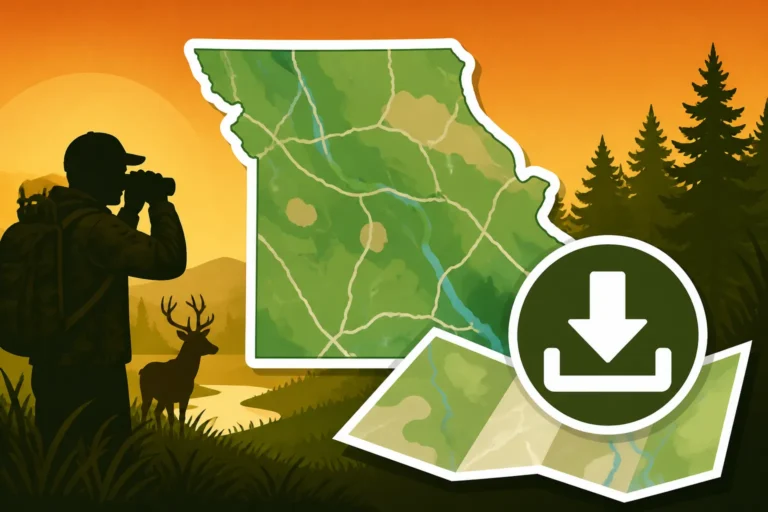
If you're serious about exploring Missouri's public lands, the Missouri Conservation Atlas is your bible. This comprehensive guide, often available in a physical book format or as a digital download, maps out every single Conservation Area in the state. It provides detailed maps, often showing topo lines, land features, roads, and access points. Beyond the maps, it includes a wealth of information about each area, like the primary game species, recreational opportunities, and special regulations.
I remember poring over my first Conservation Atlas for hours, tracing potential travel routes and imagining myself deep in the woods. It’s an incredibly valuable resource for initial scouting and planning. While the digital versions are convenient, there’s something about a physical atlas that truly helps you visualize the landscape and connect with the scale of Missouri’s public land system. If you're wondering Where to Get the Missouri Conservation Atlas, the MDC website is the best place to start, or you can often find them at MDC offices or some outdoor retailers. Learning Using the Atlas to Find an Area is a fundamental skill for any serious public land enthusiast in Missouri.
Digital Tools and Mapping Apps
In today's world, digital mapping tools have become indispensable for public land users. Apps like onX Hunt and GoHunt have revolutionized how we find and navigate Conservation Areas. These apps layer property ownership information over satellite imagery and topographic maps, clearly delineating public and private land boundaries. This is incredibly useful for ensuring you stay on public ground and avoid accidental trespass, especially in areas where public and private parcels are intertwined.
With onX Hunt, for example, you can see not just the boundaries of a Conservation Area, but also roads, trails, water sources, and even historical satellite imagery to identify changes in habitat. GoHunt offers similar robust features, often with a focus on western hunting, but their mapping capabilities are still highly valuable for understanding any landscape. Both allow you to drop pins, track your movements, and navigate offline, which is crucial in areas with limited cell service. I can't tell you how many times onX Hunt has saved me from accidentally crossing a property line or helped me find my way back to the truck in unfamiliar timber. Utilizing onX Layers for Missouri Land Status can be a game-changer for detailed scouting and in-field navigation, helping you identify subtle changes in terrain and access points that might otherwise go unnoticed.
Scouting and Understanding Hunting Pressure
No matter how good your maps are, there's no substitute for boots-on-the-ground scouting. Visiting Conservation Areas before the season allows you to learn the terrain, identify potential food sources, locate game sign, and understand access points. Pay attention to parking areas and trails – heavy boot traffic can indicate high hunting pressure. During the season, if the parking lot is full, you might need to walk further or look for less obvious entry points to find unpressured game.
Scouting also helps you learn about Scouting Missouri Public Land Before Season, like what kind of timber dominates, where the thickest cover is, and how water sources are distributed. Understanding these elements is crucial for planning successful hunts. For areas with high pressure, try exploring those sections of the CA that are furthest from parking lots or involve difficult terrain – often, the willingness to walk an extra mile or navigate a steep hollow can put you into untouched pockets of habitat.
Making the Most of Your CA Experience
Having these incredible public lands is a privilege, and making the most of them involves more than just knowing where to go. It’s about being prepared, being respectful, and understanding your role as a steward of these shared resources. A little planning and a good attitude can make all the difference between a frustrating day and a truly memorable one.
Respecting the Resource and Other Users
Conservation Areas are for everyone, and sometimes that means sharing the woods, trails, or waterways with others. Whether it's another hunter, a hiker, a birdwatcher, or someone just enjoying a picnic, a little courtesy goes a long way. Be mindful of noise, especially during hunting seasons. If you encounter other users, a friendly nod or a brief "hello" is usually sufficient. Remember, you're all there to enjoy nature.
Respecting the resource means adhering to the "Leave No Trace" principles: pack out all your trash, stay on designated trails, and leave natural objects as you find them. Don't deface trees, vandalize signs, or disturb wildlife unnecessarily. This also extends to how you manage your harvest; properly field dressing and disposing of game waste is part of being a responsible hunter. Ensuring that the areas remain clean and healthy for future generations is a collective responsibility. This kind of respect also means understanding the implications of things like Field Dressing and Cooling in Early-Season Heat to prevent meat spoilage and avoid attracting unwanted attention to your harvest site.
Planning for Success and Safety
A successful and enjoyable outing on a Conservation Area starts with good planning. Before you leave home, check the weather forecast, pack appropriate gear and clothing for the conditions, and let someone know where you're going and when you expect to return. This "tell a friend" rule is especially important if you're venturing into more remote or rugged areas, as cell service can be spotty.
Always carry a map (physical or digital with offline capabilities), a compass, a first-aid kit, plenty of water, and snacks. If hunting, ensure your weapon is in good working order and you have all the necessary permits and tags. For those long walks into remote sections of the Ozarks, a good pair of boots is non-negotiable, and a comfortable pack can make all the difference. Knowing your physical limits and being prepared for unexpected situations can turn a potential emergency into a minor inconvenience. The more prepared you are, the more you can relax and truly enjoy the wild beauty that Missouri's Conservation Areas have to offer.
Disclaimer
This article is for general informational purposes only and does not constitute professional advice. Laws, prices and regulations vary by location and change over time. Consult a qualified professional for guidance on your specific situation.