Peck Ranch and Missouri Elk Country
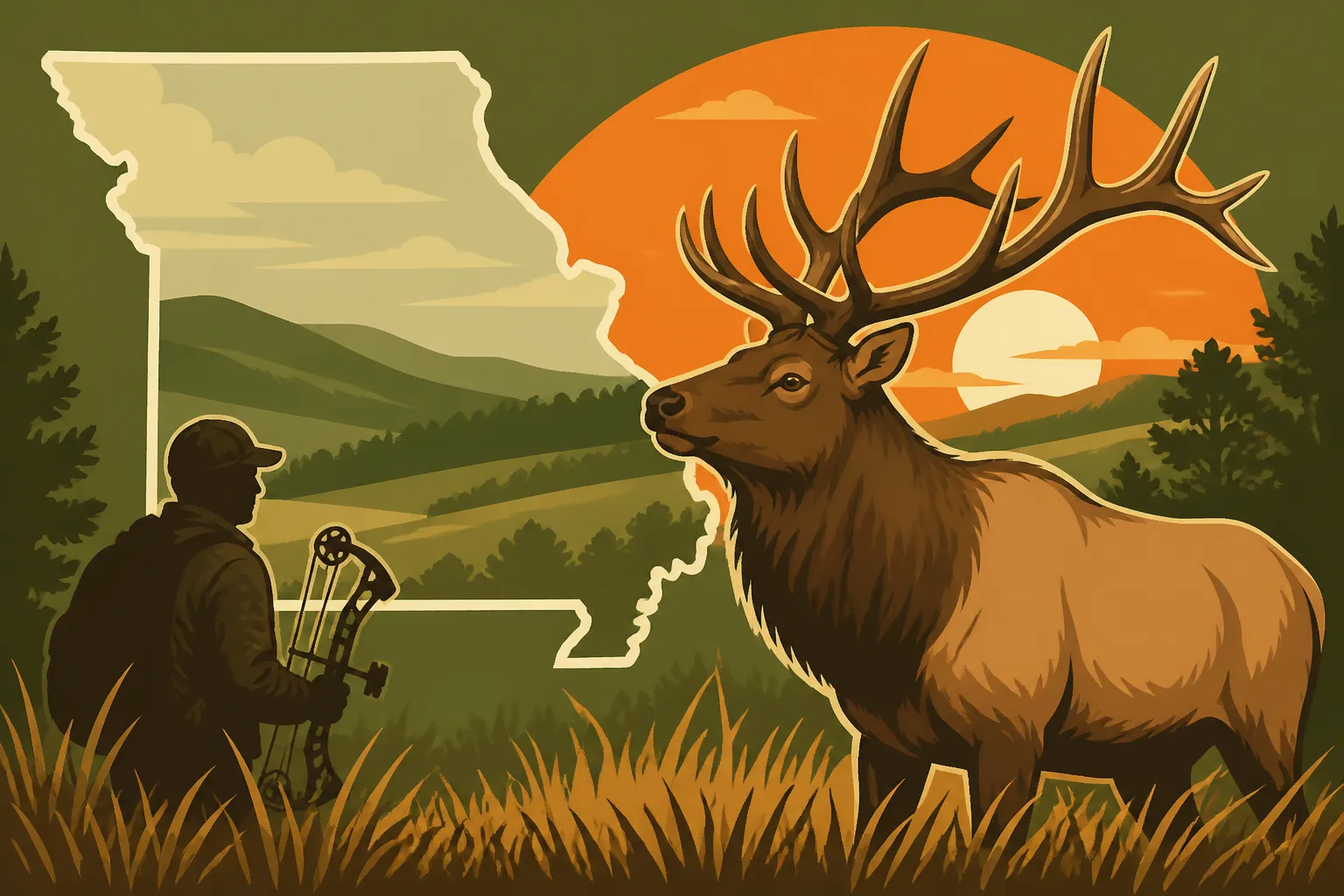
There's something truly special about the idea of elk roaming wild again in the Missouri Ozarks. For so long, it was just a dream, a whispered hope among conservationists and hunters. Now, for those of us who cherish our state's wild places, the reality of a thriving elk herd, especially around the rugged beauty of Peck Ranch, is a testament to what dedicated conservation efforts can achieve. This guide isn't just about hunting; it's about understanding the remarkable journey of these magnificent animals and how you can experience this unique part of Missouri hunting.
The Return of Elk to Missouri's Ozarks
For generations, the majestic bugle of an elk was a sound lost to the Missouri wilderness. Our grandfathers, and their grandfathers before them, spoke of a time when these colossal deer roamed freely, but by the mid-1800s, unchecked hunting and habitat destruction had completely eradicated them from our state. It was a stark reminder of how quickly even the most resilient species can disappear without careful management. But thankfully, the story didn't end there, and the dedicated efforts of many have brought this iconic species back home.
A Vision Realized: Elk Reintroduction Efforts
The dream of bringing elk back to Missouri began many years ago, driven by a deep desire to restore our state's natural heritage. The Missouri Department of Conservation (MDC) played a pivotal role, spearheading extensive research and planning to determine if a reintroduction was even feasible. They studied historical data, analyzed potential habitats, and learned from other states that had successfully brought back their elk populations. It was clear that simply releasing a few animals wouldn't be enough; a comprehensive, long-term strategy was needed to give the elk a fighting chance in a changed landscape.
The pivotal moment arrived with the agreement to source elk from Kentucky, a state with a robust and healthy herd. In 2011, the first group of elk arrived, carefully transported and released into a designated core area within the Missouri Ozarks. This wasn't a casual release; it was a meticulously planned operation designed to minimize stress on the animals and maximize their chances of survival. Veterinarians were on hand, genetics were considered, and every effort was made to ensure these foundational animals were healthy and ready to adapt to their new home. You can learn more about this incredible journey by reading Missouri's Elk Reintroduction From Kentucky.
The early days were a mix of anxiety and excitement. We watched, waited, and hoped as these magnificent creatures began to explore their new territory. There were inevitable challenges, of course, from adapting to new food sources to navigating unfamiliar terrain. But with ongoing monitoring, supplemental feeding in some instances, and robust public support, the groundwork was laid. The commitment wasn't just to release them, but to manage the landscape and protect the herd, ensuring they could thrive and begin to reproduce, establishing a truly wild population for future generations.
Growth and Expansion of the Missouri Herd
From those initial releases, the Missouri elk herd has slowly but steadily grown, proving that the Ozarks still held the wild spirit needed for their resurgence. The MDC meticulously tracked the population, using techniques like radio-collaring and aerial surveys to monitor survival rates, reproduction, and overall herd health. It's not an overnight explosion of numbers, but a gradual, sustainable increase that speaks to the success of the habitat work and management strategies in place. Each new calf born in the wild is a small victory, a sign that the herd is establishing itself.
Several factors have contributed to this remarkable growth. The carefully selected release area provided diverse habitat, including open glades, dense timber, and water sources, all crucial for elk survival. The management strategy included creating additional forage areas and protecting sensitive bedding grounds. Crucially, strict regulations were put in place to limit disturbance and ensure the herd could reproduce without undue pressure. This careful stewardship allowed the elk to establish breeding populations and acclimate to their new surroundings. You can delve deeper into how this population has expanded by exploring How the Missouri Elk Herd Has Grown.
Today, while the core population remains centered around the initial release zones, especially near Peck Ranch, the elk have naturally started to expand their range. It's not uncommon for solitary bulls or small groups of cows to venture miles from the core area, exploring new territories. This natural dispersal is a healthy sign, indicating a robust and growing herd that is finding its place within the broader Ozark landscape. Understanding Where Missouri Elk Range Today can help you appreciate the scope of this re-establishment project.
Peck Ranch Conservation Area: The Heart of Elk Country
When we talk about Missouri elk, the conversation inevitably turns to Peck Ranch Conservation Area. This vast expanse of public land in the heart of the Ozarks isn't just another conservation area; it's the epicenter of our state's elk restoration efforts and a truly unique piece of Missouri's wild heritage. Its rugged terrain and diverse ecosystems made it the perfect stage for the return of these majestic animals.
Understanding Peck Ranch's Unique Landscape
Peck Ranch Conservation Area spans a significant acreage in Reynolds, Carter, and Shannon counties, encompassing some of the most remote and untamed landscape Missouri has to offer. Its terrain is quintessential Ozarks: steep, timbered hillsides giving way to narrow valleys, crystal-clear streams, and interspersed dolomite glades. These glades, with their rocky soils and unique plant communities, are particularly vital for elk, providing crucial forage and open spaces within the dense forest. The mix of oak-hickory timber, pine plantations, and open woodlands creates a mosaic of habitats that supports not only elk but a rich diversity of other wildlife.
The choice of Peck Ranch as the primary elk release site was no accident. Its size and relative isolation offered the elk the space they needed to establish themselves away from high human populations. More importantly, its varied habitat provided everything a growing elk herd could need: browse and forage in the glades and forest edges, dense cover for bedding and calving, and abundant water sources. The MDC had already been managing Peck Ranch for species like wild turkeys and white-tailed deer, making the transition for elk management a natural progression. This focus on comprehensive habitat management continues today, ensuring the area remains prime elk country.
Beyond supporting elk, conservation efforts on Peck Ranch benefit countless other species. Prescribed burns are regularly conducted to maintain healthy glade ecosystems and stimulate new growth for forage. Timber stand improvement projects enhance forest health, creating better cover and food sources. The result is a dynamic, resilient landscape that showcases the best of what the Ozarks have to offer. For anyone looking to understand the unique appeal of this area, reading about Peck Ranch Conservation Area Hunting is a great start, even if you're not planning to hunt elk there specifically.
Public Access and Activity Rules
While Peck Ranch is the heart of Missouri elk country, it's also a working conservation area, and as such, there are specific rules and guidelines to ensure its integrity and the well-being of its wildlife. General public use, like hiking, birdwatching, and fishing, is welcomed, allowing visitors to immerse themselves in the Ozark wilderness. However, access for vehicles is often restricted to designated gravel roads, and off-road travel is generally prohibited to minimize disturbance to the sensitive ecosystems and wildlife. Camping is permitted in designated areas, but regulations exist to prevent overcrowding and maintain a primitive experience. Always check the official MDC area brochure before your visit, as rules can change.
When it comes to elk viewing, which is a major draw for many visitors, specific considerations are in place. The MDC encourages respectful wildlife observation, meaning keeping a safe distance, not approaching animals, and avoiding actions that might stress or habituate the elk. During the rut, when bulls are bugling and potentially aggressive, extra caution is advised. While you're certainly encouraged to experience the magic of seeing elk in the wild, remember that these are wild animals, and their welfare comes first. Watching Elk at Peck Ranch can give you an idea of what to expect and how to maximize your viewing opportunities while minimizing impact.
It's also important to be aware of seasonal closures or specific management activities that might impact your visit. For example, during certain times of the year, portions of the area might be closed for prescribed burns, timber harvests, or even during the managed elk hunting season to ensure safety and effective management. These temporary restrictions are always for the greater good of the resource. Just like with any public land, understanding and respecting the rules laid out in Missouri Conservation Areas Explained is crucial for ensuring a positive experience for everyone and for the wildlife itself.
Hunting Opportunities in Missouri Elk Country
The idea of elk hunting in Missouri feels almost mythical, a dream many of us never thought would become a reality in our lifetimes. But it has, thanks to years of diligent conservation. While the herd is still growing and carefully managed, limited hunting opportunities are available, offering an unparalleled chance to pursue one of North America's most magnificent game animals right here in the Show-Me State.
The Highly Coveted Elk Lottery
Because the Missouri elk herd is still relatively small and under careful management, hunting opportunities are extremely limited and allocated through a highly competitive lottery system. This isn't your everyday over-the-counter permit purchase; it's a once-in-a-lifetime draw that most hunters will apply for year after year, hoping their number finally comes up. It’s designed to ensure sustainable harvest rates while still offering a truly special experience to a select few. The demand far outweighs the supply, so understanding this competitive landscape is the first step.
Eligibility for the Missouri elk lottery is specific, with a strong emphasis on resident hunters. Non-residents may have limited or no opportunities, depending on the current regulations and herd numbers. There are also usually requirements regarding hunter education, and specific age limits apply. Before you even think about applying, it's vital to review all the current rules and make sure you meet every criterion. This is where researching Missouri Elk Permit Lottery Rules becomes absolutely essential, leaving no stone unturned in your quest to understand the application process.
The application process typically involves a specific window during which hunters can submit their entries online or at authorized vendors. Key dates for application opening and closing are crucial, and missing them means waiting another year. There's often a non-refundable application fee, but the permit fee itself is only due if you are successfully drawn. After applying, it's a tense wait for the draw results, which are usually announced months later. If you're one of the lucky few, the real planning begins. Keep an eye on Missouri Elk Application Dates each year so you don't miss your chance.
Permit Types and Hunting Zones
When a hunter is fortunate enough to draw a Missouri elk permit, it's not a generic "elk tag." The permits are typically specific, generally designated as either an antlered bull permit or an antlerless elk permit. Each type of permit is issued with a specific management goal in mind – for example, reducing cow numbers in a particular area or allowing a limited harvest of mature bulls. The number of permits issued for each type varies annually based on population surveys and management objectives, making each draw unique.
Missouri's elk hunting takes place within specific, clearly defined zones in the core elk range. These zones are established to distribute hunting pressure, manage local populations, and provide the best possible hunting experience. You won't simply be handed a tag and told to go hunt anywhere in the Ozarks. Instead, your permit will designate a specific zone, often on or around Peck Ranch Conservation Area, or within the adjacent Mark Twain National Forest. Each zone may have its own unique characteristics, from dense timber to more open glade country. Understanding Missouri Elk Hunting Counties will give you a broader picture, but your specific zone will be key.
Rules specific to each zone or permit type can include weapon restrictions, such as archery-only or firearms-only periods, and specific access limitations within certain areas of Peck Ranch itself. It's not uncommon for managed hunts to require hunters to check in and out, or to have designated retrieval routes. These regulations are designed to manage access in sensitive areas and ensure hunter safety. Being intimately familiar with your assigned zone's boundaries and rules is paramount to a successful and legal hunt.
Preparing for a Missouri Elk Hunt
Drawing a Missouri elk permit is truly winning the lottery, but that's just the start of the adventure. The preparation required for an Ozark elk hunt is substantial, far beyond what most deer hunters are accustomed to. The rugged, steep terrain, dense cover, and the sheer size and elusiveness of elk demand a different level of planning and physical readiness. You’ll be navigating some of the wildest country our state has to offer, often far from roads or easy access.
Scouting is absolutely critical, even more so than for deer. While you might not be able to physically scout the entire vastness of your assigned zone, utilizing tools like onX Hunt can be a game-changer. You can pore over satellite imagery, topo maps, and public/private land boundaries from your home. Identify potential bedding areas, water sources, natural funnels, and escape routes. Look for pinch points or areas where different habitat types meet, which often concentrate elk movement. This digital groundwork allows you to maximize your limited time in the field. This also ties into Scouting Missouri Public Land Before Season, which is a good resource for any public land hunter.
Physical preparation simply cannot be overstated. Ozark elk hunting often means miles of walking up and down steep hillsides, hauling gear, and potentially packing out hundreds of pounds of meat in challenging conditions. Regular cardiovascular exercise, strength training, and hiking with your pack are non-negotiable. Gear recommendations include reliable, broken-in hiking boots, quality optics (binoculars and a rangefinder are a must), a comfortable and capable backpack, and clothing layers suitable for variable Ozark weather. Navigation tools like a GPS unit or a fully charged phone with an app like onX Hunt or GoHunt are indispensable for staying found and keeping track of your movements in dense timber.
Navigating Challenges and Embracing the Experience
Elk hunting in Missouri isn't just about the permit; it's about fully immersing yourself in a challenging, rewarding, and truly wild experience. The Ozarks present unique conditions that differ greatly from traditional Western elk hunts, and understanding these nuances is key to success and enjoyment. It's a journey that tests your physical and mental limits, but the rewards are immeasurable.
Understanding Elk Behavior in the Ozarks
Missouri's elk herd, while descended from Western stock, has adapted to an Eastern forest environment that can be quite different from the wide-open spaces of the Rockies. Here in the Ozarks, elk often inhabit much denser cover, making them notoriously difficult to spot. They can be incredibly wary and will melt into the timber at the first sign of human presence. Their habitat use tends to be more fragmented, utilizing pockets of glades and forest openings for feeding, but always with thick cover nearby for security. This requires a much more patient, stealthy approach than some open-country hunting styles.
Seasonal movements and behavior patterns are still present but adapted to the Ozark landscape. The rut, when bulls are most vocal and active, is still a thrilling time to hunt, with bugles echoing through the timber. However, locating a bull in dense woods can be an immense challenge, often requiring extensive hiking and listening. Feeding patterns will revolve around available mast crops (acorns, hickory nuts) in the fall, or tender green shoots in glades and openings. Water sources are critical, especially during warmer periods. Understanding Elk in the Missouri Ozarks provides a deeper dive into how these magnificent animals thrive in our unique environment.
The challenge of finding and approaching elk in the dense timber and steep terrain of the Ozarks is a defining characteristic of this hunt. Unlike Western elk that might be spotted from miles away across a mountain face, Missouri elk often require still-hunting through thick woods, meticulously looking for tracks, droppings, and rubbed trees. Calling can be effective, but often requires getting closer than you might think to elicit a response in heavy cover. It's a test of woodsmanship, patience, and the ability to move silently through a noisy forest.
Respecting the Resource and Other Users
Hunting elk in Missouri is a privilege, and with that comes a profound responsibility to uphold ethical hunting practices and respect the resource. "Leave No Trace" principles are paramount: pack out everything you pack in, minimize your impact on the land, and leave the area better than you found it. This isn't just about following rules; it's about ensuring the long-term health of the elk herd and the pristine nature of their habitat. Future generations of hunters and wildlife enthusiasts depend on our stewardship today.
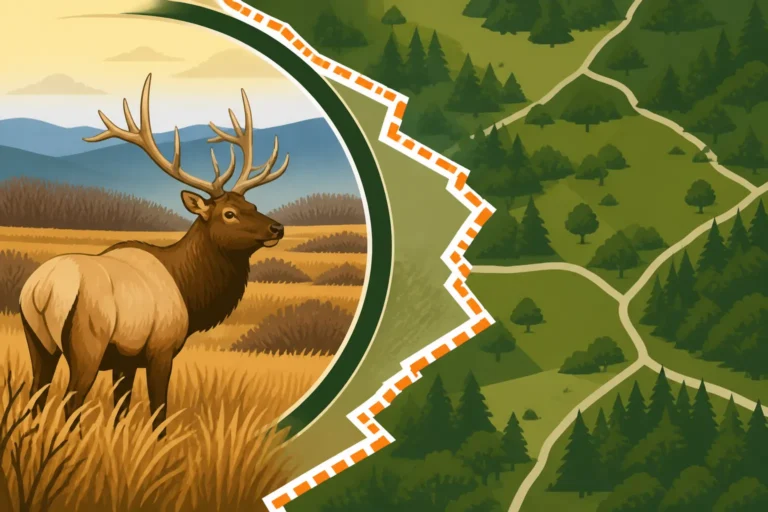
Given that Peck Ranch and surrounding areas are popular for other forms of recreation, coexisting with other hunters, hikers, and wildlife viewers is essential. You'll likely encounter deer hunters, turkey hunters, or hikers exploring the same public lands. Courtesy, communication, and awareness of others are crucial. Avoid disturbing others' hunts, and be prepared to share the woods. A simple wave or friendly greeting goes a long way in fostering a positive environment. Remember, not everyone in elk country is there to hunt, and everyone deserves to enjoy the resource. This becomes even more critical around designated refuge zones; for example, understanding Where the Elk Refuge Boundary Sits helps clarify areas that are off-limits or have specific restrictions.
Finally, understanding and adhering to carcass transport rules for Chronic Wasting Disease (CWD) management is critical, even if CWD prevalence in elk is generally low. The MDC has specific regulations about transporting deer and elk carcasses, especially across county lines, to prevent the spread of this devastating disease. This often involves deboneing the animal on-site or ensuring the carcass is brought to an approved facility. While elk are not currently considered a major carrier in Missouri, these rules are in place for the health of all cervids in the state and must be followed. Always check the most current regulations before you head afield.
Partnering with Tools for Success
In a vast and challenging landscape like Missouri's elk country, modern tools can significantly enhance your chances of success and safety. Forget the old paper maps and compass (though a backup is always wise!); today's digital mapping applications have revolutionized how we navigate and scout. Using a GPS-enabled app on your phone or a dedicated GPS unit can transform your hunt.
Digital mapping platforms like onX Hunt and GoHunt offer invaluable advantages. They provide detailed topographic maps, aerial imagery, and crucial overlays showing public and private land boundaries. This is incredibly important when you're navigating complex property lines, ensuring you stay on legal hunting ground. You can mark waypoints for game sightings, trail camera locations, or even retrieve a downed animal. Imagine having a detailed map of your hunting zone, complete with marked food plots, water holes, and bedding areas, all in the palm of your hand.
These tools are not just for real-time navigation; they're potent pre-season planning instruments. You can spend hours studying satellite images from the comfort of your home, identifying potential travel corridors, terrain features that might funnel elk, or remote corners that receive less pressure. You can digitally "walk" your assigned zone, scouting potential routes and entry points. During the hunt itself, onX Hunt or GoHunt allows you to track your movements, providing a breadcrumb trail that helps you avoid getting lost in dense timber and can guide you back to camp or your vehicle, especially when retrieving game in the dark. It's an essential partner in unraveling the mysteries of Missouri's wild elk country.
Beyond the Hunt: Supporting Missouri's Elk
The presence of a wild elk herd in Missouri is a gift, and its significance extends far beyond the fortunate few who draw a hunting tag. It represents a profound ecological and economic victory, a testament to the power of conservation, and a source of pride for our state. Ensuring the continued health and growth of this herd requires ongoing commitment from everyone who cherishes our wild places.
The Economic and Ecological Impact
The reintroduction of elk has brought tangible economic benefits to the local communities surrounding the core elk range. Tourism, fueled by visitors hoping to catch a glimpse of these magnificent animals, provides a boost to small businesses, from gas stations and restaurants to lodging providers. The limited hunting opportunities, while exclusive, also generate revenue through permit fees and hunter expenditures on gear, travel, and local services. This creates a sustainable model where the elk themselves contribute to the local economy, fostering community support for their presence.
Ecologically, the return of elk helps restore a missing piece of the Ozark ecosystem. As large grazers and browsers, elk play a role in shaping vegetation, stimulating new plant growth, and creating diverse habitat structures. They contribute to the natural food web, becoming a prey source for predators where they exist, and their presence adds to the overall biodiversity of the region. This is a subtle but important contribution to the overall health of our native landscapes, echoing a time when these animals were a natural part of the Ozark biome.
To ensure these benefits continue, the MDC and its partners remain dedicated to ongoing monitoring and research. Scientists study elk health, population dynamics, habitat use, and potential disease concerns. This continuous scientific oversight is crucial for adaptive management, allowing conservation strategies to evolve with the needs of the herd and the changing environment. It's a long-term commitment to ensure the elk not only survive but thrive for generations to come.
How Hunters Contribute to Conservation
Hunters are, and always have been, a cornerstone of wildlife conservation in North America, and their role in Missouri's elk success story is no different. The fees generated from hunting permits and applications, including the elk lottery, directly fund the Missouri Department of Conservation's extensive wildlife management programs. This includes everything from habitat restoration projects on Peck Ranch to CWD testing and ongoing research into elk behavior and health. Every dollar spent on an elk permit or application is an investment in the future of the herd and the habitat it calls home.
Beyond financial contributions, the ethical participation of hunters is paramount. When hunters adhere to regulations, practice fair chase, and retrieve their game efficiently, they uphold the integrity of the sport and demonstrate respect for the animals they pursue. This ethical framework builds public trust and ensures that hunting remains a valued and effective tool in wildlife management. It shows that hunters care deeply about the species they hunt and are committed to their long-term survival.
Hunters also contribute invaluable data through their observations and mandatory harvest reporting. Whether it's providing biological samples for CWD testing or simply reporting where and when they saw elk, this information helps conservation agencies better understand population distributions, health, and movements. By being good stewards of the land and actively participating in conservation efforts, hunters ensure that Missouri's elk herd not only persists but flourishes, guaranteeing that the thrilling bugle of a bull elk will continue to echo through the Ozark hills for many years to come.
| Aspect | Description |
|---|---|
| Location | Primarily Peck Ranch Conservation Area and surrounding designated zones within Reynolds, Carter, and Shannon counties. |
| Herd Source | Reintroduced from Kentucky starting in 2011. |
| Population Status | Growing, but still relatively small and carefully managed. |
| Hunting Opportunity | Extremely limited, highly competitive lottery draw. |
| Permit Types | Typically Antlered Bull or Antlerless Elk, specific to management goals. |
| Scouting Importance | Critical; requires extensive digital and physical scouting due to dense Ozark terrain and elk wariness. |
| Physical Demands | High; rugged, steep terrain requires excellent physical conditioning. |
| Key Challenges | Locating elk in dense timber, navigating challenging terrain, managing expectations due to low draw odds and animal elusiveness. |
| Conservation Impact | Significant; funds management, provides ecological benefits, contributes to local economies, and restores a native species. |
| Recommended Tools | GPS-enabled mapping apps (e.g., onX Hunt, GoHunt), quality optics, reliable boots, appropriate layering, physically fit body. |
Disclaimer
This article is for general informational purposes only and does not constitute professional advice. Laws, prices and regulations vary by location and change over time. Consult a qualified professional for guidance on your specific situation.