Missouri Landowner Cooperatives and Shared Ground
For many hunters in Missouri, the idea of having consistent access to quality private land can feel like a pipe dream. You’ve likely driven countless backroads, eyeing prime timber and crop fields, only to be met with "No Trespassing" signs at every turn. It’s a frustrating reality when public land can be heavily pressured, and securing a long-term lease feels out of reach. This guide is here to shed light on a often-overlooked solution: landowner cooperatives and various shared ground models that can unlock incredible hunting opportunities right here in the Show-Me State.
The Challenge of Finding Private Land Access in Missouri
Let’s be honest, hunting in Missouri can sometimes feel like a game of musical chairs, especially when it comes to finding good ground. While our state boasts an impressive amount of public land, much of it sees significant pressure, particularly during peak seasons. This forces many hunters to get creative, and often, that means trying to gain access to private property. But how do you navigate that ever-growing wall of "Posted" signs?
The Reality of Limited Public Ground
Missouri truly shines with its vast network of Conservation Areas and portions of the Mark Twain National Forest. These areas provide invaluable opportunities for deer, turkey, and small game hunting. However, anyone who has spent opening weekend on a popular Conservation Area can tell you that "public land" often translates to "shared by many, many hunters." Parking lots fill up quickly, and it can be a real struggle to find a quiet corner, let alone a consistent mature buck. This constant competition drives many hunters to seek private ground, where the experience can often be more predictable and less crowded. The desire for a more secluded hunting experience, or simply a chance to implement long-term management strategies, often nudges hunters toward private parcels.
The "No Trespassing" Wall
It feels like every year, more and more land gets posted. This isn't just a Missouri phenomenon; it's a trend across the country. Landowners, often dealing with past issues of disrespect, damage, or simply an overwhelming number of requests, resort to posting their property to protect their privacy and resources. It creates a significant barrier for the ethical hunter who genuinely wants to build a relationship and respect the land. Seeing those signs can be disheartening, making it feel impossible to even start the conversation about gaining access. It's not always personal; sometimes, it's just a default measure born from necessity or prior negative experiences.
The Traditional Knock-on-Door Method: Pros and Cons
The classic advice for finding private land access is to "knock on doors." And while this method can certainly yield results, it's becoming increasingly challenging and comes with its own set of pros and cons.
On the positive side, a face-to-face conversation allows you to make a personal connection, explain your intentions, and convey your respect for the property owner. It's a chance to build rapport, which is the foundation of any good hunting relationship. You might even discover that the landowner has specific wildlife management goals or problems, like too many does, that you can help address, creating a win-win scenario. This direct approach can be incredibly rewarding when it works out, often leading to long-lasting friendships and exclusive hunting opportunities.
However, the downsides are significant. It's time-consuming, can be awkward, and often leads to rejection. Many landowners are wary of strangers, especially during hunting season when they're inundated with requests. You might drive for hours, knock on dozens of doors, and leave empty-handed. There's also the challenge of timing – showing up at the wrong moment could instantly sour a potential opportunity. Furthermore, without a clear understanding of the property boundaries, you might be asking for access to land that isn't ideal, or worse, disturbing a landowner who has already granted permission to others. This is where tools like onX Hunt can be invaluable, allowing you to identify landowners and property lines before you even step out of your truck, making your approach more informed and respectful.
Understanding Missouri Landowner Cooperatives
Given the challenges, many hunters and landowners are starting to look for more structured and mutually beneficial arrangements. This is where the concept of landowner cooperatives comes into play, offering a compelling alternative to traditional leasing or simply "asking for permission."
What Exactly Is a Landowner Cooperative?
At its core, a landowner cooperative, in the context of hunting, is a group of neighboring landowners who come together to manage their collective properties for wildlife and hunting purposes. Instead of each owner treating their parcel in isolation, they agree to a shared vision and rules that span across their combined acreage. This typically involves managing deer herds, turkey flocks, or other game species over a much larger contiguous block of habitat than any single owner could provide. The cooperative might implement shared rules on antler restrictions, harvest quotas, or even food plot strategies. It’s about leveraging the power of unity to create a superior hunting environment for everyone involved. Think of it as a neighborhood watch, but for deer management and hunting access.
These cooperatives aren't just about hunting; they often encompass broader conservation goals. Participants might work together on timber stand improvement, stream bank stabilization, or invasive species control. The hunting aspect becomes a natural byproduct and benefit of these larger habitat efforts. By pooling resources and knowledge, they can achieve a level of management that would be impossible for individual landowners working alone.
How Cooperatives Benefit Landowners
For landowners, joining a cooperative can be a game-changer. Firstly, it often leads to improved wildlife populations and quality. By managing deer across a larger area, they can better control population dynamics, age structures, and overall herd health. This means healthier, potentially larger bucks, and more stable turkey populations. Secondly, it can significantly reduce management costs. Sharing the expense of habitat projects, such as planting food plots or prescribed burns, makes them more feasible. Equipment can be shared, and collective purchasing of seed or fertilizer can lead to discounts.
Beyond the wildlife benefits, cooperatives can also enhance security and reduce trespass issues. When multiple landowners are communicating and watching out for each other, it creates a more secure environment. They establish clear boundaries and expectations, making it easier to identify and address unauthorized activity. Plus, by inviting a select group of vetted hunters (often through the cooperative itself), they gain a level of control and trust that random permission grants simply can't offer. Landowners can gain peace of mind knowing who is on their property and what their intentions are.
How Cooperatives Benefit Hunters
For the hunter, being part of a landowner cooperative can provide unparalleled access to larger, well-managed hunting grounds. Instead of being confined to a small, isolated parcel, you're hunting a sprawling landscape that is actively managed for quality game. This means better deer densities, more mature animals, and generally a higher-quality hunting experience. The cooperative structure often ensures that hunting pressure is managed, preventing overhunting and promoting consistent game movement.
Beyond access, hunters often gain a deeper understanding of wildlife management and conservation. You might participate in habitat projects, help with trail camera surveys, or contribute to food plot efforts. This hands-on involvement fosters a greater appreciation for the land and the animals, transforming hunting into a more holistic and engaging endeavor. It's an opportunity to become part of a community that shares your passion for ethical hunting and wildlife stewardship. Many cooperatives also provide opportunities for shared resources, like a processing station or even a hunting cabin, enhancing the overall experience. Being able to hunt a larger, contiguous block of land also opens up different hunting strategies, like still-hunting a Missouri Ozark Hollow or Deer Drives on Missouri Public Ground (if rules allow, obviously on private land).
Exploring Shared Ground Models Beyond Formal Cooperatives
While formal landowner cooperatives are fantastic, they aren't the only way to find shared hunting opportunities in Missouri. There are many less formal arrangements that can also provide excellent access. These models often rely on trust, clear communication, and mutual respect, much like a cooperative, but without the official structure.
Informal Access Agreements and Partnerships
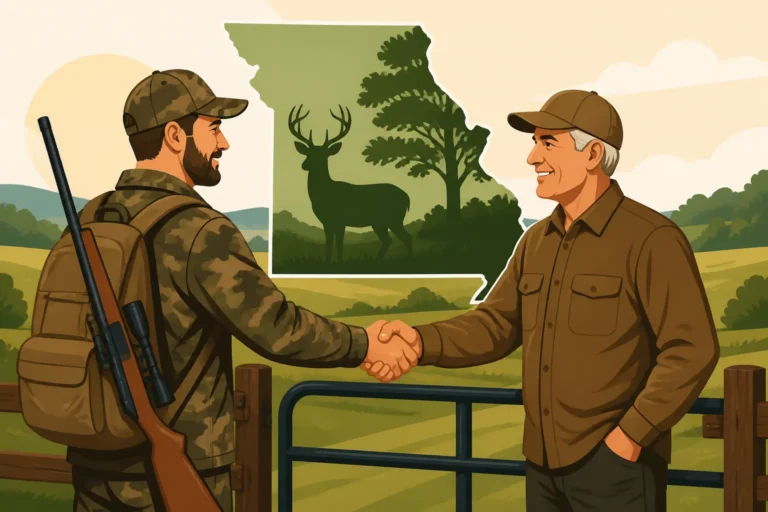
Sometimes, the best hunting opportunities come from simple, informal agreements with individual landowners. This might involve a farmer who needs help controlling a deer population that's eating his crops, or a timber owner who wants someone to keep an eye on his property. These partnerships aren't about leases or formal contracts; they're about a handshake and a shared understanding. You might offer to help with chores, fix fences, or assist with other tasks in exchange for hunting privileges. This reciprocal relationship builds trust over time and can lead to incredibly rewarding access.
These arrangements often start small—perhaps a permission to hunt does for a season—and can grow into broader opportunities as the landowner sees your responsible conduct. It's critical to consistently over-deliver on your promises and demonstrate the utmost respect for their land and rules. Showing up with a small gift, like a homegrown tomato or a jar of homemade preserves, after a successful hunt can also go a long way in reinforcing a positive relationship. Remember, you're not just a hunter; you're a trusted partner on their property.
"Friends and Family" Networks and Their Importance
Never underestimate the power of your existing network. Many prime hunting spots are accessed through friends, family, or even acquaintances. Someone you know might have family land they don't hunt themselves, or they might know a landowner looking for a responsible hunter. These connections often provide a built-in layer of trust, making it easier for landowners to consider granting access. When someone vouches for your character and hunting ethics, it carries significant weight.
Cultivating and expanding this network takes time and effort. Be open about your hunting passion, share your experiences, and be willing to reciprocate if you have access to other hunting or outdoor opportunities. Sometimes, helping a friend with a chore might lead to an invitation to hunt their uncle's back forty. These informal referrals are often the most effective way to bypass the "No Trespassing" wall and find those hidden gems of private ground. It also pays to be helpful; if a friend needs a hand with Field Dressing and Cooling in Early-Season Heat, offer it. You never know where that goodwill might lead.
Lease Agreements vs. Cooperative Models
It's important to understand the distinctions between a traditional hunting lease and the cooperative or shared ground models we've been discussing. While a lease provides exclusive rights to hunt a specific property for a set fee, it can be costly and sometimes lacks the collaborative spirit of a cooperative.
| Feature | Formal Landowner Cooperative | Informal Shared Ground Agreement | Traditional Hunting Lease |
|---|---|---|---|
| Structure | Group of landowners, often with formal bylaws/agreements. | Individual landowner, informal handshake or verbal agreement. | Contractual agreement between hunter(s) and landowner. |
| Cost | Typically lower or work-based contributions. | Often involves work exchange, minimal or no direct fee. | Predetermined annual or seasonal fee (can be substantial). |
| Management | Collaborative habitat & wildlife management across all parcels. | Hunter may assist with specific landowner needs (e.g., deer control). | Hunter manages their own hunting activities within lease terms. |
| Scale | Larger, contiguous blocks of land via multiple owners. | Single parcel, or a few smaller, non-contiguous parcels. | Single parcel, or multiple parcels under one ownership. |
| Relationship | Partnership, shared vision, community focus. | Personal relationship, trust-based, reciprocal help. | Transactional, exclusive hunting rights for a fee. |
| Security/Trust | High, vetted members, collective oversight. | Built on personal trust over time. | Based on contract, often requires proof of insurance. |
Leases can be great for ensuring exclusivity and having full control over your hunting activities on a given property. However, they can isolate you from neighbors and might not foster the same long-term habitat and wildlife benefits that a cooperative model can. Cooperatives, or even informal agreements, often emphasize stewardship and community, creating a deeper connection to the land and its management. While a lease provides a clear set of terms, the flexibility and relationship-building inherent in cooperatives and informal agreements can sometimes lead to more fulfilling and sustainable hunting opportunities.
Key Elements of a Successful Shared Ground Arrangement
No matter which type of shared ground arrangement you pursue, certain foundational elements are crucial for success. These aren't just polite suggestions; they are the bedrock upon which trust, longevity, and positive hunting experiences are built. Ignoring them is a surefire way to lose access.
Clear Communication and Expectations
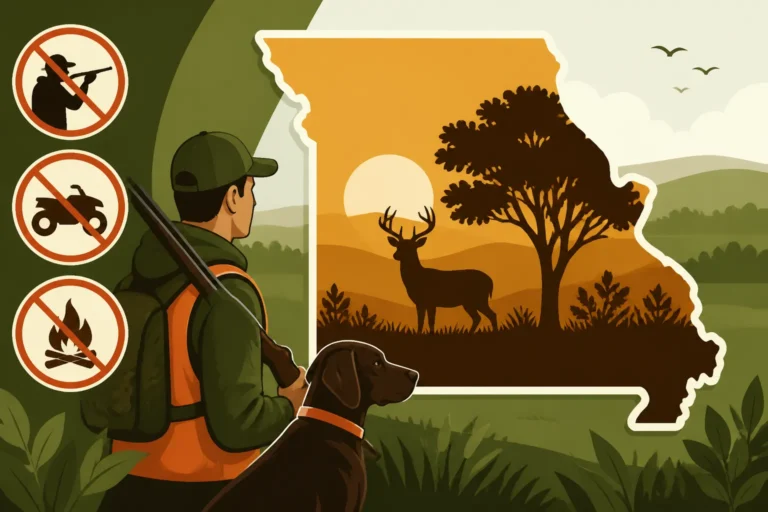
This is arguably the most vital component. Before any hunting ever takes place, sit down with the landowner (or cooperative members) and establish crystal-clear expectations. Discuss everything from what species you'll be hunting, to specific boundaries, parking areas, entry and exit routes, and even preferred hunting times. What are their rules regarding ATVs, dogs, or guest hunters? Do they have areas that are off-limits, like near their home or livestock? Are there any specific harvest goals they have for deer or turkeys?
It’s not enough to just nod your head; ask clarifying questions and take notes. Reconfirm these details periodically, especially if conditions change (e.g., a new crop is planted, or livestock are moved). Open and honest communication prevents misunderstandings and demonstrates your respect for their property. Remember, they are doing you a favor, and your transparency shows you value that privilege. This includes being clear about when you'll be on the property, especially during busy farm seasons.
Understanding and Respecting Landowner Goals
Every landowner has unique goals and concerns for their property. For a farmer, crop damage from deer might be a major issue, making antlerless harvest a priority. For a timber owner, careful entry and exit during logging operations might be critical. For a family living on the property, peace and quiet during certain hours could be paramount. Your role as a hunter in a shared ground arrangement is to understand these goals and align your activities with them.
If a landowner expresses concern about deer eating their soybeans, don't just focus on finding the biggest buck; help them manage their deer population responsibly. If they mention issues with trespassers, offer to report any suspicious activity you observe. By prioritizing their needs and demonstrating that you are a responsible steward of their land, you solidify your position as a trusted partner. Showing genuine interest in their land management, whether it's discussing Scouting Missouri Public Land Before Season or simply how the new growth is coming in, builds rapport.
The Role of Technology in Finding and Managing Access
In today's hunting world, technology can be an incredible asset for both finding and managing shared ground. Gone are the days of guessing property lines or blindly knocking on doors.
Mapping applications like onX Hunt have revolutionized how hunters interact with land. With onX Hunt, you can instantly see property boundaries, landowner names, and even access public land data. This allows you to research potential properties and identify landowners before you ever make contact. Imagine being able to walk up to a landowner's door, clearly point to their property on your phone, and say, "I'm interested in hunting this section here, and I saw on the map you own it." It shows preparation, respect, and a professional approach. Furthermore, these apps can help you navigate once you have permission, ensuring you stay within agreed-upon boundaries and don't accidentally trespass. Finding Missouri Property Lines is no longer a mystery.
Beyond finding land, technology helps with management. Shared GPS waypoints for stand locations, food plots, or property boundaries can be incredibly useful within a cooperative. Some groups even use private messaging apps or forums to coordinate hunting schedules, share trail camera photos, or discuss management strategies. For those looking at broader game trends, platforms like GoHunt, while primarily focused on western big game, offer robust data and analysis tools that can inform general hunting strategies and help identify areas that might benefit from cooperative management in Missouri. The key is to use these tools to enhance communication and efficiency, not replace personal interaction.
Navigating the Legalities and Ethics of Shared Ground
Whenever you step onto private land, whether it's through a formal cooperative, an informal agreement, or a lease, you're entering into a legal and ethical contract. Understanding Missouri's specific laws and upholding a high standard of conduct isn't just good practice; it's essential for your safety, the landowner's peace of mind, and the future of hunting access.
Missouri's Trespass and Permission Law
In Missouri, simply put, you cannot hunt, fish, trap, or even retrieve game from private land without the express permission of the landowner or their agent. This isn't a gray area; it's a clear legal boundary. What Missouri Trespass Law Requires is explicit. Permission can be verbal, but having it in writing (especially for longer-term arrangements or cooperatives) is always a better idea for both your protection and the landowner's. This written agreement could be as simple as a signed note or a more formal document outlining the terms of access.
Violating trespass laws can result in fines, loss of hunting privileges, and, perhaps most importantly, severe damage to your reputation and the broader hunting community's standing with landowners. It also jeopardizes any future opportunities you might have with that landowner or their neighbors. Always confirm who exactly owns the property you intend to hunt, and ensure you have permission from that specific individual or entity. Never assume that just because one neighbor granted access, another will too.
Liability Considerations for Landowners and Hunters
Liability is a significant concern for landowners when granting hunting access. They worry about hunters getting injured on their property and facing a lawsuit. This is a common reason why many landowners are hesitant to grant permission. In Missouri, there are laws designed to provide some protection for landowners who allow recreational use of their land without charge. However, these laws can be complex and don't always offer complete immunity.
As a hunter, it's prudent to discuss liability with the landowner. Some hunters choose to carry their own liability insurance, which can be a valuable peace of mind for both parties. In formal cooperative settings, the cooperative itself might have a policy or require members to sign liability waivers. Always operate safely, follow all hunting regulations, and never take unnecessary risks. Your responsible behavior is the best defense against accidents and legal issues. Understanding these nuances helps bridge the gap between landowner concerns and hunter desires.
Ethical Hunting Practices on Shared Ground
Beyond the legal minimums, a strong ethical compass is paramount when hunting on shared ground. This goes back to respect for the land, the wildlife, and the landowner.
- Leave No Trace: Pack out everything you pack in, and then some. Pick up any trash you find, even if it's not yours. Leave gates as you found them – if it was closed, close it; if it was open, leave it open. Don't leave spent casings or broadheads behind.
- Respect Boundaries: Know exactly where you can and cannot hunt. Don't push property lines or sneak onto neighboring properties. This is where a GPS app like onX Hunt is indispensable.
- Manage Harvest Responsibly: Stick to agreed-upon harvest quotas, especially for antlerless deer. If the landowner has specific management goals, help them achieve them. Don't take advantage of their generosity by over-harvesting or taking more than you agreed to.
- Communicate Successes and Concerns: Inform the landowner when you harvest an animal. Share trail camera photos or observations about wildlife patterns. If you notice something concerning, like damaged fences or suspicious activity, report it immediately.
- Be a Good Neighbor: If you encounter other hunters (even those you don't know), be courteous and respectful. Your actions reflect not only on you but on all hunters who have access to that property.
Upholding these ethical standards isn't just about maintaining your current access; it's about building a positive reputation for hunters as a whole. When landowners have positive experiences, they are more likely to grant permission in the future, fostering a healthier relationship between hunters and private property owners across Missouri. These ethical considerations extend to how you track and recover game; knowing Blood Trailing After Dark in Missouri protocols and informing the landowner is crucial.
Disclaimer
This article is for general informational purposes only and does not constitute professional advice. Laws, prices and regulations vary by location and change over time. Consult a qualified professional for guidance on your specific situation.